


Consumers’ Spending on Wellness and Retail Health is “Inelastic” — Think Food (and Food-As-Medicine)
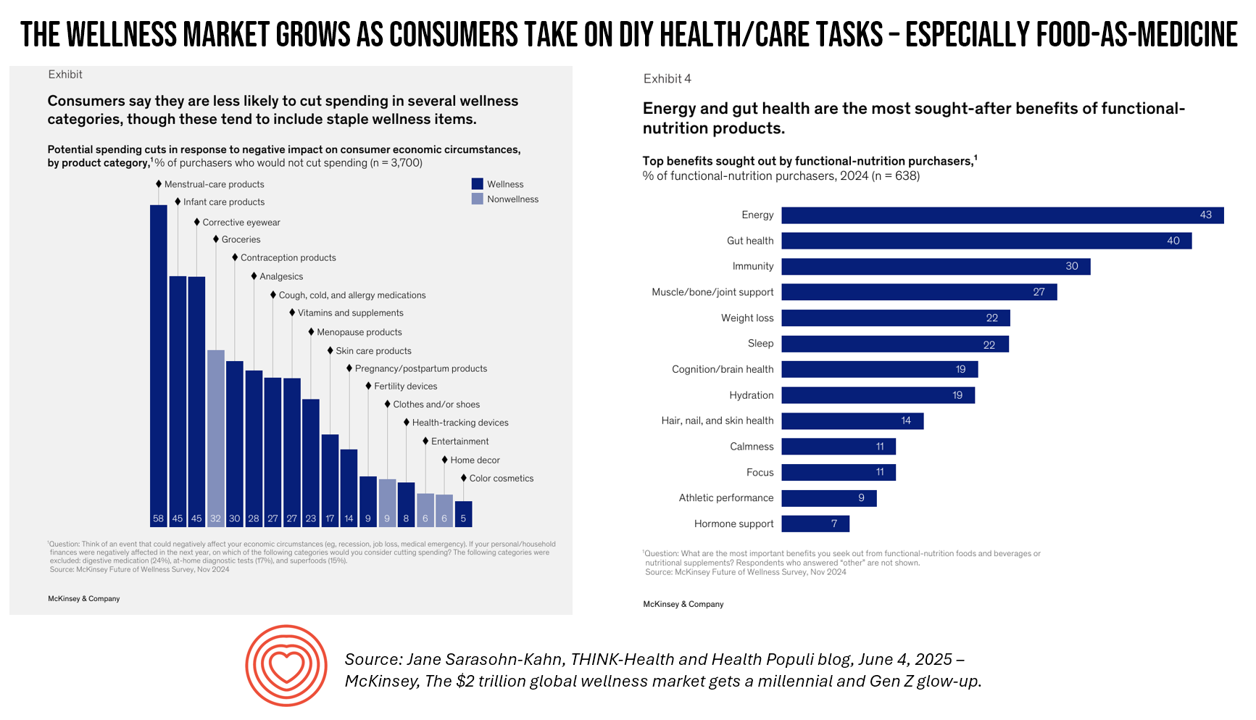
Self-care is a growing thing as people face increasing health care costs, declining access for services and certain products (think: drug shortages and wait times for specialist physician consults), and increasing consumer competence in sourcing information on health care — whether through AI-assisted on-ramps or greater digital literacy in seeking and finding help online. McKinsey has tracked the expanding landscape and value of the global wellness market — and evolving consumer segments — in The $2 trillion global wellness market gets a millennial and Gen Z glow-up. I covered wellness
Consumers Are Keen to Invest in Health and Well-Being – But Show Them the Evidence

Consumers around the world feel more invested than ever in what makes people feel both well and prosperous, we learn in the NielsenIQ Global State of Health & Wellness 2025 survey report. But there’s a trust deficit that must be healed in order for a health consumer to invest in services and products that feed health and well-being. NIQ fielded the survey research online in January and February 2025 among nearly 19,000 adults living in 19 countries: Brazil, Canada, China, the Czech Republic, France, Germany, Hungary, India, Indonesia Italy, Mexico, Netherlands, Poland, South Africa, Spain, Turkiye, UAE, United Kingdom, and
We Go Further Together: Calling for Collaborations, An Actionable Context for AHIP 2025

There are many ways to measure the dysfunction of health care in the U.S.: we can point to relatively poor incomes relative to the rest of the developed world, given how much money is allocated to health care in America. The maternal mortality rate in the U.S. is unconscionably high, akin to some middle- and lower-income nations in the world. And medical debt is a uniquely American form of financial toxicity compared with other OECD nations where the concept is, well, foreign. Even with these many failures, though, it’s important to put U.S. health care in a larger context: the
A Toyota RAV4 Hybrid, a Playground Set, or Healthcare for a Family of 4: What $35,119 Can Buy in 2025 According to Milliman
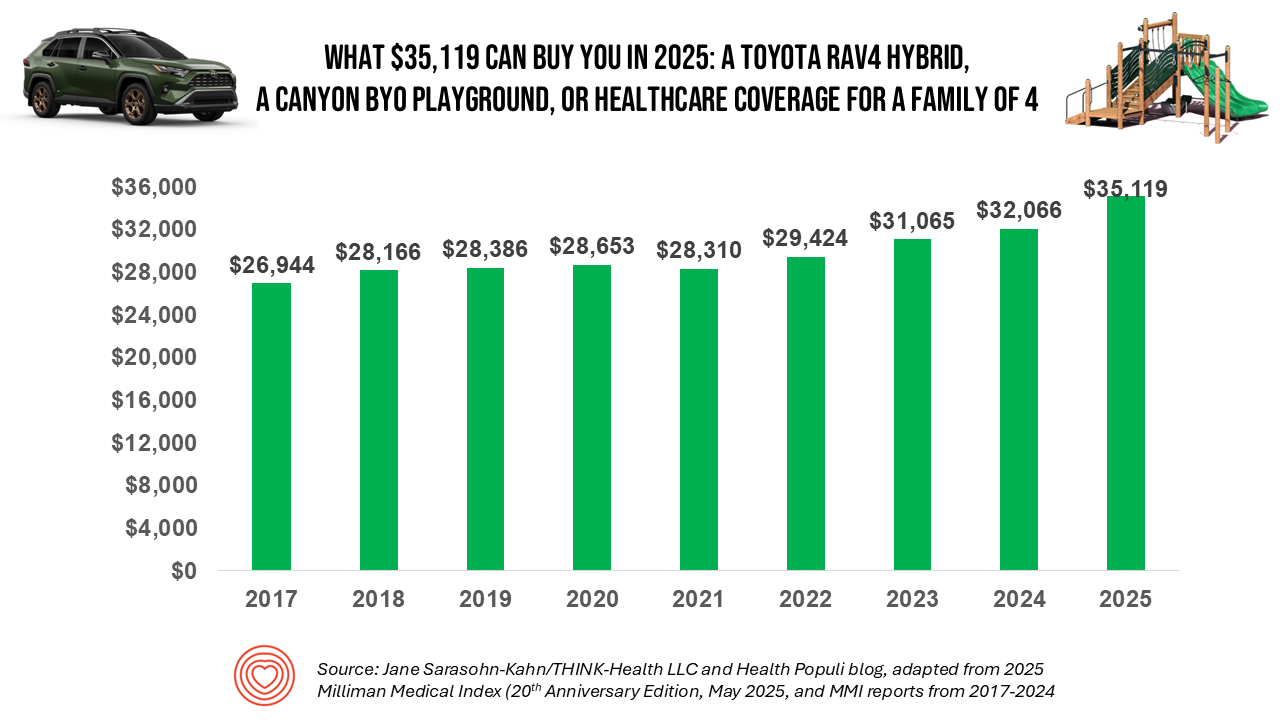
If you went shopping for something that cost $35,119 in 2025, which would you most value? A new 2025 Toyota RAV4 Hybrid with some extras on board? A Canyon BYO playground set for your yard, school, or social-athletic club? Or, Healthcare coverage for a family of 4 in the form of a PPO? Welcome to this year’s 20th anniversary edition of the Milliman Medical Index (MMI), which I’ve looked forward to reviewing for most of its two-decade history. [You can read my annual takes on the MMI here in Health Populi by searching “MMI” and the year of publication in
Marketing Women’s Health: How Organon’s Nexplanon Took a Page Out of Romance Novels

With women’s health and femtech investing in the spotlight in 2025, most of the focus has been on either women’s access to health care services (e.g., for abortion and prenatal/primary care) to start-ups focusing on fertility technology and benefits, along with growing awareness of the long-overlooked menopause market opportunity. Contraception? Not so visible. Of course, we welcomed the Opill to the over-the-counter medicines market last year with FDA approval of the switch to retail pharmacy and vending machine access. Now let me point you to a newfangled marketing campaign for
In Health Care, Consumers Are Seeking Kindness Coupled with Efficiency

Kindness + efficiency + listening + personalization: together, these are the most important experiences consumers seek from health care touchpoints, we learn in Humanizing Brand Experience: Healthcare Edition from Monigle. In this 8th volume of the company’s Humanizing series, Monigle tracks a different pattern of patient engagement — to be sure, built on trust, yet not just as a health consumer dealing with a diagnosed condition — but more holistically for getting me and keeping me healthy and well. The implication and recommendation here is to deliver even more personalized care
The Next Version of Medical Tourism: Medical Immigration?

One in three Americans could imagine leaving America for good as expatriates — with access to affordable and reliable health insurance the top consideration, according to research conducted by the Harris Poll on behalf of GeoBlue and International Citizens Insurance (ICI). “Thirty-one percent of potential expats cite concerns about healthcare coverage abroad being the reason they haven’t yet taken the leap to move abroad. This trumped concerns about their work and social life abroad,” the survey found. Earlier this year, The Harris Poll’s American Expats Survey, published in February 2025, found that health care accessibility
Health, Wealth, and How Business Can Support Consumers in an Era of “Uncertainty on Steroids”

Facing uncertainties across everyday life flows, U.S. consumers look to economic and health security — and welcome businesses to support these, we learn in an analysis from The Conference Board. The Conference Board (TCB) polled 3,000 U.S. consumers gauging their perspectives on uncertainties emerging out of the new Trump administration’s policy changes introduced in the first quarter of 2025. The chart details people’s financial/fiscal responses in blue, and the health (mental, social, and physical aspects) in yellow: Consumers’ fiscal strategies for coping with uncertainty are to seek out more affordable brands and retailers, adjusting
If Food Is Medicine, Some Might Feel It’s a Luxury Good Like a Specialty Drug
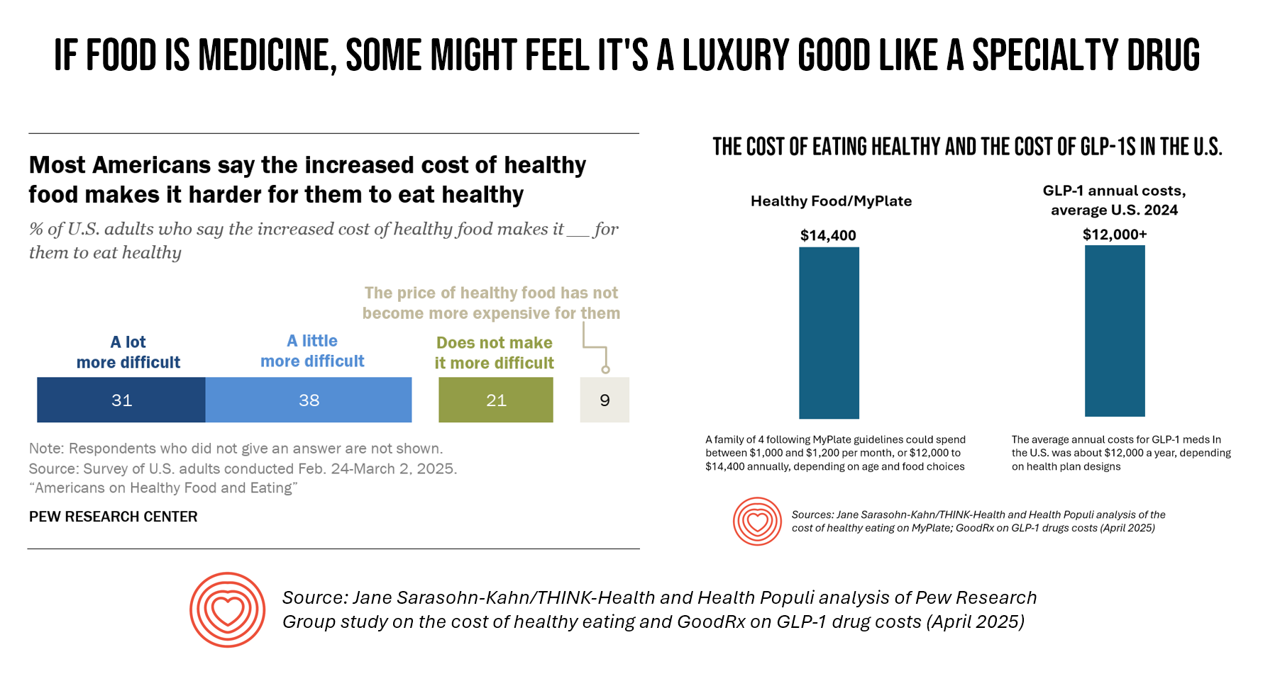
Most people in the U.S. say it’s harder to eat healthy given the cost of “healthy food,” we learn in the report on Americans on Healthy Food and Eating from the Pew Research Center, published 7 May 2025. With a view that healthy food is “too expensive,” it may feel like aspiring for it feels like luxury-good shopping, or being a patient prescribed a specialty (high-cost) drug. The Pew team polled 5,123 U.S. adults’ perspectives on eating, fielded between 24 February and 2 March 2025. This report is timely as Secretary of Health and
Americans’ Trust in Public Health Agencies Has Become Politicized, Though There is Bipartisan Support for Many Public Health Priorities

While health citizens’ trust in the “messengers” of health information has become polarized by partisans’ political views, there is real concordance of support for many public health priorities. We weave together two current studies to come to this realization: the latest (April 2025) KFF Tracking Poll on Health Information and Trust, KFF’s ongoing health survey (published 6 May); and, the de Beaumont – Harvard Chan School of Public Health poll into Americans’ views on public health in “the first 100 days” of President Trump’s presidency. First, consider the KFF study, conducted among
How Consumers’ Economic Sentiments Are Shaping Peoples’ Financial and Emotional Well-Being (Spoiler: Not So Good): Learning from CivicScience
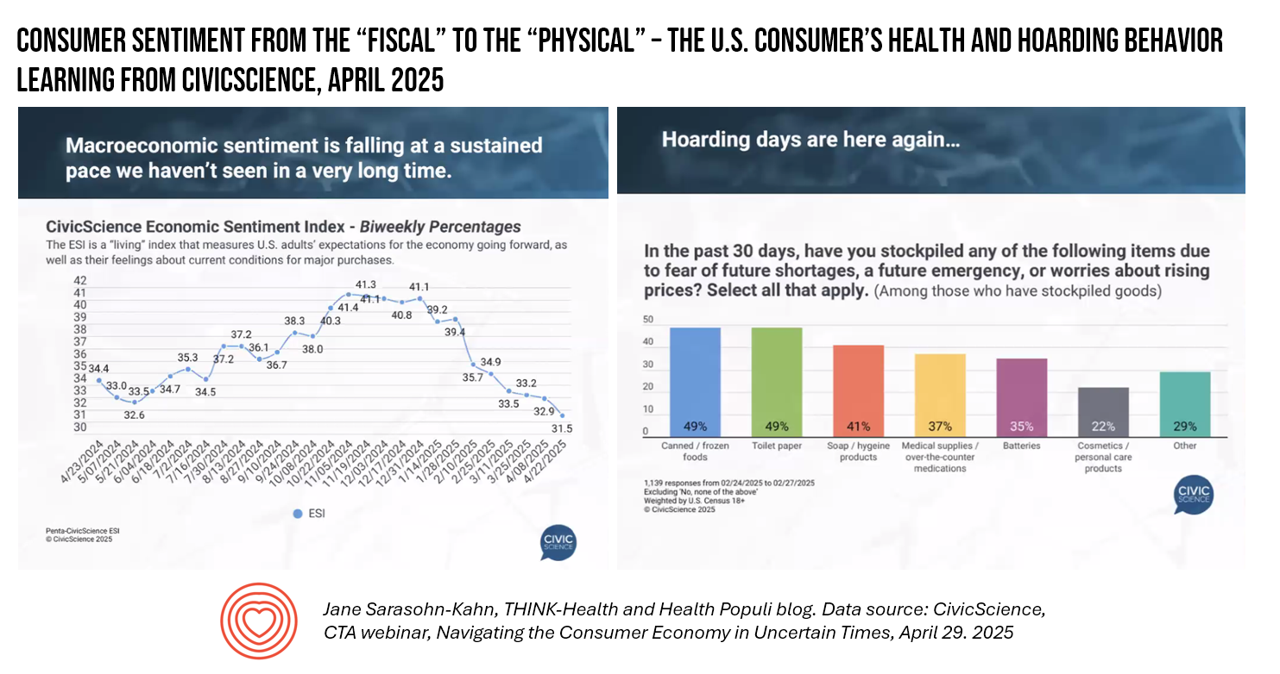
When it comes to health, the words “fiscal” and “physical” are morphing as peoples’ economic feelings (the “fiscal”) are shaping physical and emotional health, we find in U.S. consumer data presented by John Dick, Founder and CEO of CivicScience. The Consumer Technology Association convened a special session with John, who painted a portrait of the U.S. consumer at a point in time — late April 2025 — reminding us more than once during the hourlong session that, “Everything is constantly changing.” One certainty that we can be sure of, in the dismal-scientist way
Loneliness As Risk Factor for Health and Medication Adherence

The role of loneliness and social isolation plays into every aspect of human health, beyond mental and behavioral impacts: loneliness is a risk factor for overall health status and well-being, as well as a barrier to medication adherence, we learn in Loneliness and Health Behaviors: A Missing Link in Chronic Care from Pleio. Pleio launched the report at the Assembia AXS25 Conference in Las Vegas yesterday, Pleio surveyed 2,008 U.S. adults in March 2025 living with at least one chronic condition to gauge patients’ perspectives on loneliness, health outcomes, and peoples’ adherence to prescribed medicines.
The Era of Healthcare Grievance: The Edelman Trust Barometer’s Take on Health and Trust in 2025

Health citizens globally are feeling and behaving more empowered with respect to their personal health from physical and mental health to social and environmental. Most people believe they can identify good sources of health information, with nearly one in two consumers 18-34 believing an average person can know as much as a doctor. But too many people feel unwell compared to how they felt during the pandemic, and most think major institutions are preventing them from accessing quality care and services which is resulting in an ethos of health care grievance. These
A Profile of Health Consumer-Generations’ Use of Digital Health – Rock Health Takes Us Through the Ages

In the past year, most consumers in the U.S. have used virtual care, tracked at least one health metric digitally, and own a wearable or connected health device. Digital health has certainly gone mainstream across U.S. consumers, with varying utilization and motivation by generation, we learn in the report, Screenagers to Silver Surfers: How each generation clicks with care from Rock Health. To segment health consumers by age/generation, the RH team mined the firm’s 10th Consumer Adoption of Digital Health Survey which polled over 8,000 U.S. adults in 2024 on peoples’ perspectives
“The Church As Field Hospital” – Learning from Pope Francis About the Power of Loneliness and Connection

“I see the church as a field hospital after battle.” The death of Pope Francis gives me reason today to turn to one of the key themes he spoke about during his years leading the Catholic Church. That is, the Church as Field Hospital. Healthwise, the Pope had a history of respiratory conditions which began in his early 20s when he had surgery to remove a piece of his lung affected by an infection. Still, he lived to a ripe 88 years of age, participating in Easter Sunday’s morning mass at The
Health Insurance Coverage Among Smaller U.S. Businesses Is Eroding: A Signal From JPMorganChase
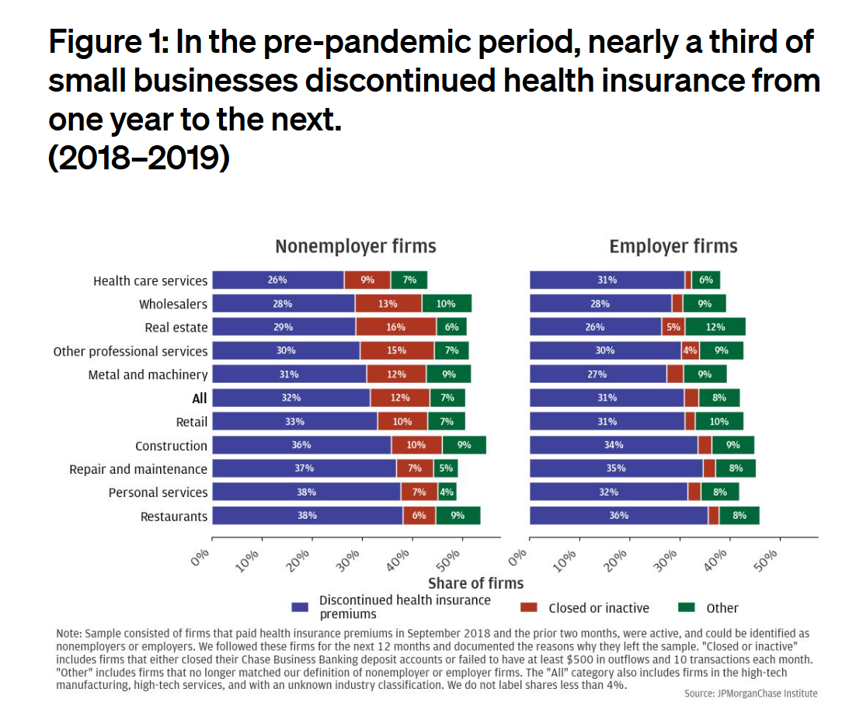
Working-age people in the U.S. depend on their employers to provide health insurance; just over one-half of people in America receive employer-sponsored health insurance. But a concerning signal has emerged that calls into question how sustainable the uniquely American employer-sponsored health plan model is: that is that one in 3 small businesses in the U.S. stopped covering health insurance after the worst of the pandemic health effects in 2023 as the companies payroll expenses continued to increase, a statistic raised in The consistency of health insurance coverage in small business: industry challenges and insights, a report from the JPMorganChase Institute
U.S. Health Care in 2025 Requires Scenario Planning: The Uncertainties (AI!?) That Inspire DIY Healthcare

As Weight Watchers prepares to initiate bankruptcy proceedings, I file the news event under “thinking the unthinkable.” “Thinking about the unthinkable” is what Herman Kahn, a father of scenario planning, asked us to do when he pioneered the process. In this book, for Kahn, “the unthinkable” was thermonuclear war, and the year was 1962. The book was tag-lined as “must reading for an informed public” and in it, Kahn I’ve been drawn back to this book lately because of a more intense workflow using
Most Americans Don’t Want to Cut Medicaid (Including Republicans)
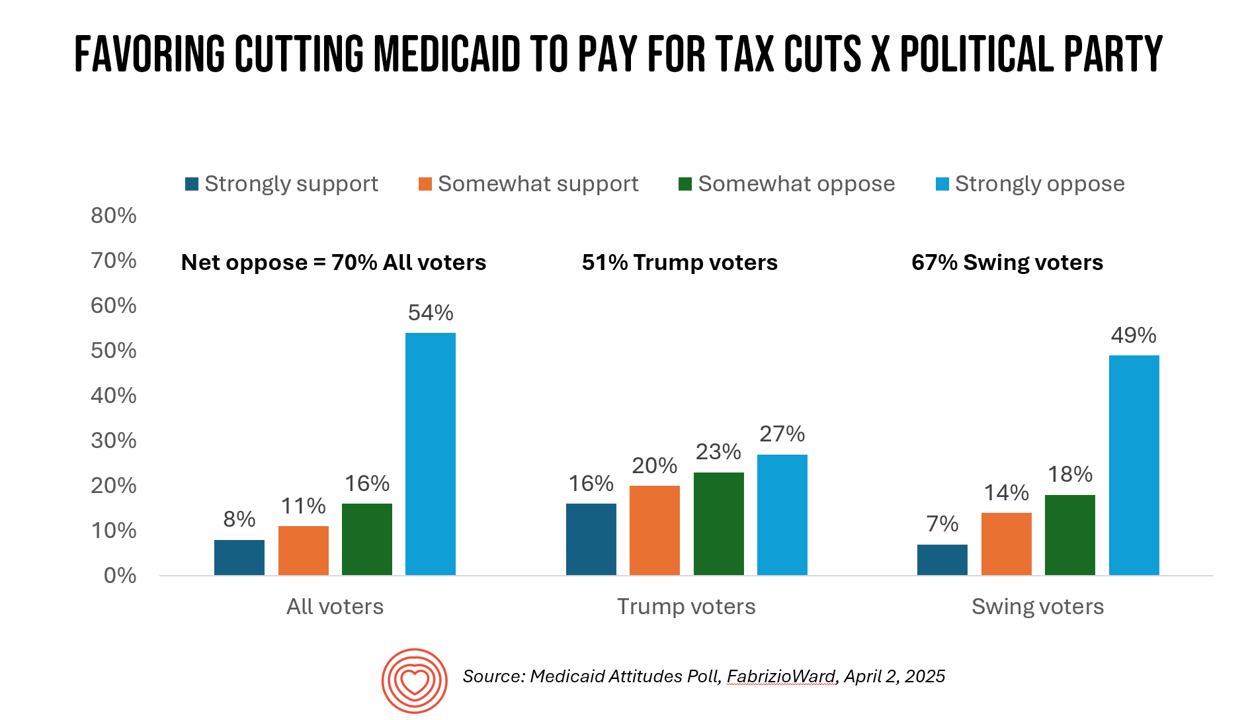
With potential down-sizing of Medicaid on the short-term U.S. political horizon, a fascinating poll found that most people identifying as Republican would not favor cuts to Medicaid. What fascinates me about this survey, published earlier this week, is that it was conducted by FabrizioWard, a polling firm that has often been used by President Trump. The firm’s Bob Ward told POLITICO that, “There’s really not a political appetite out there to go after Medicaid to pay for tax cuts. Medicaid has touched so many families that people have made up their minds about what
The Biggest Opportunity for Sporting Goods is Consumers’ Physical Inactivity: Learning from McKinsey (with a personal nod to pickleball)
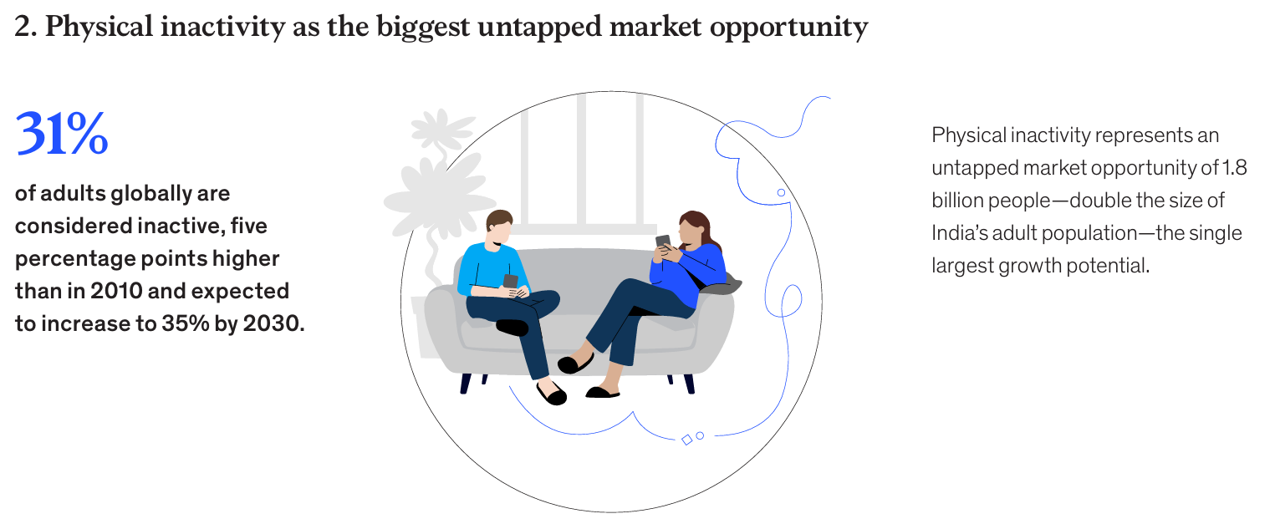
McKinsey just published a detailed report into Sporting Goods 2025, which the firm calls a “new balancing act” that must turn uncertainty into opportunity. The report is based on five key observations: Only a few sporting goods companies have expanded growth and margins since 2018 — and must “rethink the value chain” in the face of challenging geopolitical headwinds One-half of so-called “active consumers” say that fitness is a core element of their identity, with emotional connections to brands they purchase for the lifestyle Incumbent sporting goods companies are losing market share to
Are We Liberated Yet? Tariffs Can Impact Financial Health (Riffing on MoneyLion’s Health Is Wealth Report)
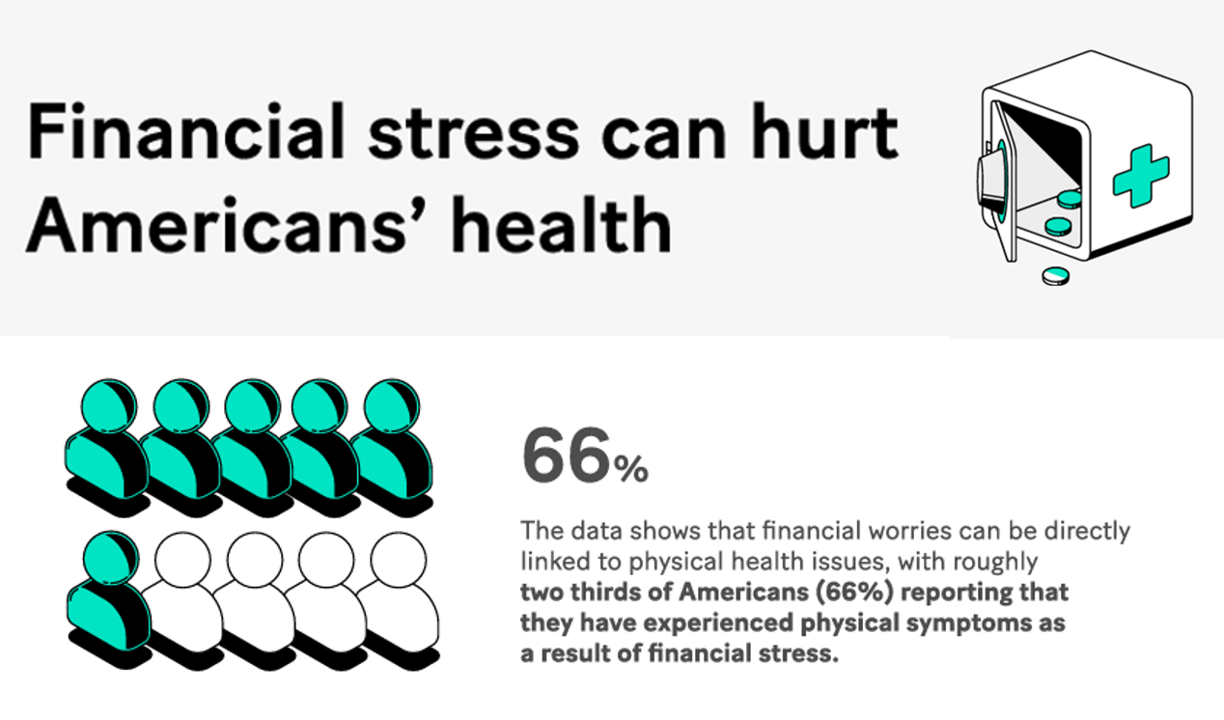
Americans’ financial health was already stressing consumers out leading up to Liberation Day, April 2nd, when President Trump announced tariffs on dozens of countries with whom the U.S. buys and sells goods. A new report from MoneyLion and Mastercard called Health is Wealth is well-timed for today’s Health Populi blog. The study was fielded by The Harris Poll online among 2,092 U.S. adults 18 and older between February 28 and March 4, 2025, so it was completed a month before the tariffs came to hit peoples’ 401(k) savings and employers’ company stock market caps.
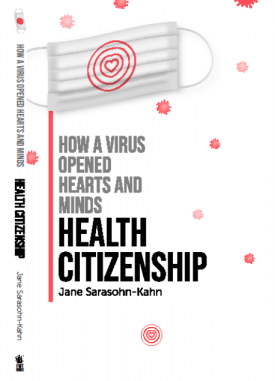
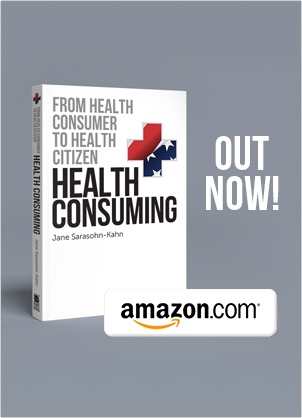
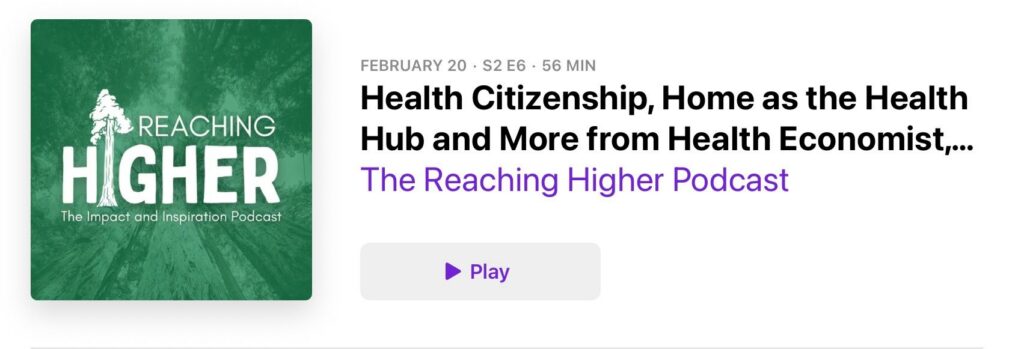 Thank you Aaron Strout for hosting our conversation on the Reaching Higher Podcast, now live on Apple, Spotify, and YouTube. We covered a lot of ground addressing health care and health citizenship, the growing prospects for our homes as our health hubs, and how our humanity is a key ingredient in health-making for all.
 Jane joined host Dr. Geeta "Dr. G" Nayyar and colleagues to brainstorm the value of vaccines for public and individual health in this challenging environment for health literacy, health politics, and health citizen grievance. Click onto the Pfizer Value of Vaccines site and you can watch four episodes covering the challenges with adult vaccination, the employer and health plan member's journey to vaccination, reimbursement, and collaborating for proactive prevention.
 I'm grateful to be part of the Duke Corporate Education faculty, sharing perspectives on the future of health care with health and life science companies. Once again, I'll be brainstorming the future of health care with a cohort of executives working in a global pharmaceutical company.