


Trust in 2019 Via Edelman: The Plotline for Women and Healthcare
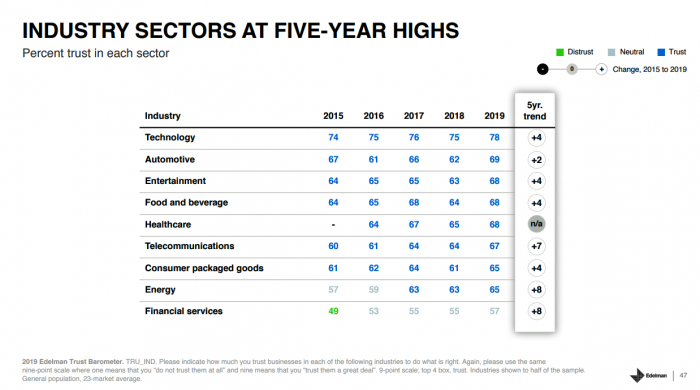
Fewer than one-half of consumers trust in government and media. Three-quarters trust employers, who in 2019 are the top-trusted institution according to the 2019 Edelman Trust Barometer released last week in Davos at the World Economic Forum. Consumers in the U.S. over-index for trust in employers, with 80% of people saying they have a strong relationship with “my employer,” compared with 73% of Britons, 66% of the French, and 59% of people in Japan. What’s underneath this is employers being trusted to provide certainty: most workers look to their employer to be a trustworthy source of information about social issues and
The Consumer and the Payor, Bingo and Trust: My Day At Medecision Liberator Bootcamp
To succeed in the business of health information technology (HIT), a company has to be very clear on the problems it’s trying to address. Now that EHRs are well-adopted in physicians’ practices and hospitals, patient data have gone digital, and can be aggregated and mined for better diagnosis, treatment, and intelligent decision making. There’s surely lots of data to mine. And there are also lots of opportunities to design tools that aren’t very useful for the core problems we need to solve, for the clinicians on the front-lines trying to solve them, and for the patients and people whom we
Americans Are Warming to Universal Health Care, Kaiser Poll Finds
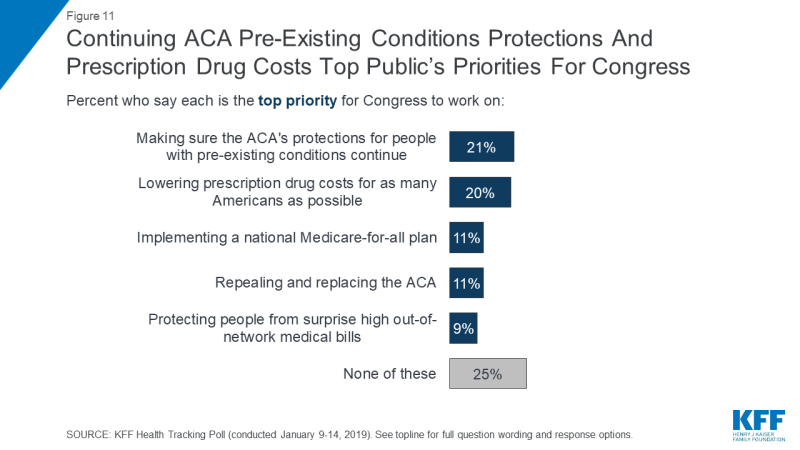
Most Americans like the idea of universal health care as a guaranteed right, Kaiser Family Foundation learned in this month’s Health Tracking Poll. This finding reinforces the voter turnout for the 2018 mid-term elections which was largely driven by peoples’ concerns for losing health access for pre-existing conditions. The first chart notes important nuances under the majority support for a national health plan which, in this case, asked whether people favored a plan “sometimes called ‘Medicare for all.'” I note that note all national health plan designs would need to be tied to Medicare. There are many ways to deliver
What If Marie Kondo Reorganized Health Care in the U.S.?

Have you read the life changing magic of tidying up, or Spark Joy, books by Marie Kondo? Her new Netflix series, Tidying Up with Marie Kondo debuted on January 1, and has enjoyed passionate early viewership by consumers in America who are among the world’s major hoarders. If you opened any pop culture magazine or newspaper in the past week, you probably saw the results of a PR blitz promoting KonMari, the trademarked name for Marie’s clean-out method. As an example, the Wall Street Journal discussed the phenomenon in Ben Zimmer’s profile, “A Guru of Organizing Becomes A Verb” published this weekend
From Yorkshire Lad to Global Design for Health: A Profile of Sean Carney of Philips
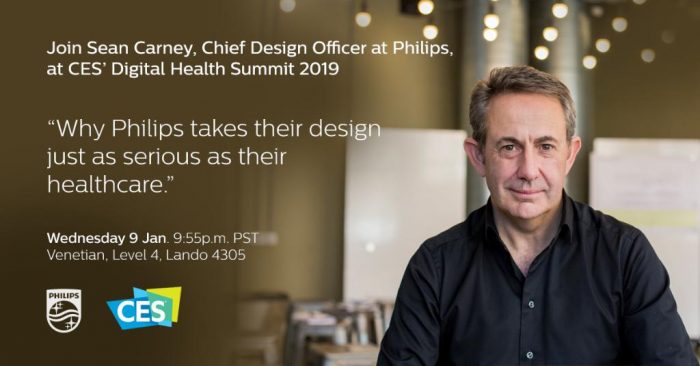
Have you heard the story about a boy born in Yorkshire, England, who studies art in Birmingham, finds his way to Finland to work with design maestro Alvar Aalto, and then crafts a printer that Steve Jobs loved? I have, at CES 2019, when I sat down with Sean Carney, Chief Designer at Philips. It’s well-known that Philips has been firmly focused on health and health care, covering both clinical/professional healthcare as well as personal health for self-care. What you may not know is that underpinning the company’s innovations is a major commitment to all aspects of design. Design is embedded
Calling Out Health Equity on Martin Luther King Day 2019
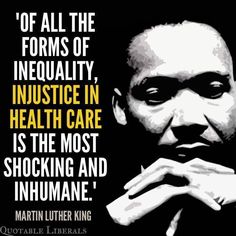
On this weekend as we appreciate the legacy of Martin Luther King, Jr., I post a photo of him in my hometown of Detroit in 1963, giving a preliminary version of the “I Have a Dream” speech he would deliver two months later in Washington, DC. Wisdom from the speech: “But now more than ever before, America is forced to grapple with this problem, for the shape of the world today does not afford us the luxury of an anemic democracy. The price that this nation must pay for the continued oppression and exploitation of the Negro or any other
In U.S. Health Care, It’s Still the Prices, Stupid – But Transparency and Consumer Behavior Aren’t Working As Planned
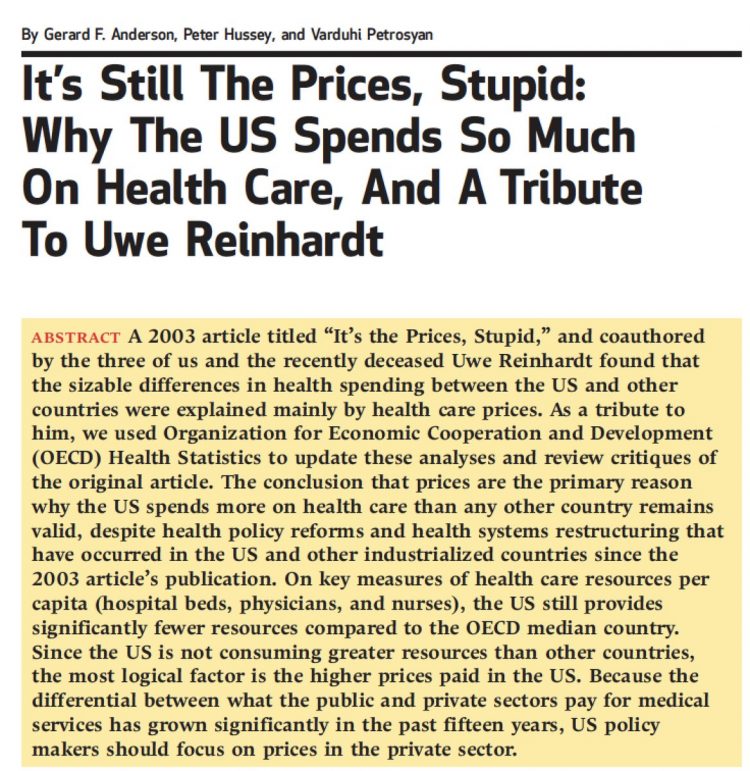
I’m glad to be getting back to health economic issues after spending the last couple of weeks firmly focused on consumers, digital health technologies and CES 2019. There’s a lot for me to address concerning health care costs based on news and research published over the past couple of weeks. We’ll start with the centerpiece that will provide the overall context for this post: that’s the ongoing research of Gerard Anderson and colleagues under the title, It’s Still The Prices, Stupid: Why The US Spends So Much On Health Care, And A Tribute To Uwe Reinhardt. It is bittersweet to
A Smarter Home for Healthy Living at CES 2019….and a nod to Microsoft
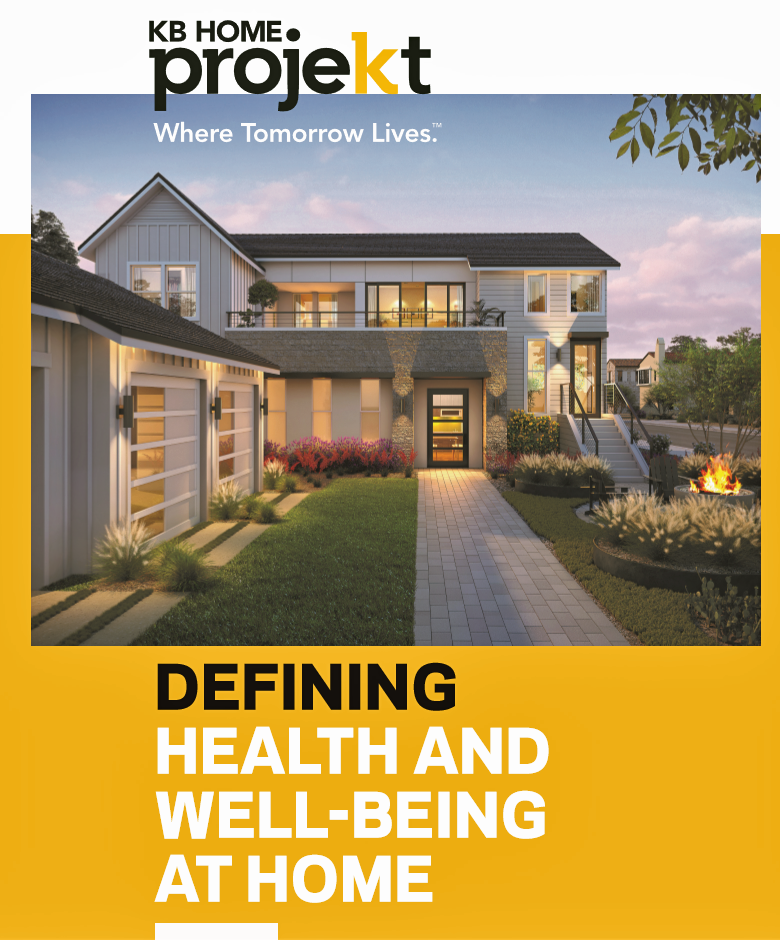
Health begins at home. I found evidence for that, beyond my own N of 1 understanding, in a research article published in the UK in 2000 by Lyn Harrison and Frances Heywood. Lyn and Frances tested three assumptions that they believed linked housing and health: that housing contributes to health; that housing is not routinely included in health or social planning;’ and that the potential contribution of primary care is wasted. Their conclusion: that the housing-health link was not receiving the recognition that connection needs. Nearly two decades later, that housing-health link still isn’t universally embraced by health care stakeholders. But
The Caveats for Health/Care at CES 2019
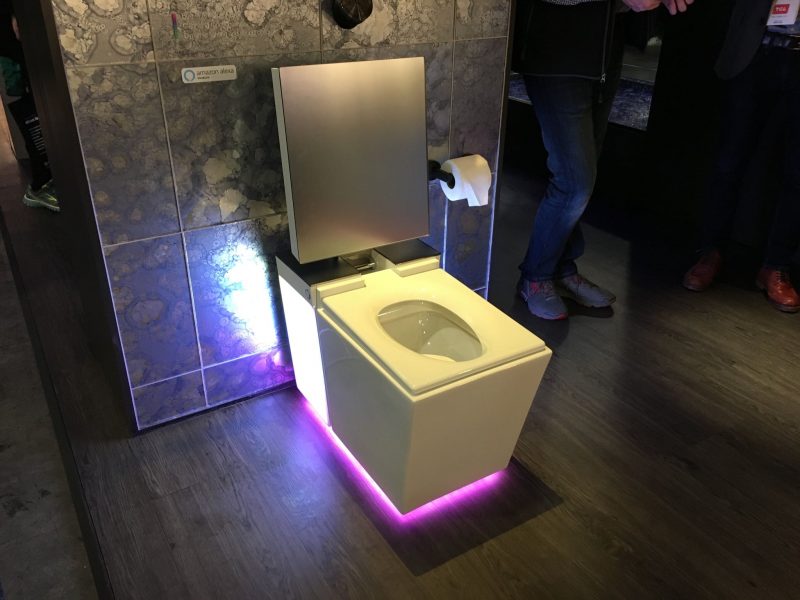
According to the Cambridge Dictionary, a “caveat” is, “a warning to consider something before doing anything more.” It is fitting that CES is held in Las Vegas, land of high risk and, with a lot of luck, reward. With that theme in mind, I depart LAS airport tonight on an aptly-named red-eye flight back home after spending an entire week here. I’m pondering not what I saw — some of which I covered daily over the past week — but what I didn’t see. Consider these the caveats for health/care at #CES2019. In no particular order… Where was the Chairman of
It’s Not All About Pink for Women’s Tech at CES 2019
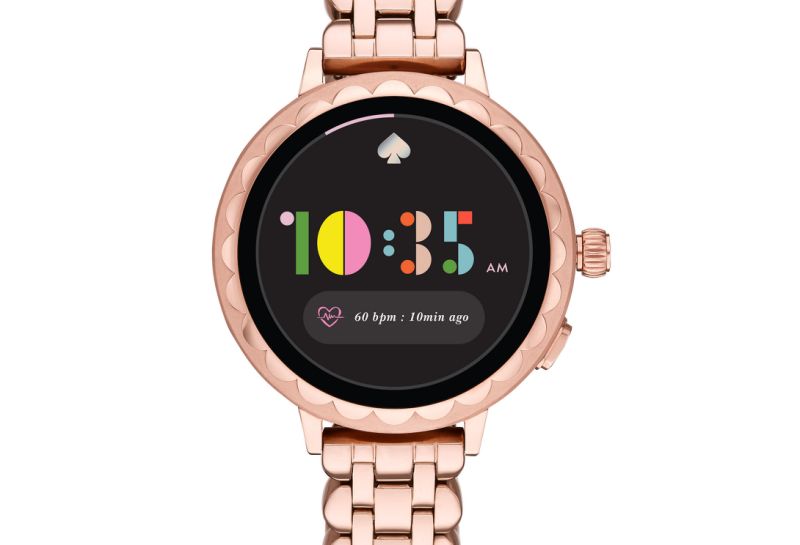
This is not a watch. Well, not just a watch. It can track heart rate. And it’s not even pink. Well, rose gold, perhaps. One of the benefits about being a woman attending CES is that there are no lines in the loos. The men’s rooms, however, are, shall we say, over-subscribed due to the big disparity between the number of male attendees versus females. Clearly, women are under-represented in technology companies at all levels, as the ladies’ room observation and many other more statistical reports recognize. But I’ve good news to report on the product front about women-focused consumer
The Consumer as Payor – Retail Health at CES 2019
All health/care is retail now in America. I say this as most people in the U.S. who have health insurance must take on a deductible of some amount, which compels that insured individual to spend the first dollar on medical services up until they meet their financial commitment. At that point, health insurance kicks in, and then the insured may have to spend additional funds on co-payments for general medicines and services, and coinsurance for specialty drugs like injectables and high-cost new therapies. The patient is a consumer is a payor, I asserted today during my talk on the expanding
Shelly Palmer De-Hypes CES 2019 & Has Lessons for Health/Care
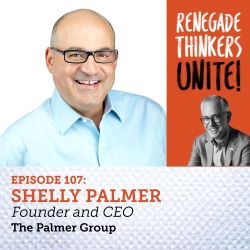
I had the pleasure once again of attending Shelly Palmer’s annual kick-off breakfast where he level-sets our expectations for CES two hours before the tech halls open. Shelly is a consumer tech expert and leads the Palmer Group; comments on Fox 5 in NYC, CNN, and CNBC; writes a weekly column in Advertising Age; composes music; and he’s a Renaissance Man who’s a generous sharer of knowledge with a great sense of humor and humanity. Shelly is one of my trusted touchpoints for all-things-consumer-tech. His message at the start of #CES2019: this year, the show is about connectivity and partnership.
Heart Health at #CES2019 – Food and Tech as Medicine
Self-care is the new health care as patients, now consumers at greater financial risk for medical spending, are learning. At #CES2019, I’m on the lookout for digital technologies that can help people adopt and sustain healthy behaviors that can help consumers save money on medical care and enhance quality of life-years. This week’s heart-and-food tech announcements at #CES2019 coincide with an FDA recall on a popular drug prescribed to treat hypertension (high blood pressure). Using food and tech as medicine can help people avoid going on medications like statins and others for heart health. An important example of this self-care
What #CES2019 5 Tech Trends to Watch Mean for Health/Care

As #CES2019 kicks off in Las Vegas with today’s first Media Day, the Consumer Technology Association presented its forecast on the 5 Technology Trends to Watch in 2019 — and they all play into health, wellness, and medical care. The five trends are: Artificial Intelligence on the Rise Envisioning the Smart Home of the Future Digital Health Tech Empowers Patients Esports and Sports Technology, and Smart Cities Promote Resilience. Here are how these five mega-trends can bolster our health and healthcare products and services over the next decade. AI is indeed on-the-rise in healthcare: as I have begun planning my agenda for
Here’s Looking at Health at CES 2019
If I’m going to spend a week someplace, it usually has to be Italy. So next week in Las Vegas, I’ll deal with that bias by staying at the Venetian Hotel for the entire week to cover all-things-health at CES 2019, the annual convening of electronics retailers and enthusiasts. Most of the 180,000+ folks come to Vegas from over 150 countries to kick the proverbial tires on TVs, autos, games, virtual reality, 3-D printing, drones, and other shiny new things. For me, for the past eight years, CES means consumer-facing health in a person’s hands, on her phone, and increasingly
Nurses are the most trusted profession in America, followed by doctors and pharmacists

Nurses rank top in Americans’ minds for the seventeenth year-in-a-row, Gallup found in its annual survey of honesty and ethics in professions. At the bottom of the list for honesty and ethics in 2018, Gallup points to U.S. Congressional representatives, “Mad Men” and Women of advertising, telemarketers, and folks who sell autos. Congress-folk and car salespeople have ranked at the low-trust bottom for many years in this Gallup poll. While the 3 health care professions rose once again to the top of the job-trust roster, nurses rank far greater than doctors and pharmacists by a 17-point margin of consumers rating the
Costs, Consumerism, Cyber and Care, Everywhere – The 2019 Health Populi TrendCast

Today is Boxing Day and St. Stephens Day for people who celebrate Christmas, so I share this post as a holiday gift with well-wishes for you and those you love. The tea leaves have been brewing here at THINK-Health as we prepared our 2019 forecast at the convergence of consumers, health, and technology. Here’s our trend-weaving of 4 C’s for 2019: costs, consumerism, cyber and care, everywhere… Health care costs will continue to be a mainstream pocketbook issue for patients and caregivers, with consequences for payors, suppliers and ultimately, policymakers. Legislators inside the DC Beltway will be challenged by the
Blood Pressure From the Wrist for the First Time – Welcome, Omron HeartGuide
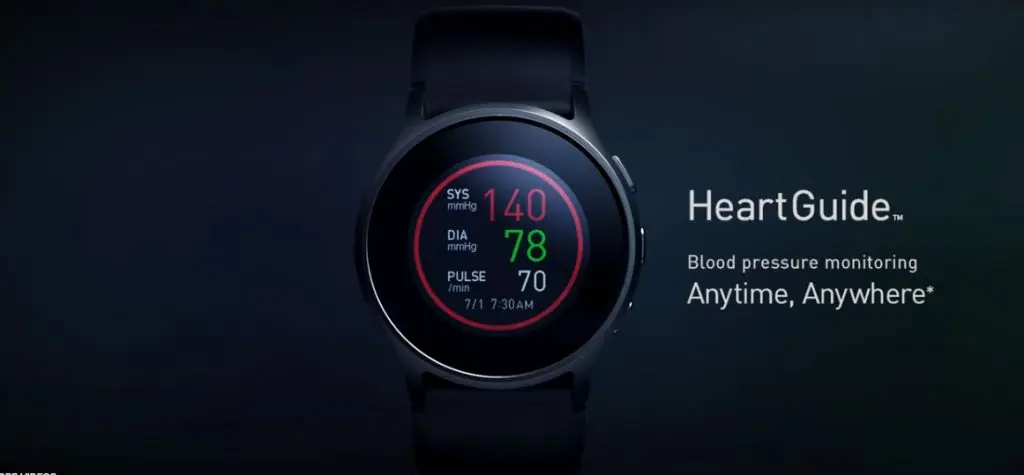
For the first time, we can take a clinically accurate blood pressure measurement from our wrist — welcome to the first of its kind wrist-worn blood pressure monitor, HeartGuide, brought to market by Omron. I know this journey has been a long, patient one, as I came to know Ranndy Kellogg, Omron’s President and CEO, several years ago at CES. Back in 2017, I spoke with Ranndy about the vision for BP measurement for Everyday People that would be a streamlined, simple consumer experience that the traditional armband and pump didn’t offer. I wrote about
Rationing Care in America: Cost Implications Getting to Universal Health Coverage

It would not be surprising to know that when the Great Recession hit the U.S. in 2008, one in three Americans delayed medical treatment due to costs. Ten years later, as media headlines and the President boast an improved American economy, the same proportion of people are self-rationing healthcare due to cost. That percentage of people who delay medical cost based on the expense has remained stable since 2006: between 29 and 31 percent of Americans have self-rationed care due to cost for over a decade. And, 19% of U.S. adults, roughly one-in-five people who are sick and dealing with
Americans End 2018 Worried About Healthcare Costs

Nearly one-half of Americans are quite concerned they won’t have enough money to pay for medical care, according to the latest Gallup poll. Health insurance in-security is mainstream as of November 2018, when Gallup polled U.S. adults about views on healthcare costs. It’s a major concern among six in ten people that their health plan would require they pay higher premiums or a bigger portion of their healthcare expenses. It’s also a big concern for four in ten people that someone in their family would be denied health insurance covering for a pre-existing condition, or that they might have to
 I'm grateful to be part of the Duke Corporate Education faculty, sharing perspectives on the future of health care with health and life science companies. Once again, I'll be brainstorming the future of health care with a cohort of executives working in a global health care enterprise.
 Jane joined host Dr. Geeta "Dr. G" Nayyar and colleagues to brainstorm the value of vaccines for public and individual health in this challenging environment for health literacy, health politics, and health citizen grievance. Click onto the Pfizer Value of Vaccines site and you can watch four episodes covering the challenges with adult vaccination, the employer and health plan member's journey to vaccination, reimbursement, and collaborating for proactive prevention.
 Jane will be working with EU- and UK-based clients in September and October 2026, collaborating with stakeholders in digital health, public/community health, retail health, and growing opportunities for health-at-home. Stay tuned to her updates here on Health Populi on-the-ground as she lives the digital nomadic work-life in Italy, Belgium, the Netherlands, and in London.