


Nurses Continue to Rule in Honesty and Ethics in U.S. Professions – Healthcare Professions Still Top Gallup’s Annual Poll
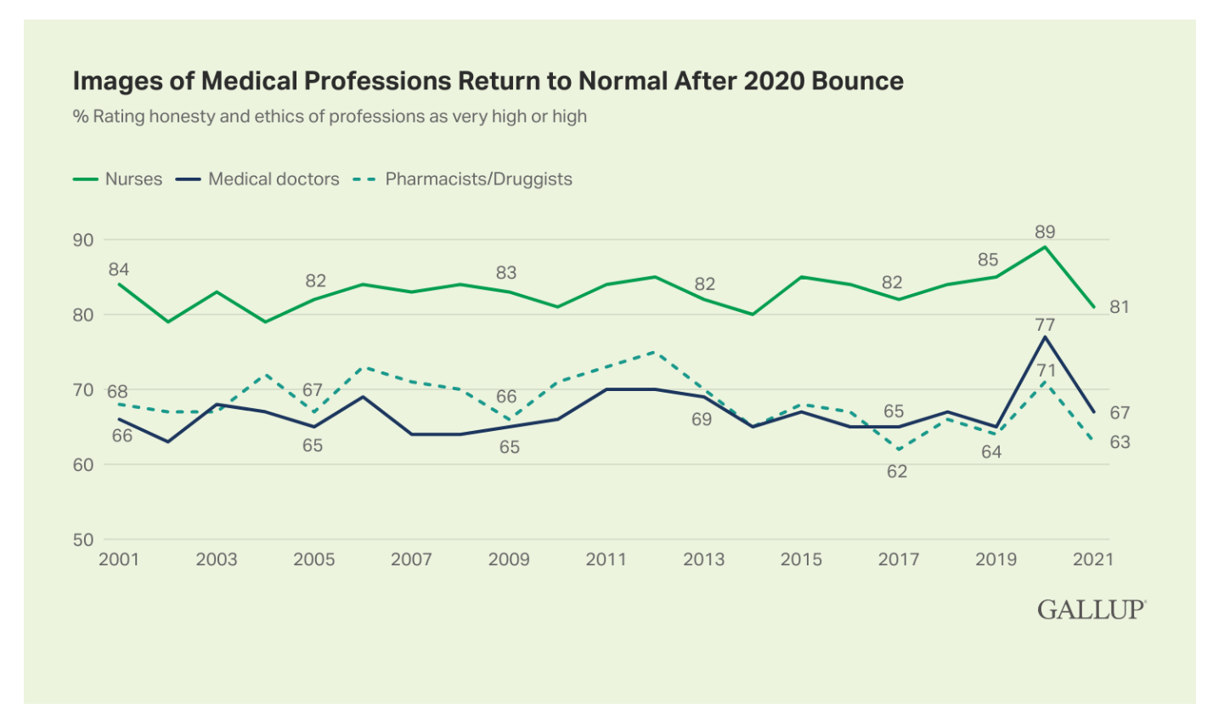
Three health care professions rank in the top four of the most honest and ethical rankings in Gallup’s annual poll on honesty and ethics in professions. And nurses are at the top of the list for the 20th year in a row. Grade-school teachers ranked third place between physicians and pharmacists, shown in the big chart of job types from most ethical to least. Perennially, the bottom-ranked posts are a mix of politicians (Members of Congress and lobbyists, state office holders), car salespeople, and the Mad Men and Women of advertising. Media professionals in TV and newspapers also polled relatively
The CES 2022 Tech Trends to Watch Have Everything To Do With Health/Care
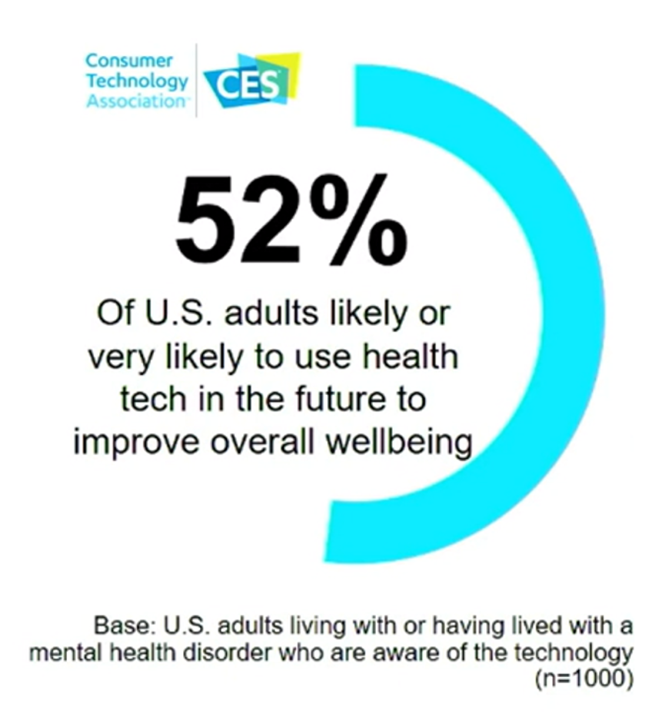
The four top trends to watch for this week at CES 2022 are transportation, space tech, sustainable technology, and digital health, based on Steve Koenig’s annual read-out that kicks off this largest annual conference featuring innovations in consumer electronics. Last night, Steve discussed these trends for media attendees, of which I am one (gratefully) participating in #CES2022 virtually from the hygienic comfort and safety of my home health hub (more on that later in this post). All four of these mega-themes impact health and well-being in some way. “Space Tech?” you might wonder. Yes. My friend Dorit Donoviel can be
Mental Health at CES 2022 – The Consumer’s Context for Wellbeing in the New Year
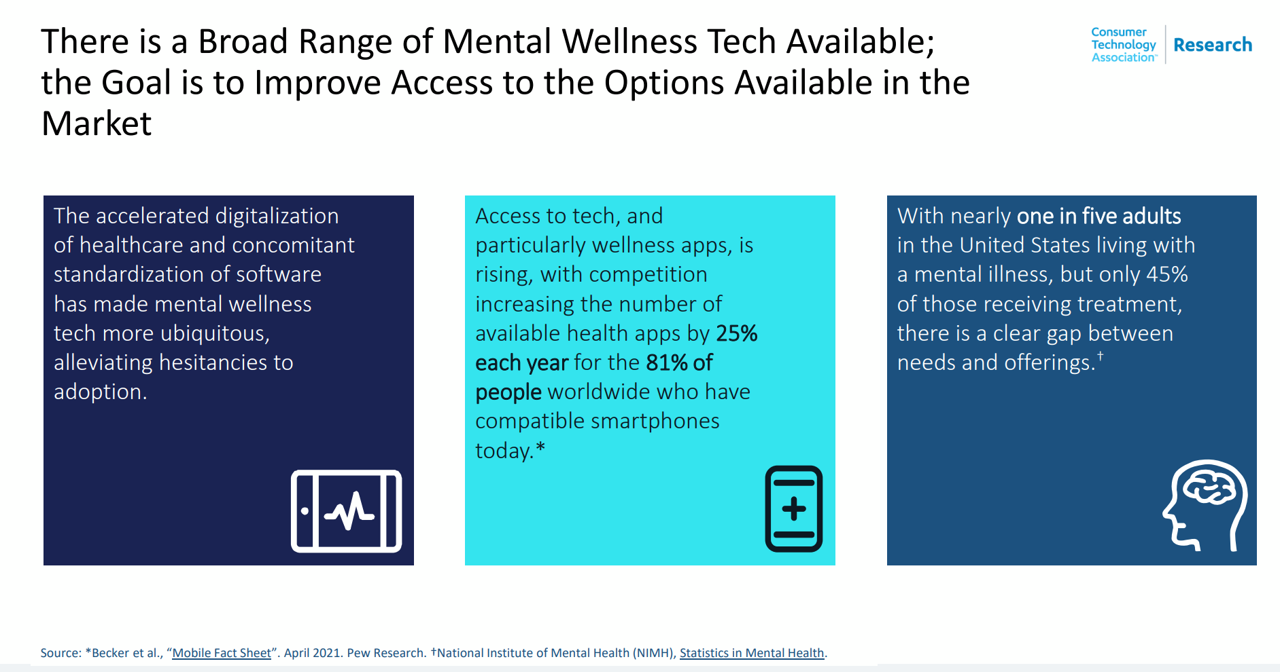
As we enter COVID-19’s “junior year,” one unifying experience shared by most humans are feelings of pandemic fatigue: anxiety, grief, burnout, which together diminish our mental health. There are many signposts pointing to the various flavors of mental and behavioral health challenges, from younger peoples’ greater risk of depression and suicide ideation to increased deaths of despair due to overdose among middle-aged people. And about one-in-three Americans has made a 2022 New Year’s resolution involving some aspect of mental health, the American Psychiatric Association noted approaching the 2021 winter holiday season. Underneath this overall statistic are important differences across various
Health Care Planning for 2022 – Start with a Pandemic, Then Pivot to Health and Happiness
One of my favorite Dr. Seuss characters is the narrator featured in the book, I Had Trouble In Getting to Solla-Sollew. I frequently use this book when conducting futures and scenario planning sessions with clients in health/care. “The story opens with our happy-go-lucky narrator taking a stroll through the Valley of Vung where nothing went wrong,” the Seussblog explains. Then one day, our hero (shown here on the right side of the picture from the book) is not paying attention to where he is walking….thus admitting, “And I learned there are troubles of more than one kind, some come from
Why #CES2022 Will Be Keynoted By A Health Care Innovator for the First Time

In October 2021, the Consumer Technology Association (CTA) announced that Robert Ford, CEO and President of Abbott, would give a keynote speech at CES 2022, the world’s largest annual convention of the technology industry. “This marks the first time in CES history that a healthcare company will take the mainstage for a keynote at the show,” CTA’s press release stated. I covered this announcement in the Health Populi blog at the time, and today want to double-down on the significance of Ford’s leading presence at #CES2022. When announced, the news was a signal that health care and the larger tech-enabled
“The Front Line Is Shrinking:” Nurses Re-Imagine Nursing at the #NurseHack4Health Hackathon
While nurses were in short supply before 2020, the coronavirus pandemic and stress on front-line health care workers exacerbated the shortage of nursing staff globally. This urgent call-to-action became the rallying cry and objective for this weekend’s #NurseHack4Health, “The Front Line Is Shrinking,” with the goal of building a sustainable workforce of the future. I’m grateful to the nurse leadership teams at Johnson & Johnson, Microsoft, and Sonsiel for inviting me to participate in another round of the #NurseHack4Health hackathon pitches over the past weekend. This year inspired nearly 800 registrants from at least 48 countries to convene via Microsoft
Why CrossFit and 23andMe Are Moving from Health to Primary Care
As we see the medical and acute care sector moving toward health and wellness, there’s a sort of equal and opposite reaction moving from the other end of the continuum of health/care: that is, wellness and fitness companies blurring into health care. Let’s start with the news about CrossFit and 23andMe, then synthesize some key market forces that will help us anticipate more ecosystem change for 2022 and beyond. CrossFit announced the company’s launch of CrossFit Precision Care, described as primary care that provides personalized, data-driven services for “lifelong health,” according to the press release for the program. The service
Still Struggling with Stress in America in 2021
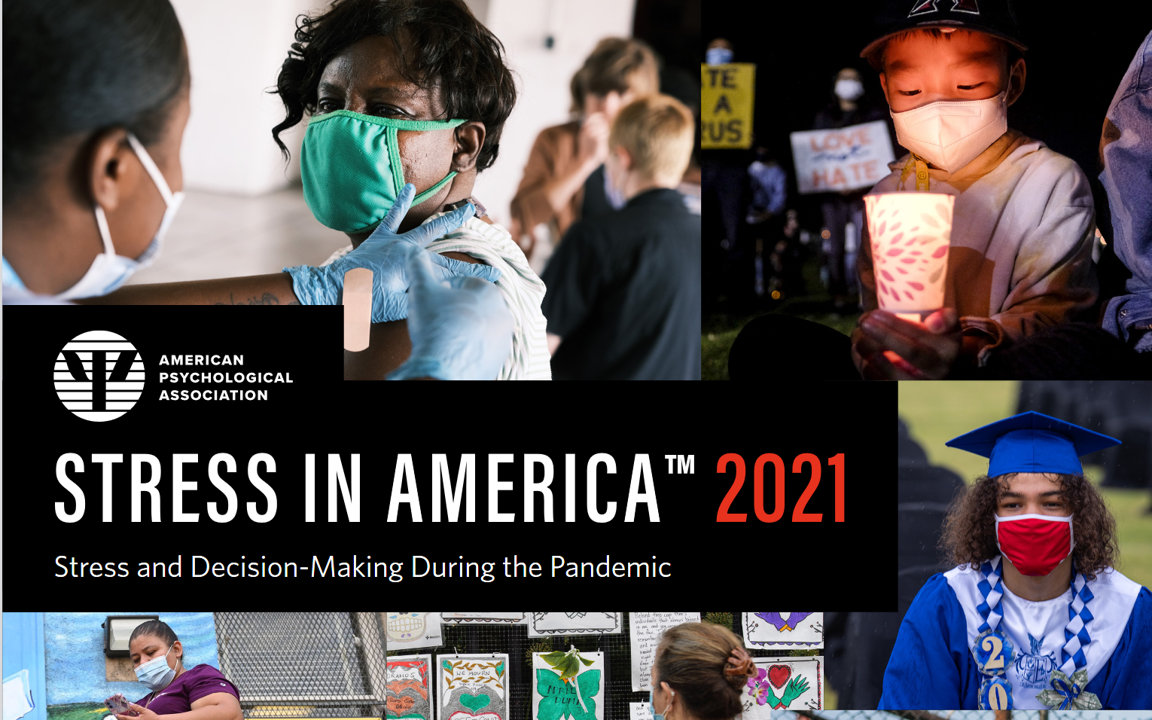
“Americans remain in limbo between lives once lived and whatever the post-pandemic future holds,” the American Psychological Association observes in their latest read into Stress in America 2021, with this phase of the perennial study focused on Stress and Decision-Making During the Pandemic. The top-line: people face a daily web of risk assessment, up-ended routines, and endless news about the coronavirus locally and globally. While most people in the U.S. believe that “everything will work out” after the pandemic ends, the mental, emotional, and logistical daily distance between “now” and “then” brings uncertainty and indeed, prolonged stress. More Millennials, who
The Biggest Threat to Our Health Isn’t the Next Pandemic or Cancer…It’s Climate Change
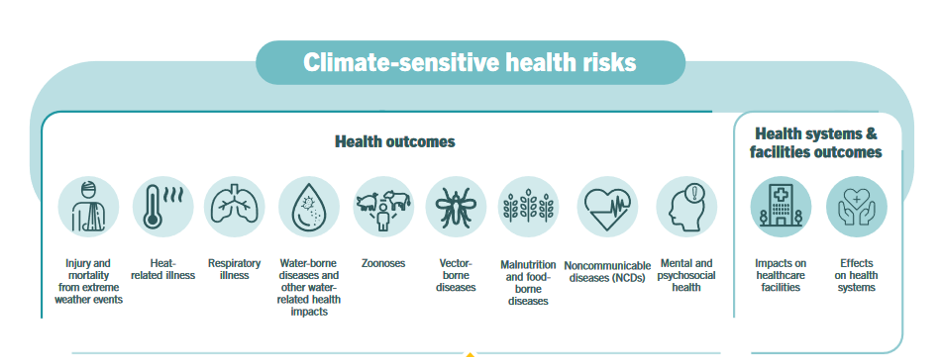
Before the coronavirus emerged, the top causes of death in developed countries were heart disease, cancers, diabetes, and accidents. Then COVID-19 joined the top-10 list of killers in the U.S. and the issue of pandemic preparedness for the next “Disease X” became part of global public health planning. But the biggest health threat to human life is climate change, according to a new report from the World Health Organization titled The Health Argument for Climate Action. It’s WHO’s special report on climate change and health, dedicated to the memory of Ella Kissi-Debrah — a child who died succumbing to impacts
Consider Mental Health Equity on World Mental Health Day
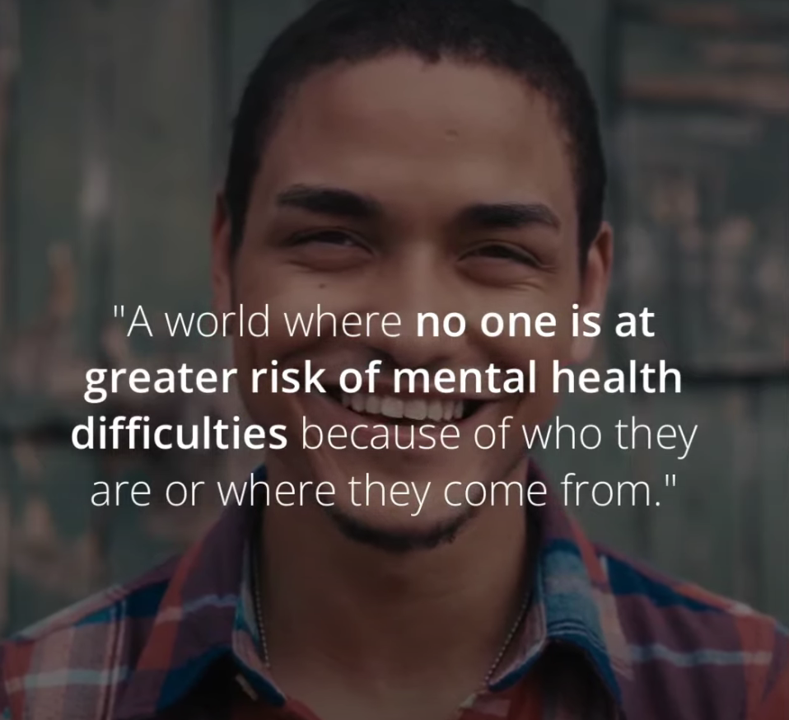
COVID-19 exacted a toll on health citizens’ mental health, worsening a public health challenge that was already acute before the pandemic. It’s World Mental Health Day, an event marked by global and local stakeholders across the mental health ecosystem. On the global front, the World Health Organization (WHO) describes the universal phenomenon and burden of mental health on the Earth’s people… Nearly 1 billion people have a mental disorder Depression is a leading cause of disability worldwide, impacting about 5% of the world’s population People with severe mental disorders like schizophrenia tend to die as much as 20 years earlier
Clinician Burnout in the Age of COVID
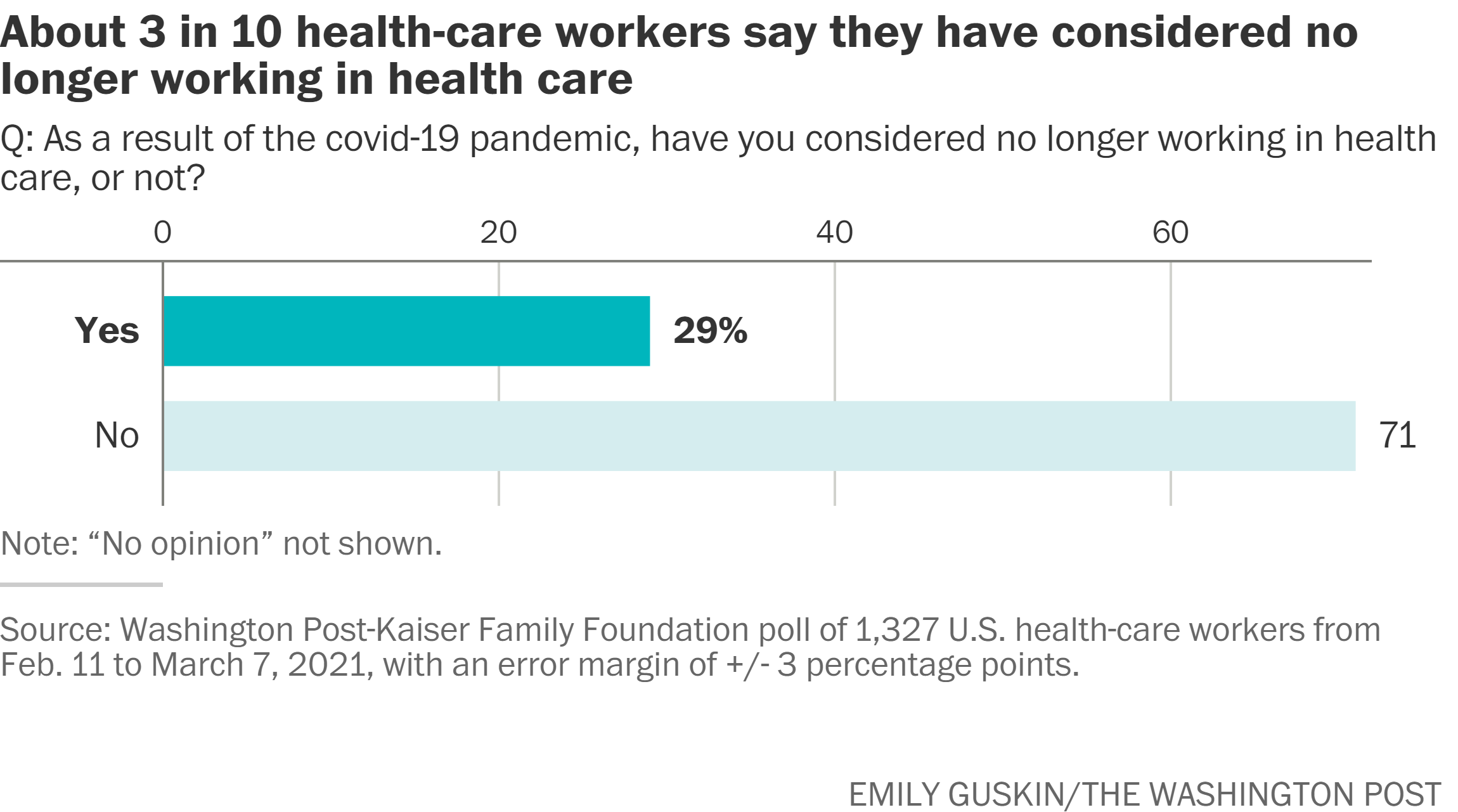
My latest essay for Medecision’s Liberation site digs into the sobering statistics on clinical burnout across the medical professions. From doctors to nurses, physician assistants and other licensed allied health human capital, our health care providers are in a world of hurt. This was initiated with the emergence of the COVID-19 pandemic. But the public health crisis, Delta variant, and lack of universal precautions adopted by U.S. health citizens have exacerbated an already-challenging scenario for individual clinicians and the organizations with whom they work and collaborate. But there’s an even bigger picture, and that’s the risk clinician burnout in its
New Primary Care, Retail and Tech Entrants Motivating Hospitals to Grow Consumer Chops
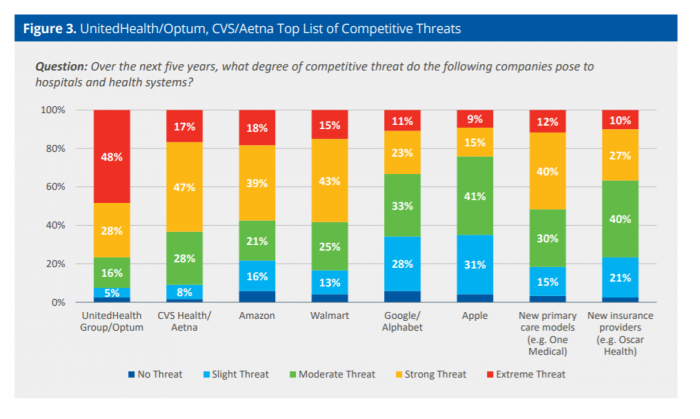
Rising costs, generational shifts, digital transformation, and fast-growing investments in new health care models and technologies are forcing change in the legacy health care, noted in the State of Consumerism in Healthcare 2021: Regaining Momentum, from Kaufman, Hall & Associates. As the title of Kaufman Hall’s sixth annual report suggests, health care consumers are evolving — even if the traditional healthcare system hasn’t uniformly responded in lock step with more demanding patients. Kaufman Hall analyzed 100 health care organizations in this year’s consumerism survey to assess their readiness to embrace consumer-centric strategies, understand how the industry prioritizes these approaches, evaluate
Nurses and Aides Are Beloved and Deserve Higher Pay; and a Spotlight on the Filipinx Frontline
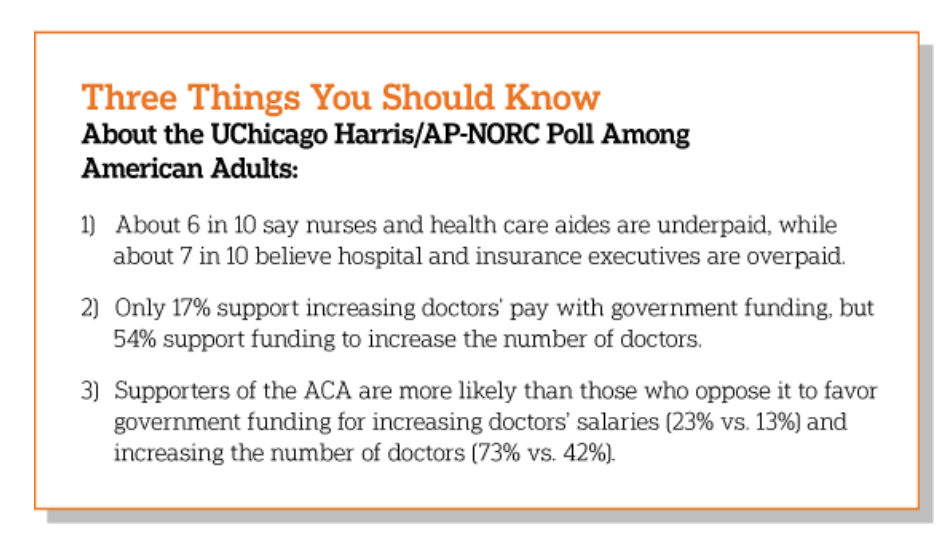
A majority of Democrats, Independents, and Republicans agree that nurses are underpaid. Most Americans across political parties also believe that hospital executives are overpaid, according to a poll from The Associated Press-NORC Center for Public Affairs Research. The survey analysis is aptly titled, Most Americans Agree That Nurses and Aides Are Underpaid, While Few Support Using Federal Dollars to Increase Pay for Doctors, . Insurance executives are also overpaid, according to 73% of Americans — an even higher percent of people than the 68% saying hospital execs make too much money. In addition to nurses being underpaid, 6 in 10
What Poor Birth and Maternity Outcomes in the U.S. Say About American Healthcare & “Infrastructure”
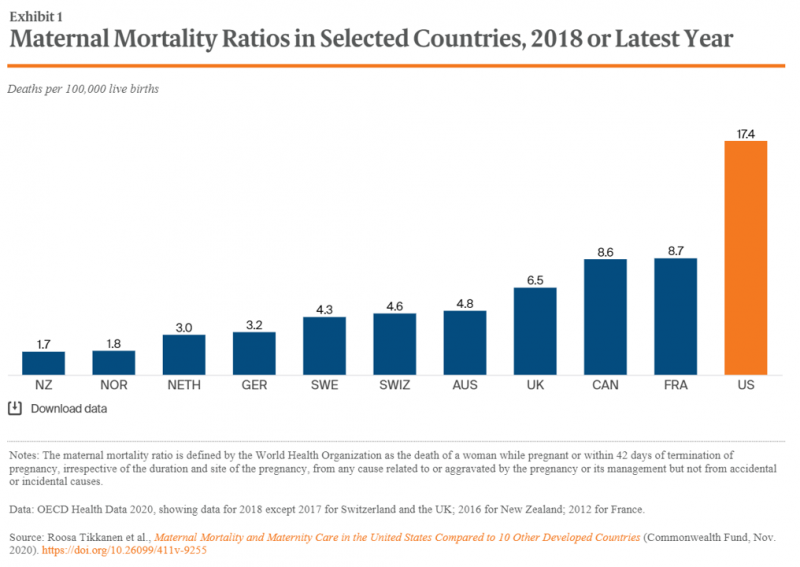
Cain Brothers is a 100+ year old financial services firm with a strong health care experience, now part of KeyBanc. A recent “House Calls” memo and podcast from two company analysts detailed the state of Medicaid, Motherhood and America’s Future: Giving Birth to Better Maternity Outcomes. Christian Pesci and David Johnson’s in-depth discussion detailed their bottom-line that, “maternity care in the U.S. is in crisis but poised for rapid evolution…(recognizing) that an uncoordinated system with misaligned incentives harms too many individuals, families, and communities.” They lay out the crisis as follows: Medicaid funds nearly one-half of births in the U.S.
Dollar General, the Latest Retail Health Destination?
“What if…healthcare happened where we live, work, play, pray and shop, delivering the highest levels of retail experience?” I asked and answered in my book HealthConsuming: From Health Consumer to Health Citizen. The chapter called “The new retail health” began with that “what if,” and much of the book responded with the explanation of patients evolving toward health consumers and, ultimately, health citizens empowered and owning their health and care. This week, Dollar General announced the hiring of its first Chief Medical Officer, Dr. Albert Wu. With that announcement, America’s largest dollar-store chain makes clear its ambitions to join a
The Many Factors That Make a Child’s Well-Being Build Our Adult Health – the Aspirational OECD Framework
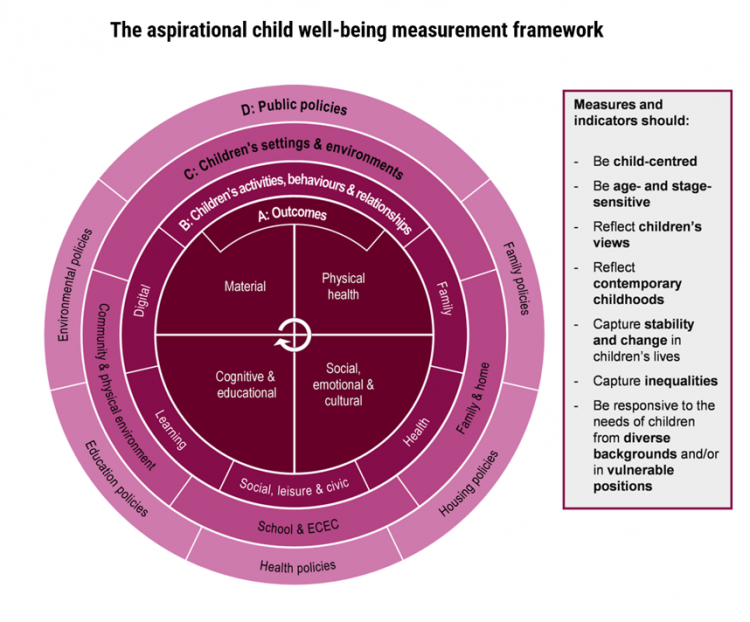
The ultimate health and wellbeing of an adult depends on the factors that shape us when we are children. A new, deep report from the OECD, Measuring What Matters for Child Well-being and Policies, spells out the many domains of experience that, together, bolster our whole health as we grow from child to adult. The first chart presents the OECD’s framework for measuring child well-being, calling out the nature of being “aspirational.” This re-look at children’s health data is aspirational because it is laying out how to best measure child well-being to set the bar higher for doing so. It addresses
Digital Inclusion As Upstream Health Investment
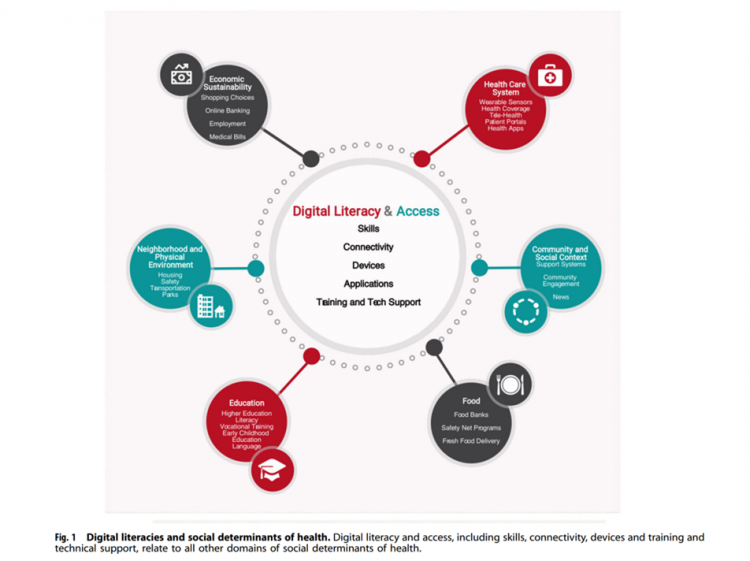
Without access to connectivity during the pandemic, too many people could not work for their living, attend school and learn, connect with loved ones, or get health care. The COVID-19 era has shined a bright light on what some of us have been saying since the advent of the Internet’s emergence in health care: that digital literacies and connectivity are “super social determinants of health” because they underpin other social determinants of health, discussed in Digital inclusion as a social determinant of health, published in Nature’s npj Digital Medicine. On the downside, lack of access to digital tools and literacies
The Healthiest Communities in the U.S. After the Pandemic – U.S. News & Aetna Foundation’s Post-COVID Lists
Some of America’s least-healthy communities are also those that index greater for vaccine hesitancy and other risks for well-being, found in U.S. News & World Report’s 2021 Healthiest Communities Rankings. U.S. News collaborated with the Aetna Foundation, CVS Health’s philanthropic arm, in this fourth annual list of the top geographies for well-being in the U.S. Six of the top ten healthiest towns in America are located in the state of Colorado. But #1 belongs to Los Alamos County, New Mexico, which also ranked first in ___. Beyond Colorado and New Mexico, we find that Virginia fared well for health in
Reimagining Life After the Pandemic – Seeking Health, Safety, Sustainability, and Trust
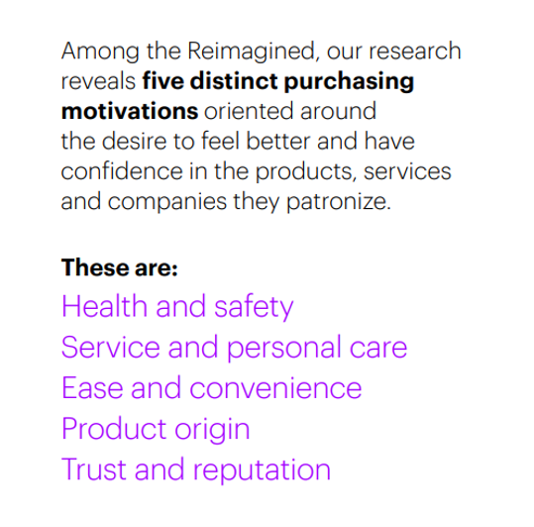
COVID-19 reshaped people around the world, one-half of whom are re-defining their personal purpose and life-goals. This sense of purpose extends to peoples’ willingness to buy or patronize companies who do not meet their needs for health, safety, sustainability and trust. For example, two in three of these people would switch travel brands if they felt health and safety weren’t up to par, discovered in Life Reimagined – Mapping the motivations that matter for today’s consumers, from Accenture’s Voices of Change series. In May 2021, Accenture polled over 25,000 consumers globally, in 22 countries, and found that one-half of people
5.5 Million Years of Life Will Be Lost Due to COVID-19 in the U.S. in 2020
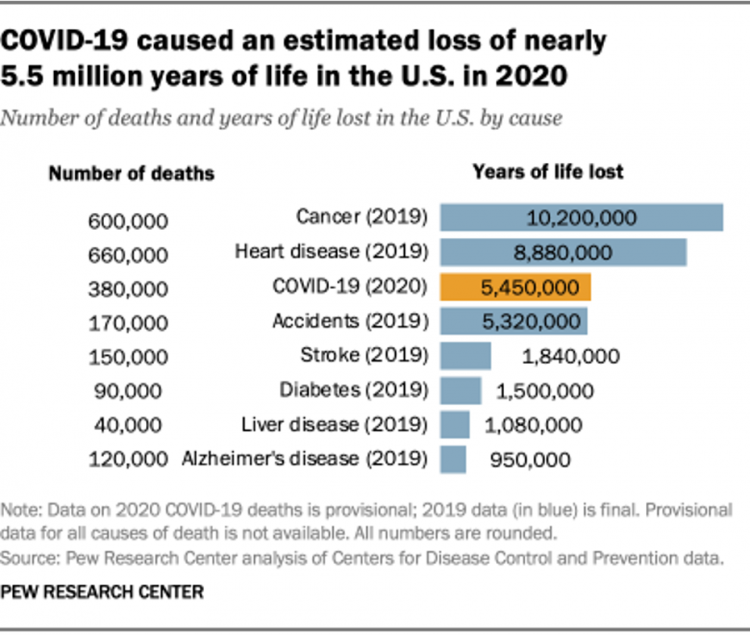
In 2020 in the U.S., 380,000 people are expected to die due to COVID-19. These people lost due to the coronavirus would, collectively, have lived another 5.5 million life-years would they not have succumbed to the virus. COVID-19 has cut lives short relative to their life expectancy, calculated in an analysis by the Pew Research Center based on CDC data from 2019 and 2020, coupled with additional statistics on life expectancy by age and gender. The bottom-line from the Pew Research Center’s analysis, simply stated, is that, “The pandemic…has killed many Americans who otherwise might have expected to live for
The Stress of the Caregiver: The Most Over-Utilized, Unpaid Stakeholder in U.S. Healthcare
We’ve long know that “the patient” has been an under-utilized resource in the U.S. healthcare system since Dr. Charles Safran testified with that statement to Congress way back in 2004…an era where bipartisanship for health IT was a real thing. Today, with the insights of Alexandra Drane (Founder of ARCHANGELS) and Dr. Nirav Shah (of Stanford University), we know that caregivers are among the most over-utilized resources in the U.S. healthcare system — overused, over-stressed, under-paid, detailed n How Health Systems Can Care for Caregivers, published in the NEJM Catalyst July 2021 issue. In this study, Drane and Shah analyze
Healthcare, Heal Thyself! How the Industry Can and Should Play the Trust Card
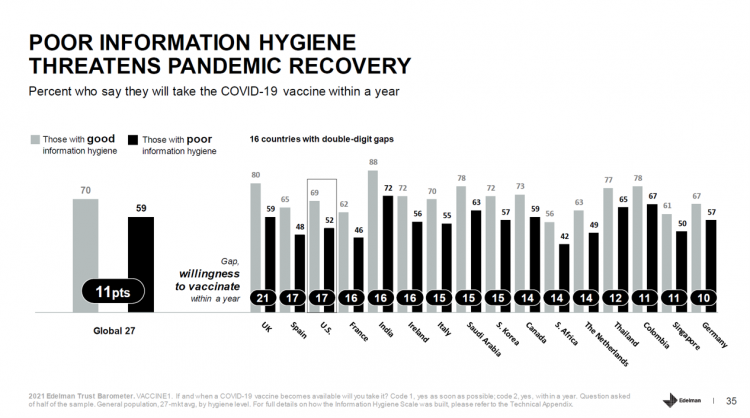
The emergence of the COVID-19 vaccine “infodemic” has slowed the ability for nations around the world to emerge out of the public health crisis. Growing cynicism among some health citizens facing the politicization of public health tactics like vaccines and facial masks is what we’re talking about. At the root is peoples’ lack of trust across a range of information providers, including government, media, business, and even peers. The 2021 Edelman Trust Barometer spotlighted the infodemic and eroding trust in the U.S. in the voices of public health, the public sector, and media. This is a global challenge as well,
Trust in Healthcare is Under Stress in the US and Globally, Edelman Finds
You’re stressed, I’m stressed; most of us have felt stress in the COVID-19 era which began in the U.S. in the first quarter of 2020. Nearly eighteen months later, a 2021 Edelman Trust Barometer update finds that consumers’ trust in the health care industry is under stress, too — in the U.S. and around the world. The first chart from the Edelman health care update demonstrates that in most countries polled, health citizens’ trust in health care was buoyed in the first five months of 2020 (January through May): up 18 points in the U.S., 14 points in Canada and
Americans’ Views on Food Have Been Re-Shaped by the Pandemic: Think Security, Immunity, and Sustainability
As vaccinations jabbed into peoples’ arms in the U.S. continue to immunize health citizens from contracting the coronavirus, millions of folks are looking forward to getting back inside restaurants to enjoy meals out, as well as un-masking when grocery shopping. But people in the U.S. love their food both outside and inside the home: about one-half of people in the U.S. are continuing to cook at home more, according to the 2021 Food & Health Survey published today by the International Food Information Council (IFIC). This sixteenth annual report is a go-to for those of us in the health/care ecosystem who
Thinking Mothers’ Health at Mother’s Day 2021…and the Marshall Plan for Moms
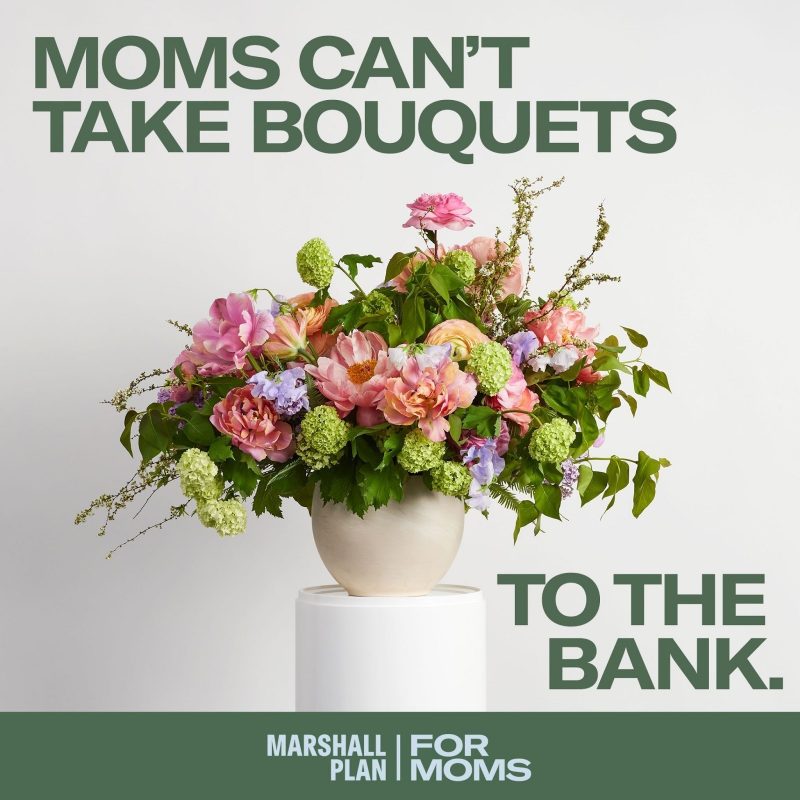
To all the Moms I’ve loved and lost and those I still blessed to have in my life…. I’m thinking about our collective and individual health this 2021 Mother’s Day weekend. There are three themes that whirl in the current Moms’ Health Mix: The impact of the COVID-19 pandemic on mothers’ health and life Mom-economics and the She-Cession — the financial roots of health inequity, and The larger context that is the persistence of women’s health disparities. First, the impact of the coronavirus and the economy have been intertwined, hitting women hard in terms of physical health, work, mental health
Health Disparities and the Risks of Social Determinants for COVID-19 – 14 Months of Evidence
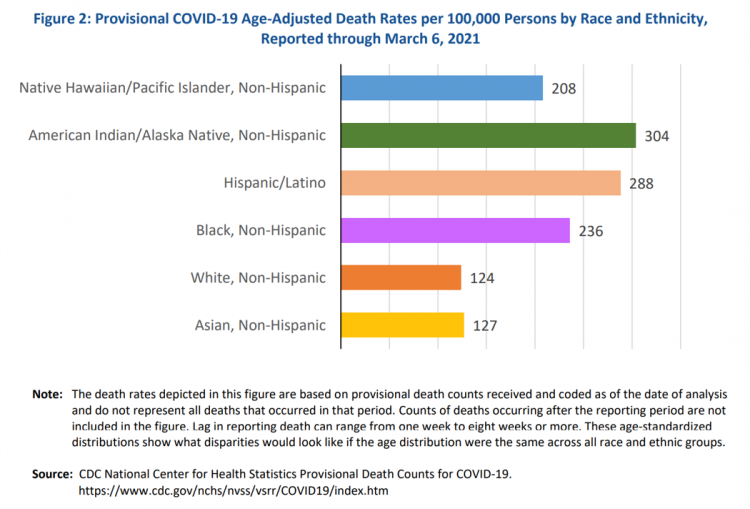
In April 2020, the U.S. Centers for Disease Control issued a report featuring evidence that in the month of March 2020, the coronavirus pandemic was not an equal-opportunity killer. Within just a couple of months of COVID-19 emerging in America, it became clear that health disparities were evident in outcomes due to complications from the coronavirus. An update from that early look at differences in COVID-19 diagnoses and mortality rates was published in Health Disparities by Race and Ethnicity During the COVID-19 Pandemic: Current Evidence and Policy Approaches, In this report, the Assistant Secretary for Planning and Evaluation, part of
Virtual Health Tech Enables the Continuum of Health from Hospital to Home
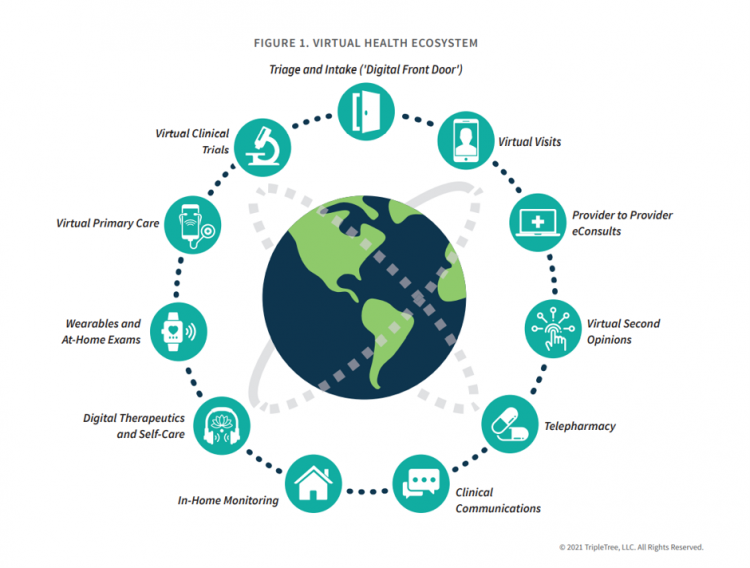
In the COVID-19 pandemic, as peoples’ daily lives shifted closer and closer to home, and for some weeks and months home-all-the-time, health care, too, moved beyond brick-and-mortar hospitals and doctors’ offices. The public health crisis accelerated “what’s next” for health care delivery, detailed in A New Era of Virtual Health, a report published by TripleTree. TripleTree is an investment bank that has advised health care transactions since 1997. As such, the team has been involved in digital health financing and innovation for 24 years, well before the kind of platforms, APIs, and cloud computing now enabling telehealth and care, everywhere. The
How Footwear Became Our Favorite Apparel Item in the Pandemic
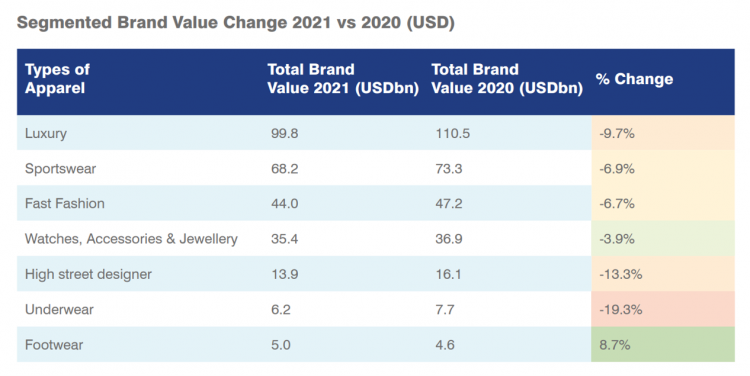
Our feet have become an important health focus during the pandemic, as the importance of exercise-as-medicine and mental health helper has looked to walking, running, and biking as good-for-us physical activities. The Mayo Clinic published an informative piece on Feet and the COVID-19 Pandemic, and the Cleveland Clinic posted advice on exercising during the pandemic earlier this month with the strong recommendation of walking. So it makes sense that the apparel category whose brand equity grew most between 2020 and 2021 was footwear, announced in the Brand Finance Apparel 50. Each year, Brand Finance evaluates the value of “brands,” as
The Pandemic’s Death Rate in the U.S.: High Per Capita Income, High Mortality
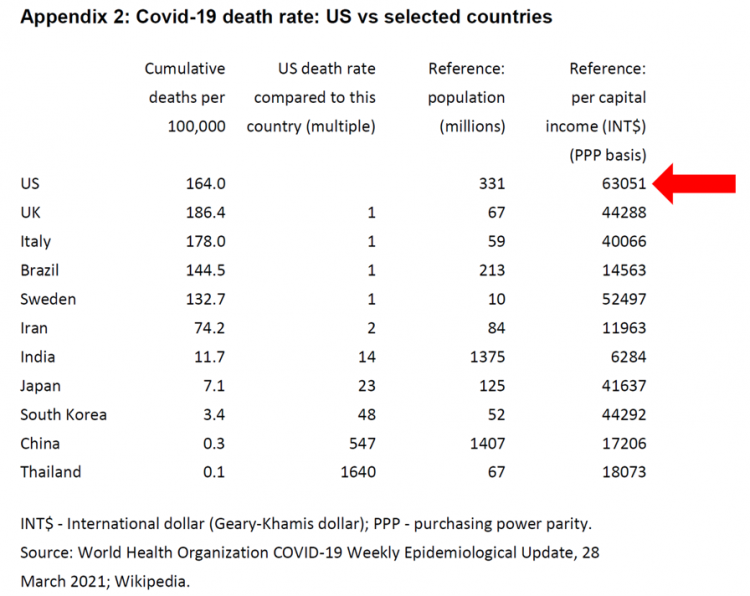
The United States has among the highest per capita incomes in the world. The U.S. also has sustained among the highest death rates per 100,000 people due to COVID-19, based on epidemiological data from the World Health Organization’s March 28, 2021, update. Higher incomes won’t prevent a person from death-by-coronavirus, but risks for the social determinants of health — exacerbated by income inequality — will and do. I have the good fortune of access to a study group paper shared by Paul Sheard, Research Fellow at the Mossaver-Rahmani Center for Business and Government at the Harvard Kennedy School. In reviewing
Emerging with A Stronger Healthcare System Post-COVID: NAM’s Lessons Learned
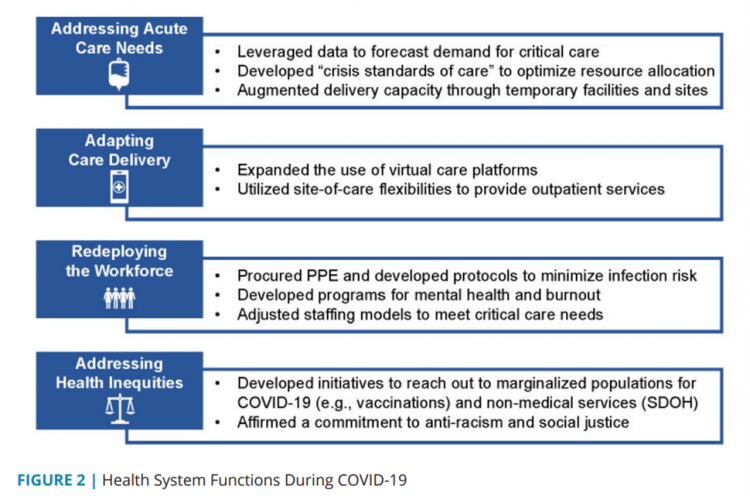
The coronavirus pandemic exposed weaknesses in the U.S. health care system that existed before the public health crisis. What lessons can be learned from the COVID-19 stress-test to build American health care back better? The National Academy of Medicine is publishing nine reports addressing health stakeholder segments impacted and re-shaped by COVID-19 — for public health, quality and safety, health care payers, clinicians, research, patients-families-communities, health product manufacturers, digital health, and care systems. The report on health care systems and providers was released this week: COVID-19 Impact Assessment: Lessons Learned and Compelling Needs was authored by experts on the front-line
How Fruits and Veg Can Make Health and Lower Costs – Calling Chef José Andrés to the White House
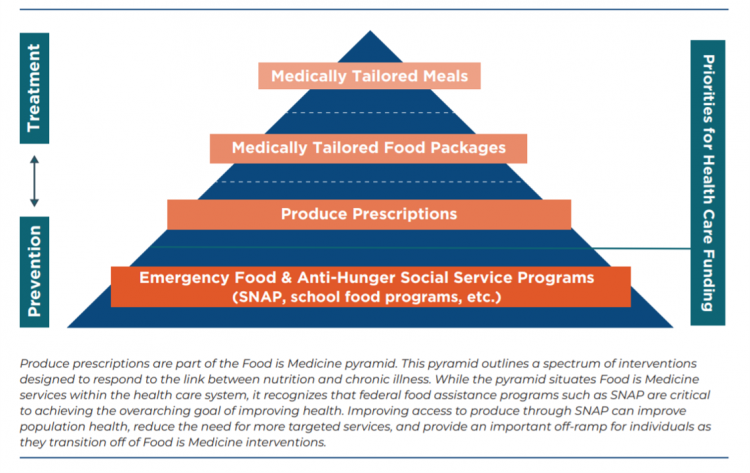
Springtime is finally emerging on the east coast of the U.S. and my local CSA farm is on my mind. It’s timely, then, to re-visit a research paper on subsidizing fruits and vegetables from a March 2019 issue of PLOS as an introduction to a new initiative growing out of The Center for Health Law and Policy Innovation of Harvard Law School (CHLPI) on produce prescriptions. Timely, too, that Chef José Andrés has been called to President Biden’s White House to help address food security in America. First, let’s look at the research in PLOS: Cost-effectiveness of financial incentives for
How Grocery and Retail Companies Are Delivering Health and Healthcare
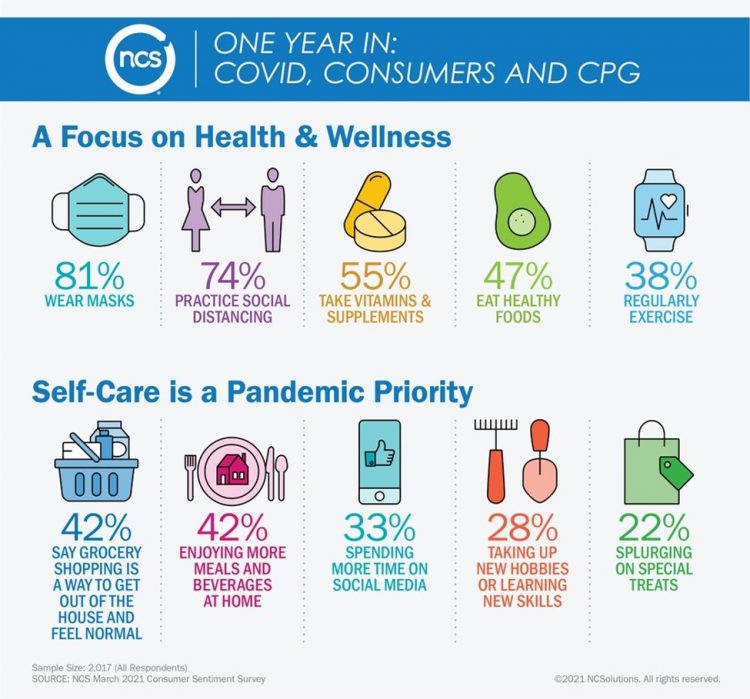
The Wall Street Journal featured the grocery chain Kroger in an article yesterday titled, COVID-19 Vaccinations, Tests Give Boost to Kroger’s Health Ambitions. “With 2,250 pharmacies and 220 clinics largely in the Midwest and the southern U.S., Kroger is the fourth-largest pharmacy operator by script count,” the Journal noted, adding details about Walmart, CVS Health, and Walgreens all fast-expanding their respective health care footprints. As more consumers view their homes as personal and safe health havens, there is no shortage of suppliers in the food, retail, and mobility sectors working fast to meet that demand for convenient and accessible services.
Stress in America, One Year into the Pandemic – an APA Update on Parents, Healthcare Workers, and Black Americans
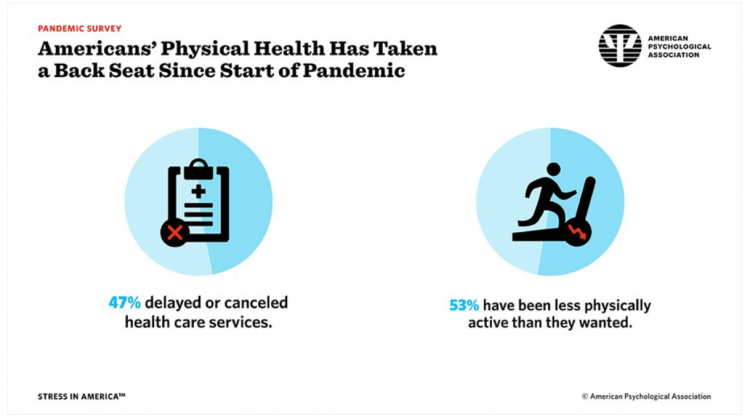
A Year into our collective coronavirus experience, Americans remain stressed, with physical health taking a back seat to our daily grinds based on the 2021 Stress in America survey from the American Psychological Association (APA). The APA has been updating us on U.S.-stress for several years, and more frequently since the start of the COVID-19 pandemic at the start of 2020. In their latest report, APA updates their previous profiles of Americans’ stress looking into different demographic groups and coping mechanisms. The topline, across all adults living in America, is that one-half have delayed or cancelled health care services. One-half has
How Young People Are Using Digital Tools to Help Deal with Mental Health
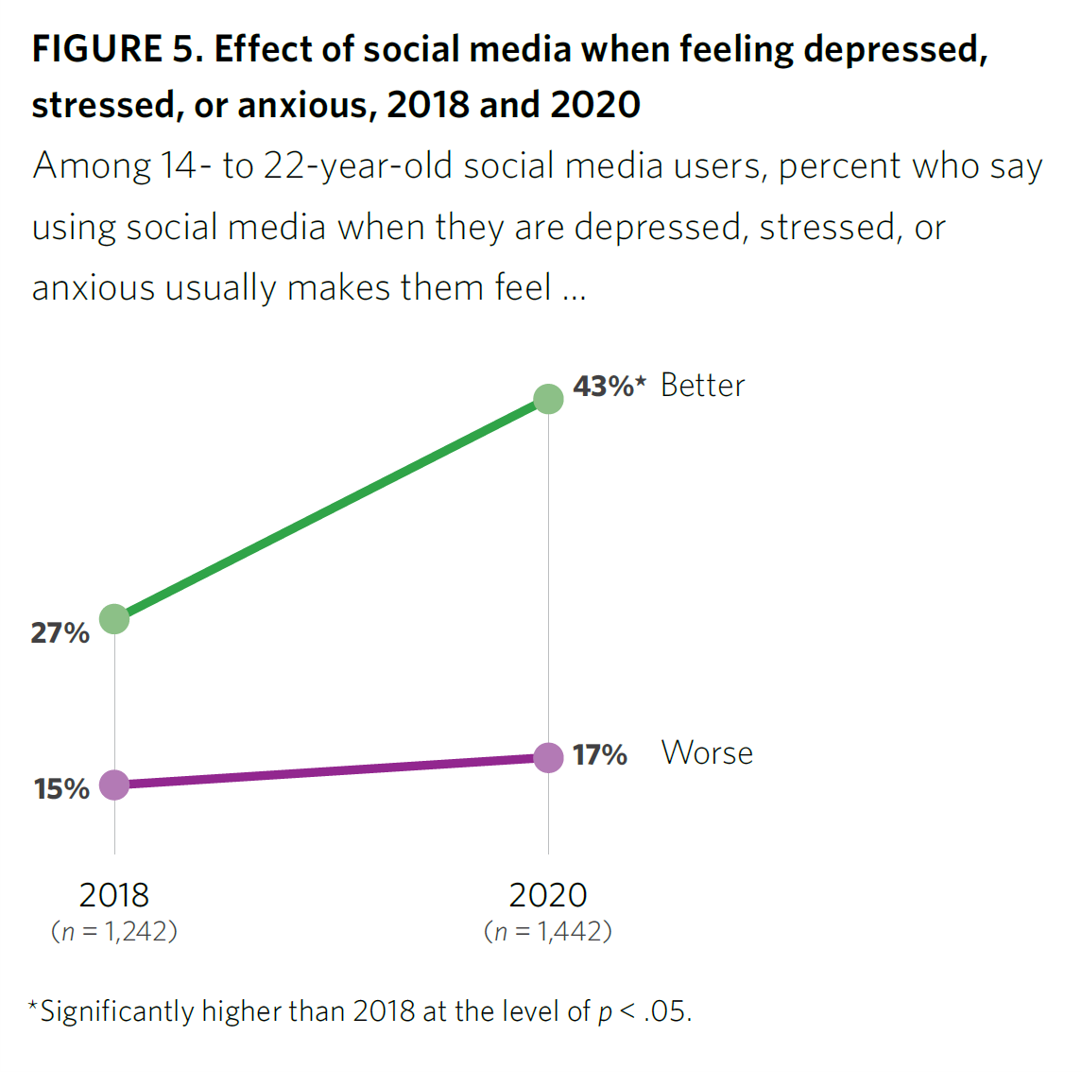
After a year of living with and “in” the coronavirus pandemic, younger people in the U.S. have had to deal with over twelve months of quarantine and lockdown, going to school remotely from home, and distancing from friends. For most young people, the public health crisis has been more about that social distancing from friends, a collective sense of isolation, and mental and behavioral health impacts. These dynamics and these young health citizens’ coping mechanisms are captured in the report, Coping with COVID-19: How Young People Use Digital Media to Manage Their Mental Health. Three organizations collaborated to conduct and
The Ongoing Reality of COVID-19 – My Conversation with Dr. Michael Osterholm at SXSW

“So close and yet so far” feels like the right phrase to use a year after the World Health Organization used the “P-word,” “pandemic,” to describe the coronavirus’s impact on public health, globally. One year and over 550,000 COVID-related deaths in the U.S. later, we face a New Reality that Dr. Michael Osterholm and I are brainstorming today at the 2021 South-by-Southwest Festival. Usually held live and very up-close-and-personally crowded in Austin, Texas, this year we are all virtual — including the film, music, and interactive festivals alike. While I regret to not be in the same room as Dr.
A BA Degree as Prescription for a Longer Life – Update on Deaths of Despair from Deaton and Case
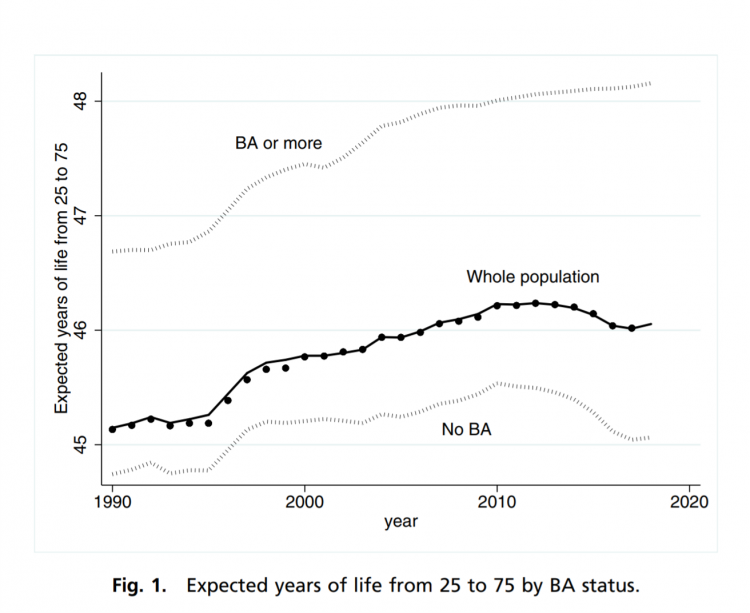
“Without a four-year college diploma, it is increasingly difficult to build a meaningful and successful life in the United States,” according to an essay in PNAS, Life expectancy in adulthood is falling for those without a BA degree, but as educational gaps have widened, racial gaps have narrowed by Anne Case and Angus Deaton. Case and Deaton have done extensive research on the phenomenon of Deaths of Despair, the growing epidemic of mortality among people due to accidents, drug overdoses, and suicide. Case and Deaton wrote the book on Deaths of Despair (detailed here in Health Populi), Case and Deaton
Value-Based Health Care Needs All Stakeholders at the Table – Especially the Patient

2021 is the 20th anniversary of the University of Michigan Center for Value-Based Insurance Design (V-BID). On March 10th, V-BID held its annual Summit, celebrating the Center’s 20 years of innovation and scholarship. The Center is led by Dr. Mark Fendrick, and has an active and innovative advisory board. [Note: I may be biased as a University of Michigan graduate of both the School of Public Health and Rackham School of Graduate Studies in Economics]. Some of the most important areas of the Center’s impact include initiatives addressing low-value care, waste in U.S. health care, patient assistance programs, Medicare
Ten Forces Shaping Health Care in 2021: A View from CVS Health
Expanding omni-channel, data-driven, cost-effective health care in the community, tailoring that care, and attending to mental health paint the picture of health through the lens of CVS Health. The company published the Health Trends Report 2021 today, calling out ten forces shaping health care this year. Those themes are, The Year of the Pharmacist The Next Step Forward in Cardiac Care Cancer Needs a Better Roadmap The EHR Hits Its Stride The Mental Health Shadow of COVID-19 Tailor Care to the Older Patient More Agents that Predict Disease Paying for the New Medical Miracle Virtual Care Goes Mainstream, and Diabetes
The Digital Transformation of Patients – Update from Rock Health and Stanford
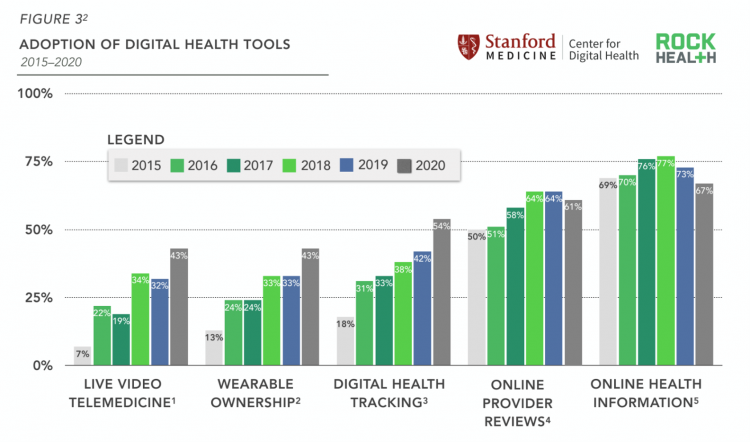
The coronavirus pandemic accelerated digital transformation of organizations, including health care providers. But another patient side-effect of COVID-19 has been the digital transformation of many patients, documented by data gathered by Rock Health and Stanford Center for Digital Health and analyzed in their latest report explaining how the public health crisis accelerated digital health “beyond its years,” noted in the title of the report. Rock Health and Stanford commissioned an online survey among 7,980 U.S. adults from early September to early October 2020 to gauge peoples’ interest in and utilization of digital health tools and telehealth. Rock Health has conducted a consumer digital
2020 Was Our Year of COVID; 2021 Will Be Our Year of Vaccines and Excess Deaths in America
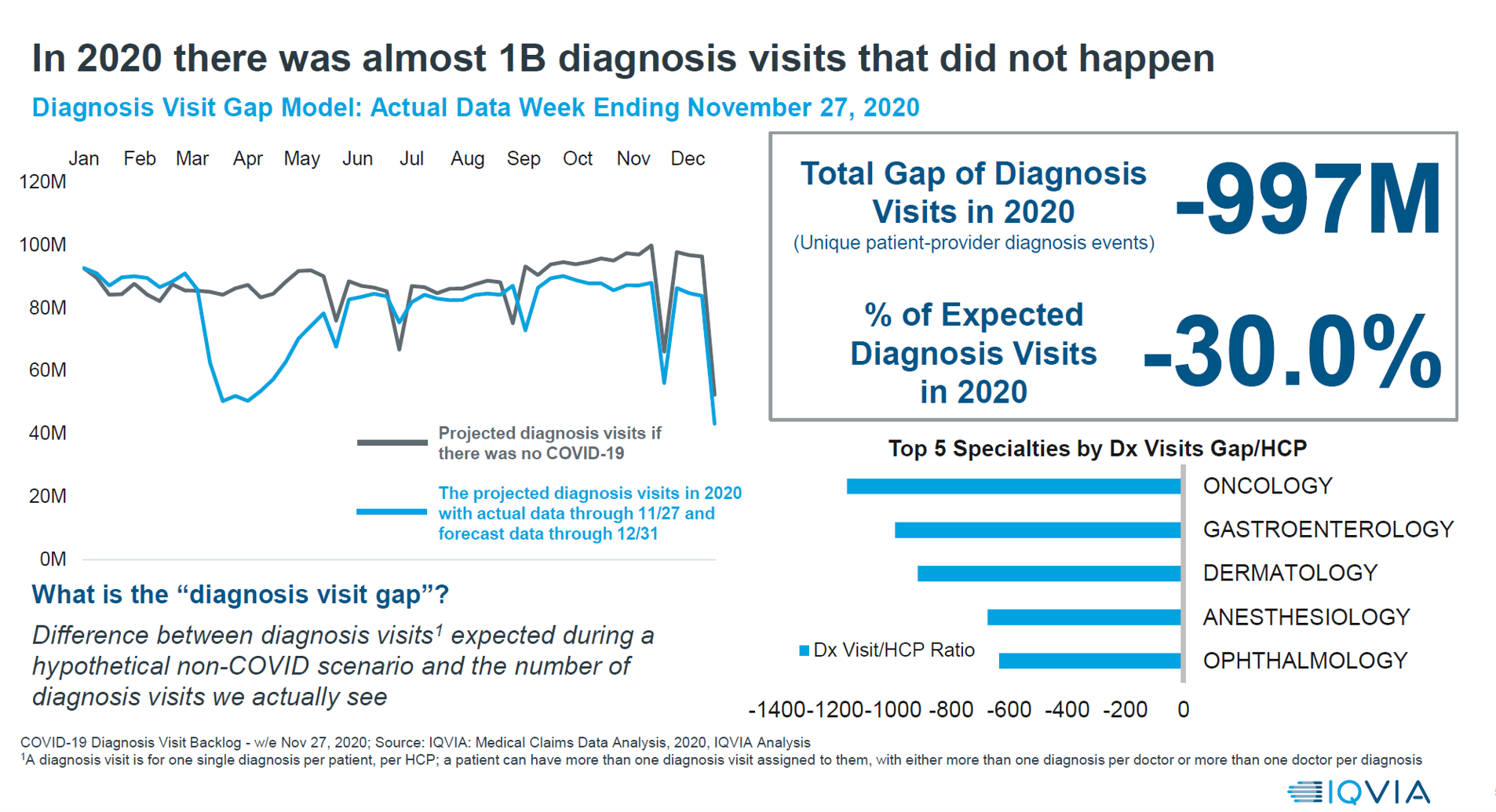
With a third vaccine approved by the FDA for licking COVID-19, brought to market by Johnson & Johnson, the U.S. can expect an uptick in vaccinations among fellow health citizens. That’s such welcome news and a positive outlook for a healthier 2021. But there’s another angle on 2021 for which health care providers and health citizens alike should prepare: that is the excess deaths that will happen due to patients postponing needed health care, diagnostic tests, and preventive services that stem from people avoiding care in doctor’s offices and hospitals. The chart here comes from IQVIA’s latest study into COVID-19’s
Retail Health Gains Consumer Kudos in the Pandemic
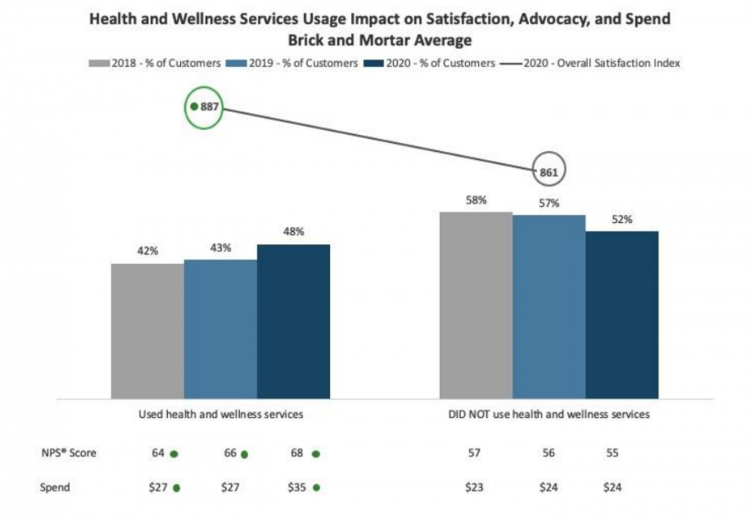
The more health consumers use health and wellness services at retail, the greater their satisfaction and brand-love, according to a new report from J.D. Power. J.D. Power found that peoples’ Net Promoter Scores were higher among those folks who used at least one health and wellness service at a brick-and-mortar pharmacy, shown in the first chart. That NPS-delta was 15 points between consumers who used no services (rating an NPS of 55) versus people using at least 2 services (awarding an NPS score of 70). Consumers using more health and wellness services also spent more money at the drug store, a
The Health Care Cost Curve is Bending Down – A New View from Deloitte
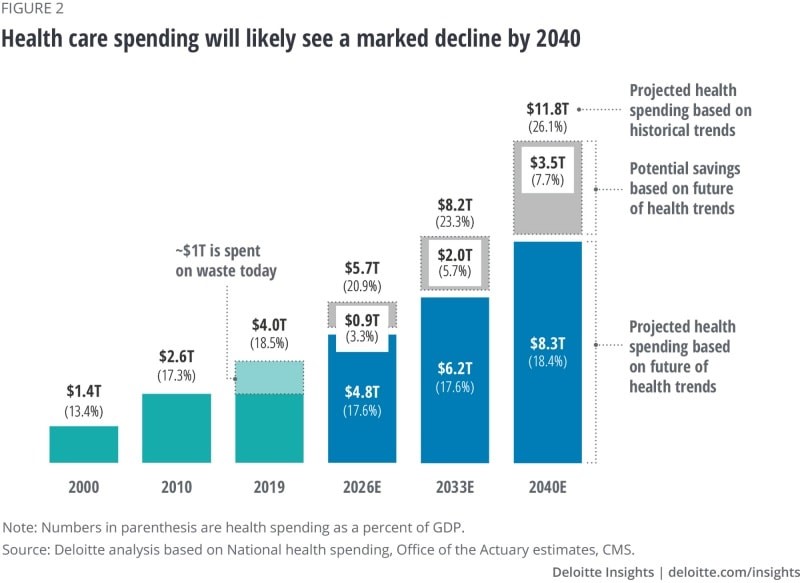
Over the next 20 years, health care spending in the U.S. will migrate toward well-being and the early detection of disease, away from the funding of America’s sick-care system, according to Breaking the cost curve, a forecast of U.S. health economics in the year 2040 from Deloitte. Current spending on health care in America is roughly $4 trillion (with a “t”) dollars, approaching 20% of the nation’s economy. By 2040, spending is projected to be $8.3 trillion based on future health trends — not historic workflows and delivery mechanisms which would consume an additional $3.5 trillion — close to what we
The Digital Transformation of Home for Health – Brainstorming with Karsten Russell-Wood of Philips
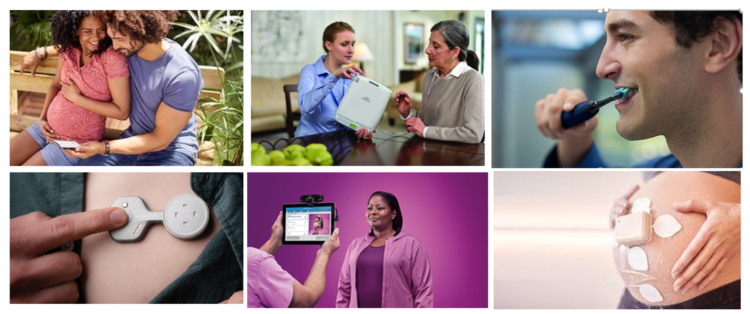
At the start of CES 2021, I had the opportunity to catch up with Karsten Russell-Wood, Portfolio Marketing Leader, Post Acute & Home, Connected Care at Philips. We brainstormed just as CES 2021 was going to “open,” virtually, for the consumer electronics conference’s first all-virtual meeting. Philips, a longtime major exhibitor at CES, created an entirely new online experience for the CES attendees – a sort of virtual gallery of different exhibits that are accessed from a single point in a “room” with various entry points. One of the company’s key messages for CES 2021 was health care delivered outside
Dr. Burnout – The 2021 Medscape Physician Burnout & Suicide Report
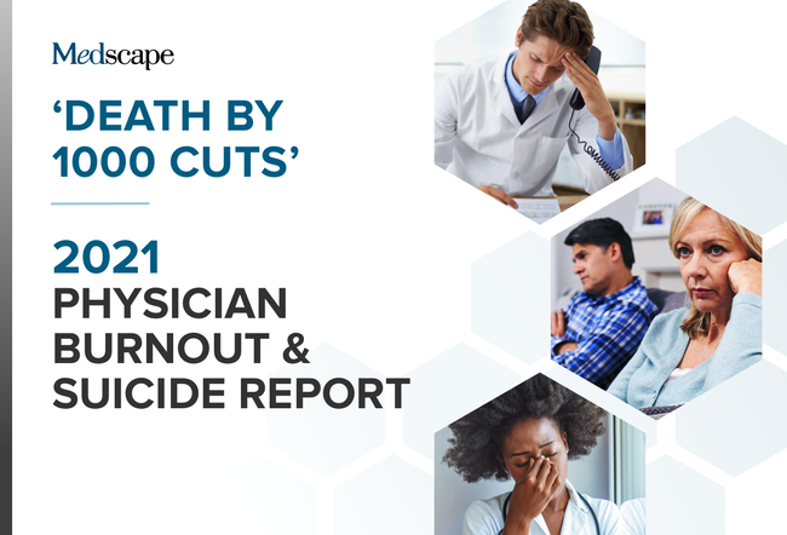
Physicians in the U.S. are experiencing “death by 1,000 cuts,” according to the 2021 Medscape Physician Burnout & Suicide Report. Medscape polled 12,339 physicians representing over 29 specialties between late August and early November 2020 to gauge their feelings about work and life in the midst of the coronavirus pandemic. Medscape researched its first Physician Lifestyle Report in 2012. That research focused on physician “happiness” and work-life satisfaction. In 2013, the issue of burnout was called out on the cover of the report, shown here with the question, “does burnout affect lifestyle?” In 2015, the Physician Lifestyle Report was titled,
Food Trends and Hunger in the Pandemic – the Importance of Food Security in Health and Economic Security
In 2020, the COVID-19 pandemic changed all kinds of aspects of our daily lives, not the least of which were our food habits — how we shopped for food, how we bought food, how we cooked and baked from scratch, and how our tastes and nutritional choices changed with our #StayHome and #WorkFromHome lifestyles. People who could keep their jobs and work from home connected by broadband learned how to build up pandemic pantries, shop online, and stay well-fed. But for people in the U.S. who lost employment, had hours cut, or were compelled to stay home to teach kids
Stay Calm In Your Head(space) – An Update on Meditation-As-Medicine
On U.S. Election Night, November 3, 2020, CNN’s John King stood in front of the “Key Race Alert” screen, announcing state-by-state polling results with the oft-used headline, “Too Early To Call.” That persistent media-moment was stressful for the millions of voters watching the multiple hairline-close battles from state to state. Then there was that company logo strategically placed at the lower left corner of the screen, as in “Brought to you by Calm.” Calm is but one of a growing portfolio of tools that health citizens can use to manage anxiety and stress, get to sleep (and stay sleeping), and
Primary Care 2.0 – How Crossover Health is “Re-Bundling” Health Care
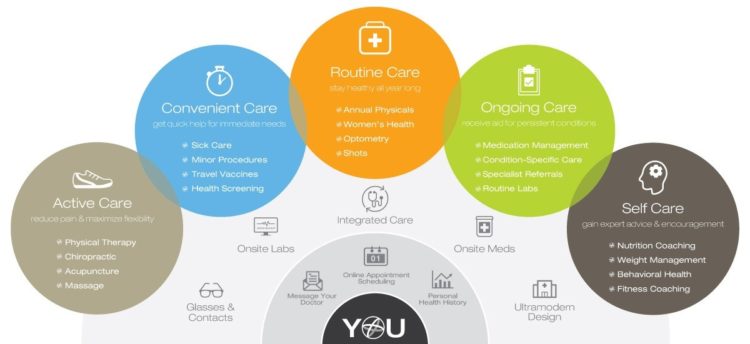
In 2020, investments in digital health reached $14.1 bn, much of which went into niche applications like lab testing, medication adherence, and on-demand triage for urgent care. These companies targeting primary care components represent the “unbundling of the family doctor,” as CB Insights recently coined the market trend. Fragmentation is a hallmark of the U.S. health care system, or more aptly “non-system” as my old friend J.D. Kleinke noted in his book titled Oxymorons….published in 2001. Twenty years later, we confront primary care as a dichotomy: as unbundled pieces of (we hope) innovation, and in organizations re-imagining a new continuity
Our Homes Are Health Delivery Platforms – The New Home Health/Care at CES 2021
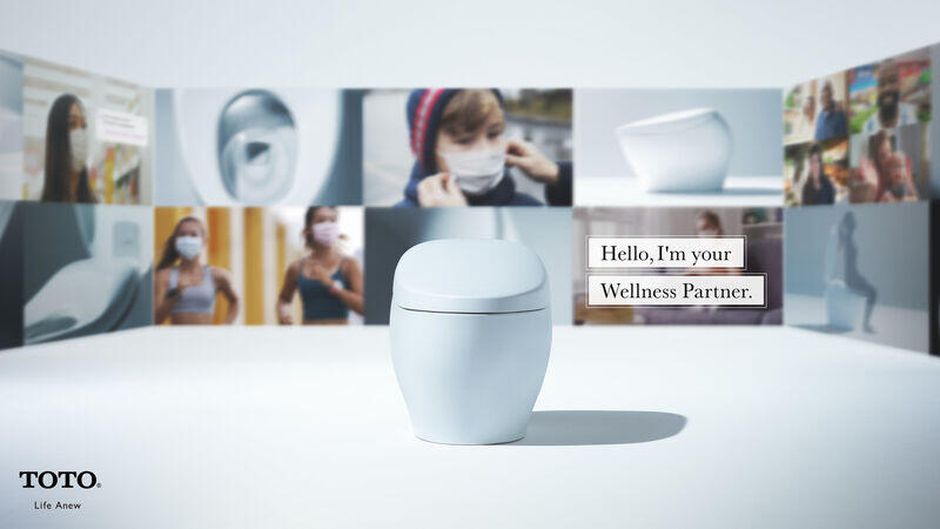
The coronavirus pandemic disrupted and re-shaped the annual CES across so many respects — the meeting of thousands making up the global consumer tech community “met” virtually, both keynote and education sessions were pre-recorded, and the lovely serendipity of learning and meeting new concepts and contacts wasn’t so straightforward. But for those of us working with and innovating solutions for health and health care, #CES2021 was baked with health goodness, in and beyond “digital health” categories. In my consumer-facing health care work, I’ve adopted the mantra that our homes are our health hubs. Reflecting on my many conversations during CES
Preparing for a Long-COVID Lifestyle in 2021 – A Health-At-Home Focus for CES 2021
In the U.S., the latest read on supply-and-demand for COVID-19 vaccines illustrates a gap between what had been promised for the first phase of vaccine rollout versus the reality of supply chain challenges, cold storage, and 50-state and local fragmentation at the last mile for U.S. health citizens. An op-ed published in yesterday’s Washington Post by Dr. Robert Wachter of UCSF and Dr. Ashish Jha of Brown University found these two wise physicians feeling “punched in the face” with the state of coronavirus vaccination in America. As a result, they soberly, pragmatically recommended administering just the first jab of vaccine
The Fastest-Growing Brands of 2020 Are All About the Pandemic and Health
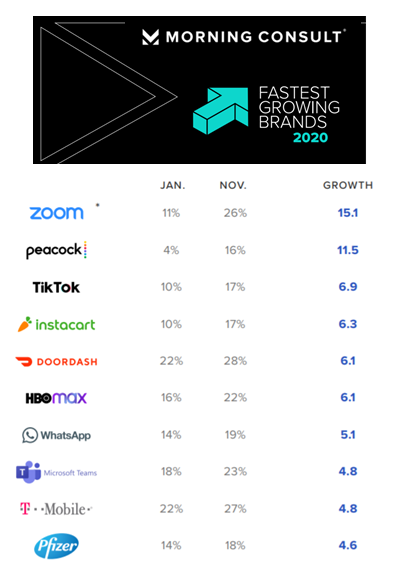
Staying home, being clean, staying entertained, eating well, and self-caring for healthcare….these are the major factors underpinning the twenty fastest-growing brands of 2020, based on Morning Consult’s annual look at the topic. Let’s look into these categories by brand, and connect the dots for health, medical care, and well-being… Connectivity as a social determinant of health. Zoom was the fastest-growing brand of the year, with 26% of U.S. consumers saying they would consider purchasing the service in November compared with 11% in January. Zoom morphed from a business meeting platform to a consumer and family-connecting service spiking on holidays like
Will 2021 Be the Year of Sicker Americans? Pondering Late 2020 Data from IQVIA
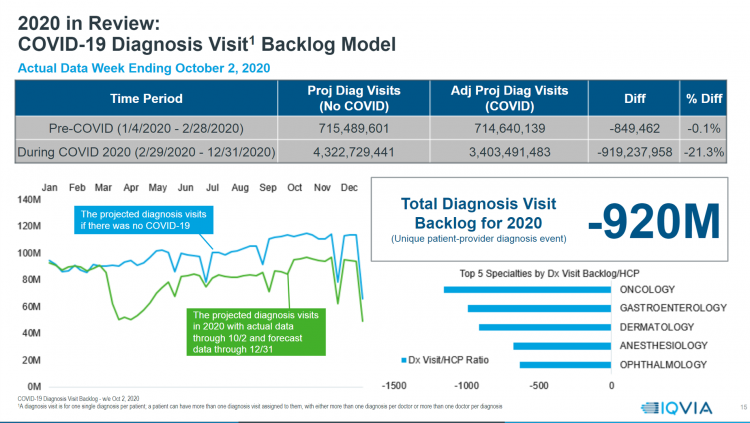
Yesterday, IQVIA presented their end-of-year data based on medical claims in the U.S. health care system tracking the ups, downs, and ups of the coronavirus in America. IQVIA has been tracking COVID-19 medical trends globally from early 2020. The plotline of patient encounters for vaccines, prescribed medicines, foregone procedures and diagnostic visits to doctors begs the question: in 2021, will Americans be “sicker,” discovering later-stage cancer diagnoses, higher levels of pain due to delayed hip procedures, and eroded quality of life due to leaky guts? Here are a few snapshots that paint a picture for greater morbidity and potentially more “excess
The Comforts of Home Drive Demand for Healthcare There
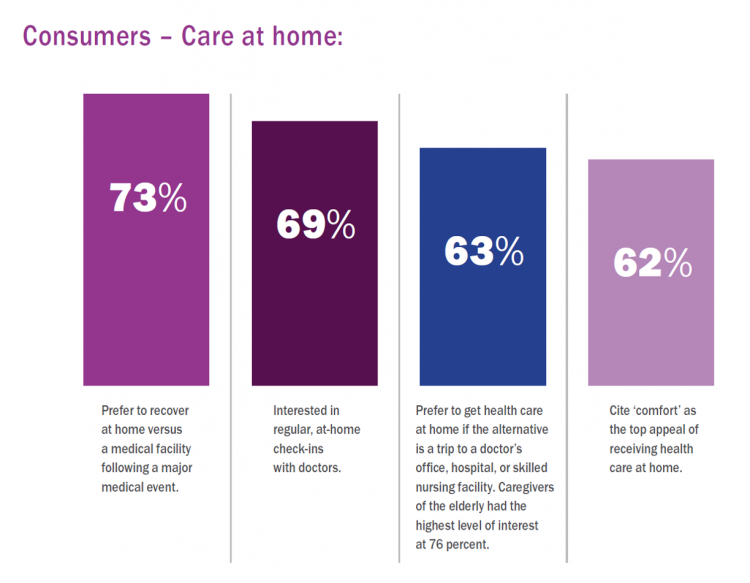
Two in three U.S. consumers skipped or delayed getting in-person medical care in 2020. One in 2 people had a telehealth visit int he last year. Most would use virtual care again. The coronavirus pandemic has mind-shifted how patients envision a health care visit. Today, most consumers prefer the idea of getting health care at home compared with going to a doctor’s office. Most Americans also like the idea of recovering at home instead of at a medical facility after a major medical event, according to the report, Health-at-Home 2020: The New Standard of Care Delivery from CareCentrix. COVID-19 has
Consumers Seek Health Features in Homes: How COVID Is Changing Residential Real Estate
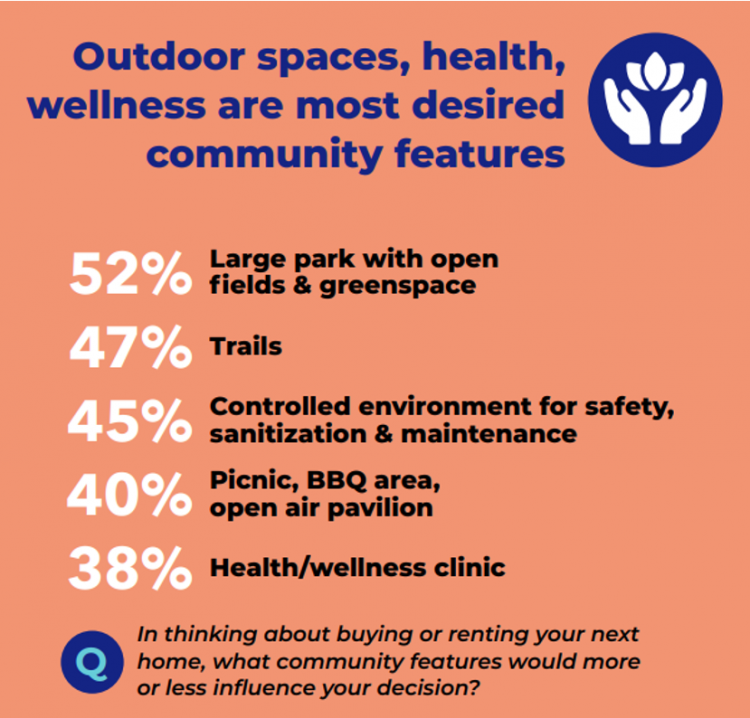
The coronavirus pandemic has shifted everything that could “come home,” home. THINK: tele-work, home schooling for both under-18s and college students, home cooking, entertainment, working out, and even prayer. All of this DIY-from-home stuff has been motivated by both mandates to #StayHome and #WorkFromHome by government leaders, as well as consumers seeking refuge from contracting COVID-19. This risk-shift to our homes has led consumers to re-orient their demands for home purchase features. Today, home is ideally defined as a safe place, offering comfort and refuge for families, discovered in the America at Home Study. The Study is a joint project of
Vaccine Hesitancy Is Greatest Among Those at Highest Risk of Dying from COVID-19: Black People
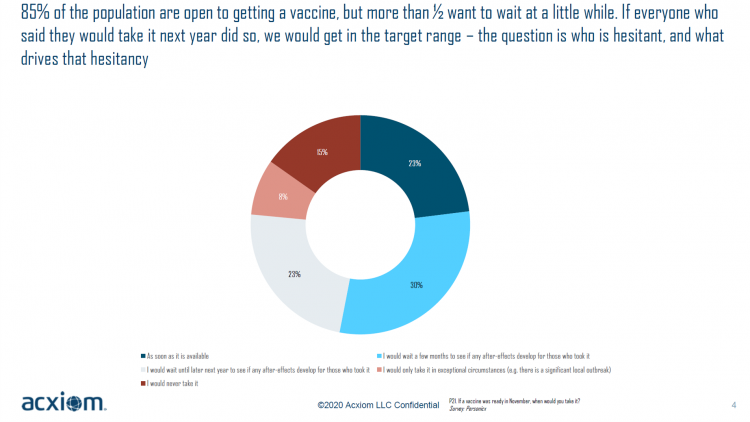
While 85% of people are open to receiving a COVID-19 vaccine, over one-half of them would want to wait some time to observe if after-effects developed in people who took the jab, according to a new study from Acxiom, the data analytics-marketing company. Not all people are as enthused about getting a coronavirus vaccine at all, Acxiom discovered: in fact, those hardest hit by the virus — Black people — would be the least-likely to want to get a COVID-19 vaccine, discussed in in Vaccine Hesitancy in the U.S., a survey the company conducted among 10,000 people in the U.S.
The COVID Healthcare Consumer – 5 Trends Via The Medecision Liberation Blog
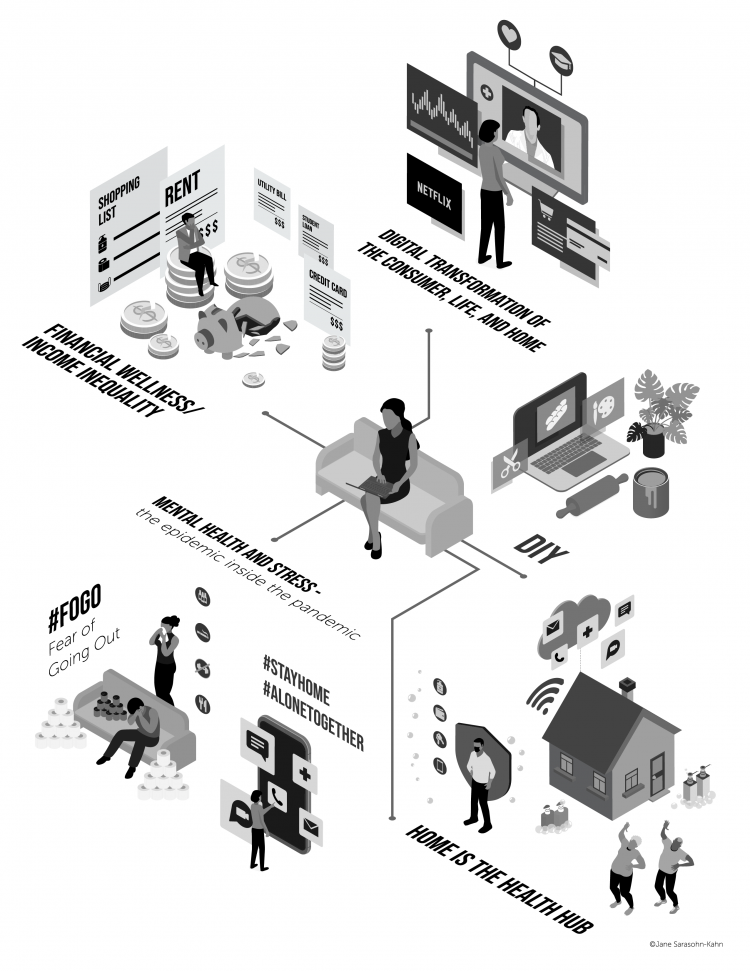
The first six months into the coronavirus pandemic shocked the collective system of U.S. consumers for living, learning, laboring, and loving. I absorbed all kinds of data about consumers in the wake of COVID-19 between March and mid-August 2020, culminating in my book, Health Citizenship: How a virus opened hearts and minds, published in September on Kindle and in print in October. In this little primer, I covered the five trends I woven based on all that data-immersion, following up the question I asked at the end of my previous book, HealthConsuming: when and how would Americans claim their health
Will We See A Field of Dreams for the COVID-19 Vaccine in the U.S.?
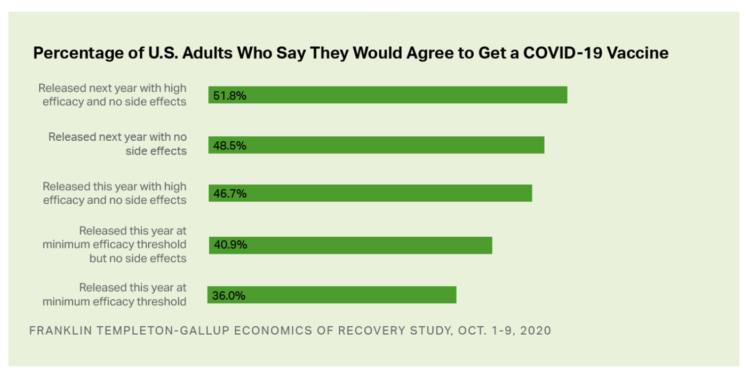
“If you build it, he will come,” the voice of James Earl Jones echoes in our minds when we recall the plotline of the film, Field of Dreams. A quick summary if you don’t know the movie: the “it” was a baseball field to be built in a rural cornfield. The “he” was a baseball player, ultimately joined by a dream-team of ball players who would convene on that dreamy field to play an amazing game. Today, the day after Pfizer announced a 90% benefit for its coronavirus vaccine, bolstering Wall Street returns on 9th November 2020, two new consumer
COVID-19 Has Accelerated Consumers’ Interest in Healthy Home Tech
One in two U.S. adults say their concerns about personal health and wellness increased in the past year: in particular, stress and anxiety, and sleep and eating habits. Despite spending more time at home due to the COVID-19 pandemic, few people believe they live in a “healthy home.” The vast majority of consumers are concerned about some aspect of their home’s health, like air or water quality, according to Healthy Home Technologies , a report published in October 2020 by the Consumer Technology Association (CTA), convener of the annual CES. For the research, CES interviewed 1,500 U.S. adults in late
Women’s Health Policy Advice for the Next Occupant of the White House: Deal With Mental Health, the Pandemic, and Health Care Costs
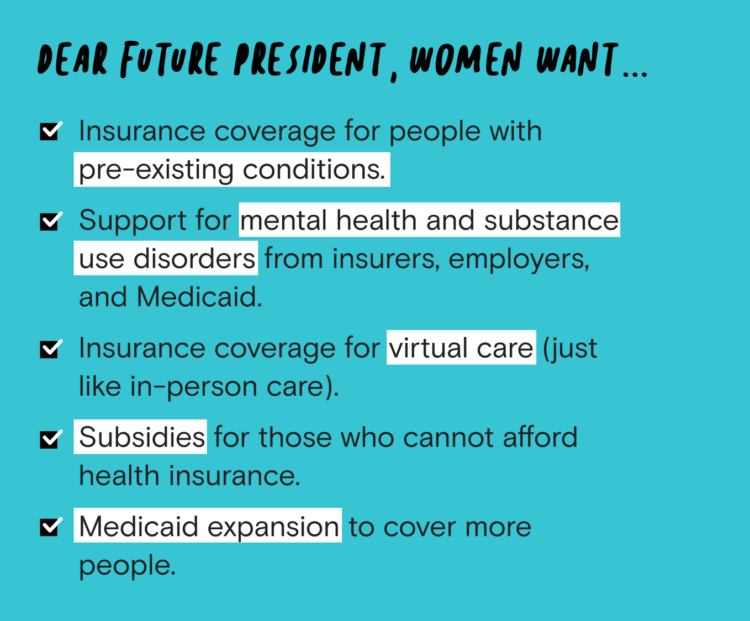
2020 marked the centennial anniversary of the 19th Amendment to the U.S. Constitution, giving women the right to vote. In this auspicious year for women’s voting rights, as COVID-19 emerged in the U.S. in February, women’s labor force participation rate was 58%. Ironic timing indeed: the coronavirus pandemic has been especially harmful to working women’s lives, the Brookings Institution asserted last week in their report in 19A: The Brookings Gender Equality Series. A new study from Tia, the women’s health services platform, looks deeply into COVID-19’s negative impacts on working-age women and how they would advise the next occupant of
The COVID-19 Pandemic Has Accelerated Our Demand for Wellness – Learning from Ogilvy
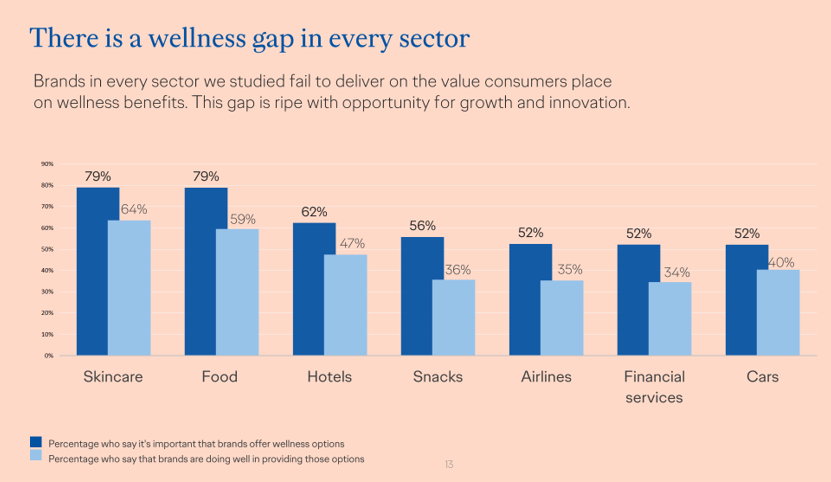
Every company is a tech company, strategy consultants asserted over the past decade. The coronavirus pandemic has revealed that every company is a health and wellness company now, at least in the eyes of consumers around the world. In The Wellness Gap, the health and wellness team at Ogilvy explores the mindsets of consumers in 14 countries to learn peoples’ perspectives on wellness brands and how COVID-19 has impacted consumers’ priorities. A total of 7,000 interviews were conducted in April 2020, in Asia, Europe, Latin America, and North America — including 500 interviews in the U.S. The first chart illustrates
Redefining PPE As Primary Care, Public Health, and Health Equity – The Community PPE Index
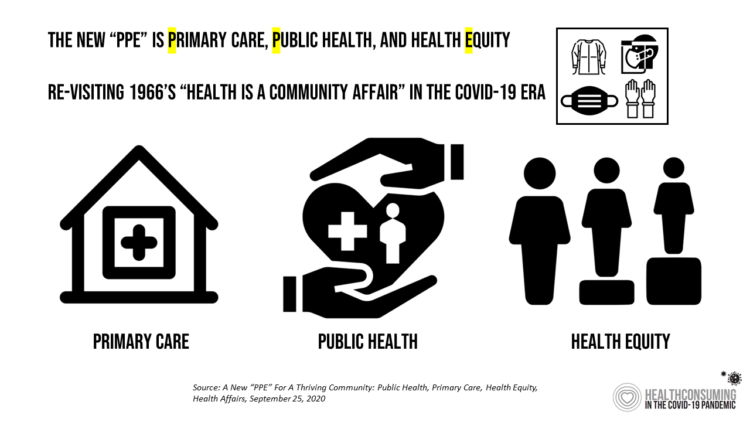
In May 2020, the Oxford English Dictionary (OED) re-visited the acronym, “PPE.” As OED evolves the definition of PPE, the wordsmiths could borrow from OSHA’s website, noting that PPE, “is equipment worn to minimize exposure to hazards that cause serious workplace injuries and illnesses. These injuries and illnesses may result from contact with chemical, radiological, physical, electrical, mechanical, or other workplace hazards. Personal protective equipment may include items such as gloves, safety glasses and shoes, earplugs or muffs, hard hats, respirators, or coveralls, vests and full body suits.” Perhaps Definition 3 in the OED could be updated by a blog
Consumers Connecting for Health for Body, Mind & Spirit – A View from the Consumer Technology Association
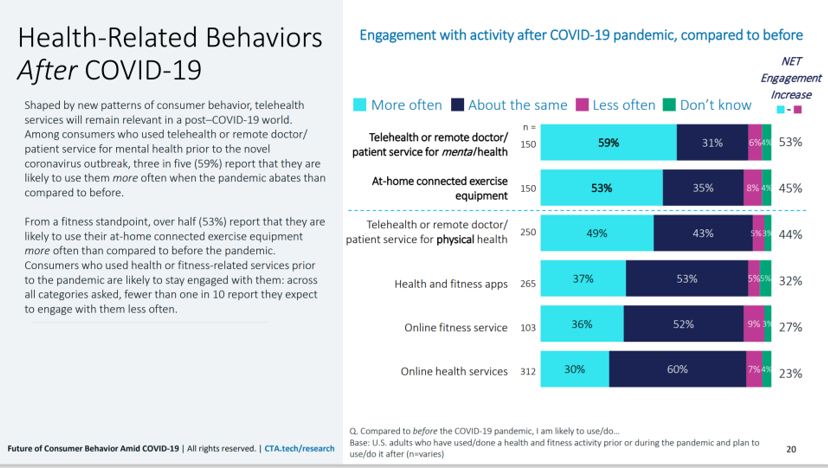
In January 2020, before we knew how to spell “coronavirus,” millions of consumers were already “Amazon-Primed” for everyday life-flows and consumer behaviors. The pandemic has accelerated consumer trends already in motion early this year when the Consumer Technology Association (CTA) convened the annual CES 2020 in Las Vegas. I covered the event here in Health Populi, as I have for most of the past decade, highlighting the growth of digital health and, this year, the expanding Internet of Healthy Things called-out by Dr. Joseph Kvedar in 2015. What a difference a public health crisis makes, accelerating digital health beyond fitness
DIY Health Care and Self-Care Accelerating in the Pandemic
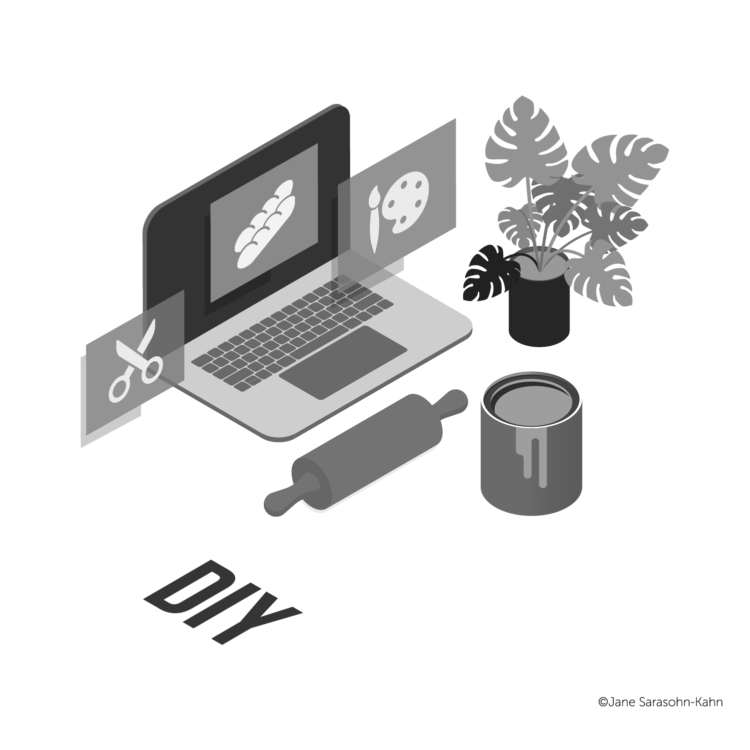
The coronavirus pandemic has spawned many side-effects re-shaping consumers’ everyday lives. Among them, more time at home, DIY life-flows, and financial well-being are driving growth of self-care health care. An article in the latest Drug Store News talks about consumers growing more health-conscious, adopting natural, homeopathic products. “It’s about more than washing your hands,” David Salazar explains. “Fending off illness has become a state of mind for many consumers throughout the COVID-19 pandemic.” In feeling dis-empowered in the face of the pandemic – with the first shock of the Great Lockdown and stay-at-home mandates – we’ve taken on more do-it-yourself behaviors, from
Only in America: The Loss of Health Insurance as a Toxic Financial Side Effect of the COVID-19 Pandemic
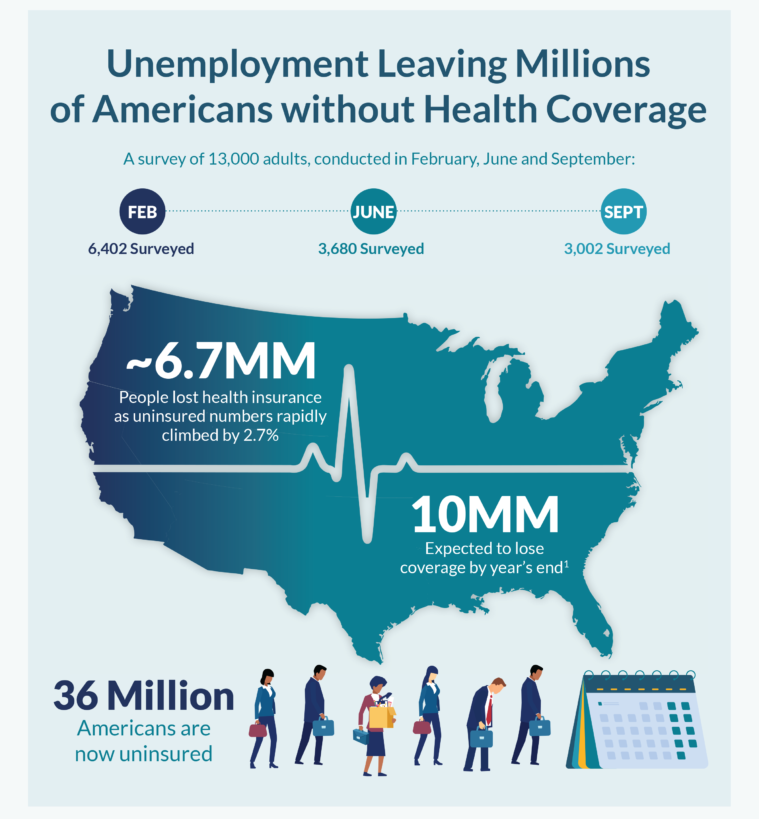
In terms of income, U.S. households entered 2020 in the best financial shape they’d been in years, based on new Census data released earlier this week. However, the U.S. Census Bureau found that the level of health insurance enrollment fell by 1 million people in 2019, with about 30 million Americans not covered by health insurance. In fact, the number of uninsured Americans rose by 2 million people in 2018, and by 1.9 million people in 2017. The coronavirus pandemic has only exacerbated the erosion of the health insured population. What havoc a pandemic can do to minds, bodies, souls, and wallets. By September 2020,
Behavioral Health Side-Effects in the COVID Era
“This surge of people experiencing acute behavioral health problems…has the potential to further impact the healthcare system for years to come,” a report from McKinsey expects looking at the hidden costs of COVID-19’s impact on U.S. health care. The coronavirus pandemic has taken a toll on Americans’ mental health, with anxiety and depression growing as a side-effect to worries about the virus itself, the long Great Lockdown in much of the country, and the economic recession that has particularly impacted women and people of color. I covered depression impacts due to COVID-19 here in Health Populi yesterday, and wanted to
The Burden of Depression in the Pandemic – Greater Among People With Fewer Resources
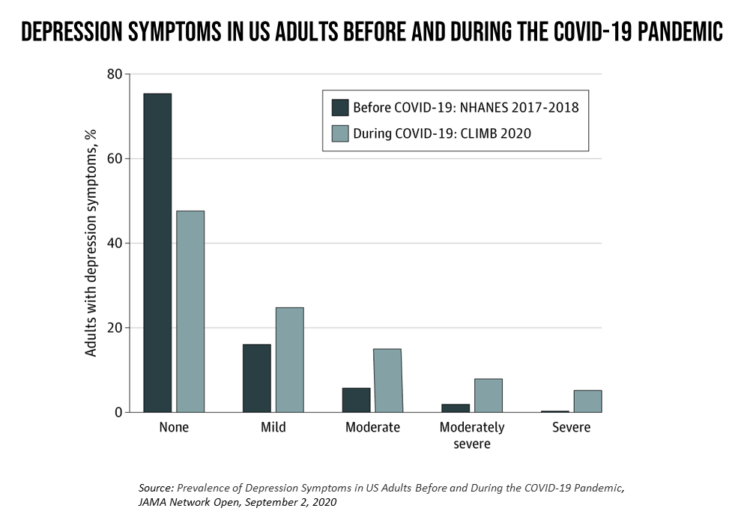
In the U.S., symptoms of depression were three-times greater in April 2020 in the COVID-19 pandemic than in 2017-2018. And rates for depression were even higher among women versus men, along with people earning lower incomes, losing jobs, and having fewer “social resources” — that is, at greater risk of isolation and loneliness. America’s health system should be prepared to deal with a “probable increase” in mental illness after the pandemic, researchers recommend in Prevalence of Depression Symptoms in US Adults Before and During the COVID-19 Pandemic in JAMA Network Open. A multidisciplinary team knowledgeable in medicine, epidemiology, public health,
The Latest Health Technology Vision and Consumer Behavior Insights From Accenture
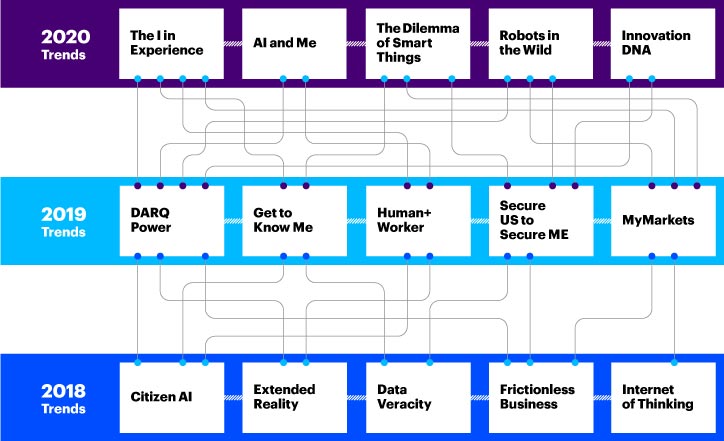
The COVID-19 pandemic hastened digital transformation for both the health care industry and for individuals — as health consumers, patients, caregivers, and health citizens. Two new reports from Accenture update our understanding of the changed health consumer in the context of both “home: and the health care ecosystem. These reports are Accenture’s annual Digital Health Technology Vision 2020, and an analysis of the firm’s Wave 7 of consumer research, answering the question, How will COVID-19 change the consumer? The 2020 tech vision for health is summarized here, tying to Accenture’s previous two years of forecasts. This year, the five pillars
My ABCovid-19 Journal – Day 4 of 5, Letters “P” through “T”
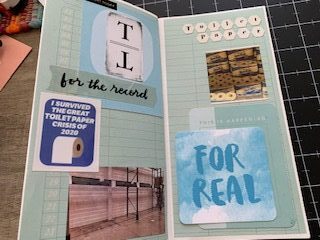
While I’m on holiday this week, restoring and re-setting, I’ve been sharing pages from my ABCovid-19 Journal with readers of Health Populi. I created this journal during the early phase of the pandemic in the U.S., as a form of art therapy, creative outlet, and learning. Today is Day 4 of sharing: we consider the letters “P” through “T,” and what I saw in the early coronavirus era. P is for pandemic This “P” was self-evidence in our collective early COVID-19 lexicon. The “P” word was uttered by the Secretary General of the World Health Organization on March 11, confirming
Pharmacies Grow for Primary Care On-Ramps – And J.D. Power Says Consumers Like That
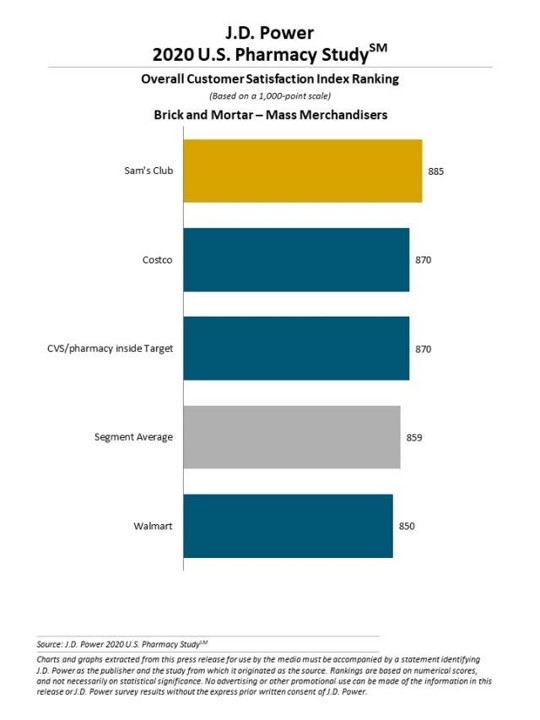
The use of health and wellness services delivered in retail pharmacies is growing, and health consumers’ satisfaction increases with use. That’s the headline for J.D. Power’s 2020 U.S. Pharmacy Study. This is the 12th year of J.D. Power’s U.S. Pharmacy Study, this year based on a survey of 13,378 pharmacy customers who filled a prescription between June 2019 and February 2020. The study assessed four retail prescription drug channels for consumers: brick and mortar chain drug stores, brick and mortar mass merchandisers, supermarket pharmacies, and mail order. The top ranked brands were: For brick and mortar chains, Good Neighbor Pharmacy
We Are All About Hygiene, Groceries, and Personal Care in the Midst of the Coronavirus Pandemic
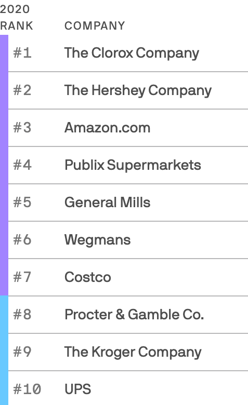
Pass me the Clorox…tip the UPS driver…love thy grocer. These are our daily life-flows in the Age of COVID-19. Our basic needs are reflected in the new 2020 Axios-Harris Poll, released today. For the past several years, I’ve covered the Harris Poll of companies’ reputation rankings here in Health Populi. Last year, Wegmans, the grocer, ranked #1; Amazon, #2. In the wake of the COVID-19 pandemic, U.S. consumers’ basic needs are emerging as health and hygiene, food, and technology, based on the new Axios-Harris Poll on the top 100 companies. This year’s study was conducted in four waves, with the
Telehealth Platforms: Building Blocks for Omnichannel, Networked Healthcare
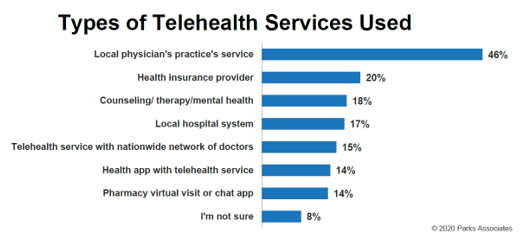
In the U.S., the use of telehealth services tripled in the past year, as healthcare providers limited patients from in-person visits for care and patients sought to avoid exposure to the coronavirus in medical settings. With this alignment of virtual care supply-and-demand, it is like telehealth will see “permanent usage increases,” according to Parks Associates’ survey report, COVID-19 – Impact on Telehealth Use and Perspectives. Parks Associates fielded this study the second half of May 2020, surveying 5,008 heads-of-broadband households balancing the sample of respondents for age, gender, income, and education. The report reminds us for context that at the
From Dr. Fauci to Peloton, Healthcare and Wellness Baked Into Ad Age’s Top 20 Brands for 2020
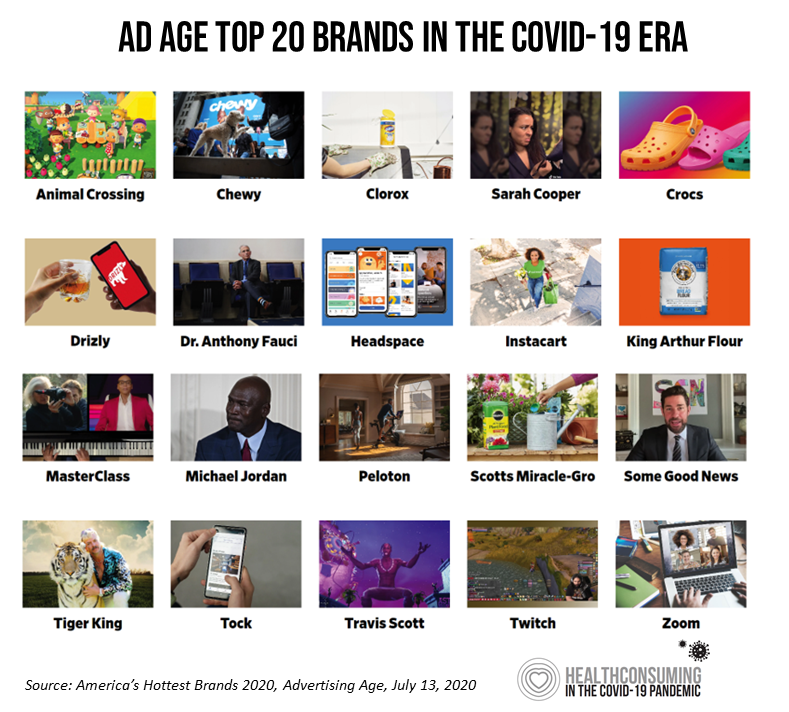
Advertising Age announced their list of the top 20 brands in 2020 this week. Ad Age’s lens on these was heavily tinted by consumers’ lives coping with the coronavirus pandemic: “The coronavirus has brought new attention to typically boring, decades-old consumer staples, while hastening the rise of digital newcomers that were only just beginning to gain traction pre-pandemic,” Ad Age explains in the introduction to the list of the selected brands. As the editors of the MadMen-and-Women’s most influential industry publication, they explain, “Ad Age chronicles 20 brands that are having a moment.” This moment to them as well as
Wear A Mask and Save 5% of US GDP: My Independence Day Holiday Wish
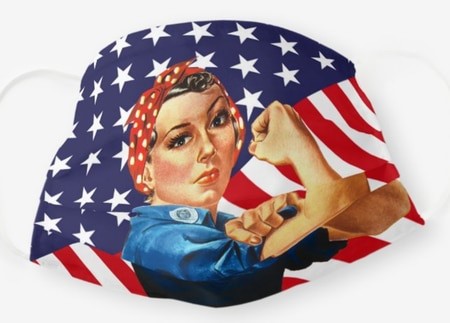
“And please…please…please wear a face covering,” Dr. Jerome Adams, the U.S. Surgeon General pleaded on June 30, 2020, during a speech to U.S. Public Health Workers. [You can fast forward to second #42 to hear Dr. Adams’ impassioned plea to his fellow Americans. s Wearing a mask or face covering reminds me of an early economics lesson from Adam Smith: that actions I take that are good for you can be good for me. “In addition to caring about our own well-being, we also naturally care about the well-being of others,” Ryan Patrick Hanley wrote in his assessment of Adam
An Airline, A Hospital and A Disinfectant Brand Walk Into A(n Airport) Bar–the New Health/Care Collaboration in the Age of COVID
You’ve heard the one about three characters walking into a bar. A new collaboration between United Airlines, Cleveland Clinic and Clorox reminded me of that scenario, and that in the age of the coronavirus pandemic, collaboration can bolster our health. In the era of COVID-19, people — consumers. patients managing chronic conditions, and caregivers (whether for younger or older loved ones) — are concerned about contracting the virus. In U.S. states where governors mandated shelter-at-home for much of the first half of 2020, millions of people have become conditioned to physically distance, wear face coverings, and #StayHome. In particular, workers
Telehealth Is Just Healthcare Now – One Post-COVID Certainty, Three Reports
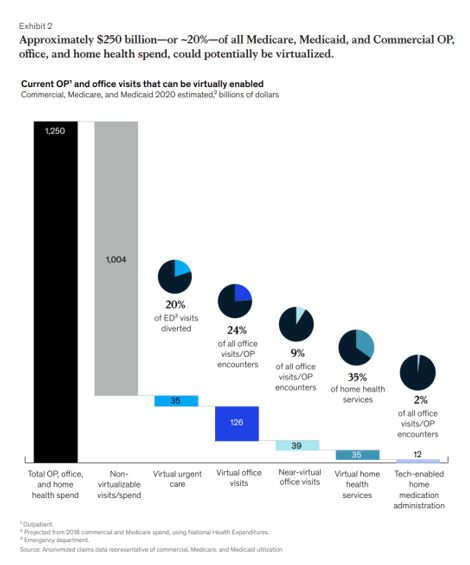
As we wrestle with just “what” health care will look like “after COVID,” there’s one certainty that we can embrace in our health planning and forecasting efforts: that’s the persistence of telehealth and virtual care into health care work- and life-flows, for clinicians and consumers alike and aligned. There’s been a flurry of research into this question since the hockey-stick growth of telemedicine visits were evident in March 2020, just days after the World Health Organization uttered the “P-word:” pandemic. Three recent reports (among many others!) bolster the business and clinical cases for telehealth in America in terms of: A
Stress in America – COVID-19 Takes Toll on Finances, Education, Basic Needs and Parenting
“The COVID-19 pandemic has altered every aspect of American life, from health and work to education and exercise,” the new Stress in America 2020 study from the American Psychological Association begins. The APA summarizes the impact of these mass changes on the nation: “The negative mental health effects of the coronavirus may be as serious as the physical health implications,” with COVID-19 stressors hitting all health citizens in the U.S. in different ways. Beyond the risk of contracting the virus, the Great Lockdown of the U.S. economy has stressed the U.S. worker and the national economy, with 7 in 10
Health Care In the COVID-19 Era – PwC Finds Self-Rationing of Care and Meds Especially for Chronic Care
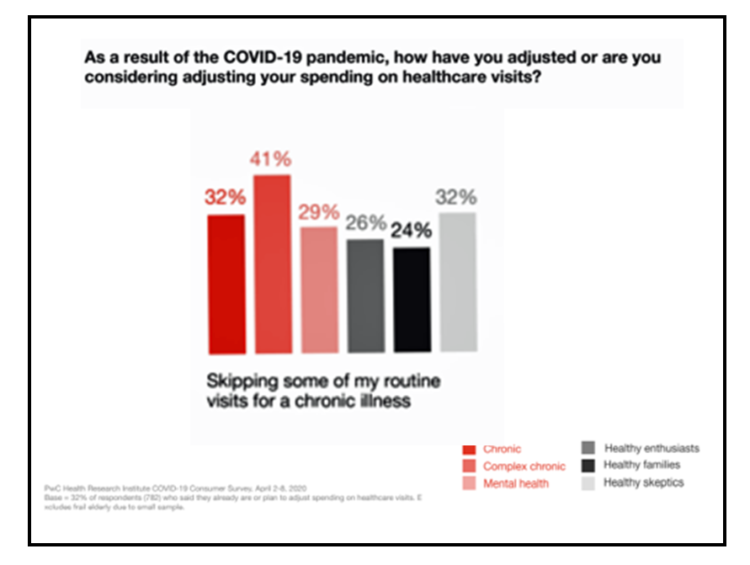
Patients in the U.S. are self-rationing care in the era of COVID-19 by cutting spending on health care visits and prescription drugs. The coronavirus pandemic’s impact on health consumers’ spending varies depending on whether the household is generally a healthy family unit, healthy “enthusiasts,” dealing with a simple or more complex chronic conditions, or managing mental health issues. PwC explored how COVID-19 is influencing consumers’ health care behaviors in survey research conducted in early April by the Health Research Institute. The findings were published in a May 2020 report, detailing study findings among 2,533 U.S. adults polled in early April
Healthy Thinking: Inside the Mind of the COVID-19 Consumer
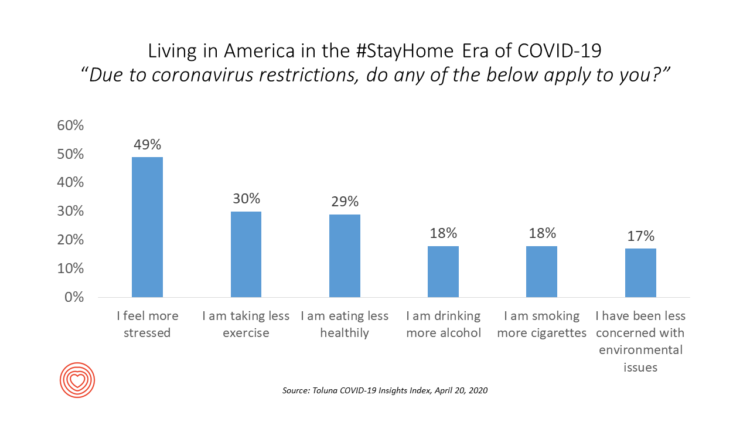
Stress is up, smoking increasing, drinking more alcohol….Americans are tapping into a variety of coping mechanisms in the coronavirus outbreak, with health on their collective minds. Toluna and Harris Interactive are collaborating on the COVID-19 Barometer, publishing biweekly data on consumers’ views on the coronavirus pandemic. The data here are a snapshot of consumers taken through the Toluna-Harris poll conducted among 1,047 U.S. adults between 9-20 April 2020. The first chart shows various life-flows Americans have adopted in April, all risk factors impacting peoples’ overall health status and mental well-being. There were demographic differences across these factors: more women felt
Americans’ Sense of Well-Being Falls to Great Recession Levels, Gallup Finds
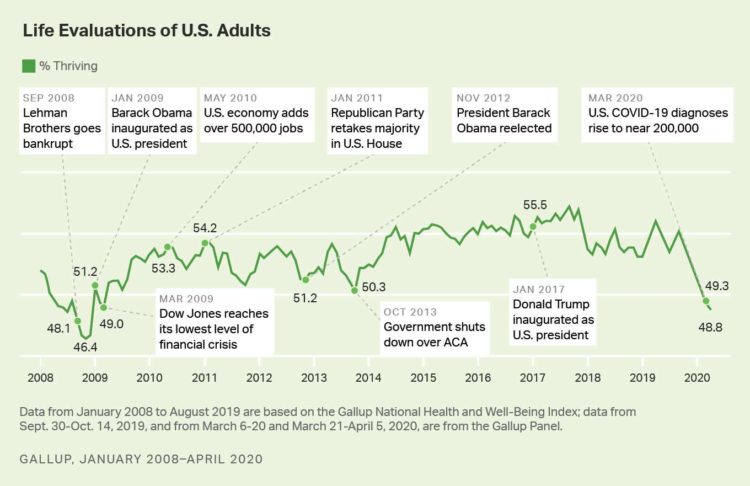
It’s déjà vu all over again for Americans’ well-being: we haven’t felt this low since the advent of the Great Recession that hit our well-well-being hard in December 2008. As COVID-19 diagnoses reached 200,000 in the U.S. in April 2020, Gallup gauged that barely 1 in 2 people felt they were thriving. In the past 12 years, the percent of Americans feeling they were thriving hit a peak in 2018, as the life evaluations line graph illustrates. Gallup polled over 20,000 U.S. adults in late March into early April 2020 to explore Americans’ self-evaluations of their well-being. FYI, Gallup asks consumers
The Grocery Store as Social, Health — and Sickness — Destination
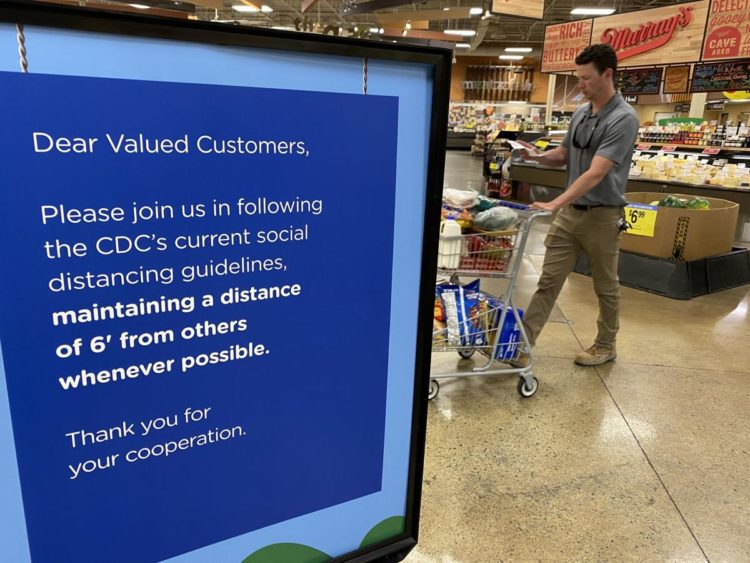
On Monday, 6th April 2020, the Prime Minister of New Zealand, Jacinda Ardern, has determined that the Easter Bunny and the Tooth Fairy are essential workers in our age of the coronavirus pandemic. The PM has posted an Easter egg coloring project on her Facebook page to support children (and people like me who like to color) in the #StayHome era. In the U.S., the day before on Sunday 7th April, Dr. Deborah Birx advised Americans that, “The next two weeks are extraordinarily important. This is the moment to not be going to the grocery store, not going to the
The COVID19 Consumer: #AloneTogether and More Health Aware
The number of diagnoses of people testing positive with the coronavirus topped 14,000 today in the U.S., Johns Hopkins COVID-19 interactive map told us this morning. As tests have begun to come on stream from California on the west coast to New York state on the east, the U.S. COVID-19 positives will continue to ratchet up for weeks to come, based on the latest perspectives shared by the most-trusted expert in America, Dr. Anthony Fauci. This report from the U.S. Department of Health and Human Services on the nation’s response to the coronavirus pandemic, published March 13, 2020, forecasts a
Waking Up a Health Consumer in the COVID-19 Era
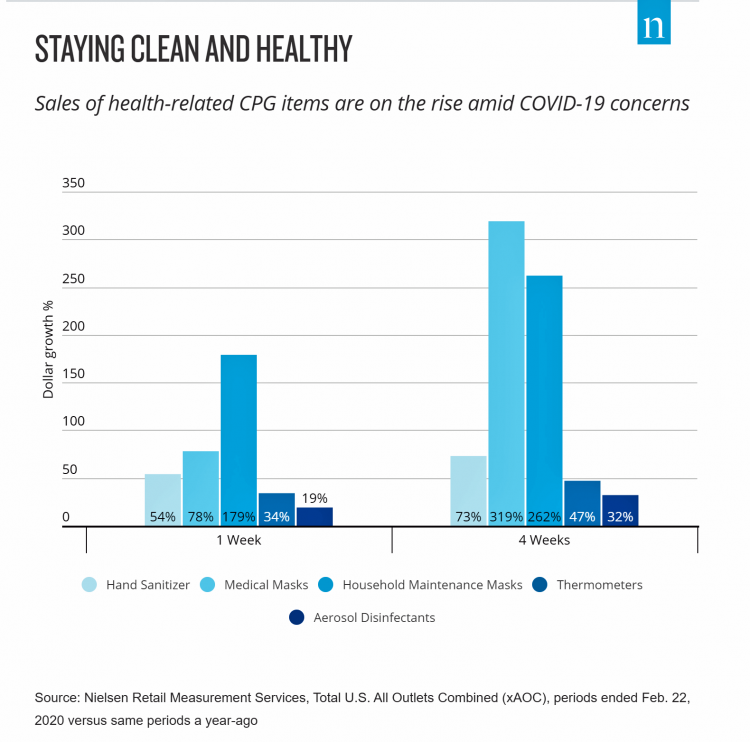
With President Trump’s somber speech from the Oval Office last night, we wake up on 12th March 2020 to a ban on most travel from Europe to the U.S., recommendations for hygiene, and call to come together in America. His remarks focused largely on an immigration and travel policy versus science, triaging, testing and treatment of the virus itself. Here is a link to the President’s full remarks from the White House website, presented at about 9 pm on 11 March 2020. Over the past week, I’ve culled several studies and resources to divine a profile of the U.S. consumer
Most Americans Concerned About Coronavirus Impact on Economy & Families, and Not a “Hoax”

Seven in 10 Americans are concerned about the coronavirus outbreak’s impact on the economy, and 6 in 10 people worried about someone they love getting sick from COVID-19. But most Americans also get the politicized nature of the coronavirus and say they’re less likely to vote for President Trump in November based on his handling of the public health threat, according to a just-released survey from Protect Our Care fielded by Public Policy Polling. Some of the data points which demonstrate that Americans are taking the emerging coronavirus pandemic quite seriously are that: 53% disagree that President Trump and his
Consumers Seek Benefits From Food, a Personal Social Determinant of Health
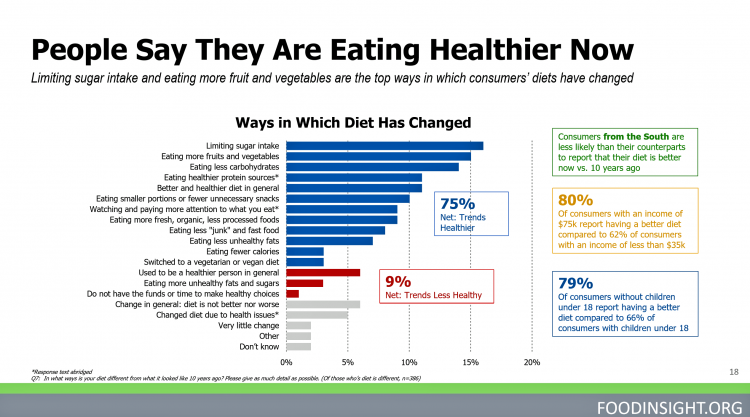
As consumers in the U.S. wrestle with accessing and paying for medical benefits, there’s another sort of health benefit people increasingly understand, embrace, and consume: food-as-medicine. More people are taking on the role of health consumers as they spend more out-of-pocket on medical care and insurance, and seeking food to bolster their health is part of this behavior change. One in four Americans seek health benefits from food, those who don’t still seek the opportunity to use food for weight loss goals, heart health and energy boosting, according to the 2019 Food & Health Survey from the International Food Information
Home Is Where the Health Is, CareMore Health (And Most People) Believe
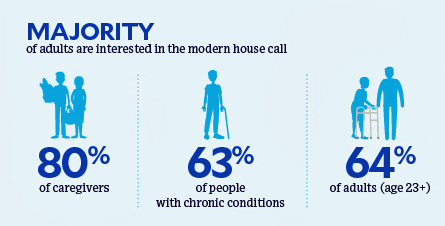
Most people dealing with chronic conditions, and those who care for them, believe that “home is where the health is,” according to a survey about the “21st century house call” from CareMore Health. To gain peoples’ perspectives on health care at home and chronic disease management, CareMore Health and Aspire Health commissioned a survey among 2,009 U.S. adults 23 years of age and over in September and October 2019. The survey sample included people dealing with chronic disease themselves, as well as caregivers attending to people with chronic illnesses. The definition of that “modern house call” is largely based on the
The Heart of Health at CES 2020 – Evidence & Innovation Bridge Consumers and Doctors
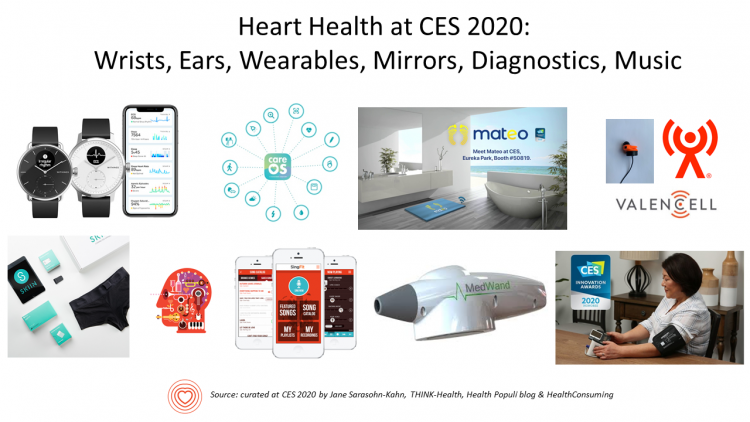
The digital health presence at CES 2020 is the fastest-growing segment of consumer technologies at the Show this year, increasing by 25% over 2019. Heart-focused technologies are a big part of that growth story. In fact, in our search for devices and tools underpinned with clinical proof, evidence is growing for consumer-facing technology for heart-health, demonstrated by this year’s CES. Wrist-worn devices, digital therapeutics, patient engagement platforms, pharma and health plans converged at this year’s CES, with the professional association “blessing” of the American College of Cardiology who granted a continuing medical education credit for physicians attending a one-day “disruptive
The Internet of Teeth – The Growth of Oral Health at CES 2020
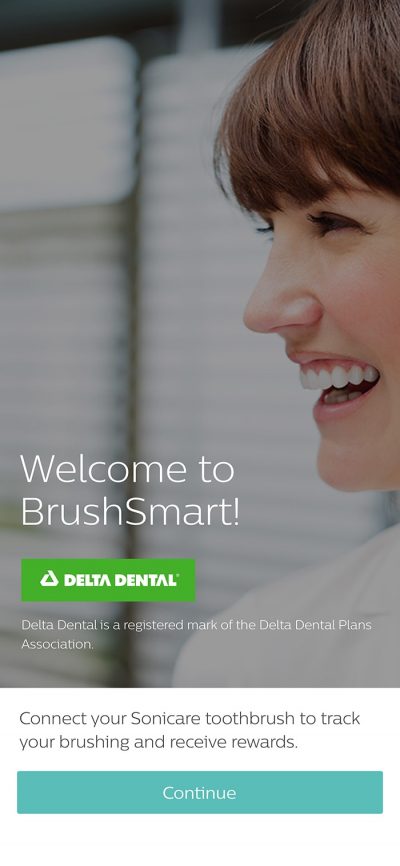
The presence of health and medicine is growing at CES, the annual conference of all-things-tech for consumers. At this week’s Show in Las Vegas, we see that the Internet of Healthy Things (a phrase coined by Dr. Joe Kvedar) has taken hold and gone mainstream in remote health monitoring, wearable tech, and heart rate tracking which is now embedded (and expected by health-seeking consumers) in wristbands. An expanding category in the Internet of Healthy Things is oral care. Let’s call this the Internet of Teeth, yet another riff on “IoT.” Of course, oral health goes well beyond teeth and toothbrushes.
“Digital Health Is An Ecosystem of Ecosystems” – CTA’s 2020 Trends to Watch Into the Data Age
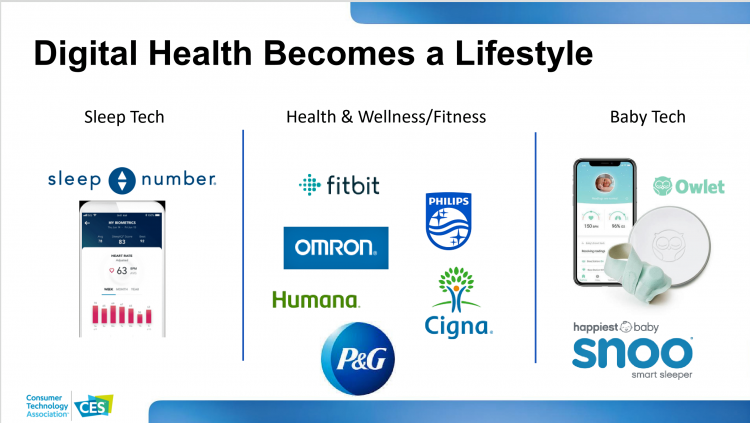
In CTA’s 2020 Consumer Tech Forecast launched yesterday at Media Day 1 at CES, Steve Koenig VP of Research, said that, “digital health is an ecosystem of ecosystems.” Health, medical and wellness trends featured large in the forecast, which brought together key trends for 5G, robotics, voice tech, AR/VR/XR, and the next iteration of IoT — which Steve said will still be called “IoT,” but in this phase will morph into the “Intelligence of Things.” That speaks to Steve’s phrase, “ecosystem of ecosystems,” because that’s not just “digital” health — that’s now the true nature of health/care, and what is
Living in Digital Healthcare Times – Kicking off #DigitalHealthCES & #CES2020
Today is Day 1 of two Media Days at #CES2020 in Las Vegas, kicking off this manic week of the Consumer Electronics Show at the Mandalay Bay convention center. For several years, I’ve convened with journalists and industry analysts from around the world for these two days before the “official” opening of CES to hear the latest news from some of the largest tech-focused companies on Earth. Announcements come from across industry sector — from automotive and transportation, telecoms, consumer goods, entertainment, social media, travel, and retail…with platform technologies playing a role including but not limited to AI, AR/VR/XR (the
What HealthyThinker Is Thinking About Health at CES 2020

Next week, the Consumer Technology Association (CTA) will convene CES, the Consumer Electronics Show, where over 180,000 tech-minded people from around the world will convene to kick the tires on new TVs, games, smart home devices, 5G connections, 3-D printing, drones, and to be sure, digital health innovations. At #CES2020, exhibitors in the health/care ecosystem will go well beyond wearable devices for tracking steps and heart rate. I’ll be meeting with wearable tech innovators along with consumer electronics companies and retailers. I’ve also scheduled get-togethers with pharma and life science folks, health plan people, and execs from consumer health companies.
Food As Medicine: Grocery Stores Expand as Health Destinations While the Federal Government Cuts Food Stamps
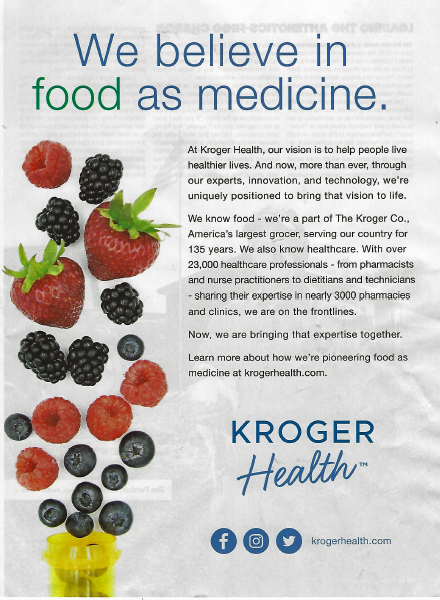
There’s something like cognitive dissonance as I prepare my 2020 Health Populi TrendCast of what to expect in the health/care ecosystem in the new year. One of my key pillars for health-making is food-as-medicine, and that opportunity in this moment resonates in this holiday season with Dickens’ “Best of Times, Worst of Times” context-setting that kicks off Great Expectations. In the “best of times” part of the food+health equation, we recognize the growing role of grocery stores, food-tech and food manufacturers in the health/care landscape. A current example comes from Kroger, partnering with Ascension’s health system in Tennessee, enhancing the organization’s
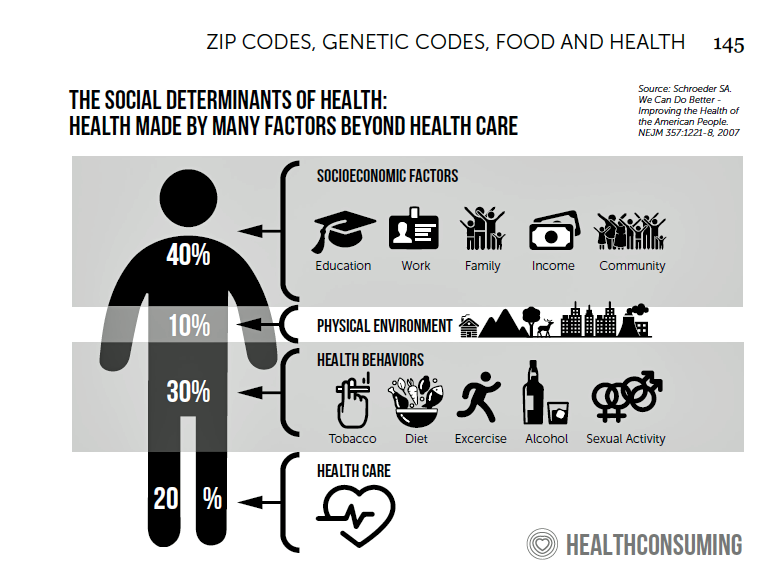
Social Determinants of Health – My Early Childhood Education and Recent Learnings, Shared at the HealthXL Global Gathering
My cousin Arlene got married in Detroit at the classic Book Cadillac Hotel on July 23, 1967, a Sunday afternoon wedding. When Daddy drove us back out to our suburban home about 30 minutes from the fancy hotel, the car radio was tuned to WWJ Newsradio 950, all news all the time. As soon as Daddy switched on the radio, we were shocked by the news of a riot breaking out in the city, fires and looting and gunshots and chaos in the Motor City. Two days later, my father, who did business with Mom-and-Pop retail store owners in the
Art As Medicine – WHO Weaves the Evidence for Arts’ Role in Improving Health

“What’s the evidence on the role of the arts in improving health and well-being?” asks a report from the World Health Organization‘s Europe region team (WHO-Europe). There’s a lot of proof supporting arts-as-medicine, WHO details in this paper, which synthesizes research published in over 3,000 studies. The first chart illustrates the logic model that bridges arts to health in three segments: “Components” of arts programs, including but not limited to cognitive stimulation (e.g., learning a new arts skill such as painting, drawing or journaling), social interaction (e.g., participating in theatre), physical activity (e.g., dance), and evocation of emotion (e.g., listening
The New Health/Care is Patient-Led, Retail-Enabled – The GMDC Self-Care Summit
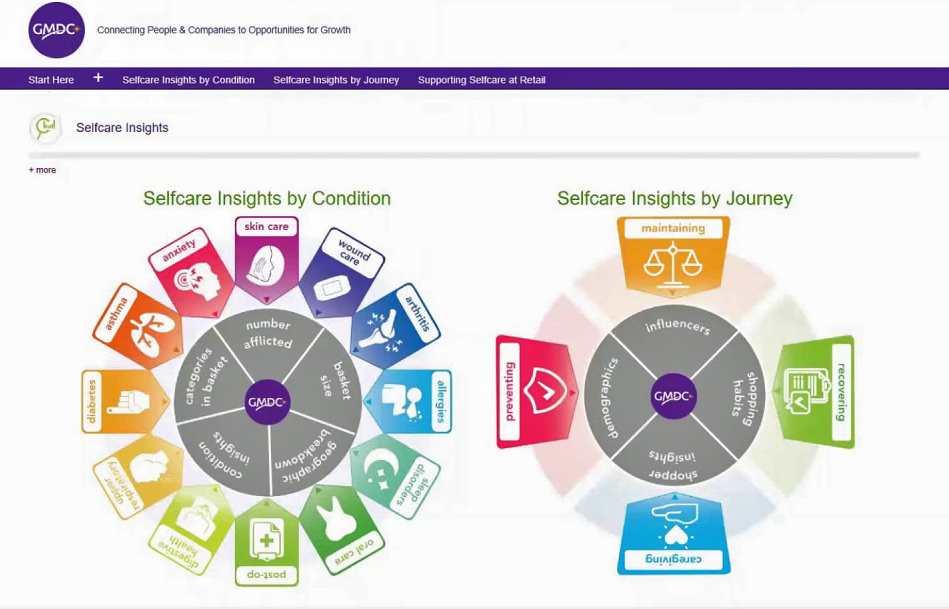
SelfCare is health/care, particularly as patients, everyday people, take on greater responsibility for clinical decisions and paying for medical services. We’re convening today through Sunday in Indianapolis with GMDC, the Global Market Development Center and Retail Tomorrow to brainstorm the current and future prospects for SelfCare, health and wellness in the hands, hearts, and homes of consumers. To bolster the message and engage with industry stakeholders, GMDC collaborated with the Hamacher Resource Group to develop a SelfCare Roadmap, an interactive tool that provides insights into twelve conditions where consumers typically looking to DIY their health using over-the-counter medicines, supplies and
The Rise of Social Determinants of Health in Healthcare is Just Real Life Stuff for People, Patients, Consumers

Based on the influx of research studies and position papers on social determinants of health flowing into my email box and Google Alerts, I can say we’re past the inflection point where SDoH is embraced by hospitals, professional societies, health plans and even a couple of pioneering pharma companies. PwC published a well-researched global-reaching report this week appropriately titled, Action required: The urgency of addressing social determinants of health. The “wheel of determinants” illustrates potential partners for collaborating in communities to address SDoH factors. The collaborators include governments, health care providers, payors, life science and pharma, tech and telecomms, policy
How Whirlpool’s #CareCounts Campaign Bolsters a Key Social Determinant of Health
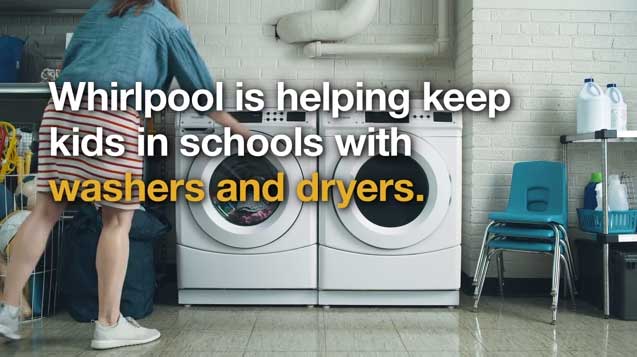
Did you know that September is Attendance Awareness month? Me, neither. But reading one of last Sunday’s national newspapers, I noticed a full-page ad that read, “Whirlpool is helping keep kids in schools with washers and dryers.” Reading further on, the copy called out two data points making the point about laundry and education: One in five students don’t have access to clean clothes, making them more likely to miss school; and Students who miss school are 7 times more likely to drop out of educational system. The full ad’s theme in the words of Whirlpool is that, “Education has a
Health Care and the Democratic Debates – Round 2 – Battle Royale for M4All vs Medicare for All Who Want It – What It Means for Industry

Looking at this photo of the 2020 Democratic Party Presidential candidate debater line-up might give you a déjà vu feeling, a repeat of the night-before debate. But this was Round 2 of the debate, with ten more White House aspirants sharing views — sometimes sparring — on issues of immigration, economic justice, climate change, and once again health care playing a starring role from the start of the two-hour event. The line-up from left to write included: Marianne Williamson. author and spiritual advisor John Hickenlooper, former Governor of Colorado Andrew Yang. tech company executive Pete Buttigieg, Mayor of South Bend,
IKEA Garners the Top Health & Wellness Award at Cannes Lions 2019 – the Expanding Health/Care Ecosystem
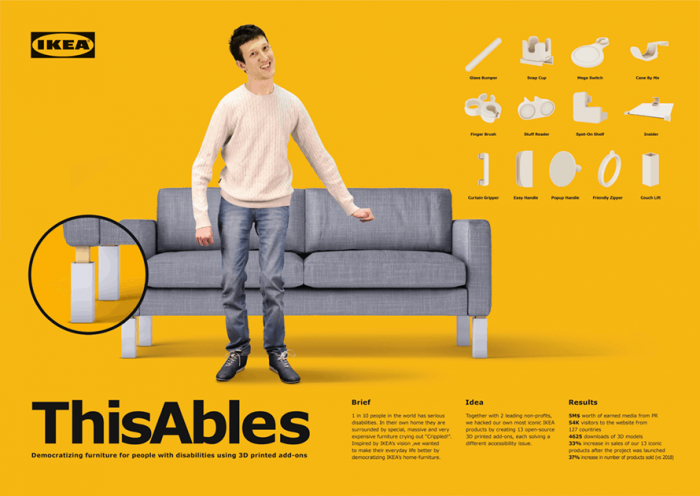
“Health is now everyone’s business,” Shaheed Peera, Executive Creative Director of Publicis LifeBrands, said this week at the 2019 Cannes Lions awards. Shaheed also led the Health & Wellness jury at Cannes Lions 2019, the mission of which is to, in the words of the award’s portal, “celebrate creativity for personal wellbeing.” The Grand Prix Lions award for Health & Wellness went to IKEA for the company’s ThisAbles campaign. ThisAbles is a project pioneered by IKEA’s team in Israel, looking to improve everyday living for people with special needs through well-designed IKEA products. IKEA collaborated with non-profit organizations to develop
People Want to Flourish, Not Just Live – Speaking Health Politics to Real People
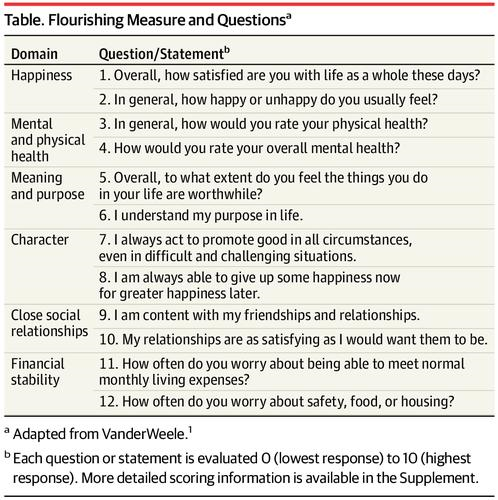
“How should we define ‘health?'” a 2011 BMJ article asked. The context for the question was that the 1948 World Health Organization definition of health — that health is, “a state of complete physical, mental and social well-being and not merely the absence of disease or infirmity”– was not so useful in the 21st century. The authors, a global, multidisciplinary team from Europe, Canada and the U.S., asserted that by 2011, human health was marked less by infectious disease and more by non-communicable conditions that could be highly influenced, reversed and prevented through self-care by the individual and public health policy
How Consumers’ Belt-Tightening Could Impact Health/Care – Insights from Deloitte’s Retail Team

Over the ten years between 2007 and 2017, U.S. consumer spending for education, food and health care substantially grew, crowding out spending for other categories like transportation and housing. Furthermore, income disparity between wealthy Americans and people earning lower-incomes dramatically widened: between 2007-2017, income for high-income earners grew 1,305 percent more than lower-incomes. These two statistics set the kitchen table for spending in and beyond 2019, particularly for younger people living in America, considered in Deloitte’s report, The consumer is changing, but perhaps not how you think. The authors are part of Deloitte Consulting’s Retail team. The retail spending data
When Will Self-Service Come to Health Care?

At least one in three people who have tried out virtual health care have done so because they use technology in all aspects of life and want to do the same with their healthcare. This data point has informed my vision for self-care and the home as our health hub, bolstered in part through the research of Accenture from which this first graphic comes. A common theme at health care meetings these days is how and when health care will meet its Amazon, Apple, or Uber moment? Lately, one of my speaking topics is the “Amazon Prime-ing” of health consumers,
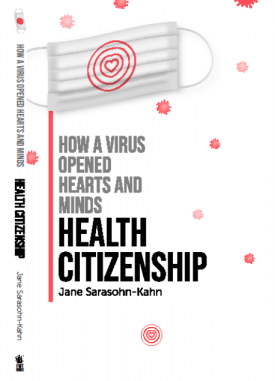
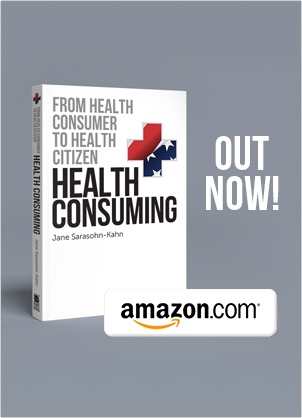
 Thank you Aaron Strout for hosting our conversation on the Reaching Higher Podcast, now live on Apple, Spotify, and YouTube. We covered a lot of ground addressing health care and health citizenship, the growing prospects for our homes as our health hubs, and how our humanity is a key ingredient in health-making for all.
 Jane joined host Dr. Geeta "Dr. G" Nayyar and colleagues to brainstorm the value of vaccines for public and individual health in this challenging environment for health literacy, health politics, and health citizen grievance. Click onto the Pfizer Value of Vaccines site and you can watch four episodes covering the challenges with adult vaccination, the employer and health plan member's journey to vaccination, reimbursement, and collaborating for proactive prevention.
 I'm grateful to be part of the Duke Corporate Education faculty, sharing perspectives on the future of health care with health and life science companies. Once again, I'll be brainstorming the future of health care with a cohort of executives working in a global pharmaceutical company.