


Jasper, Scaling a Human Touch for People Dealing with Cancer, Now With Walgreens
Each year, the first Sunday in June marks National Cancer Survivors Day. This year’s NCSD occurred two days ago on Sunday, 5th June. When you’re a cancer survivor, or happen to love one, every day is time to be grateful and celebrate that survival of someone who has come through a cancer journey. We all know (or are) people who have survived cancer. We know that the recipe for battling cancer goes beyond chemotherapy. We know of the resilience and grit required in the process: body, mind, and spirit. “Celebrate Life” is the mantra of NCSD, as this year’s campaign
What If Costco Designed the Prescription Drugs Sales Model?
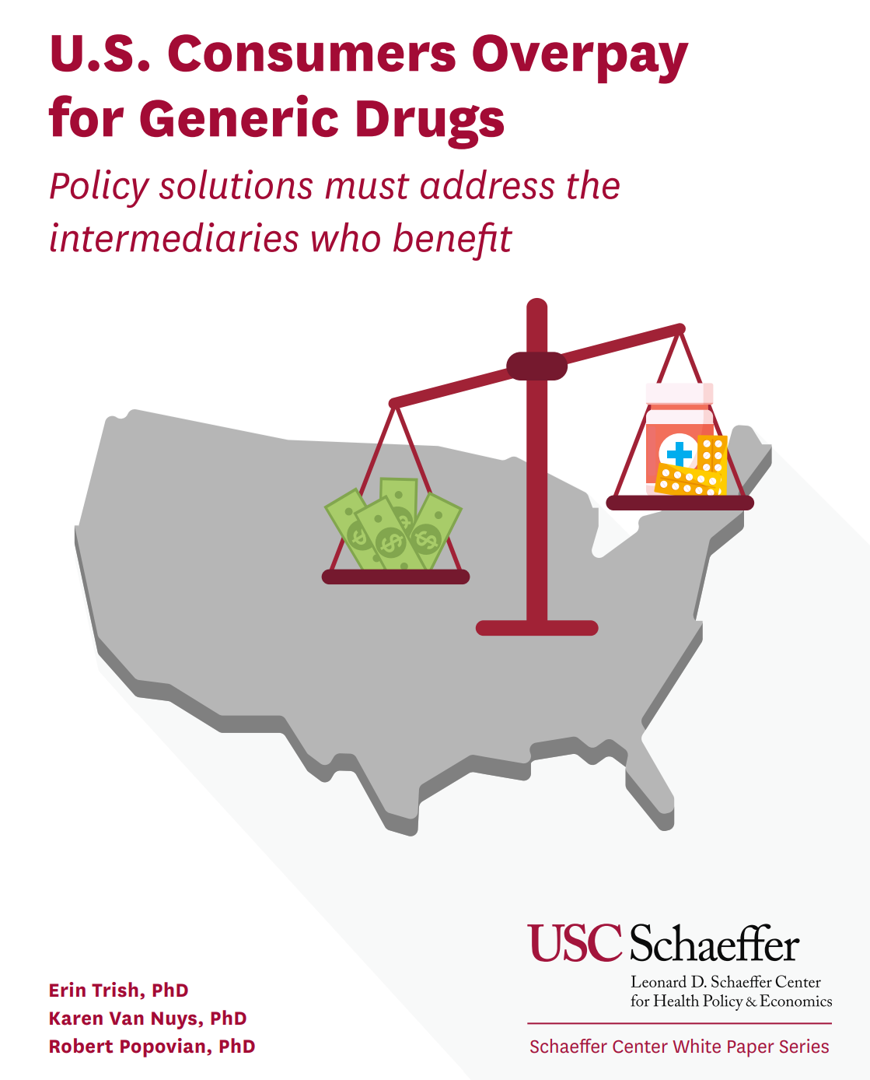
The good news about prescription drugs, in the context of medical spending in the U.S., is that 9 in 10 medicines prescribed are generics. They comprise only 3% of all U.S. healthcare spending. But there’s bad news about prescription drugs in the context of medical spending in America. U.S. Consumers Overpay for Generic Drugs, a new paper from the Leonard Schaeffer Center for Health Policy & Economics asserts, with recommendations to address the intermediaries who benefit from the way Americans currently pay for medicines. Generics are “an American success story,” the authors call out, bringing
The Health of Older Americans in 2022 – Risks from the Pandemic, Isolation, and Social Determinants
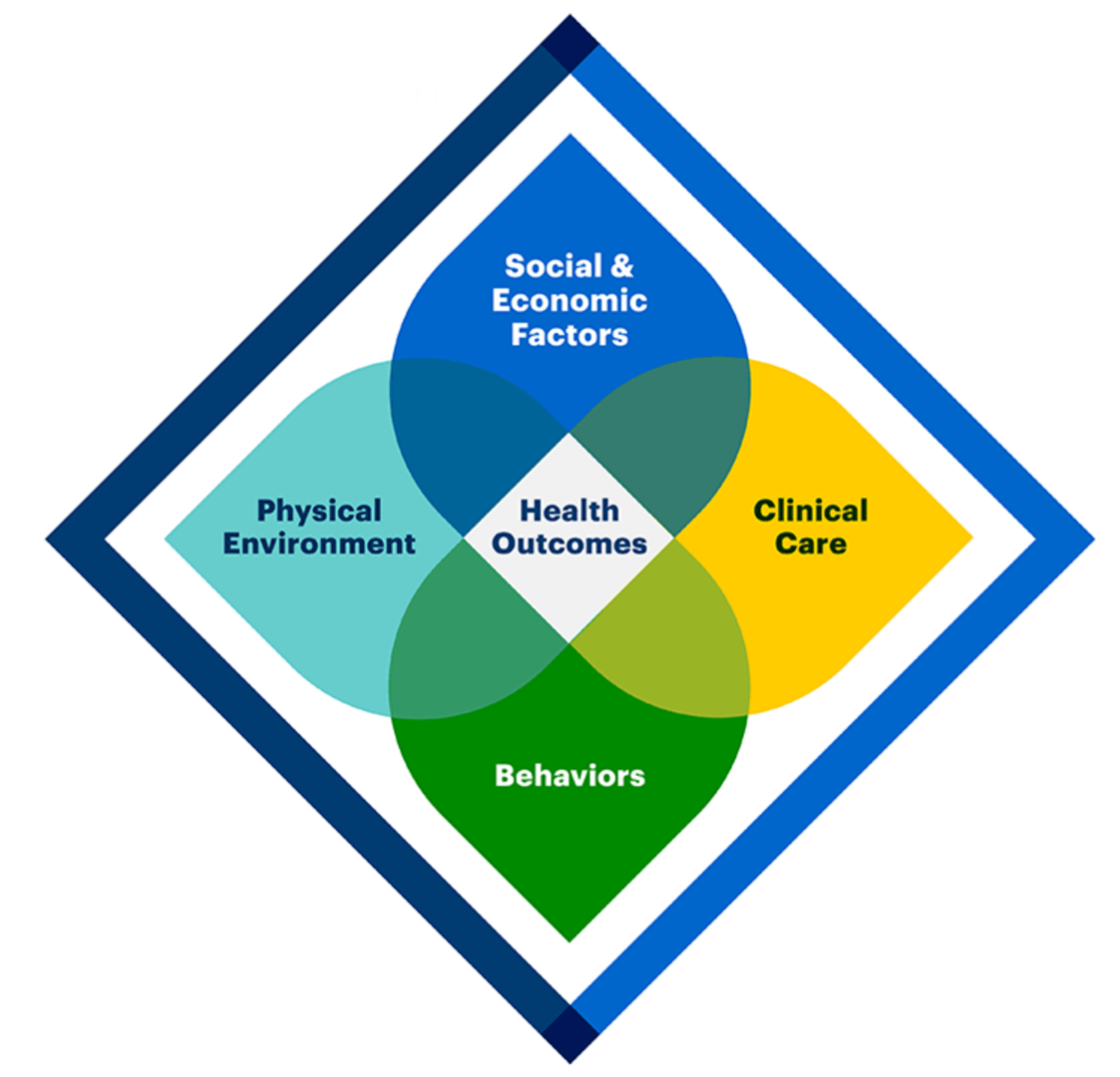
For millions of older people in America, health and well-being got worse in the wake of the COVID-19 pandemic. Physical, mental and behavioral health took hits, depending on one’s living situation, social determinants of health risks, and even health plan, I write in the Medecision Liberate Health blog. In this essay on health disparities and equity for older adults, I weave together new data from, The United Health Foundation’s study on seniors’ health status in America’s Health Rankings for 2022 RAND and CMS research into seniors health disparities among Medicare Advantage
A New Chevy Equinox SUV, a Year in Grad School, or Health Care for Four – The 2022 Milliman Medical Index
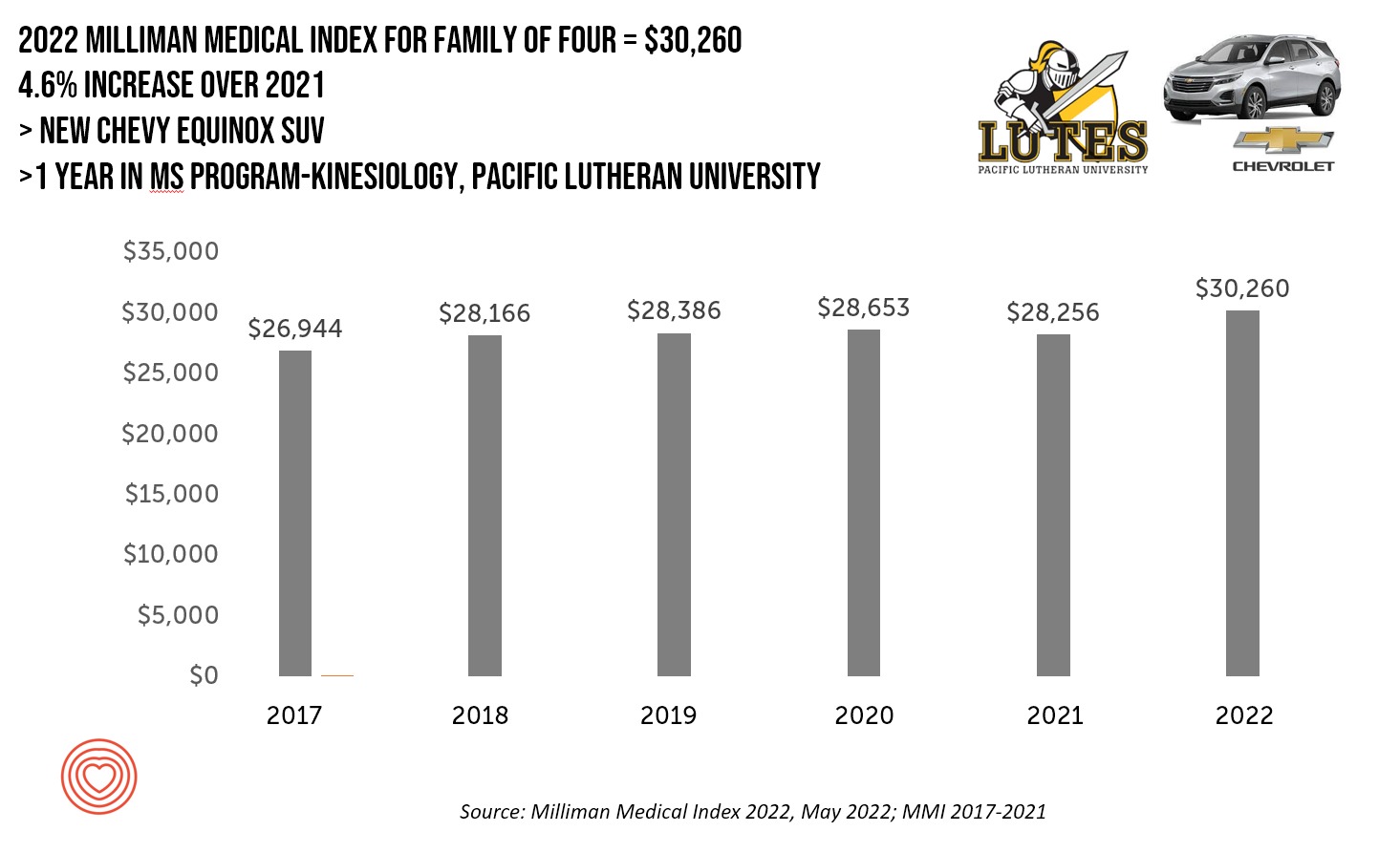
A new Chevy Equinox SUV, a year in an MS program in kinesiology at Pacific Lutheran U., or health care for a family of four. At $30,260, you could pick one of these three options. Welcome to this year’s 2022 Milliman Medical Index, which annually calculates the health care costs for a median family of 4 in the U.S. I perennially select two alternative purchases for you to consider aligning with the MMI medical index. I have often picked a new car at list price and a year’s tuition at a U.S. institution of
Social Determinants of Health Risks Challenge the Promise of Hospital-to-Home
In the wake of the pandemic and growing consumer preferences, the hospital-to-home movement is gaining traction among health systems. Amidst bullish forecasts for the promise of hospital-to-home discharges, the ability for many patients to make this migration would be a difficult bridge to cross. On the promising front, recent studies reviewed through a meta-analysis published in JAMA found that hospital-to-home programs can be clinically and cost-effective for inpatients discharged from hospital. Earlier this year, McKinsey addressed how “Care at Home” ecosystems can reshape the way health systems — and people — envision patient care. This
The Patient as Consumer and Payer – A Focus on Financial Stress and Wellbeing
Year 3 into the COVID-19 pandemic, health citizens are dealing with coronavirus variants in convergence with other challenges in daily life: price inflation, civil and social stress, anxiety and depression, global security concerns, and the safety of their families. Add on top of these significant stressors the need to deal with medical bills, which is another source of stress for millions of patients in America. I appreciated the opportunity to share my perspectives on “The Patient As the Payer: How the Pandemic, Inflation, and Anxiety are Reshaping Consumers” in a webinar hosted by CarePayment on 25 May 2022. In this
Pondering War, Peace, Democracy and Dad on Memorial Day, 2022

My father, Charles Sarasohn, was a member of the U.S. Army serving as a Jungleer in World War II. He fought in the Pacific Theatre, in New Guinea and the Philippines. Dad’s the one on the right, holding what was a cheeky pin-up drawing. The root of the noun “Jungleer” is “jungle.” Dad carried a long gun with a bayonet on the end, a sort of small sword he and his Best Generation Band of Brothers in the 41st Infantry Division of the U.S, Army used to slash their way through the
Food, Cars, and Tech: Here’s How U.S. Consumers Rank Companies’ Reputations – the 2022 Axios-Harris Poll
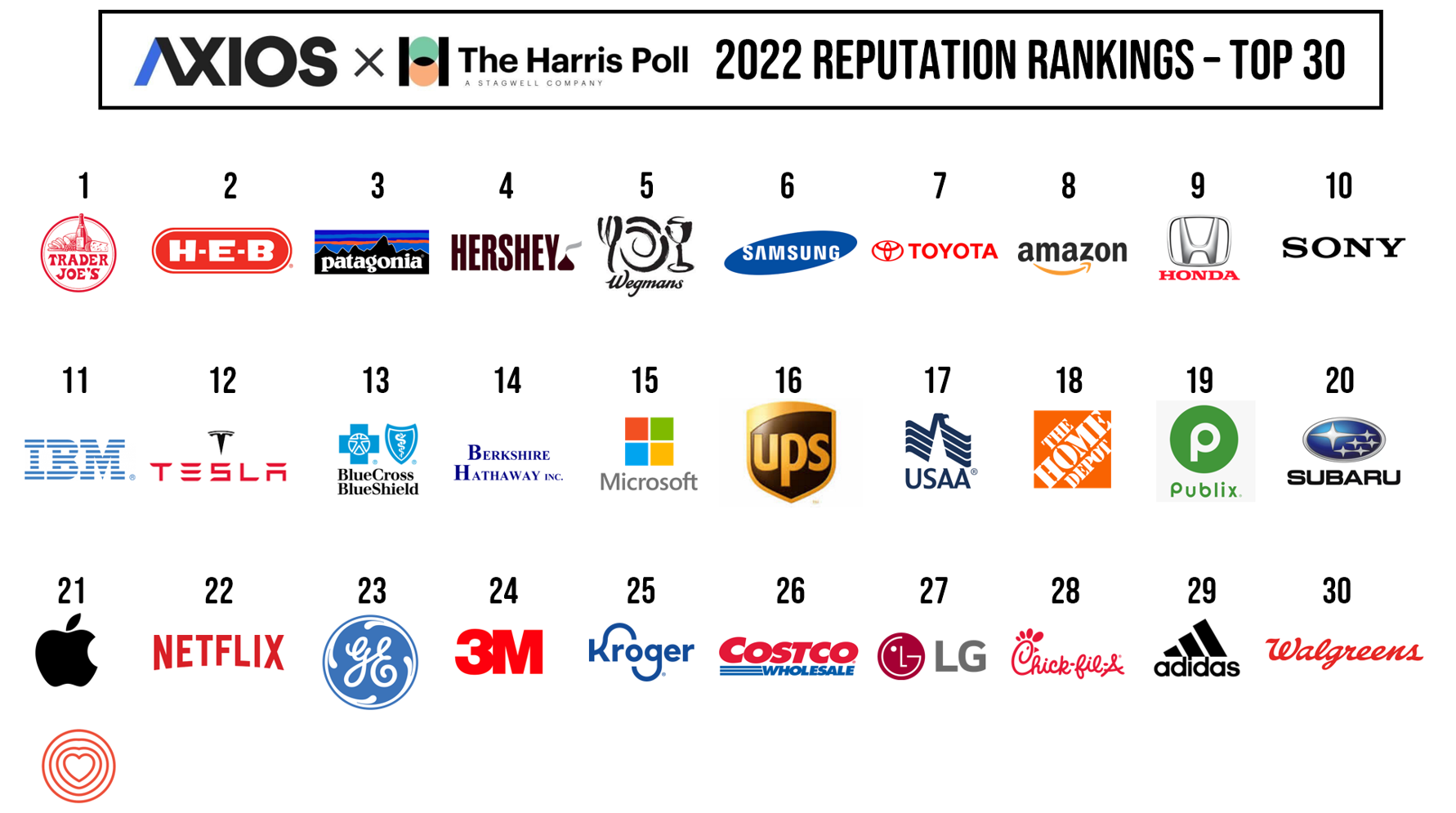
We’re all about food and cars and our technology, looking at the 2022 Axios Harris Poll 2022 Reputation Rankings published this week. I’ve curated the logos of the top 30 companies based on the Poll’s survey of 33,096 U.S. adults conducted in March and April 2022. The survey assessed peoples’ awareness of companies that either “excel or falter in society,” according to the study methodology. Here you see the top 30. The COVID-19 pandemic bolstered consumers’ awareness and call-to-action for peoples’ basic needs: food, working-from-home (thus, tech as a determinant of health and wellbeing),
Mental Health Risks in Mid-2022 Related More to Global Anxieties and Safety, Not-So-Much COVID
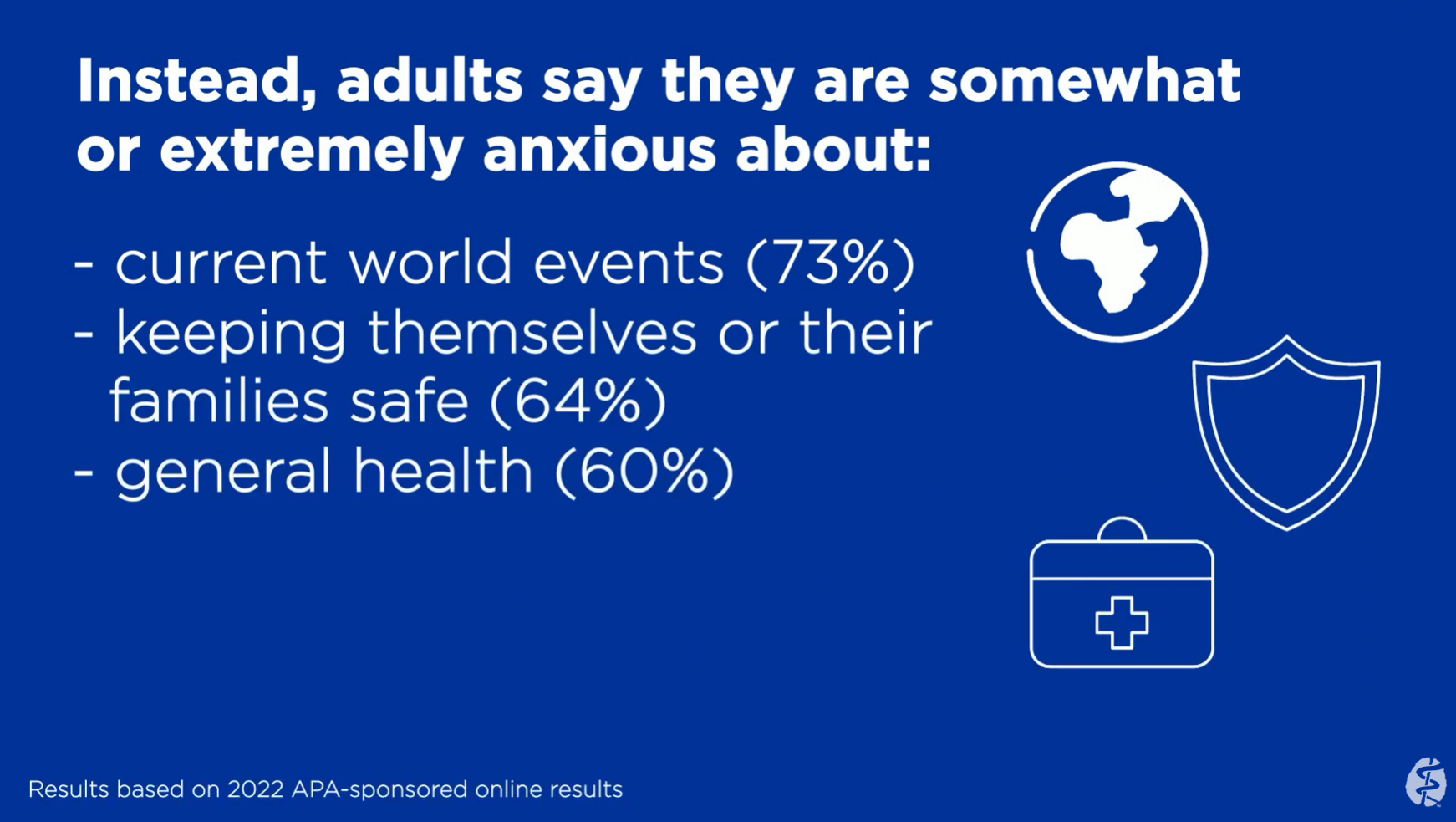
With peoples’ anxiety about COVID-19 at its lowest point since 2020, folks are most anxious in spring 2022 about current global events and the safety of their families, based on the latest Healthy Minds study from the American Psychiatric Association (APA). Morning Consult conducted the poll for the APA in March and April 2022 among 2,210 U.S. adults. The survey covered peoples’ perspectives on mental health care, anxiety, COVID-19, children’s mental health, and the workplace. The results were published May 22, 2022. The key findings of the study were that, 3 in 4 people are
How Trust and Geopolitics Will Impact Health and Business – Edelman 2022 Trust Barometer at the World Economic Forum in Davos
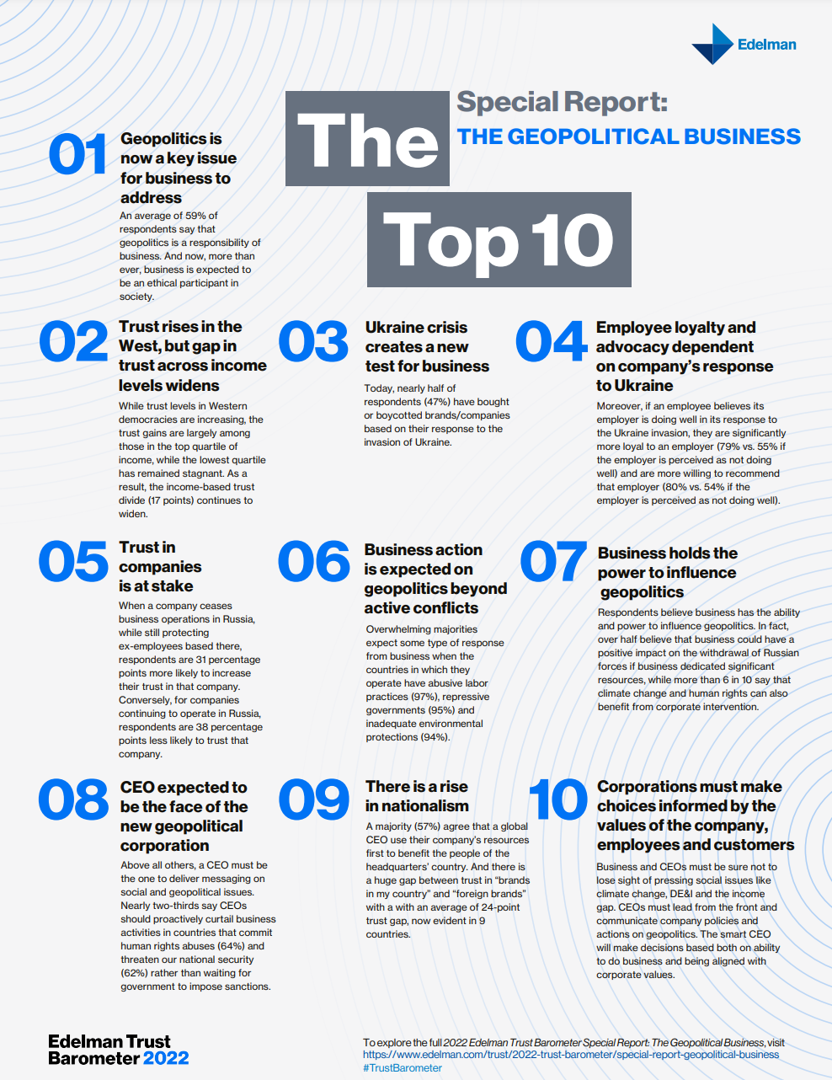
When we think about the state of Trust in in mid-2022, there is some good news: Trust is rising (at least in democratic countries, while falling in autocratic ones). The bad news: the gap in Trust has dramatically widened between higher-income people compared with those earning lower-incomes, globally. And that gap is “tinder” that can be quickly sparked into a socio-political fire in countries around the world, Richard Edelman cautioned today when introducing the latest look at the 2022 Edelman Trust Barometer, focusing on geopolitics and business. We have never seen numbers like this
Health Care Costs At Retirement in 2022 Hit $315,000, Fidelity Forecasts
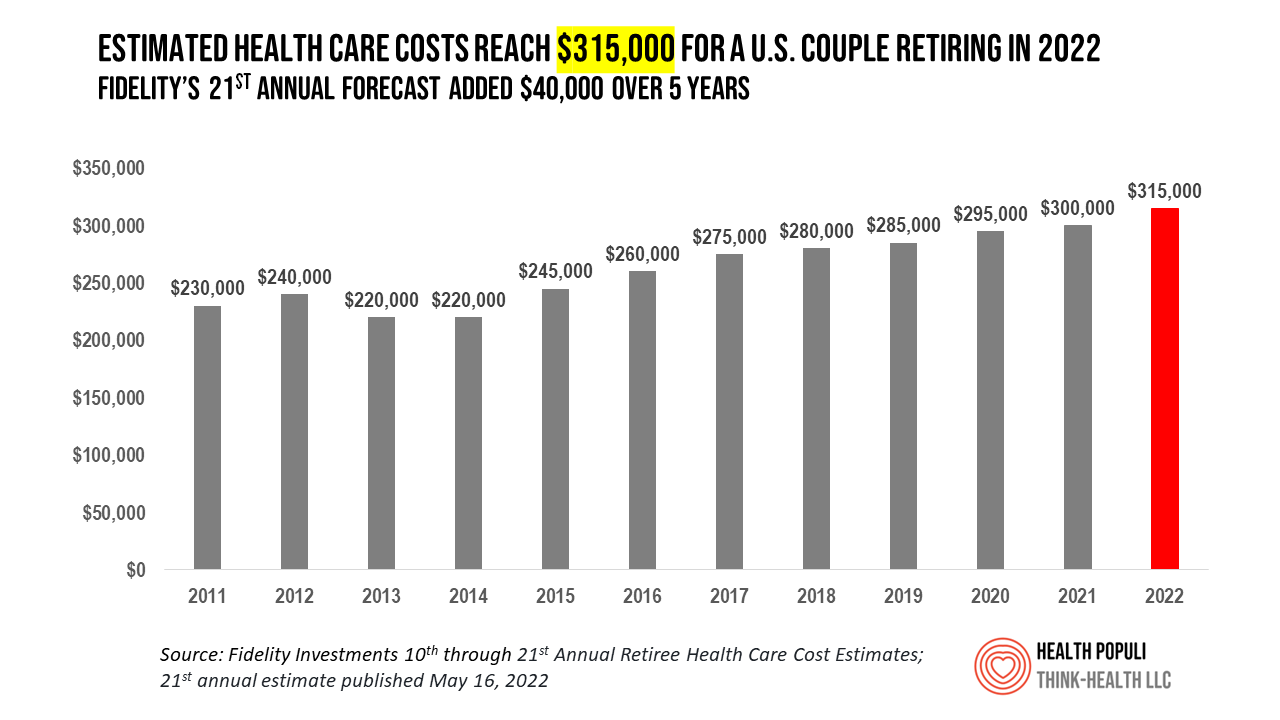
A couple retiring in 2022 should budget $315,000 to cover their health care costs in retirement, based on the 21st annual Retiree Health Care Cost Estimate from Fidelity Investments. For context, note that the median sales price of a home in the U.S. in April 2022 was $391,200. It’s important to understand what the $315,000 for “health care costs” in retirement does not cover, explained in Fidelity’s footnoted methodology: the assumption is that the hypothetical opposite-sex couple is enrolled in Original Medicare (not Medicare Advantage), and the cost estimate does not include other health-related expenses
Stress Is Playing A Big Role in Consumers’ Food Habits: Food-As-Medicine Update from IFIC
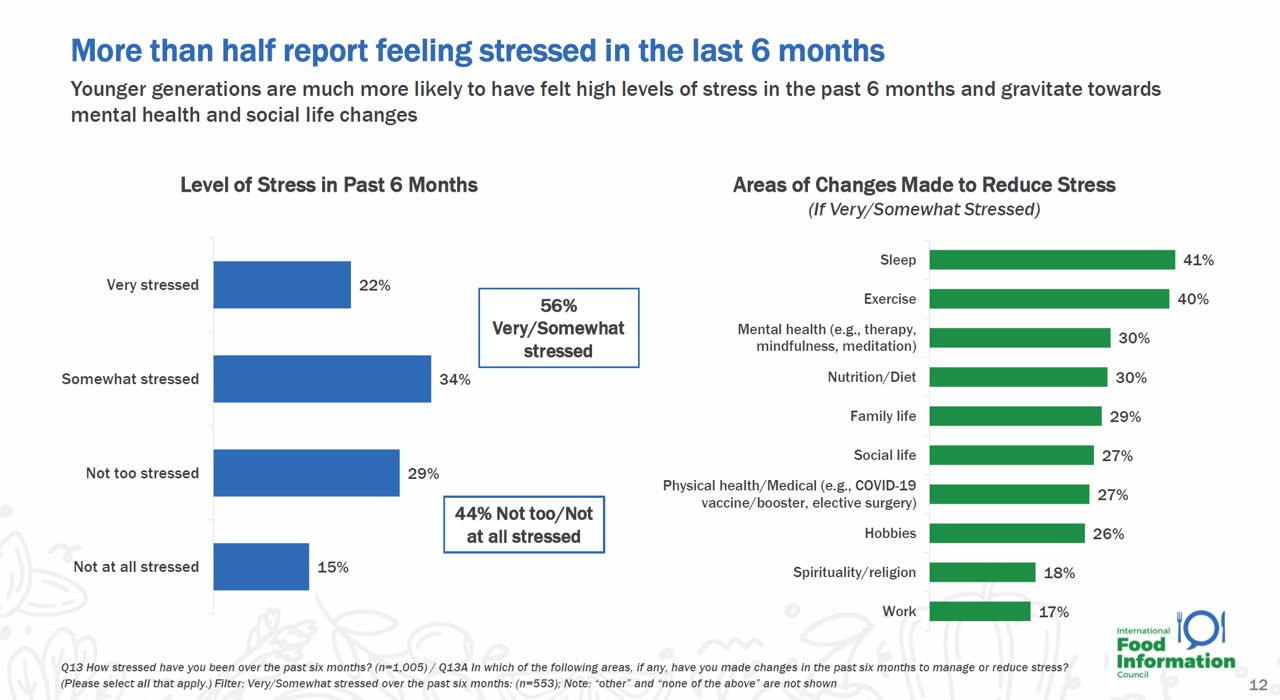
The COVID-19 pandemic accelerated consumers, globally, to take on more DIY roles as well as self-care for health and well-being. In addition, anxiety and stress are mainstream across demographics and have impacted the way people select and consume food, based on findings in the 2022 Food and Health Survey from the International Food Information Council (IFIC). In this 17th annual consumer survey, IFIC points to two underlying macro trends that are re-shaping peoples’ relationship with food and health: the pandemic’s impact, and “significant” generational shifts in taste, consumption, and values about nutrition and sustainability.
Digital Health Adoption Across Communities is Uneven By Rurality, Race, Health Plan, and Gender
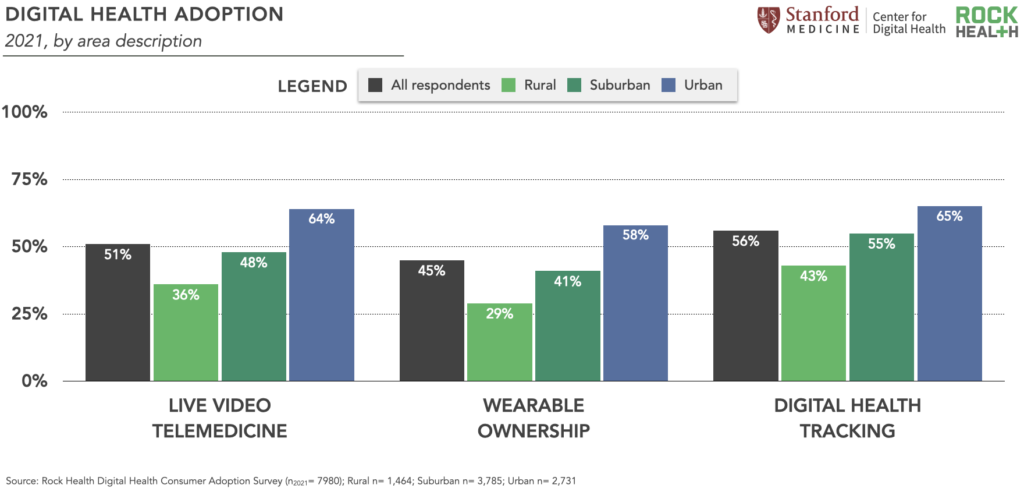
While telehealth, mobile health apps, and wearable technology are all growing for mainstream consumers, there are gaps in adoption based on where a person lives, their health insurance plan type, race/ethnicity, sexual orientation and gender. Thanks to the team at Rock Health, we know more about these gaps explained in their report, Startup innovation for underserved groups: 2021 digital health consumer adoption insights, published this week. The report examines three areas of digital health adoption: Live video telemedicine Wearable technology ownership, and Digital health tracking. We all know the mantra that our ZIP code impacts our
Reimagining Health Care Without Walls – Deloitte’s Vision
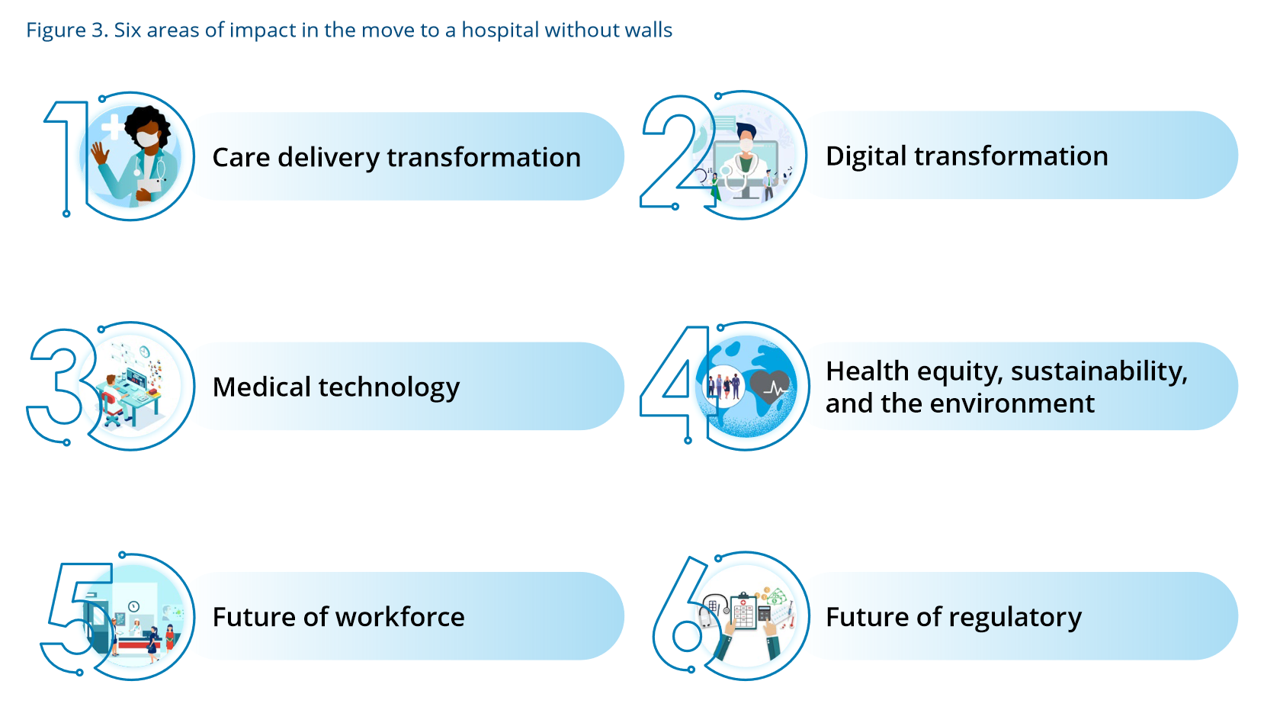
Delivering health care during the heights of the COVID-19 pandemic proved to both patients and their clinicians that virtual care was not only a viable channel for care, but very often a preferable “place” to collaborate for treatment. Even before the coronavirus pandemic emerged in early 2020, telehealth and the hospital-to-home movement were beginning to become part of a portfolio of delivery modes across the continuum of care. Deloitte spells out the current and future prospects for the Hospital in the future “without” walls in a new report that spells out driving forces, future scenarios, and impacts on a business long
Health is Our Most Important Relationship: Inconvenient Truths from MRM/McCann Truth Central

We’ve hit a great “healthcare trust” recession around the world, translating into lower multiple points of medical ‘facts’ and pseudoscience, lower adherence to therapeutic regimens, and clinician burnout that has compromised medicine as the team sport it ideally should be. And that’s just one of five inconvenient truths unearthed in The Truth About Our Relationships with Health, the first in a series of papers that MRM is developing to, in their words, “look at the truths pr7eventing us from achieving a better relationship with our own health and with those along our health journey.” This report from MRM analyzes research
Three in Five People 50+ in the US Will Likely Use Telehealth In the Future – An Update from AARP
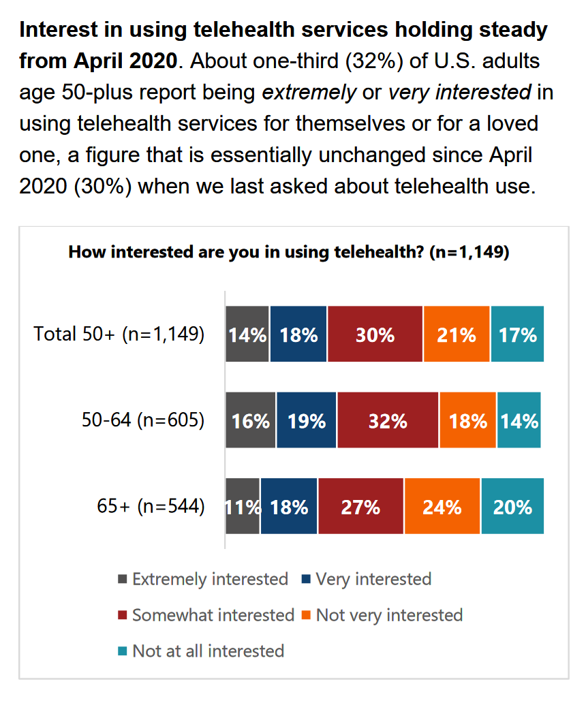
“Telehealth certainly appears to be here to stay,” the AARP forecasts in An Updated Look at Telehealth Use Among U.S. Adults 50-Plus from AARP. Two years after the emergence of the COVID-19 pandemic, one-half of U.S. adults over 50 said they or someone in their family had used telehealth. In early 2022, over half of those over 50 (the AARP core membership base) told the Association they would likely use telehealth in the future. This future expectation varies by race, the implications of which I discuss below in
People Thinking More About the Value of Health Care, Beyond Cost
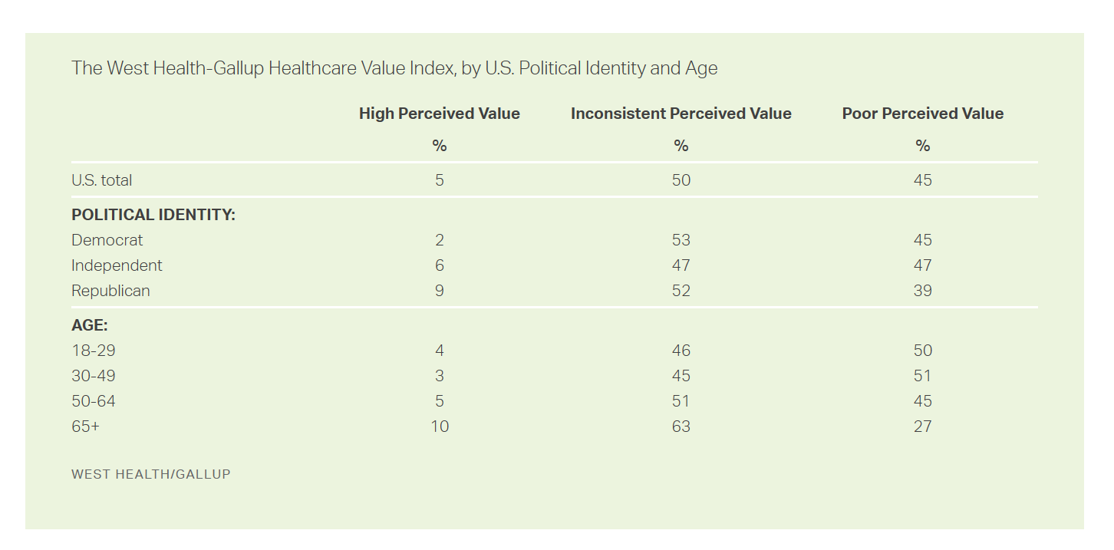
The rate of people in the U.S. skipping needed health care due to cost tripled in 2021. This prompted West Health (the Gary and Mary West nonprofit organizations’ group) and Gallup to collaborate on research to quantified Americans’ views on and challenges with personal medical costs. This has resulted in The West Health-Gallup Healthcare Affordability Index and Healthcare Value Index. The team’s research culminated in the top-line finding that some 112 million people in the U.S. struggle to pay for their care. That’s about 4.5 in 10 health citizens. Furthermore, 93% of people
The Demand for Self-Care At-Home Will Grow Post-Pandemic – Insights from IRI
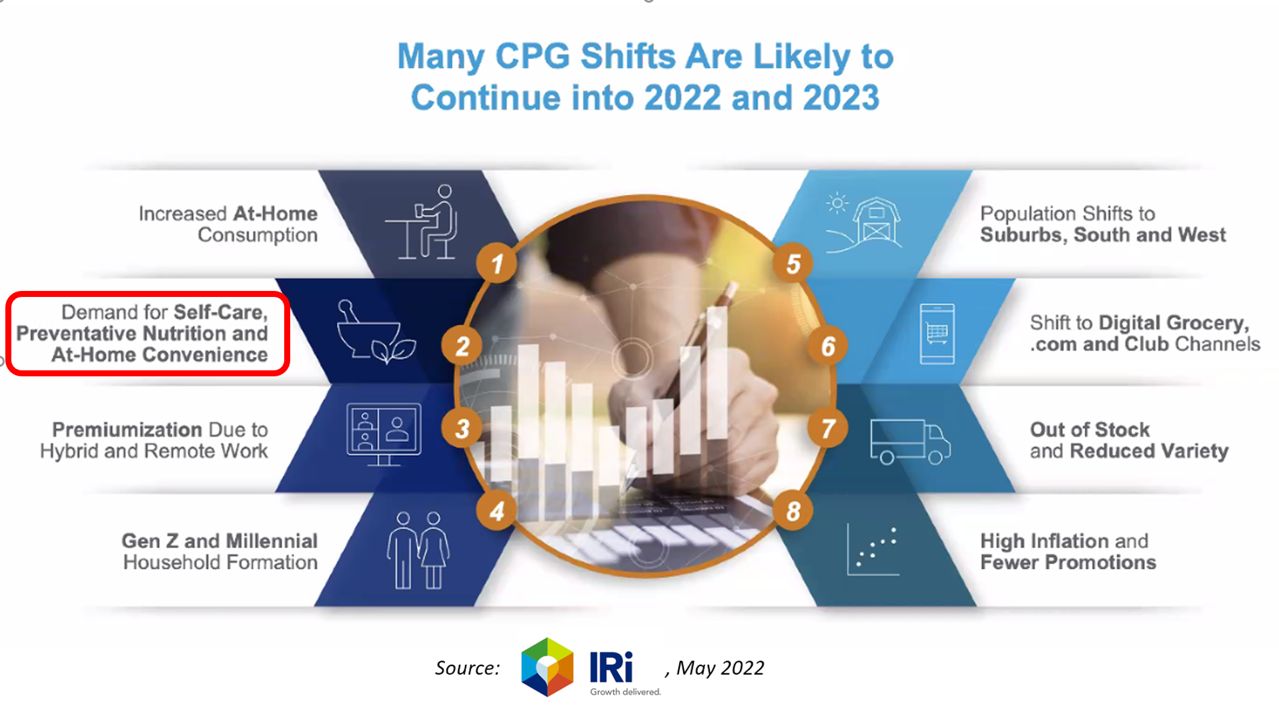
The coronavirus pandemic has re-shaped consumers across many life- and work-flows. When it comes to peoples’ relationship to consumer packaged goods (CPG), the public health crisis has indeed impacted consumers’ purchasing behaviors and definition of “value,” based on IRI’s latest analysis of CPG shifts in 2022 and 2023. IRI has been tracking COVID-19’s impact on CPG and retail since the emergence of the coronavirus. In this Health Populi post, I’ll discuss the research group’s assessment of CPG shifts of consumer packaged goods through my lens on health/care, everywhere — especially, in this case, the home.
Telehealth Update from the AMA – Setting the Context for ATA 2022 [Spoiler Alert: Doctors Want to Keep Using Telehealth]
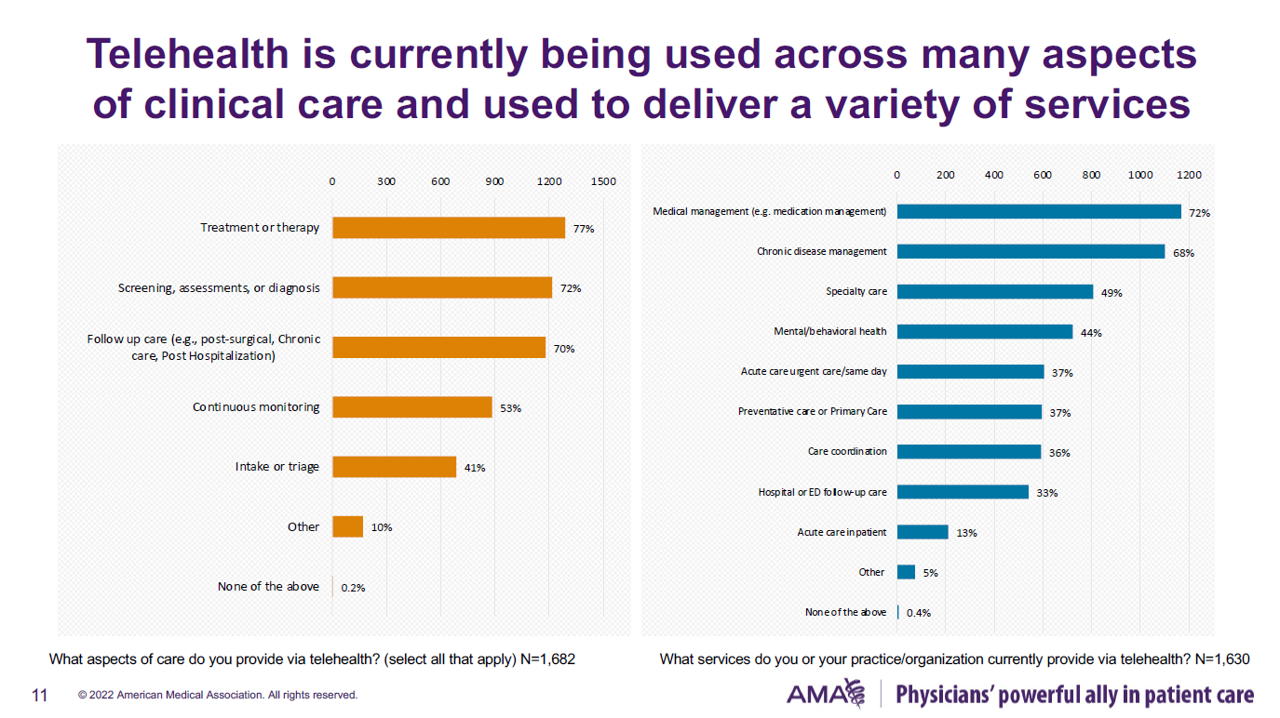
Four in five U.S. physicians were using telehealth to care for patients at the end of 2021. Among those doctors who were not providing telehealth by late 2021, just over one half never did so during the COVID-19 pandemic, according to the 2021 Telehealth Survey Report from the AMA. This report provides insightful context for the upcoming annual ATA Conference for 2022, being held in-person in Boston kicking off May 1st. The meeting will be a strategically important, as the title of the conference asks: “What Now? Creating An Opportunity in a Time of
How Health Gets Built – The Building H Index Thinking Health-By-Design
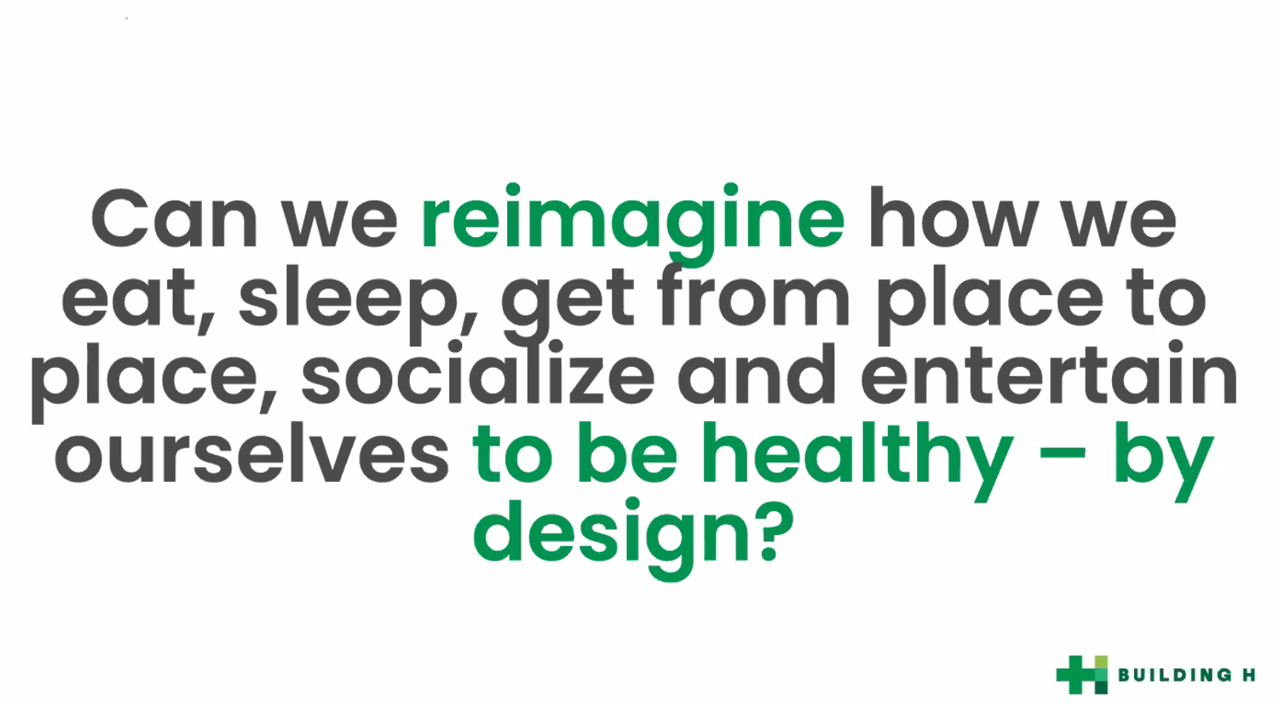
“It’s hard to be healthy in the U.S. today.” That is the underlying premise and reason for The Building H Index. Health happens outside of doctors’ offices and hospital operating rooms. Health is made in our homes, in our communities, in our daily lives as we go about working, playing, learning, and praying. Too often, in those daily life-flows, making a healthy decision is harder than defaulting to a less-healthy one. Sometimes, it’s pretty impossible given the state of, say, air quality that we breathe, lack of fresh produce and whole foods at the corner market, or seductively designed automobiles
Patients Look Beyond the Pandemic to Pharma for Engagement, Innovation, and Integrity
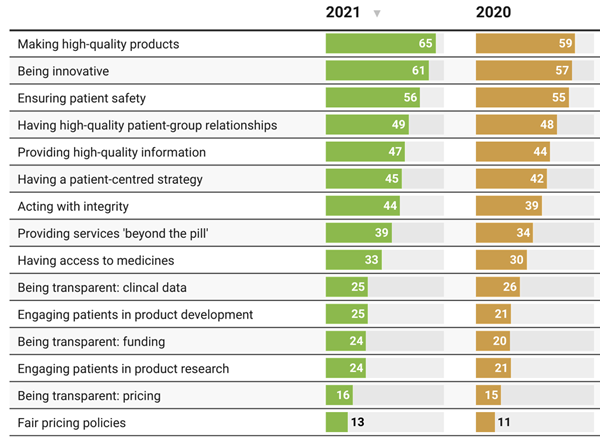
The COVID-19 pandemic has impacted patients who were already deeply engaged with their own health care before the coronavirus emerged. Compared with a year ago, more patients and their advocates are seeking quality therapies, innovation, engagement, and integrity from pharmaceutical companies, based on research published today from PatientView. PatientView, based in the UK, has collaborated with over 40,000 patient advocacy organizations globally marking over 10 years doing this research. The eleventh annual report on the Corporate Reputation of Pharma was conducted among 2,150 patient groups between November 2021 and February 2022, covering health citizens in Europe (with 1,229 organizations), North
Health Care and ESG on Earth Day 2022
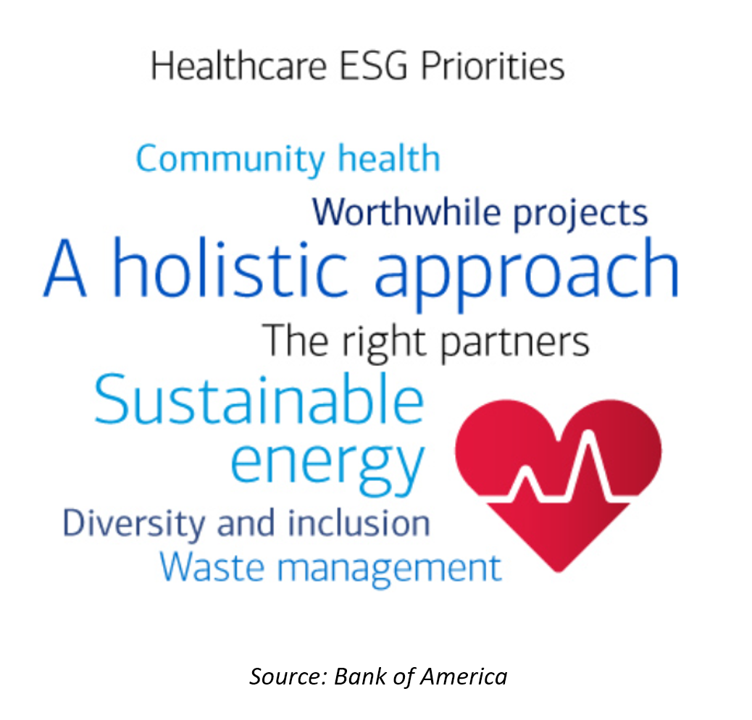
As health care industry stakeholders and policymakers have begun to recognize and address the underlying drivers of peoples’ health, there’s another acronym that is taking hold in health care beyond SDoH: that is ESG, standing for Environment Social, and Governance pillars of responsibility and activity. To mark this Earth Day 2022, I’ve written a brief primer on ESG for the health care community published today in the Medecision Liberate Health blog. Here in Health Populi, I’ll give you a few highlights with graphics you won’t see in that essay to illustrate some key
The Color of Care – Oprah and The Smithsonian Channel Partner on Health Equity
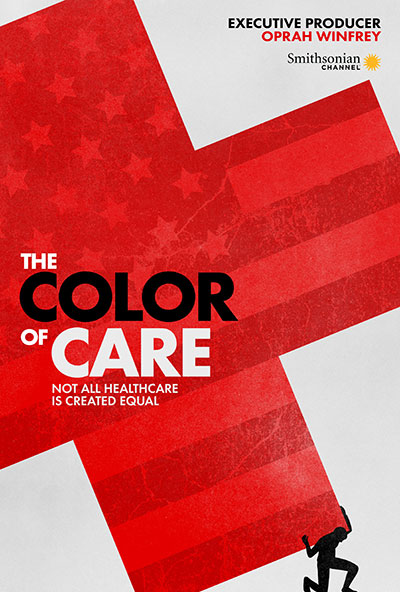
A new documentary and educational campaign on health equity will be launched on May 1st, 2022, from Oprah’s Harpo Productions studio partnering with The Smithsonian Channel. The Color of Care documents stories of people who have lost loved ones in the COVID-19 pandemic as well as expert interviews with frontline workers and public health experts and researchers sharing data on systemic racism in health care that has underpinned racial health disparities since slavery was instituted in America. Oprah’s website talked about the project, quoting her saying, “At the height of the pandemic, I read something that stopped me in
How Business Can Bolster Determinants of Health: The Marmot Review for Industry
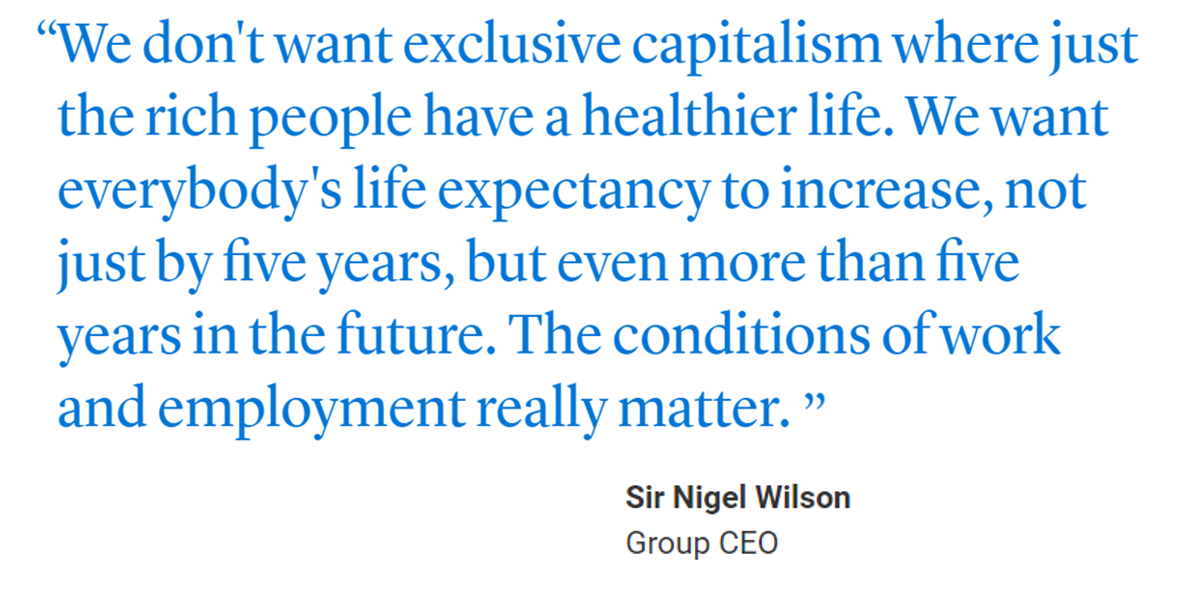
“Until now, focus on….the social determinants of health has been for government and civil society. The private sector has not been involved in the discussion or, worse, has been seen as part of the problem. It is time this changed,” asserts the report, The Business of Health Equity: The Marmot Review for Industry, sponsored by Legal & General in collaboration with University College London (UCL) Institute of Health Equity, led by Sir Michael Marmot. Sir Michael has been researching and writing about social determinants of health and health equity for decades, culminating publications
Making The Joy Choice for Our Health and Well-Being – a conversation with Michelle Segar
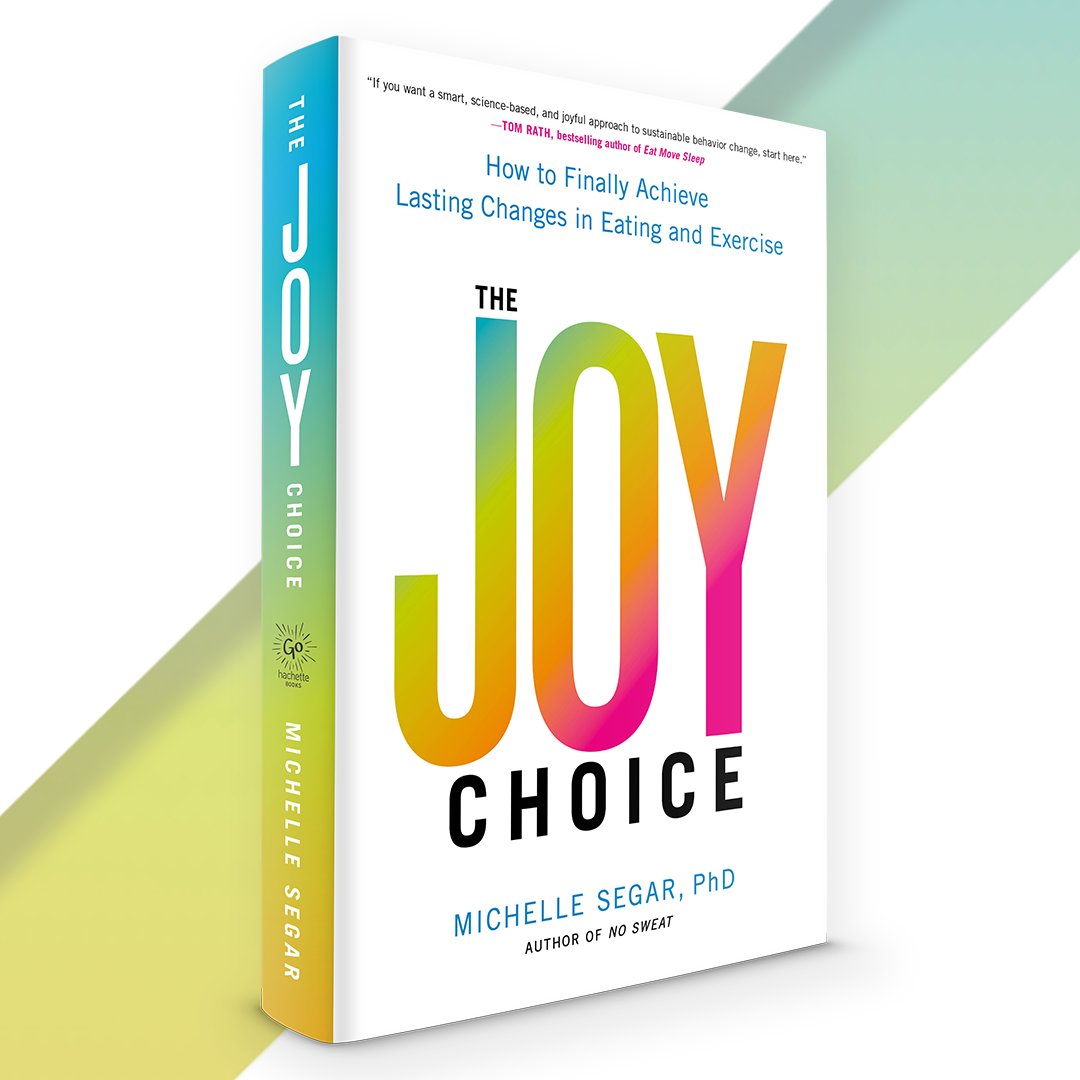
“Life has many ways of testing a person’s will, either by having nothing happen at all or by having everything happen all at once,” Paulo Coelho wrote in his novel, The Winner Stands Alone. Coelho is talking about the all-too-human condition of facing situations that are unplanned which test our patience, resilience, and grit. Our best-laid plans go awry – especially those for healthy behaviors, like exercising and eating well. Enter Michelle Segar, PhD, MPH, MS, NIH-funded researcher at the University of Michigan, sustainable-behavior-change expert, and health coach. Michelle is our go-to sage for helping us
How the Pandemic, Inflation and Ukraine Are Re-Shaping Health Consumers – Learnings from dunnhumby
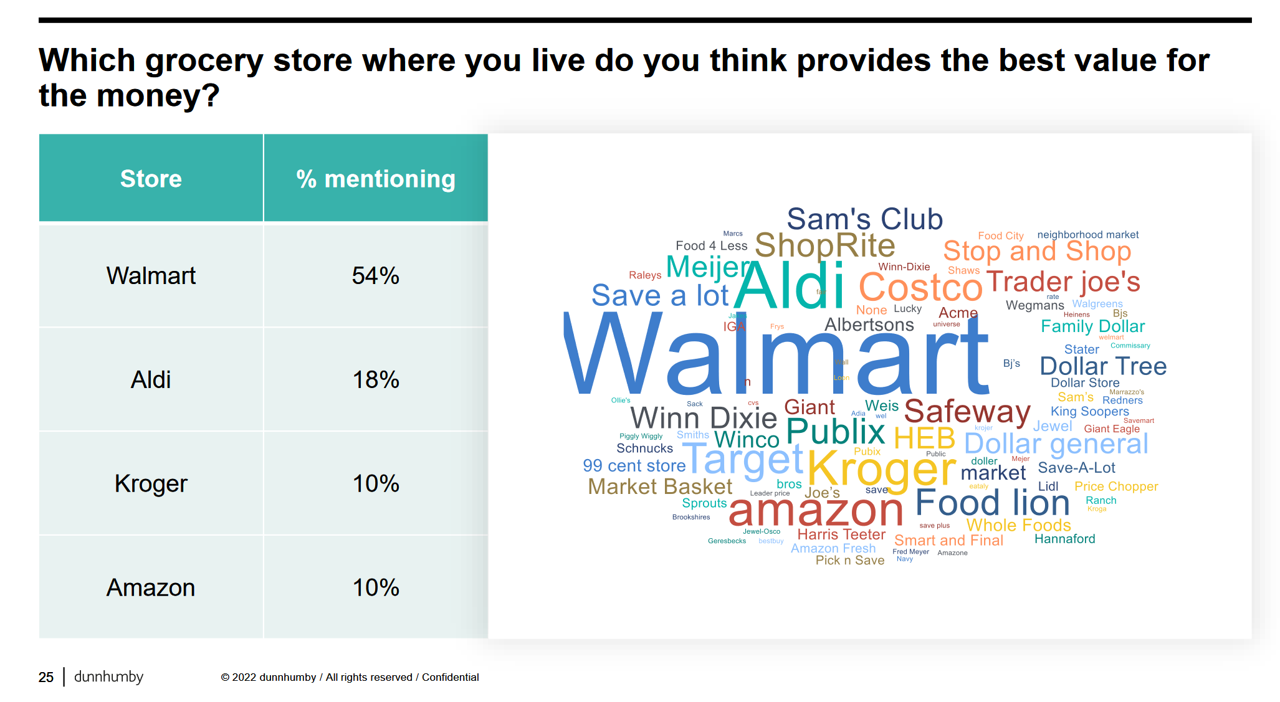
Too many dollars, stimulated by an influx of COVID-19 government stimulus, are chasing too few goods in economies around the world. Couple this will labor, material shortages, and disrupted supply chains, the exogenous shock of the Ukraine crisis amplifying cost increases and shortage driving higher prices for food and commodities, and global consumers are faced with strains in household budgets. This is impacting grocery stores and. through my lens, will impact health consumers’ spending, as well. In their discussion of Customer First Retailer Responses to Inflationary Times, dunnhumby, retail industry strategists, covered an update on inflation with the top-line that
What Person-Centered Interoperability Looks Like: Seqster
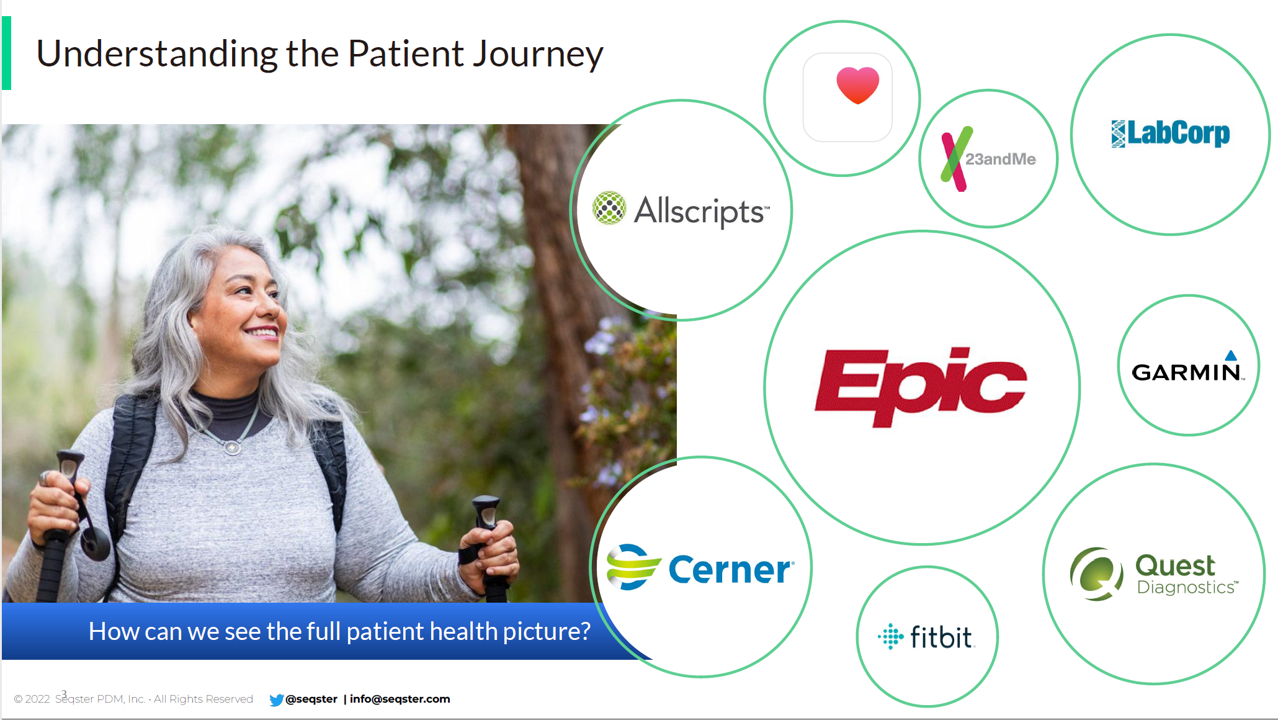
He had me at the statement, “I believe health data is medicine.” Those were the words of Ardy Arianpour, CEO and Co-Founder of Seqster, when sharing with me how his company was founded. We met up last week at the DIA Europe 2022 meeting (Drug Information Association) in the cool SQUARE Conference Center in Brussels, Belgium (my current home base for work and life). It was a rare opportunity to sit still with this on-the-go guy with whom an hour spent is the equivalent of three hours with most other folks. Ardy and the team call Seqster “the operating system
In the New Inflationary Era, Gas and Health Care Costs Top Household Budget Concerns
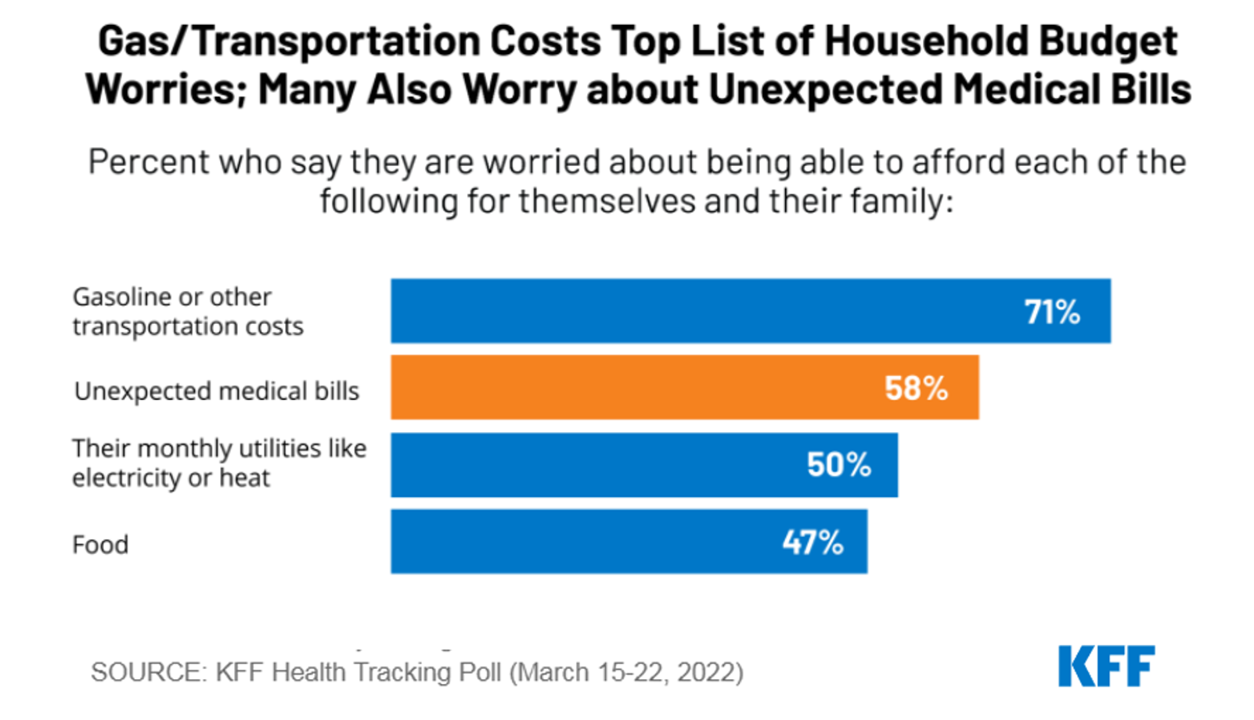
Inflation and rising prices are the biggest problem facing America, most people told the Kaiser Family Foundation March 2022 Health Tracking Poll. Underpinning that household budget concern are gas and health care costs. Overall, 55% of people in the U.S. pointed to inflation as the top challenge the nation faces (ranging from 46% of Democrats to 70% of Republicans). Second most challenging problem facing the U.S. was Russia’s invasion into Ukraine, noted by 18% of people — from 14% of Republicans up to 23% of Democrats. The COVID-19 pandemic has fallen far down Americans’ concerns list tied third place with
McKinsey’s Six Shifts To Add Life to Years — and One More to Consider
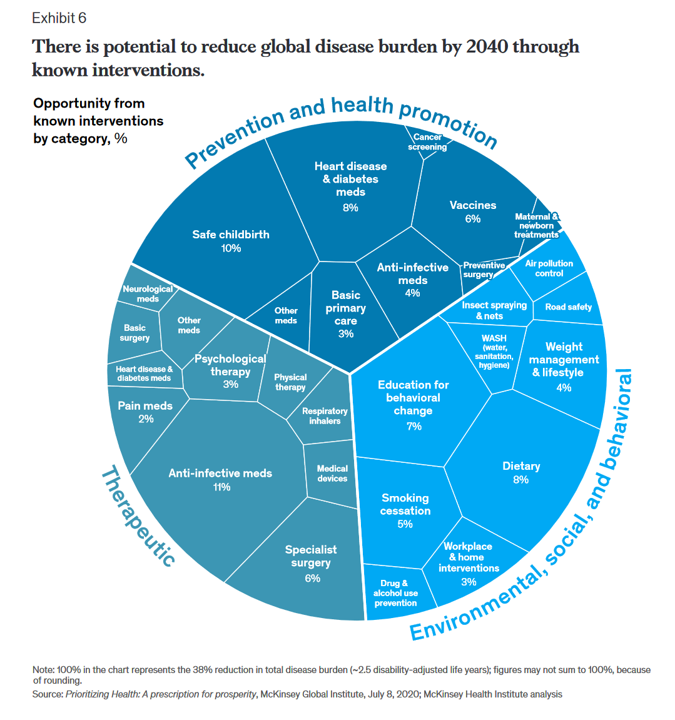
People spend one-half of their lives in “less-than-good health,” we learn early in the paper, Adding years to life and life to years from the McKinsey Health Institute. In this data-rich essay, the McKinsey team at MHI sets out an agenda that could help us add 45 billion extra years of higher-quality life equal to an average of six years per person (depending on your country and population demographics). The first graphic from the report illustrates four dimensions of health and the factors underneath each of them that can bolster or diminish our well-being: personal behaviors (such as sleep and diet),
Can a Food-As-Medicine App Extend Chronic Health Management at the Grocery Store?
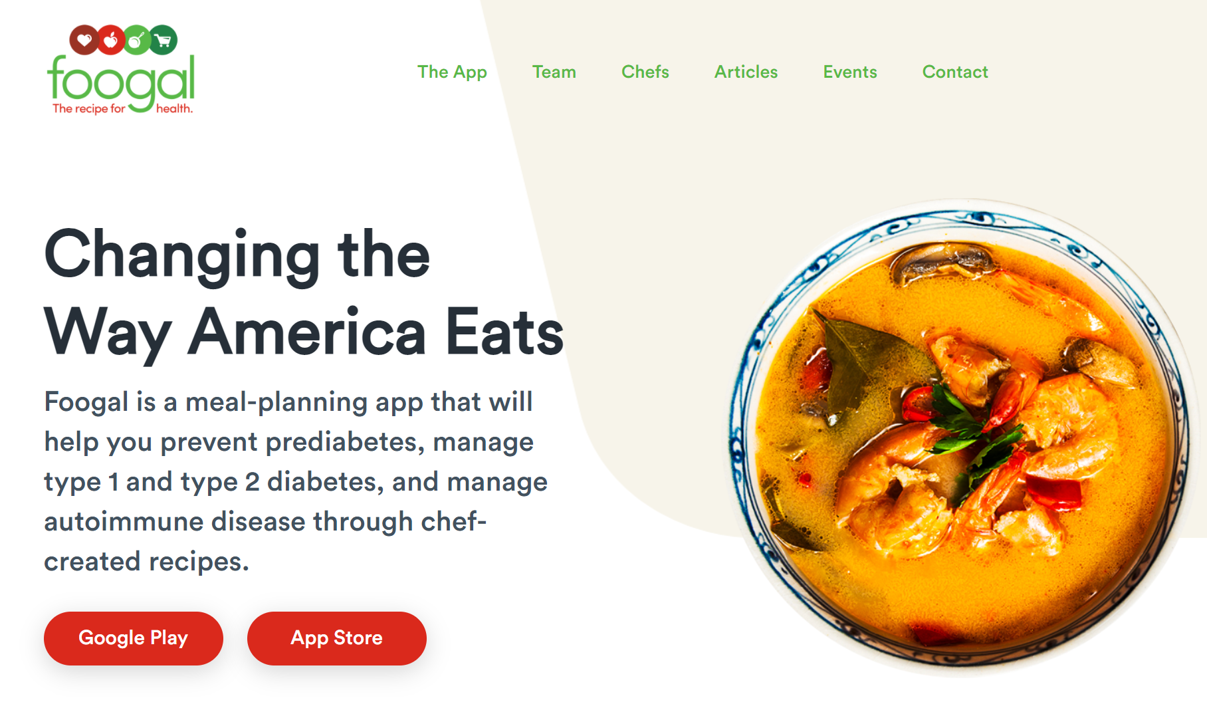
Foogal, a recipe app designed to support patients’ healthy cooking and eating, launched on 24th March. In its initial version, Foogal addresses several specific diet paradigms: for patients demanding a wellness protocol, an autoimmune protocol, or wanting to address insulin resistance. Foogal got my attention via a tweet @FoogalApp on 25th March. The snippet featured a photo of a delectable Salad Lyonnaise, one of my favorite things to eat, which adds a soft-cooked egg and bacon lardons to the greens for an easy light (and delicious!) meal. Foogal was developed by Todd Knobel, who has worked in law, in plastics,
People in the U.S. Without the Internet Were More Likely To Die in the Pandemic
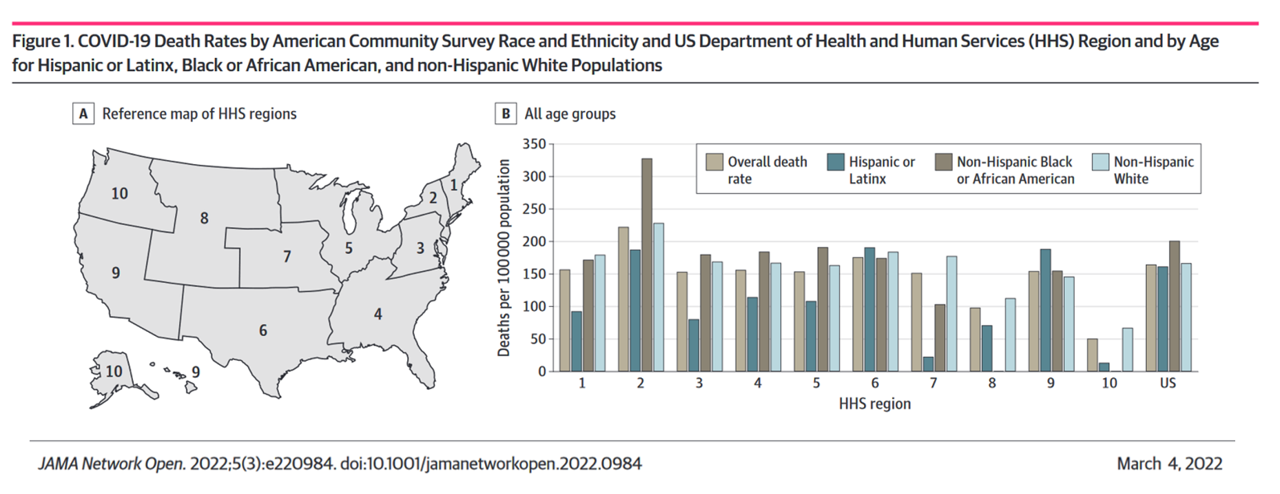
Access to the Internet has been a key determinant of health — or more aptly, death — during the COVID-19 pandemic. Americans lacked Internet access were more likely to die due to complications from the coronavirus, according to a study published in JAMA Network Open this month. The study’s key finding was that for every additional 1% of people living in a county who have access to the Internet, between 2.4 and 6.0 COVID-19 deaths per 100,000 were preventable. The paper asserts that, “More awareness is needed about the essential asset of technological access to reliable information, remote work, schooling
Go Local and Go Beyond Medical Care: What Hospitals, Health Plans, and Pharma Can Do to Rebuild Trust
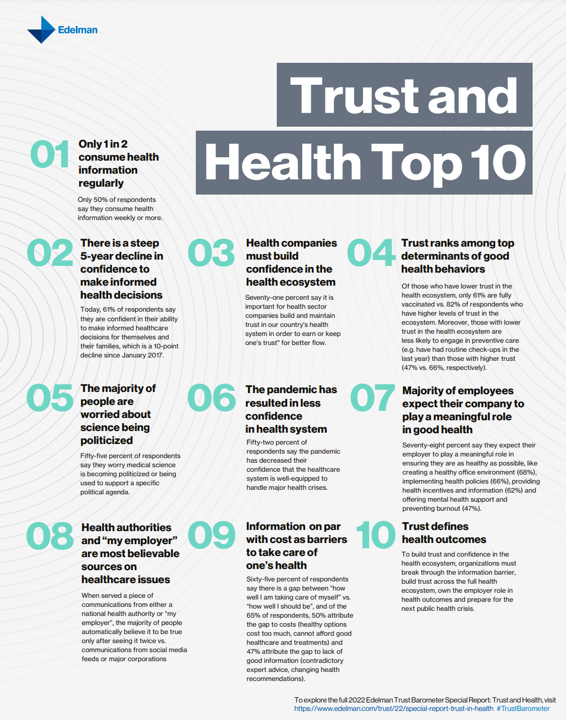
Without trust, people do not engage with health care providers, health plans, or life science companies….nor do many people accept “science fact.” I explore the sad state of Trust and Health Care. published in the Medecision Liberate Health blog, with a positive and constructive call-to-action for health care industry stakeholders to consider in re-building this basic driver of well-being. That is, trust as a determinant of health. Edelman’s 2022 Trust Barometer came out in January 2022, coinciding as it annually does with the World Economic Forum’s meeting in Davos, Switzerland. Every year, WEF convenes the world’s biggest thinkers to wrestle with the
The Financial Toxicity of Health Care Costs: From Cancer to FICO Scores
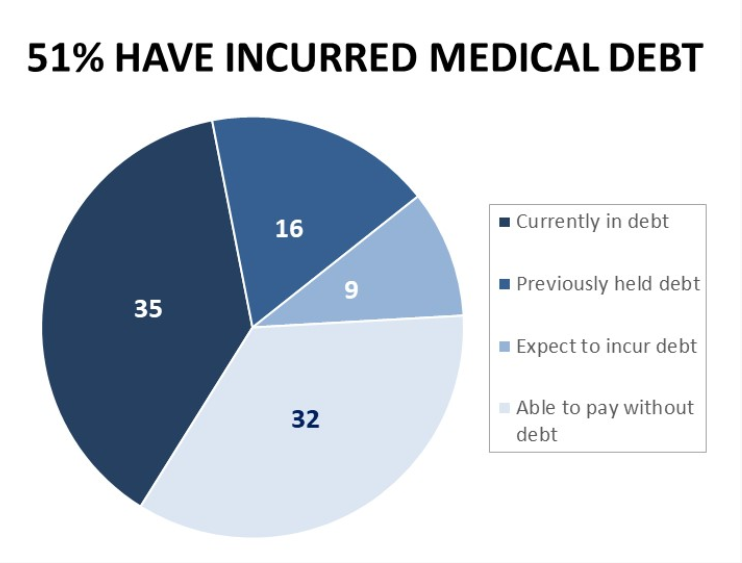
The financial toxicity of health care costs in the U.S. takes center stage in Health Populi this week as several events converge to highlight medical debt as a unique feature in American health care. “Medical debt is the most common collection tradeline reported on consumer credit records,” the Consumer Financial Protection Bureau called out in a report published March 1, 2022. CFPB published the report marking two years into the pandemic, discussing concerns about medical debt collections and reporting that grew during the COVID-19 crisis. Let’s connect the dots on: A joint announcement this week from three major credit agencies,
Primary Care in the U.S. – Still a Weak Backbone for the Health of Health Citizens
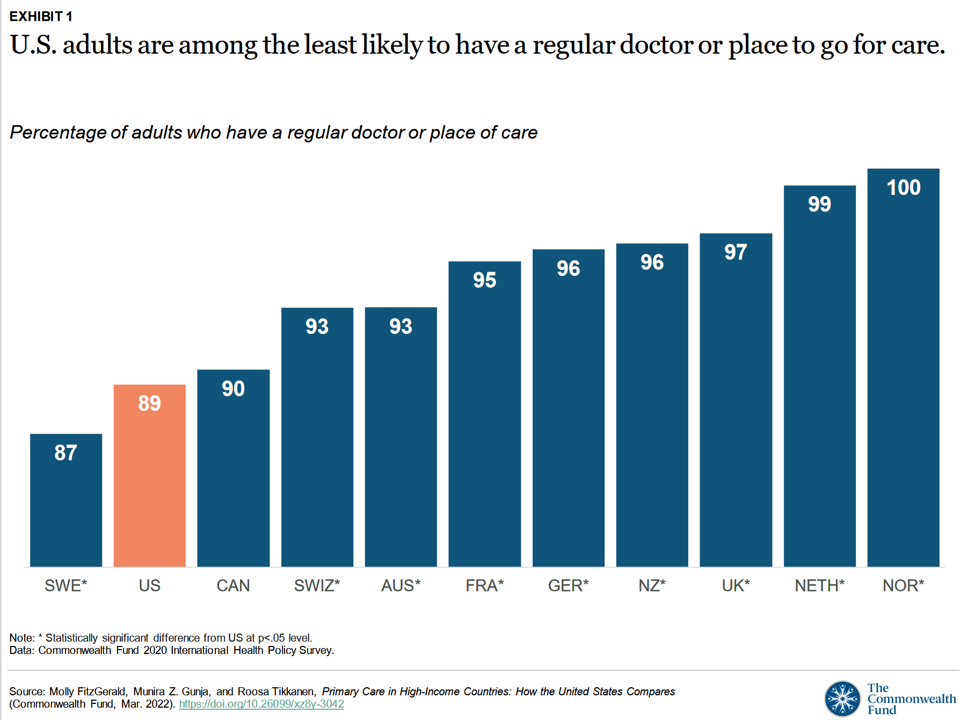
Compared with health citizens living in other wealthy countries, people living in the U.S. are still among the least likely to have a regular doctor or place to go for care. Thus, millions of Americans continue to lack access to primary care compared with peers in other nations, according to a report from The Commonwealth Fund. The Commonwealth Fund has tracked primary care access for many years, and over time has found the United States to lack the kind of primary care “backbone” that many wealthy nations have — whose health citizens also enjoy much better health outcomes that relate
What John Mackey of Whole Foods Said at the 2022 HIMSS Conference – and Why This is Important for the Whole Health Ecosystem
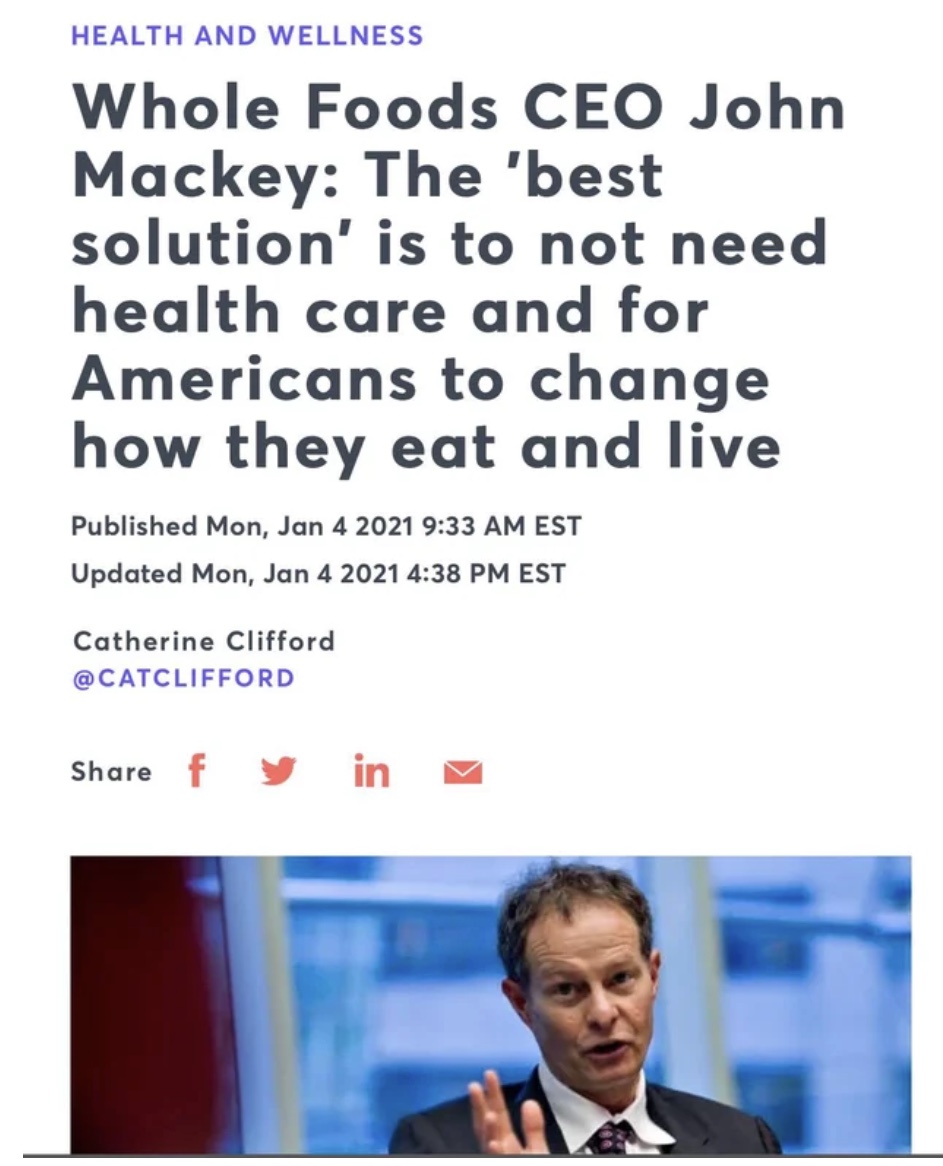
HIMSS convenes its annual conference this week in Orlando, kicking off with an Executive Summit that featured John Mackey, the CEO and Co-Founder of Whole Foods, in conversation with Cris Ross, CIO of the Mayo Clinic. Mackey said in support of his long-held belief that food is the”best solution” to address Americans’ health. As for health care? Not so much, at least as it’s delivered in the United States. ”Why don’t we have clinics that help people change their diets and lifestyles so that they can reverse the disease or prevent it?” Mackey asked, rhetorically. ”It’s astounding. There’s a huge entrepreneurial
Stress in America on the Pandemic’s 2nd Anniversary: Money, Inflation, and War Add to Consumers’ Anxiety
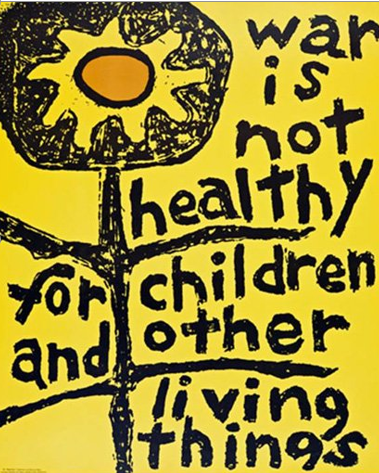
As we mark the second anniversary of the COVID-19 pandemic, the key themes facing health citizens deal with money, inflation, and war — “piled on a nation stuck in COVID-19 survival mode,” according to the latest poll on Stress in America from the American Psychological Association. Financial health is embedded in peoples’ overall sense of well-being and whole health. Many national economies entered the coronavirus pandemic in early 2020 already marked by income inequality. The public health crisis exacerbated that, especially among women who were harder hit financially in the past two years than men were. That situation was even worse
Thinking About Telehealth Through the Lens of Real Estate – Listening to JLL
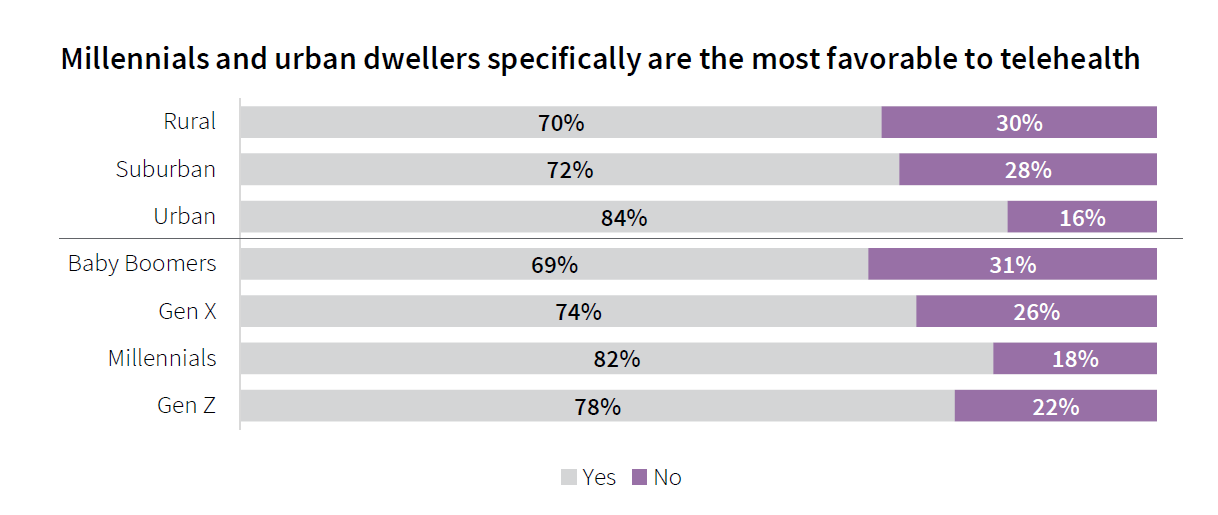
If you made your living in commercial real estate — and especially, working with hospitals’ and health systems’ office space — would the concept of telehealth be freaking you out right now? If you heed the words of JLL’s 2022 Patient Consumer Survey, you’d chill (at least a bit). The tagline on this paper is, “Convenience and choice drive patient decisions as new digital options take hold.” I was particularly keen to dig into this study based on its sponsoring organization: JLL is a real estate services company serving over a dozen vertical markets — including health care, life sciences,
Techquity: How Technology Can Help to Scale Health and Digital Equity, Live from VIVE 2022
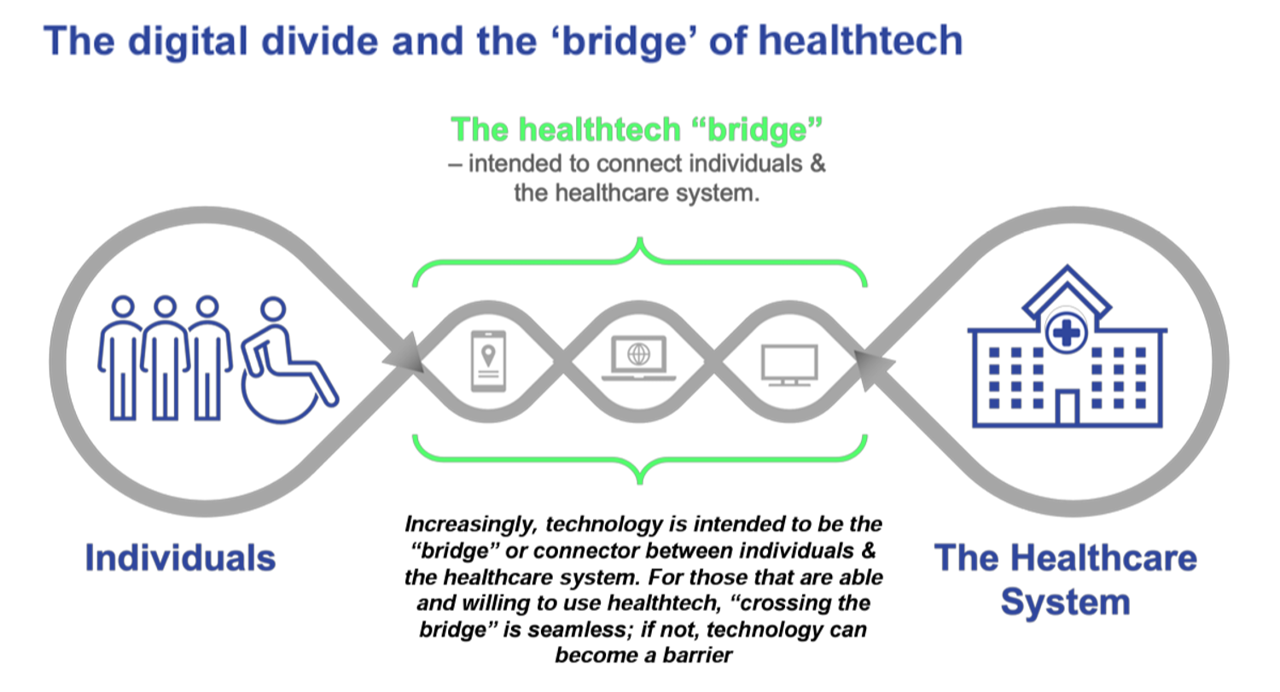
The COVID-19 pandemic revealed long-systemic health disparities in the U.S. and in other parts of the world. Income inequality, sickly environments in homes and communities (think unclean air and water), lack of public transportation and nutritious food deserts combine to limit peoples’ health and well-being., Beyond the traditional social determinants of health, such as these, we’ve called out another health risk that became crucial for life in the coronavirus pandemic era: digital connectivity, Indeed, WiFi and broadband represent the newest social determinant of health to add to a growing list of risk factors that challenge health citizens’ health. Kudos to
Brand Relevance Has A Lot To Do with Health, Wellness, and Empowerment – Listening to (the) Prophet
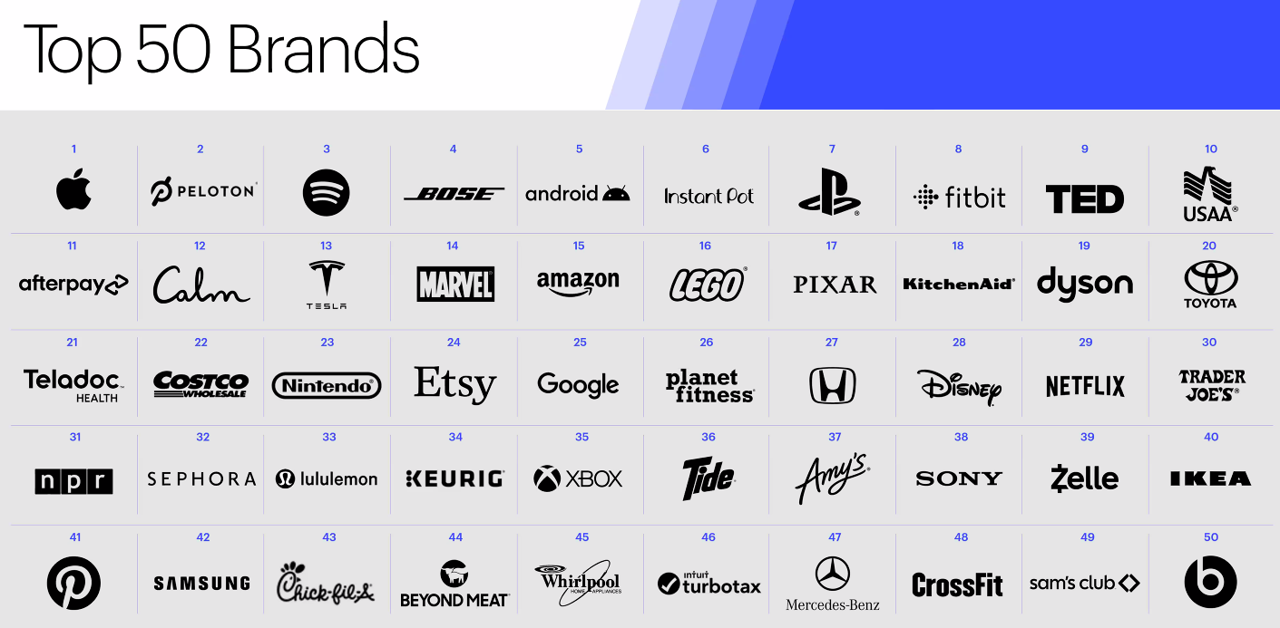
s in the seventh annual 2022 Brand Relevance Index from Prophet. The research developed a list of 50 companies representing what Prophet characterizes “the brands that people can’t live without in 2022.” For the 7th year in a row, Apple tops the study. Following Apple, the nine companies rounding out the top ten most relevant brands were Peloton, Spotify, Bose, Android, Instant Pot, Pixar, Fitbit, TED, and USAA. There are relative newbies in this list, representing consumers’ collective response to the COVID-19 pandemic and new life-flows. Put Calm and AfterPay in that category, along with Beyond Meat, and Zelle. The
“Talk to me, Teladoc”
Voice technology has become a mainstream household Internet of Things thing for consumers, used to streamline and ease peoples’ daily tasks to hear about the weather, listen to favorite tunes, or seek information. At the same time, the pandemic fostered growing experience with and appreciation for virtual care platforms and on-ramps to health care when needed. Patients have come to accept telehealth in their health care workflows when they value virtual care’s virtues: convenience, access, availability among other features. A leading provider of virtual care is Teladoc, whose most recent explanation of corporate strategy is shown in the first graphic
Food Insecurity, Energy Prices, and Medical Debt Spike in February 2022

There’s a trifecta cost challenge hitting U.S. household budgets in February 2022, highlighted in a poll from Morning Consult: inflationary spikes for housing, food, and energy, and the COVID-19 Omicron variant forcing health care costs up for some consumers driving medical debt up. This further underscores the reality that medical spending in the U.S. is taking shape as a consumer service or good, competing with — potentially crowding out — other household line items like food and increasingly costly petrol to fill gas tanks. Or taken the other way, gas and food crowding out health care spending, leading to either
Medical Distancing Is Bad For Your Health
“Social distancing is great. Medical distancing? Not so much,” I observe in Medical Distancing in America: A Lingering Pandemic Side Effect., my essay published this week in Medecision’s Liberate Health blog. Since we learned to spell “coronavirus,” we also learned the meaning and risk-managing importance of physical distance early in the COVID-19 pandemic. But medical distancing became a corollary life-flow of the physical version, and for our collective health and well-being, it hasn’t been good for our health in ways beyond keeping our exposure to the virus at bay. For health care providers — physicians, hospitals, ambulatory clinics, diagnostic centers —
Doximity Study Finds Telehealth Is Health for Every Day Care
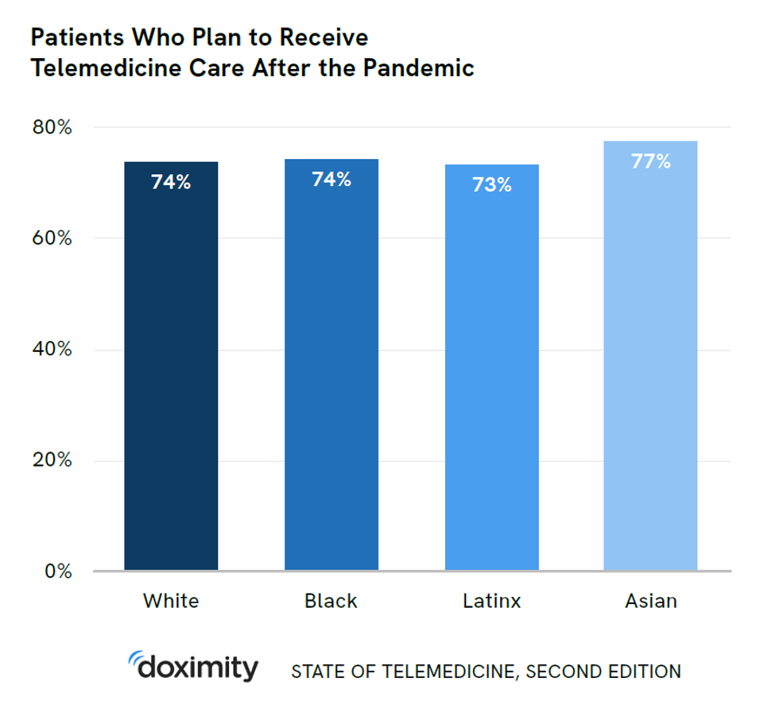
There’s more evidence that doctors and patients, both, want to use telehealth after the COVID-19 pandemic fades. Doximity’s second report on telemedicine explores both physicians’ and patients’ views on virtual care, finding most doctors and health consumers on the same page of virtual care adoption. For the physicians’ profile, Doximity examined 180,000 doctors’ who billed Medicare for telemedicine claims between January 2020 and June 2021. Telemedicine use did not vary much across physician age groups. Doctors in specialties that manage chronic illnesses were more likely to use telehealth: endocrinology (think: diabetes), gastroenterology, rheumatology, urology, nephrology, cardiology, ENT, neurology, allergy, and
Michael Graves and CVS Health – A Match Made in Health Design Heaven
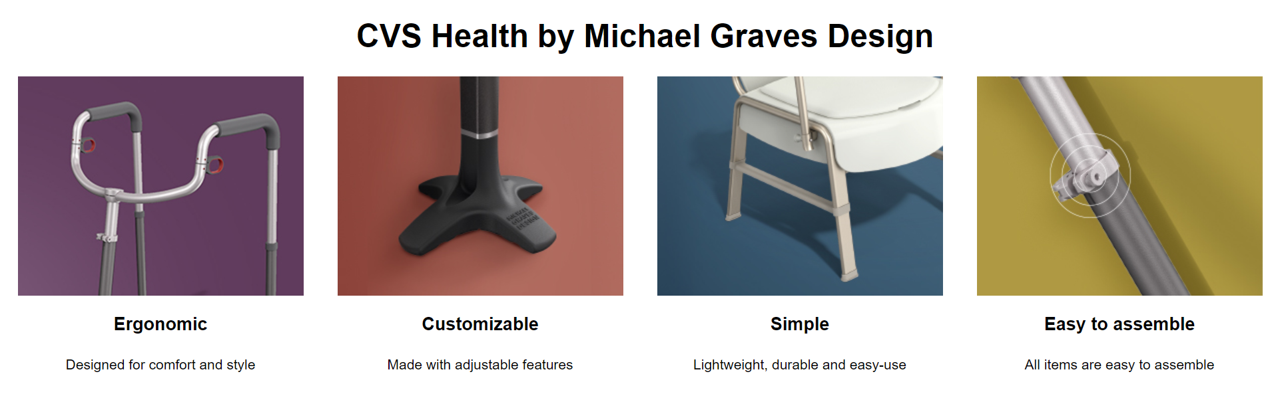
On the Michael Graves Design company’s website, they talk about “Design for All” and “The House and Everything in it.” “Michael Graves Design exists to offer products that create moments of joy in your life.” Prominently featured in the Health section on the homepage are “walking canes reimagined.” The company has unveiled its partnership with CVS Health to continue the architect-turned-disability rights advocate’s legacy combining brilliant design with mainstream retail accessibility and another riff on accessibility: for health care and caregiving. Graves passed away in 2015. He continues to inspire the Michael Graves Design team/family with the mission: “By focusing
How Social Media Can Get Public Health So Wrong
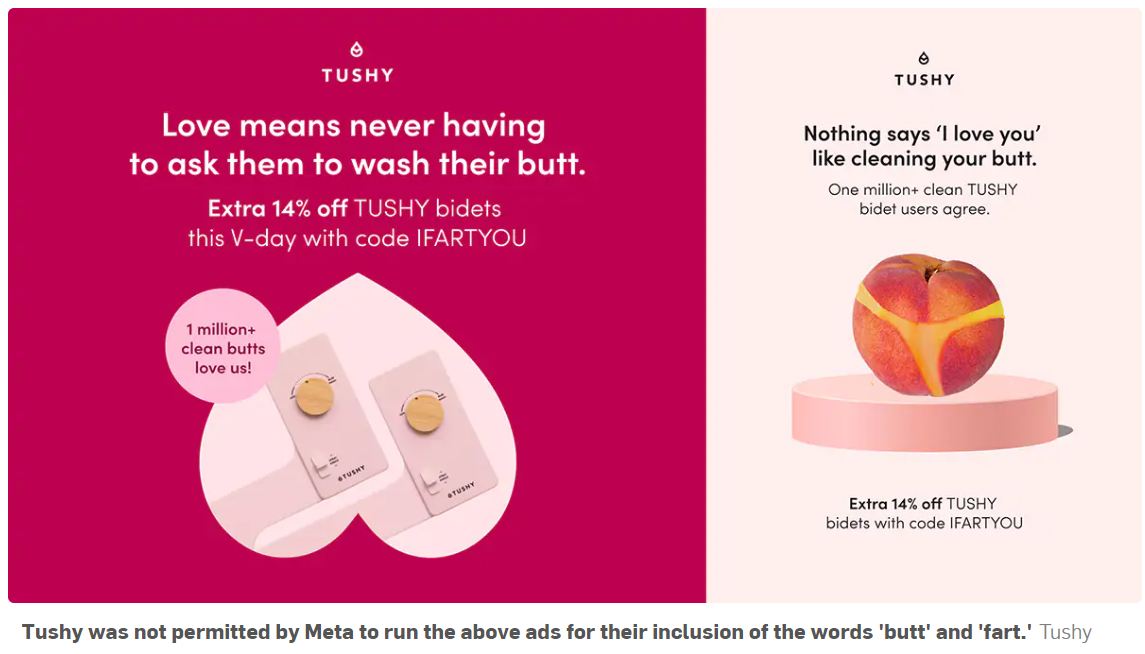
This week, public health truths have collided with social media, the infodemic, and health citizenship. First, I read in Becker’s Health IT on February 16 that the peer-reviewed policy journal Health Affairs was prevented by a social media outlet from promoting its February 2022 issue themed “Racism and Health.” The company said the topic was too controversial to feature in this moment. “Google and Twitter are blocking its paid media ads to promote the content, flagging racism as ‘sensitive content,'” Molly Gamble explained in Becker’s. I myself used the blogging platform you’re on now to promote the February ’22 issue of
Love and Health: The Education of Abner Mason, SameSky Health
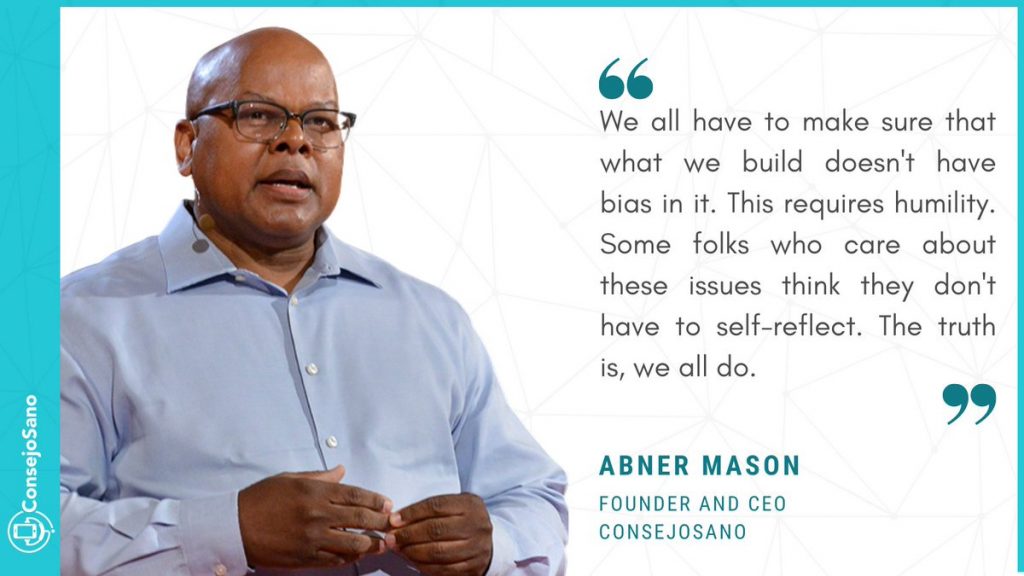
It felt super appropriate that I met up with Abner Mason, Founder of SameSky Health, on Valentine’s Day 2022. While we conversed via Zoom, Abner’s positive energy vibrated over the 5,600 miles between him in LA County and me in Brussels, Belgium – nine hours apart, but in the proverbial same room in the conversation. My initial ask of Abner was to discuss the re-branding of ConsejoSano to SameSky Health, but I first wanted to hear the man’s origin story. And that, you will learn, has everything to do with loving parents, the power of education from a young age,
On Valentine’s Day 2022, Let’s Remember That Love is a Social Determinant of Health

While love can’t solve all of the world’s problems, it is absolutely a basic human need and a positive force for health and well-being. For today’s Health Populi blog, I have curated a big hug-full of posts I’ve written over the years building the evidence base of love as a determinant of health. As a sidebar, the graphic you see here — my “WiFi Heart” — was purposefully commissioned to my web designer to incorporate elements of love and connectivity. Wishing you all the blessing of love in your life, in all of its glorious and health-ful forms…XO JSK My
Only 1 in 4 People Over 50 Use a Mobile Health App – And They Tend to Be Healthier and Wealthier
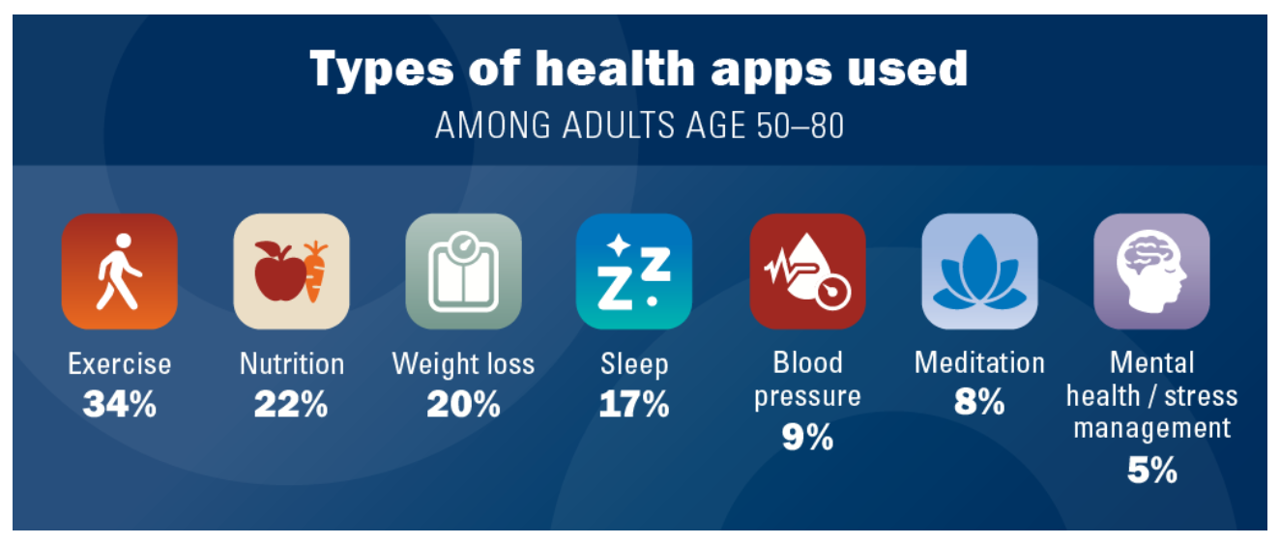
Just over 1 in 4 people over 50 in the U.S. use at least one mobile health app, and 56% of older people have never used one. Among seven mhealth tools, the most commonly-used is to track exercise. Among older people who do not use health apps, half say it is because of their lack of interest, we learn from the research in Mobile Health App Use Among Older Adults from the University of Michigan’s National Poll on Healthy Aging, sponsored by AARP. The project is part of Michigan Medicine, U-M’s med school, and directed by the Institute for Healthcare
The Wellness Economy in 2022 Finds Health Consumers Moving from Feel-Good Luxury to Personal Survival Tactics
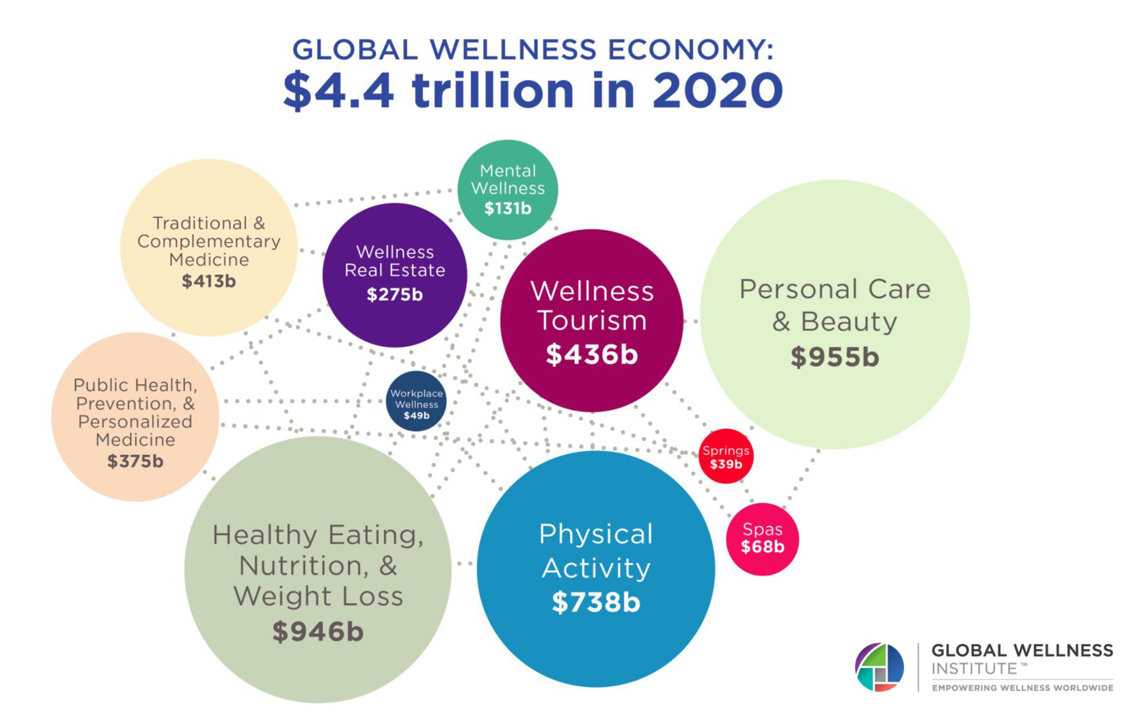
The Future of Wellness in 2022 is, “shifting from a ‘feel-good’ luxury to survivalism as people seek resilience,” based on the Global Wellness Institute’s forecast on this year’s look into self-care and consumer’s spending on health beyond medical care — looking beyond COVID-19. GWI published two research papers this week on The Future of Wellness and The Global Wellness Economy‘s country rankings as of February 2021. I welcomed the opportunity to spend time for a deep dive into the trends and findings with the GWI community yesterday exploring all of the data, listening through my health economics-consumer-technology lens. First, consider
“We’ve normalized a very high death toll in the U.S.” – How A Trust Deficit Has Infected America’s COVID Outcomes
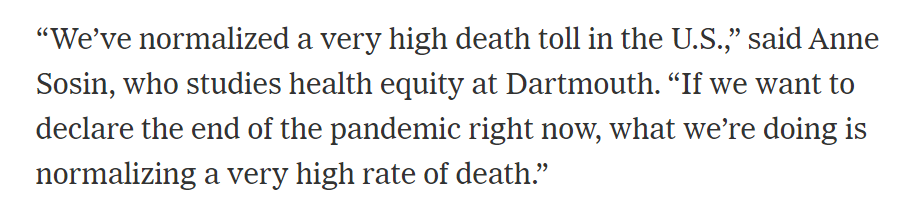
Trust, or really lack thereof, is a killer app for people’s coronavirus health outcomes. That is the through-line found in a very deep dive into 177 countries’ health data published in The Lancet in a research article on pandemic preparedness and COVID-19. The Lancet study, published on 1 February 2022, was funded by the Gates Foundation in partnership with The Bloomberg Philanthropies et al. The study was researched and written up by a team of COVID-19 National Preparedness Collaborators, led by Dr. Joseph Dieleman of the University of Washington’s Institute for Health Metrics and Evaluation, a group that has been long-tracking
What the Future of Re-Charging Your Car Has to Do With Your Health

Health care must confront its role in the climate crisis, a JAMA viewpoint asserted on January 31, 2022. Dr. Kenneth Kizer and Dr. Kari Nadeau recommended that, “Instead of contributing to climate change, health care as an enterprise could become a model for environmental sustainability.” This ethos was called out at the recent COP26 UN Climate Conference which resulted in a portfolio of health care initiatives for providers, globally, to address climate change as a macro determinant of health. Consumers — now morphing into health citizens — also can (and should) play starring roles in doing what we can in daily
How Twitter Revealed Consumer Health Care Trends in the Pandemic
During the pandemic, millions of people connected with Twitter to share thoughts and feelings about the pandemic…and their health. Three mega-trends bubbled up on the platform for health — telemedicine and virtual care, broadband access, and mental health, discussed in a Birdseye Report Industry Deep Dive into Health from Brandwatch, partnering with Twitter. For this report, Brandwatch utilized only English-language public Twitter data. Brandwatch collated and analyzed tweets between January 1st 2019 and November 20 2021, that mentioned any of the following phrases: telemedicine, telehealth, virtual care, digital medicine, digimedicine, mental health, doom scrolling, trauma dumping, and meeting fatigue. Tweets
Will “Buy Now, Pay Later” Financing Help Health Consumers Pay Their Medical Bills?
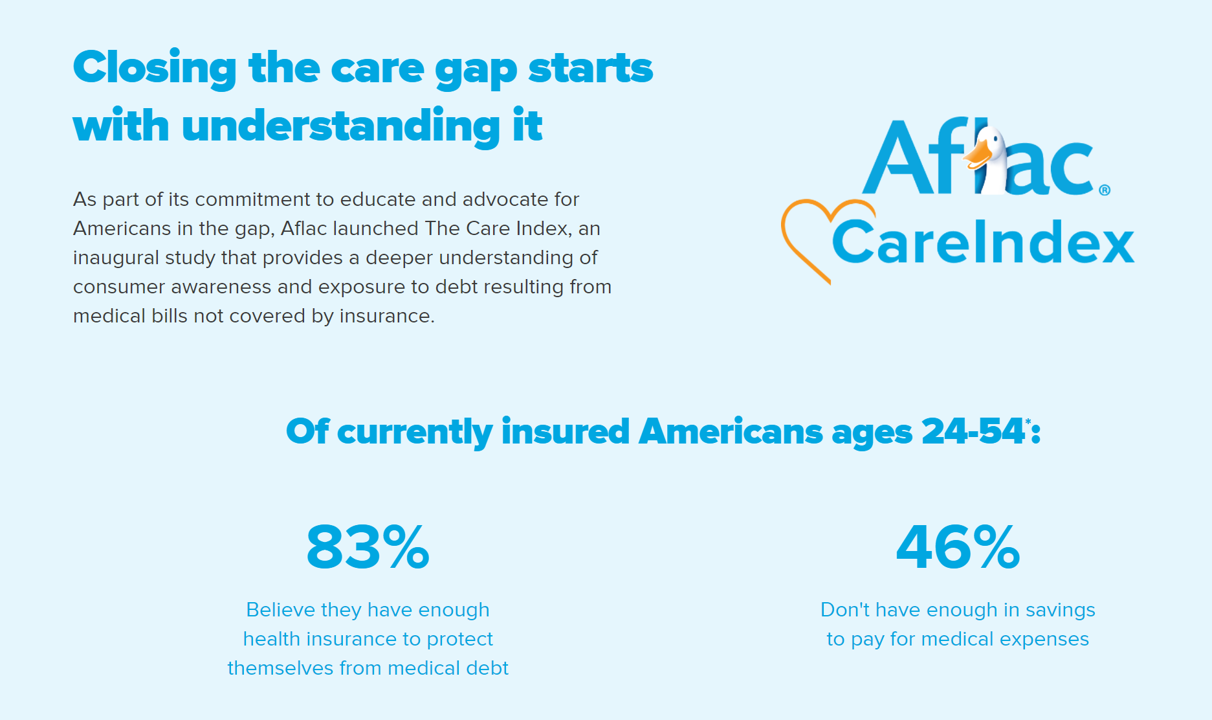
Aflac, our favorite duck-mascot-representing company, has launched the Close the Gap initiative featuring spokesman Deion Sanders, one of the good guys in the Football Hall of Fame. Recognizing the fact that nearly one-half of insured Americans don’t have enough in savings to pay for medical expenses, the company established the Aflac Care Index to educate and advocate for peoples’ health and financial security — including those people who have health care coverage. While U.S. consumers are facing historically high levels of inflation for household spending on food, petrol, and home goods, health consumers will be dealing with greater out-of-pocket spending based
The Reluctance of Consumers to Share Personal Information – The Challenge of Data for Health “Blurring”
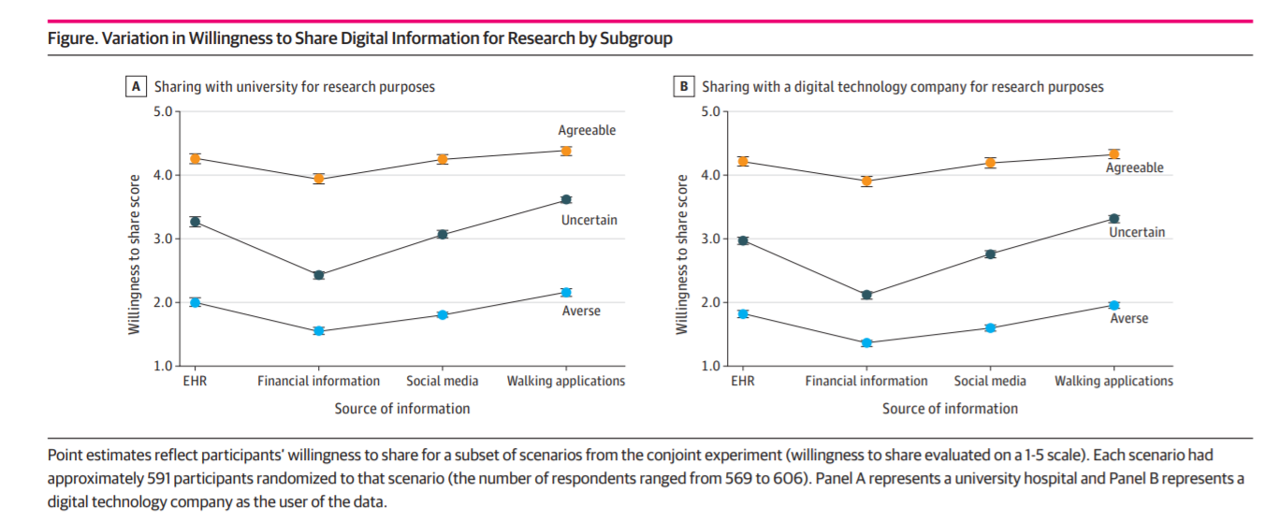
Health is the cornerstone to our core needs, thereby the cornerstone to trust.” This was one lens on the latest 2022 Edelman Trust Barometer published earlier this month. But trust is in short supply when it comes to consumers openness to share their personal information we learn through a new study published in JAMA, Consumer Willingness to Share Personal Digital Information for Health-Related Uses. For some historical context, the authors (all affiliated with the University of Pennsylvania [medical school or Wharton (business school)] start with HIPAA, the Health Insurance Portability and Accountability Act which served up privacy protections based on
Women’s Health, ESG and FootbalI: Why I’m Excited To Tune Into Hologic’s Ad During Super Bowl LVI

One of the best parts of watching the biggest U.S. football game of the year are the ads which can provide great entertainment in-between touchdowns, time-outs, and referees’ video replays. This year, Ad Age provides us with an early inventory of some of the high-expectation commercials, including the usual suspects like Budweiser, Google, TurboTax, and Avocados from Mexico. For the first time, cryptocurrency brands will advertise on the Super Bowl, too. But I’m most looking forward to seeing the 30-second spot from Hologic, the medical technology company. AdWeek wrote, quoting a Hologic press release, “As a leader in women’s health,
Diagnosis: Stress, Anxiety and Anger – the 2022 Medscape Physician Burnout & Depression Report
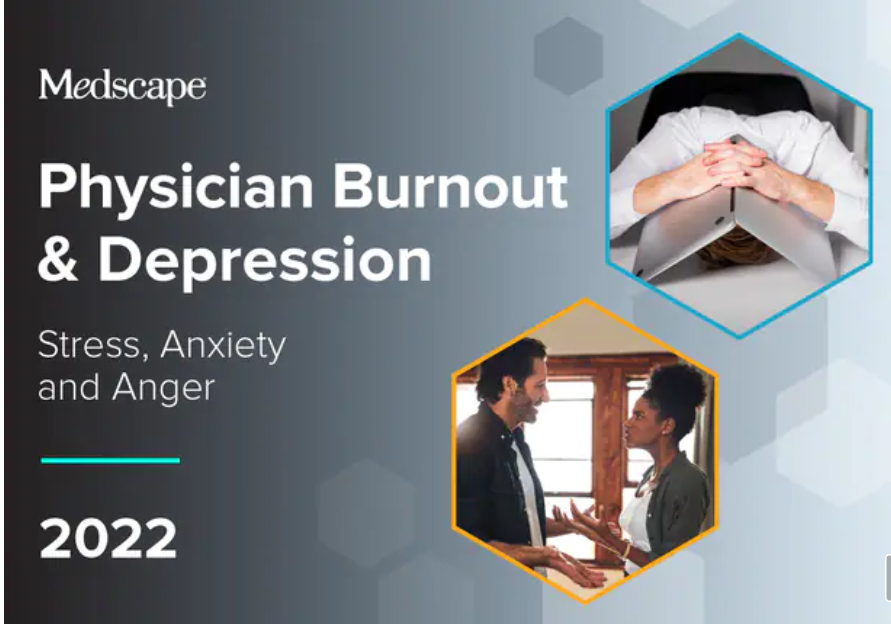
As physicians deal on the frontlines in Year 3 of the COVID-19 pandemic, they’re stressed, anxious, and angry concludes the Medscape 2022 Physician Burnout & Depression Report. This year, the tagline focuses on stress, anxiety and anger. [Over the past couple of years, the study has used the word “suicide” in the title of the report, FYI]. Those reporting burnout are more likely women physicians than males (56% vs. 41%), work in the ER or critical care departments, and deal with too many bureaucratic tasks like charting and paperwork. For this annual look into the state of U.S. physicians mindsets
How Virtual Care Will Play Out in 2022 – a Look Post-CES and JPM

A new study from CIGNA and its subsidiary MDLive touts the cost-effectiveness of telehealth to improve health outcomes, reducing the need for unnecessary lab work, reducing duplication of care, and connecting patients with high-performing providers. It is expected that one in three patient visits will be virtual, CIGNA quotes from an Accenture forecast. As more consumers used telehealth channels during the early phase of the COVID-19 pandemic, patients experienced virtual care. For many people, these visits matched or exceeded expectations compared with in-person encounters with clinicians, as well as satisfying on convenience and access values. How will virtual care play
Nutella, Wine, and COVID Tests at the Convenience Store – A Weekend Observation From Brussels

Health/care is everywhere….even at the convenience store. Yesterday afternoon, as I was picking up a bottle of milk for this morning’s coffee, I rushed to the local Carrefour Express in my neighborhood in St. Gilles, Brussels, Belgium. Sidebar: Carrefour Express is not your prototypical U.S.-styled C-store — you can find some fine Prosciutto di San Daniele in the cold case, some tasty Camembert cheese, very good wine, and just-picked tomatoes there. Still, it’s a C-store in that the brick-and-mortar model is a smaller footprint than a full grocery store, and convenient in that it’s a block from my apartment. Imagine
From Better for Me to Better for “We” — NielsenIQ’s New Consumer Hierarchy of Health
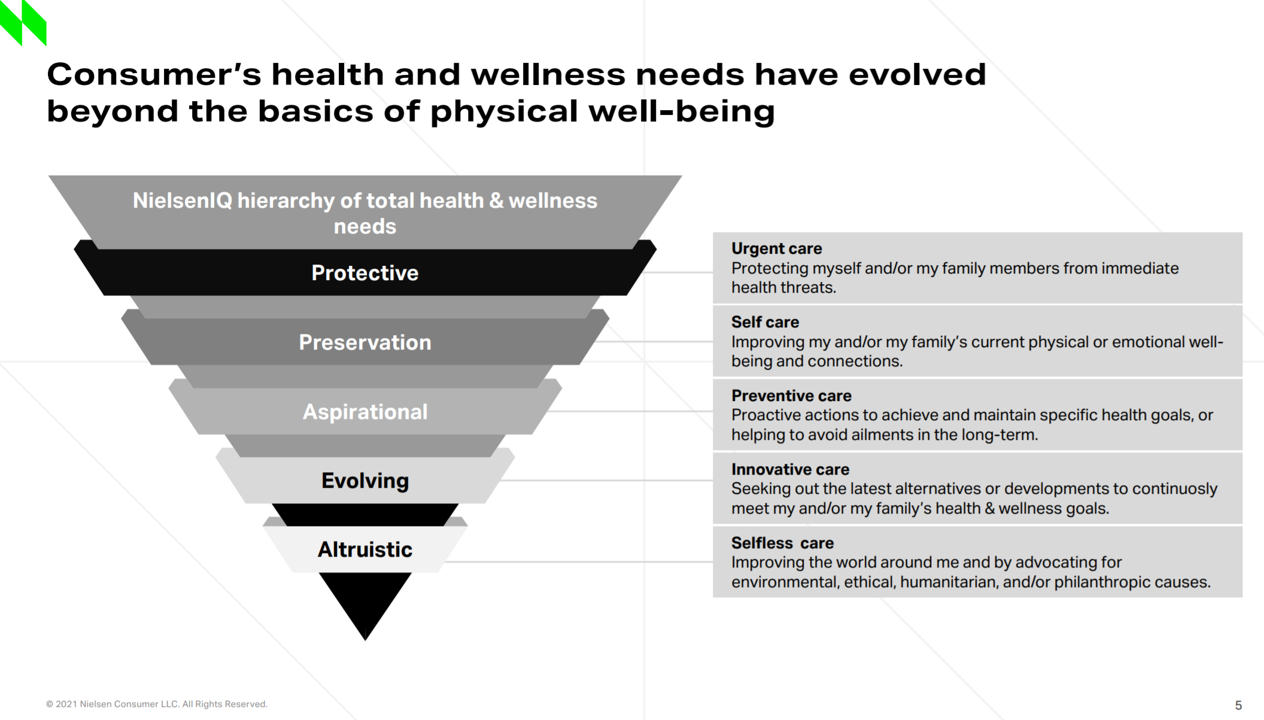
People around the world have made health a “proactive priority,” most important to live a longer, healthier life, to avoid preventable diseases, to protect against disease, and to look and feel healthier, according to NielsenIQ’s latest health and wellness report. As the triangle here illustrates, NielsenIQ has turned Maslow’s Hierarchy of Needs upside down, shifting protective and physical needs to the top rung and altruistic — the “me-to-we” ethos — at the base. Note the translations of these needs, on the ride, into the “care” flows — moving from urgent care down to self-care, preventive care, innovative care, and selfless
The Trust Deficit Is Bad for Health: A Health/Care Lens on the 2022 Edelman Trust Barometer
“Health is the cornerstone to our core needs, thereby the cornerstone to trust.” So wrote Kirsty Graham, Global Leader of Sectors and Global Chair of Health at Edelman, in an essay explaining the 2022 Edelman Trust Barometer. If it’s January, it must be time for the World Economic Forum in Davos, the annual setting for Edelman’s launch of the company’s Trust Barometer. While WEF is mostly virtual this year due to the pandemic, Edelman has released the survey of global citizens’ views on trust in institutions right on-time and in full and sobering detail. I welcome and dig into the
Building Health Equity Through Faith and Food – the Black Church Food Security Network

Members of his congregation kept going to the hospital with diet-related issues, Reverend Dr. Heber Brown, III, realized. “I got tired of praying and hoping they made it and walked out,” Reverend Brown realized. And then… “God gave us an idea and vision to be proactive on the issue of health in our congregation,” Rev. Brown explained to us yesterday on Day 2 of Real Chemistry’s Health Equity Summit. This was the seed for the Black Church Food Security Network, planting a pragmatic vision for health and well-being weaving together local food, civic empowerment, economic development, and faith. “We had
Nurses Continue to Rule in Honesty and Ethics in U.S. Professions – Healthcare Professions Still Top Gallup’s Annual Poll
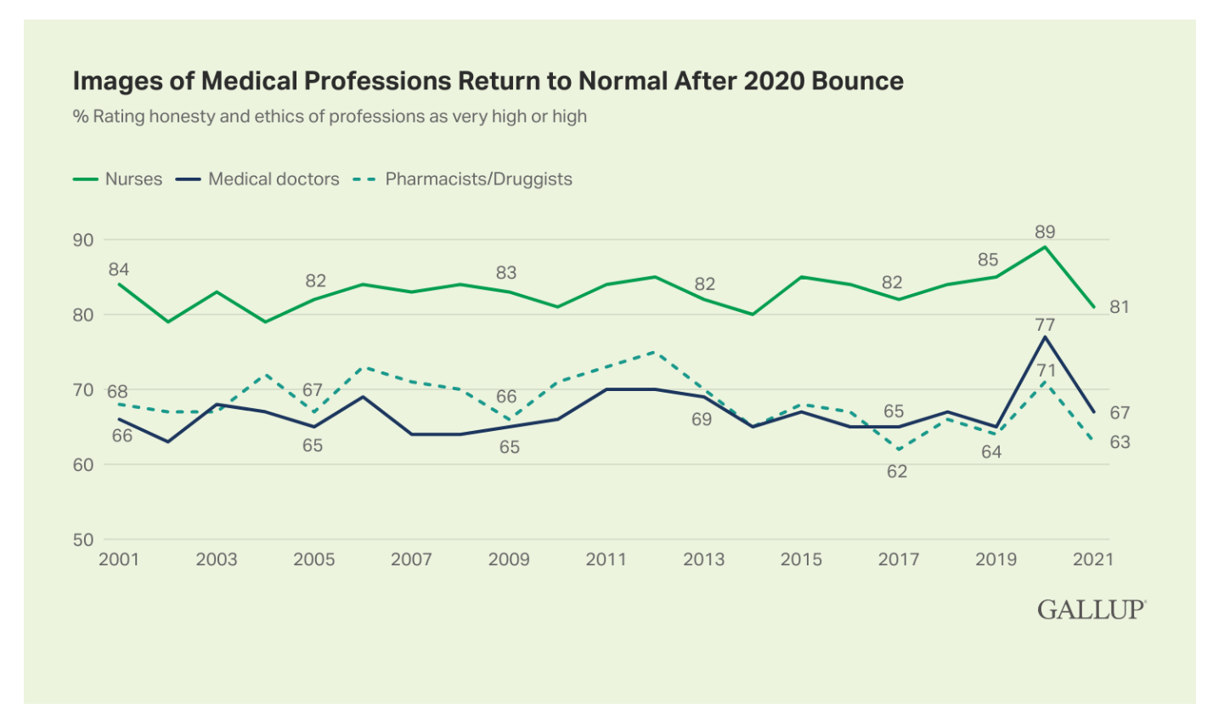
Three health care professions rank in the top four of the most honest and ethical rankings in Gallup’s annual poll on honesty and ethics in professions. And nurses are at the top of the list for the 20th year in a row. Grade-school teachers ranked third place between physicians and pharmacists, shown in the big chart of job types from most ethical to least. Perennially, the bottom-ranked posts are a mix of politicians (Members of Congress and lobbyists, state office holders), car salespeople, and the Mad Men and Women of advertising. Media professionals in TV and newspapers also polled relatively
Human-Powered Health: How Abbott Is Unlocking the “Possibility of You” at CES 2022
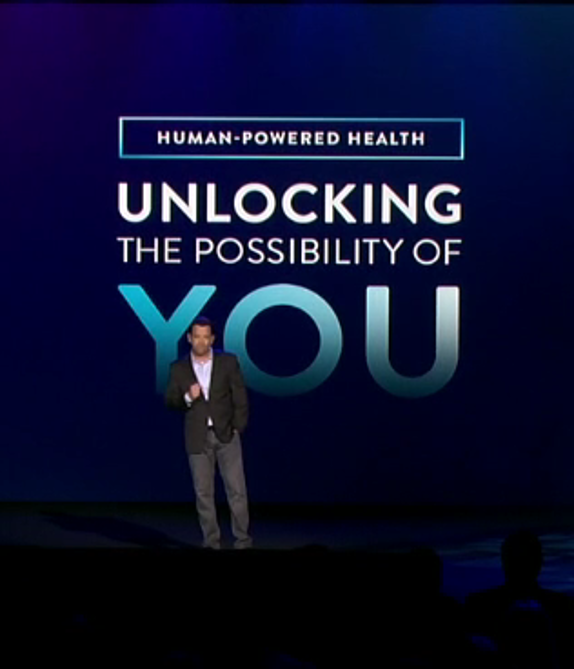
Yesterday, we heard all about autonomous cars and sustainable mobility from Mary Barra, CEO of General Motors. Autos, TVs, and telecomms are the usual fare of the big stage speeches at the annual big show of consumer electronics. Gary Shapiro, President and CEO of CTA, introduced today’s CES keynote speaker, Robert Ford, as the “first-ever keynote speaker from health care” at CES, calling out the fact that Abbott’s Freestyle Libre System garnered one of CES 2022’s Innovation Awards. Ford is the Chairman and CEO of Abbott, one of the largest global life sciences companies. Ford let us know up-front that
Consumers Embrace Tech But Privacy Remains a Concern – The Morning Consult Poll of Consumers and Tech
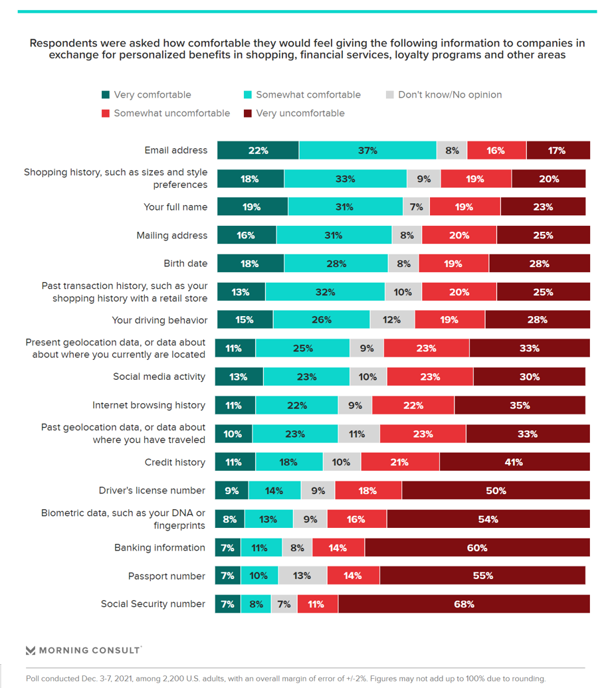
With the collective pandemic-era pivot of people working from home, remote schooling at home, repurposing our homes for entertainment and fitness, and showing off home-baked goods on Instagram, has consumers’ comfort with new technologies accelerated? Morning Consult assessed this question in a poll timed to coincide with CES 2022, the annual conference dedicated to innovations in consumer electronics. “Is the public ready for the innovations coming out of the 2022 Consumer Electronics Show?” the Morning Consult team asked. “While brands may enjoy the initial buzz over these launches, it often takes a while for the public to become comfortable enough
The CES 2022 Tech Trends to Watch Have Everything To Do With Health/Care
The four top trends to watch for this week at CES 2022 are transportation, space tech, sustainable technology, and digital health, based on Steve Koenig’s annual read-out that kicks off this largest annual conference featuring innovations in consumer electronics. Last night, Steve discussed these trends for media attendees, of which I am one (gratefully) participating in #CES2022 virtually from the hygienic comfort and safety of my home health hub (more on that later in this post). All four of these mega-themes impact health and well-being in some way. “Space Tech?” you might wonder. Yes. My friend Dorit Donoviel can be
Mental Health at CES 2022 – The Consumer’s Context for Wellbeing in the New Year
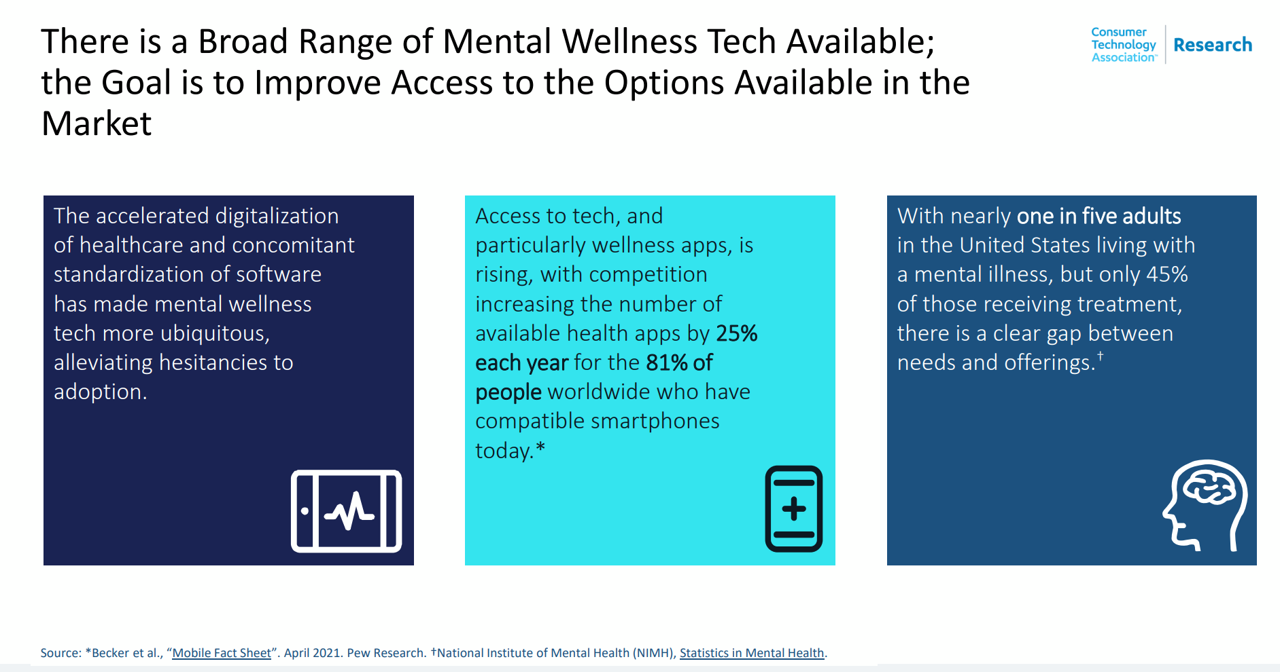
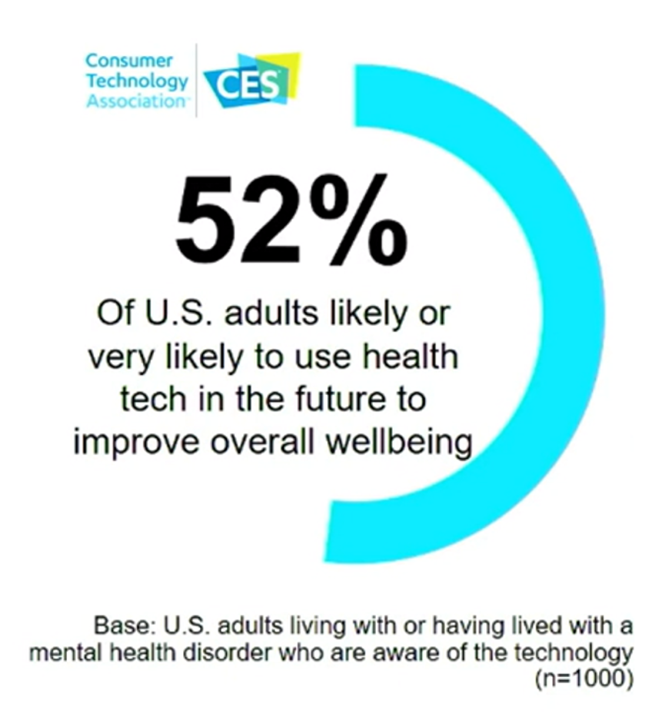
As we enter COVID-19’s “junior year,” one unifying experience shared by most humans are feelings of pandemic fatigue: anxiety, grief, burnout, which together diminish our mental health. There are many signposts pointing to the various flavors of mental and behavioral health challenges, from younger peoples’ greater risk of depression and suicide ideation to increased deaths of despair due to overdose among middle-aged people. And about one-in-three Americans has made a 2022 New Year’s resolution involving some aspect of mental health, the American Psychiatric Association noted approaching the 2021 winter holiday season. Underneath this overall statistic are important differences across various
Health Care Planning for 2022 – Start with a Pandemic, Then Pivot to Health and Happiness
One of my favorite Dr. Seuss characters is the narrator featured in the book, I Had Trouble In Getting to Solla-Sollew. I frequently use this book when conducting futures and scenario planning sessions with clients in health/care. “The story opens with our happy-go-lucky narrator taking a stroll through the Valley of Vung where nothing went wrong,” the Seussblog explains. Then one day, our hero (shown here on the right side of the picture from the book) is not paying attention to where he is walking….thus admitting, “And I learned there are troubles of more than one kind, some come from
Why #CES2022 Will Be Keynoted By A Health Care Innovator for the First Time

In October 2021, the Consumer Technology Association (CTA) announced that Robert Ford, CEO and President of Abbott, would give a keynote speech at CES 2022, the world’s largest annual convention of the technology industry. “This marks the first time in CES history that a healthcare company will take the mainstage for a keynote at the show,” CTA’s press release stated. I covered this announcement in the Health Populi blog at the time, and today want to double-down on the significance of Ford’s leading presence at #CES2022. When announced, the news was a signal that health care and the larger tech-enabled
The 2022 Health Populi TrendCast for Consumers and Health Citizens
I cannot recall a season when so many health consumer studies have been launched into my email inbox. While I have believed consumers’ health engagement has been The New Black for the bulk of my career span, the current Zeitgeist for health care consumerism reflects that futurist mantra: “”We tend to overestimate the effect of a technology in the short run and underestimate the effect in the long run,” coined by Roy Amara, past president of Institute for the Future. That well-used and timely observation is known as Amara’s Law. This feels especially apt right “now” as we enter 2022,
3 in 4 Insured Americans Worried About Medical Bills — Especially Women
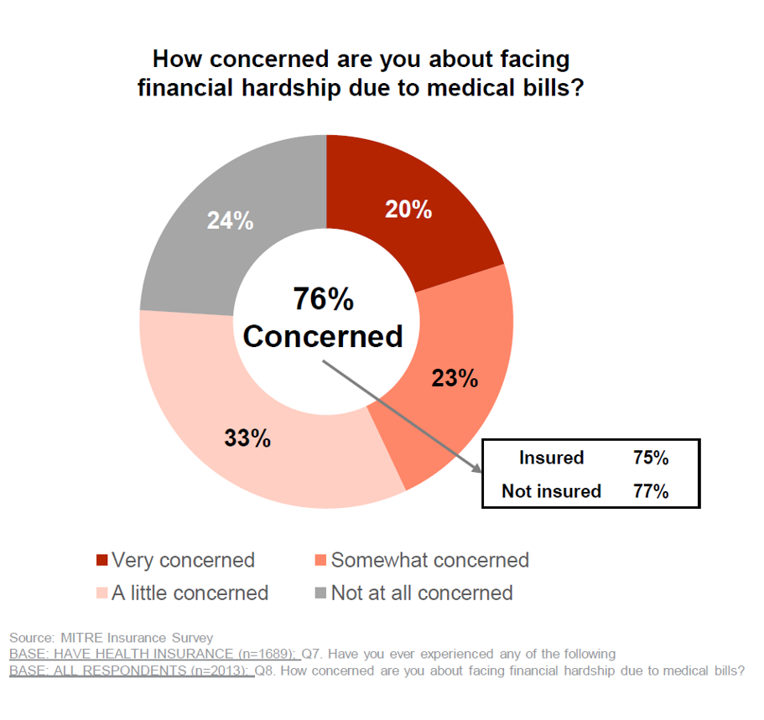
In the U.S., being covered by health insurance is one of the social determinants of health. Without a health plan, an uninsured person in America is far more likely to file for bankruptcy due to medical costs, and lack access to needed health care (and especially primary care). But even with health insurance coverage, most health-insured people are concerned about medical costs in America, found in a MITRE-Harris Poll on U.S. consumers’ health insurance perspectives published today. “Even those fortunate to have insurance struggle with bills that result from misunderstanding or underestimating costs of treatments and procedures,” Juliette Espinosa of
Aflac Finds Health Care and Financial Stress will “Dampen 2021 Holiday Magic” in U.S. Households
Most U.S. householders that experienced COVID-19 expect their 2021 December holidays will be impacted in terms of reducing their holiday gift or decor spending, canceling holiday travel plans to see family or friends, or canceling holiday events, according to the 2021 Aflac Health Care Issues Survey. Aflac polled 1,003 U.S. adults in September 2021 to gauge Americans’ financial health perspectives approaching the end of Year 2 of the COVID-19 pandemic in America. Families with children feel particularly strapped for the 2021 holiday season: while they will be less likely to reduce holiday spending, one-half are concerned about medical expenses compared with
Americans Cite COVID-19, Access and Cost as Top Healthcare Issues at the End of 2021
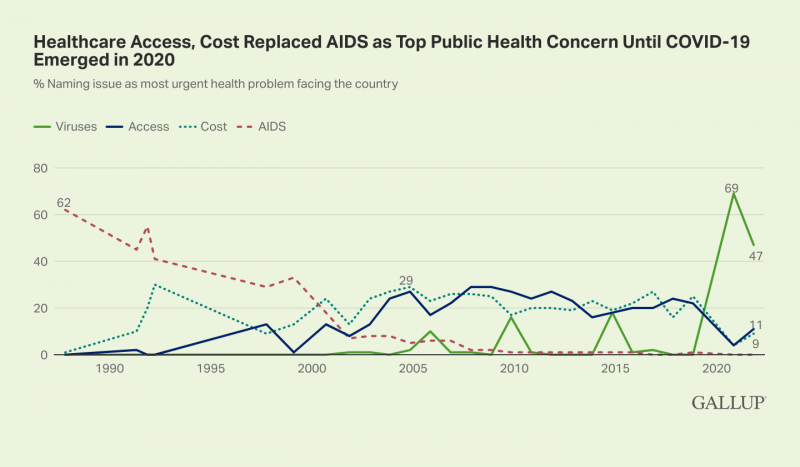
Approaching nearly two years into the pandemic, nearly one-half of Americans cite viruses and COVID-19 as the top health problem facing the U.S. In a Gallup poll published 30 November, COVID-19 (is) Still Widely Named as Biggest U.S. Health Problem, I added the “Is” to Gallup’s press release title because the proportion of people in America citing the coronavirus as the top health care problem facing the nation fell by about one-third — from 69% of health citizens to 47%. At the same time, the percentage of peopled most concerned about access to health care and costs more than doubled
Fastest-Growing Brands for 2021 Are About Digital Money, Social Connections and Boomers’ Best Lives
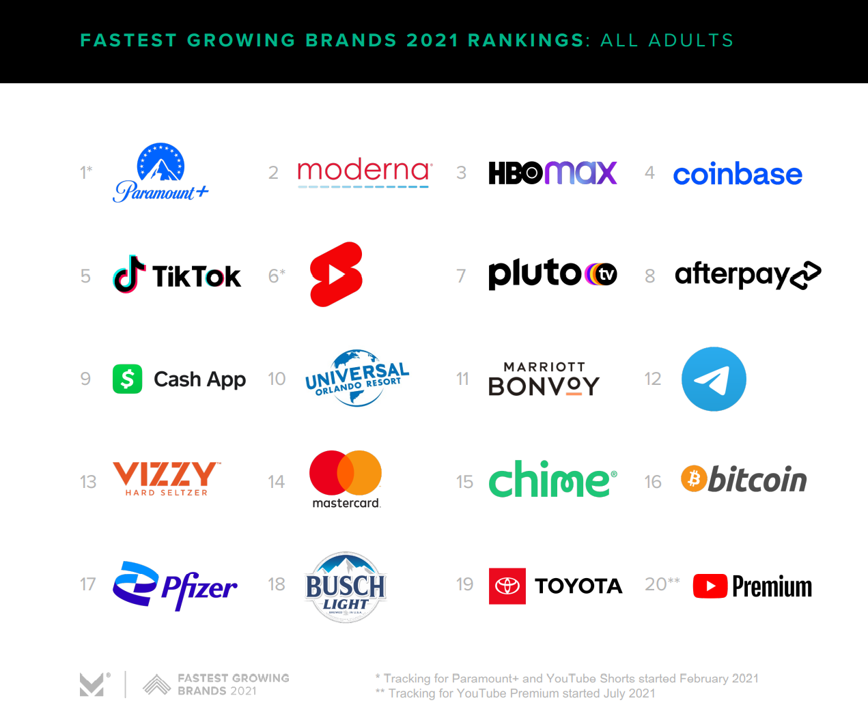
Two pharmaceutical companies bubble up among the 20 fastest-growing brands for 2021 in Morning Consult’s report on the Fastest-Growing Brands of 2021. But the surprise in this year’s top 20 brand rankings was that five of them addressed consumers’ financial flows: Coinbase, AfterPay. Cash App, Mastercard, Chime, and Bitcoin. One year ago when I covered this study, I found that the fastest-growing brands of 2020 had everything to do with the pandemic. They dealt with home entertainment, digital connectivity, hygiene, and indeed, health (with Pfizer and AstraZeneca the two pharma brands top-of-mind for consumers). In this year’s update, exploring consumers’
Best Buy Buys Current Health As Our Homes Morph Into Health Spaces
Best Buy continues to grow its health/care market footprint and service portfolio through remote health monitoring, first announced in the press release, Best Buy to acquire Current Health to help make home the center of health. The financial deal was disclosed yesterday at £300 million, about $400 million US dollars (FYI, Current Health is based in Scotland, thus value given in pounds sterling, with a particularly strong US $ exchange right now at 1.34). Remote monitoring has been part of Best Buy Health’s vision from the time the company explained its big audacious goals for the health ecosystem in 2018
GoodRx Finds Optimistic Outlook for Telehealth Among Both Providers and Patients
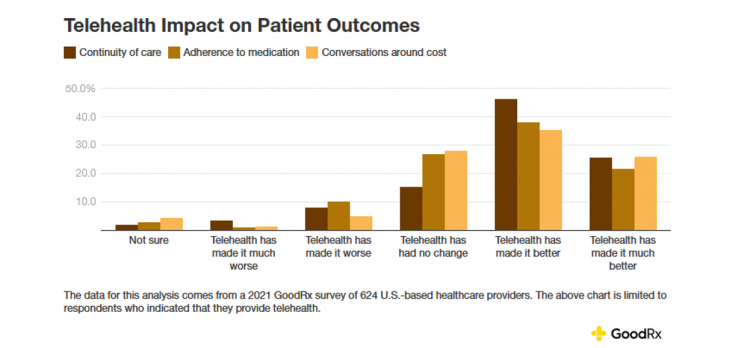
Most health care providers who were using telehealth by August 2021 felt optimistic about virtual care in a study from GoodRx on The State of Telehealth. GoodRx collaborated with the ATA on the 624 U.S. provider survey, which was complemented by a poll conducted among 1,024 health consumers for the patient perspective in September 2021. Looking at the two columns at the right side of the first bar chart, clinicians who have been using telehealth were more likely to feel optimistic about doing so than providers who were not. The most prevalent platforms providers used for telehealth engagement were via Zoom,
Does Inequality Matter in the U.S.? Health and the Great Gatsby Curve
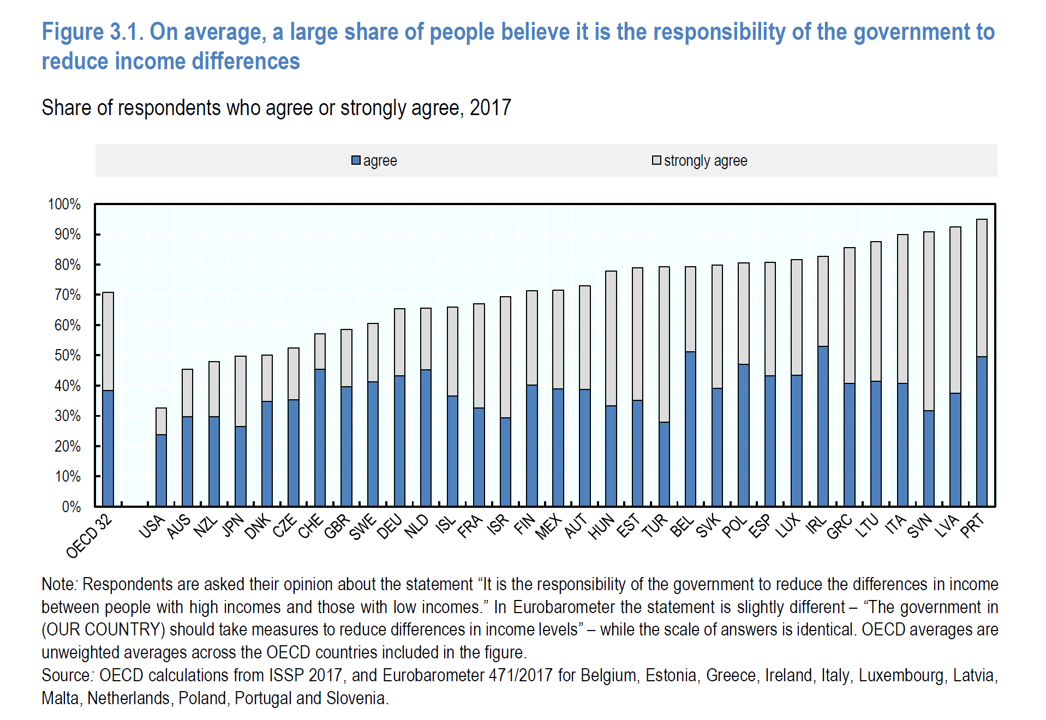
Compared with the rest of the developed world, people living in the U.S. may be concerned about income inequality, but their demand for income redistribution is the lowest among peer citizens living in 31 other OECD countries. In their latest report, Does Inequality Matter? the OECD examines how people perceive economic disparities and social mobility across the OECD 32 (the world’s developed countries from “A” Australia to “U,” the United Kingdom). Overall the OECD 32 average fraction of people who believe it is the government’s responsibility to reduce income differences among those who think disparities are too large is 80%
Health Citizens Link Their Views on Democracy, the Economy and the Pandemic
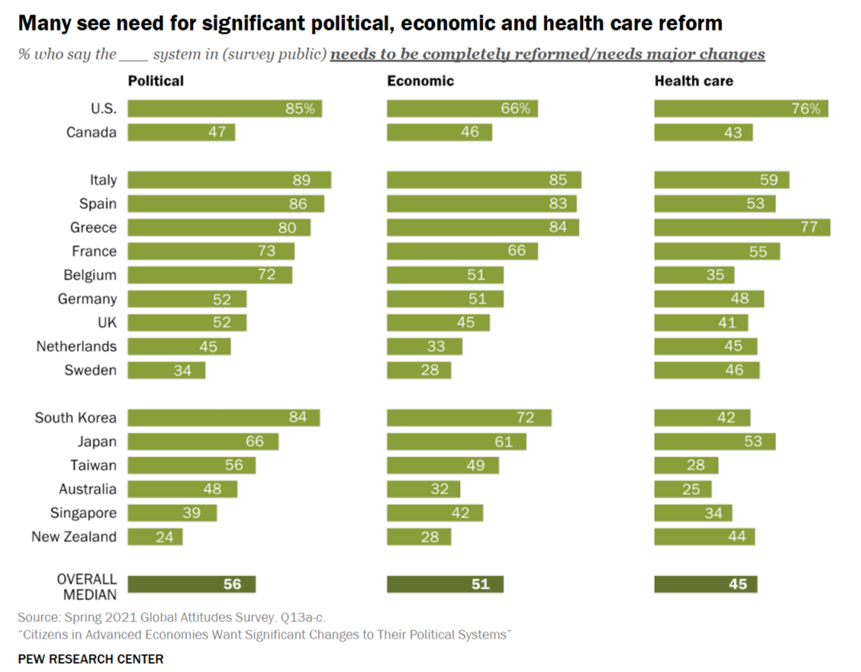
The pandemic has put health care top-of-mind for health citizens the world over. As the public health crisis continues its up-and-downticks around the globe, people are connecting health care to their national economies and politics, based on a global survey from the Pew Research Center, Citizens in Advanced Economies Want Significant Changes to Their Political Systems. For this analysis, the Pew research team assessed the views of some 2,600 health citizens living in 17 developed countries in February 2021. The study report was published in late October 2021. Shown in the first bar chart, the majority of people in at least
The Cost to Cover Health Insurance for a Family in America Is $22,221
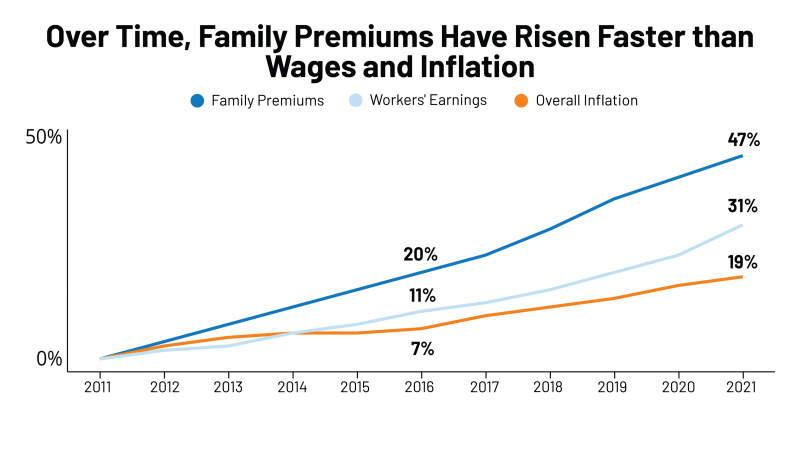
Even with growing inflation in the U.S. and post-pandemic job growth in 2021, the cost of health insurance premiums rose faster than either the price of goods or wages. That family health plan premium reached $22,221, an increase of 22% since 2016, we learn in the annual report from Kaiser Family Foundation, 2021 Employer Health Benefits Survey. This report is our go-to encyclopedia of statistics on health insurance year-after-year, surveying companies’ annual health insurance strategies for coverage and tactics for managing spending and workers’ health outcomes. This 2021 update takes into account the impacts and influence of COVID-19 on workers’
Effective Health Spending Is An Investment, Not a Cost: the Bottom-Line from OECD Health at a Glance 2021
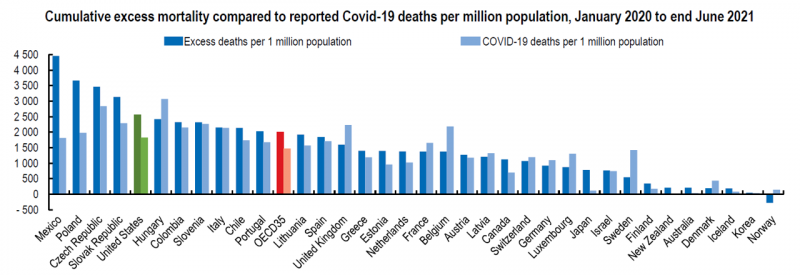
“The pandemic has shown that effective health spending is an investment, not a cost to be contained: stronger, more resilient health systems protect both populations and economies,” the OECD states in the first paragraph of the organization’s perennially-updated report, Health at a Glance 2021. This version of the global report incorporates public health data from the “OECD35,” 35 nations from “A” to “U” (Australia to United States) quantifying excess deaths experienced during the COVID-19 pandemic, the obesity epidemic, mental and behavioral health burdens, and health care spending, among many other metrics. The first chart illustrates that calculation of excess deaths,
“The Front Line Is Shrinking:” Nurses Re-Imagine Nursing at the #NurseHack4Health Hackathon
While nurses were in short supply before 2020, the coronavirus pandemic and stress on front-line health care workers exacerbated the shortage of nursing staff globally. This urgent call-to-action became the rallying cry and objective for this weekend’s #NurseHack4Health, “The Front Line Is Shrinking,” with the goal of building a sustainable workforce of the future. I’m grateful to the nurse leadership teams at Johnson & Johnson, Microsoft, and Sonsiel for inviting me to participate in another round of the #NurseHack4Health hackathon pitches over the past weekend. This year inspired nearly 800 registrants from at least 48 countries to convene via Microsoft
How Healthcare Experience Ranks Versus Other Industries (Not So Great)
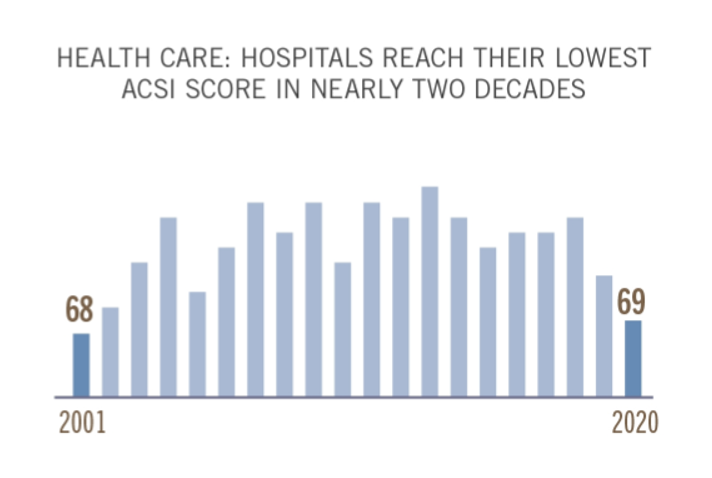
The coronavirus pandemic put health care at the top of peoples’ minds all over the world. As important as health became to humans at the base of our Hierachies of Needs, in the U.S., health care industries fell to their lowest consumer satisfaction scores in two decades, we learn in the latest evaluation by the American Consumer Satisfaction Index report. I explore consumer-patient experience for hospitals, health plans and ambulatory care compared with other industries in the November 2021 Medecision Liberation blog, calling out the importance of two key factors that drove peoples’ positive perceptions of brands and products in
Designing Digital Health for Public Health Preparedness and Equity: the Consumer Tech Association Doubles Down
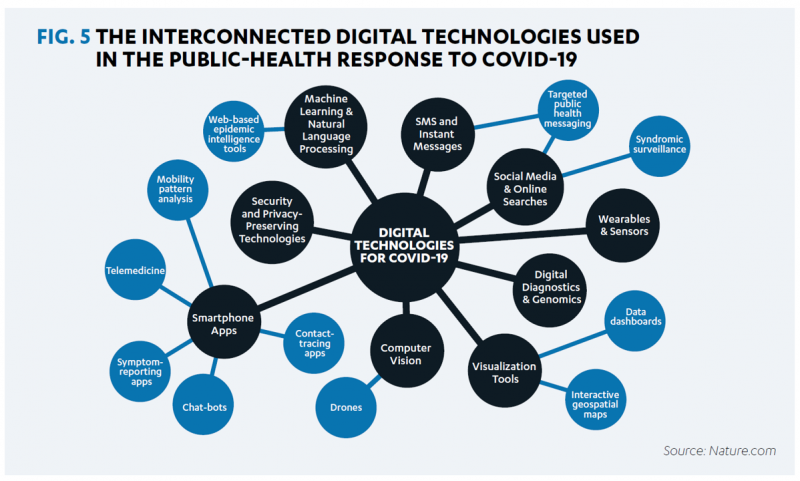
A coalition of health care providers, health plans, technology innovators, NGOs, and medical societies has come together as the Public Health Tech Initiative (PHTI), endorsed by the Consumer Technology Association (CTA) with the goal of advancing the use of trustworthy digital health to proactively meet the challenge of future public health emergencies….like pandemics. At the same time, CTA has published a paper on Advancing Health Equity Through Technology which complements and reinforces the PHTI announcement and objective. The paper that details the PHTI program, Using Heath Technology to Response to Public Health Emergencies, identifies the two focus areas: Digital health
Health Consumers, Health Citizens, and Wearable Tech – My Chat with João Bocas
The most effective, engaging, and enchanting digital health innovations speak to patients beyond their role as health consumers and caregivers: digital health is at its best when it addresses peoples’ health citizenship. I had the great experience brainstorming the convergence of digital health, wearable tech, user-centered (UX) design, and health citizenship with João Bocas, @WearablesExpert, in a on his podcast. And if those topics weren’t enough, I wove in the role of LEGO for our well-being, “playing well,” and inspiring STEM- and science-thinking. João and I started our chat first defining health citizenship, which is a phrase I first learned from
Why CrossFit and 23andMe Are Moving from Health to Primary Care
As we see the medical and acute care sector moving toward health and wellness, there’s a sort of equal and opposite reaction moving from the other end of the continuum of health/care: that is, wellness and fitness companies blurring into health care. Let’s start with the news about CrossFit and 23andMe, then synthesize some key market forces that will help us anticipate more ecosystem change for 2022 and beyond. CrossFit announced the company’s launch of CrossFit Precision Care, described as primary care that provides personalized, data-driven services for “lifelong health,” according to the press release for the program. The service
Still Struggling with Stress in America in 2021
“Americans remain in limbo between lives once lived and whatever the post-pandemic future holds,” the American Psychological Association observes in their latest read into Stress in America 2021, with this phase of the perennial study focused on Stress and Decision-Making During the Pandemic. The top-line: people face a daily web of risk assessment, up-ended routines, and endless news about the coronavirus locally and globally. While most people in the U.S. believe that “everything will work out” after the pandemic ends, the mental, emotional, and logistical daily distance between “now” and “then” brings uncertainty and indeed, prolonged stress. More Millennials, who
“Complexity is Profitable” in U.S. Healthcare – How to Save a Quarter-Trillion Dollars
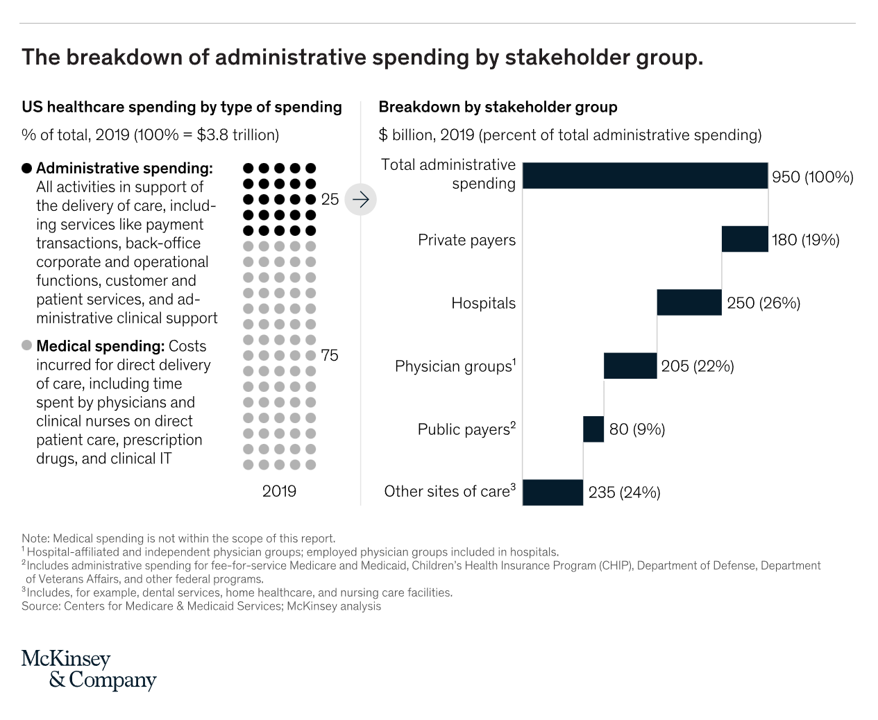
In the U.S., “Health care is complicated because complexity is profitable.” So explain Bob Kocher, MD, and Anuraag Chigurupati, in a viewpoint on Economic Incentives for Administrative Simplification, published this week in JAMA. Dr. Kocher, a physician who is a venture capitalist, and Chigurupati, head of member experience at Devoted Health, explain the misaligned incentives that impede progress in reducing administrative spending. This essay joins two others in the October 20, 2021 issue of JAMA which highlight administrative spending in American health care: Administrative Simplification and the Potential for Saving a Quarter-Trillion Dollars in Health Care by Nikhil Sahni, Brandon
Health Plan Consumer Experience Scores Reflect Peoples’ Digital Transformation – ACSI Speaks
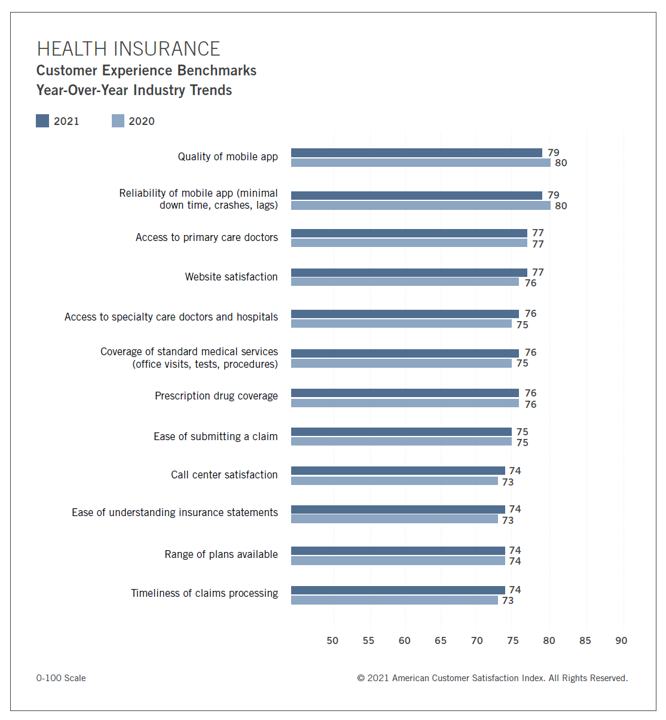
In the U.S., peoples’ expectations of their health care experience is melding with their best retail experience — and that’s taken a turn toward their digital and ecommerce life-flows. The American Customer Satisfaction Index Insurance and Health Care Study 2020-2021 published today, recognizing consumers’ value for the quality of health insurance companies’ mobile apps and reliability of those apps. Those digital health expectations surpass peoples’ benchmarks for accessing primary care doctors and specialty care doctors and hospitals, based on ACSI’s survey conducted among 12,274 customers via email. The study was fielded between October 2020 and September 2021. Year on year,
Be Mindful About What Makes Health at HLTH
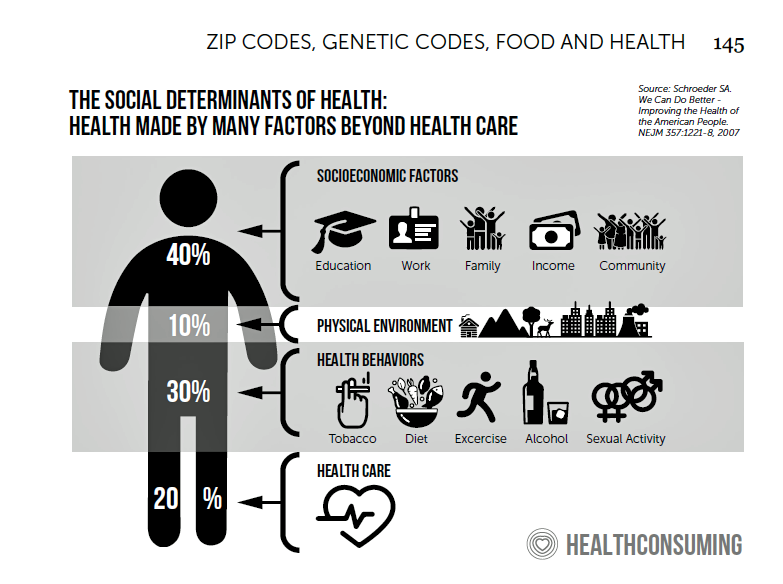
“More than a year and a half into the COVID-19 outbreak, the recent spread of the highly transmissible delta variant in the United States has extended severe financial and health problems in the lives of many households across the country — disproportionately impacting people of color and people with low income,” reports Household Experiences in America During the Delta Variant Outbreak, a new analysis from the Robert Wood Johnson Foundation, NPR, and the Harvard Chan School of Public Health. As the HLTH conference convenes over 6,000 digital health innovators live, in person, in Boston in the wake of the delta
Support for Drug Price Negotiation Brings Partisans Together in the U.S.
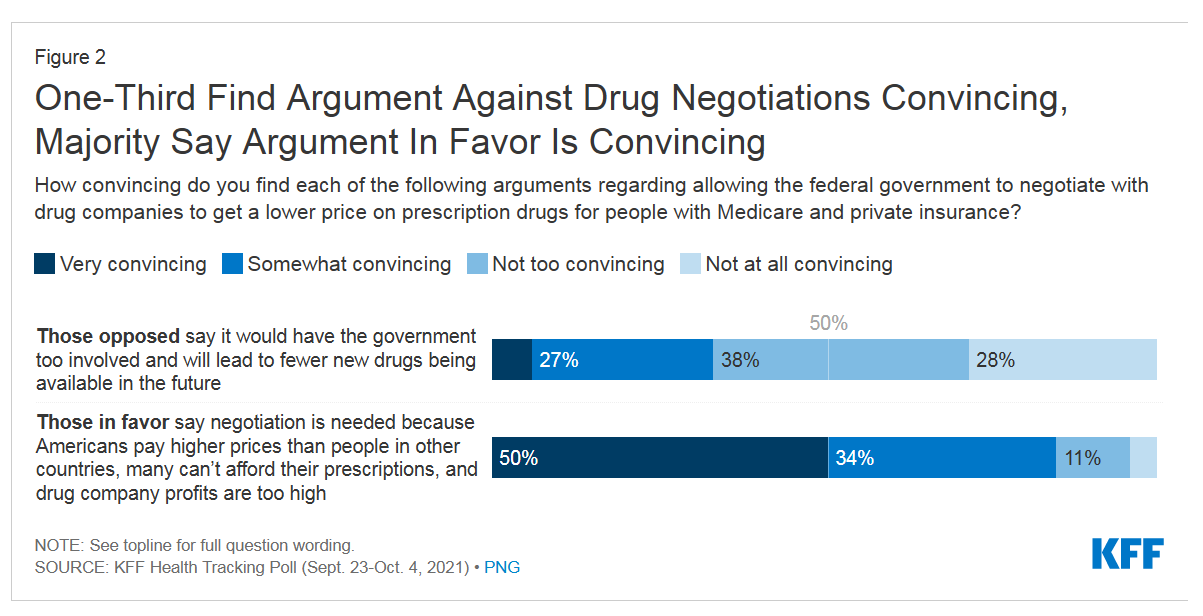
Most U.S. adults across political parties favor allowing the Federal government authority to negotiate for drug prices — even after hearing the arguments against the health policy. Drug price negotiation, say by the Medicare program, is a unifying public policy in the current era of political schisms in America, based on the findings in a special Kaiser Family Foundation (KFF) Health Tracking Poll conducted in late September-early October 2021. Overall, 4 in 5 Americans favor allowing the Federal government negotiating power for prescription drug prices, shown in the first chart from the KFF report. By party, nearly all Democrats agree
What Health Care Can Learn from Chick-fil-A, Clorox, and Chewy – Liberating Health
When we think about “3 C’s” for health care experience leadership, we might turn to Cleveland Clinic, Cigna, and CVS/health. In my latest post for the Medecision Liberation site, I point to a new trio of “C’s” to inform and inspire our patient/consumer/caregiver experience designs: Chick-fil-A, Clorox, and Chewy. Why these three? I explain, “Whether you share enthusiasm for these brands or not, news outlets and industry observers have noted these three organizations have weathered the pandemic well when it comes to improving the consumer experience and increasing customer engagement and satisfaction.” What health care can learn: These organizations streamlined
The Biggest Threat to Our Health Isn’t the Next Pandemic or Cancer…It’s Climate Change
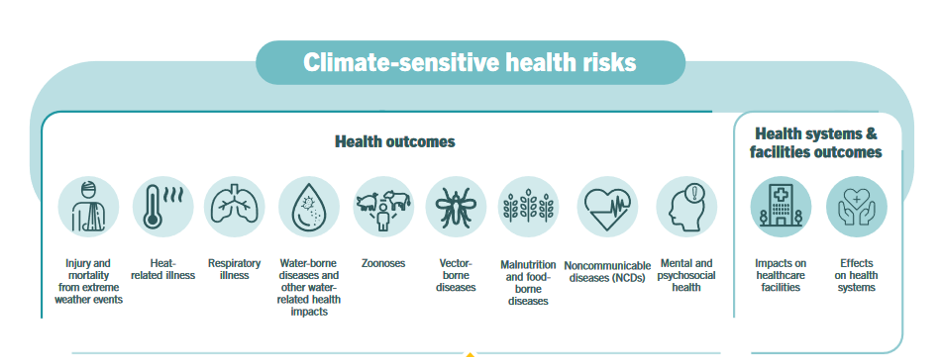
Before the coronavirus emerged, the top causes of death in developed countries were heart disease, cancers, diabetes, and accidents. Then COVID-19 joined the top-10 list of killers in the U.S. and the issue of pandemic preparedness for the next “Disease X” became part of global public health planning. But the biggest health threat to human life is climate change, according to a new report from the World Health Organization titled The Health Argument for Climate Action. It’s WHO’s special report on climate change and health, dedicated to the memory of Ella Kissi-Debrah — a child who died succumbing to impacts
Consider Mental Health Equity on World Mental Health Day
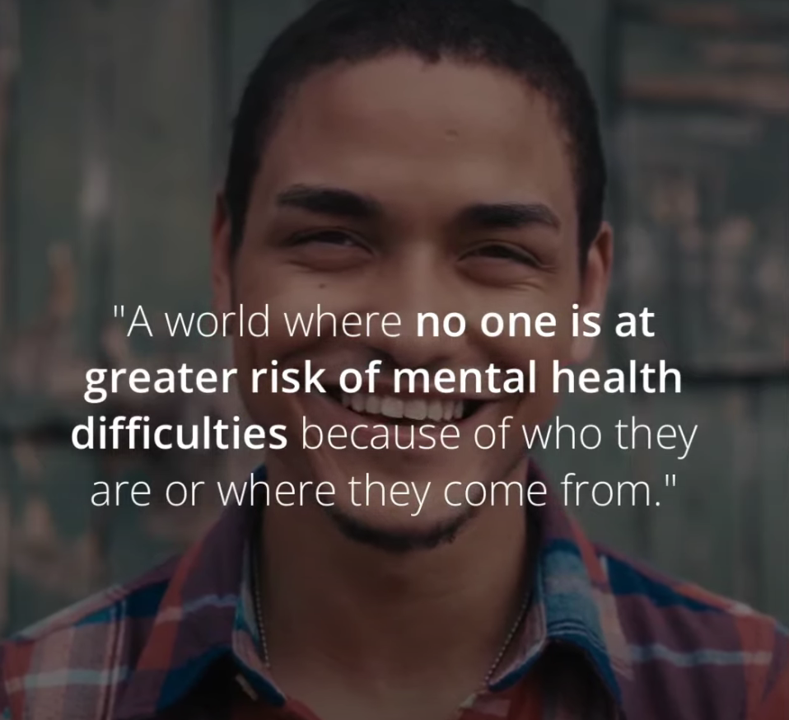
COVID-19 exacted a toll on health citizens’ mental health, worsening a public health challenge that was already acute before the pandemic. It’s World Mental Health Day, an event marked by global and local stakeholders across the mental health ecosystem. On the global front, the World Health Organization (WHO) describes the universal phenomenon and burden of mental health on the Earth’s people… Nearly 1 billion people have a mental disorder Depression is a leading cause of disability worldwide, impacting about 5% of the world’s population People with severe mental disorders like schizophrenia tend to die as much as 20 years earlier
Health Privacy and Our Ambivalent Tech-Embrace – Lessons for Digital Health Innovators
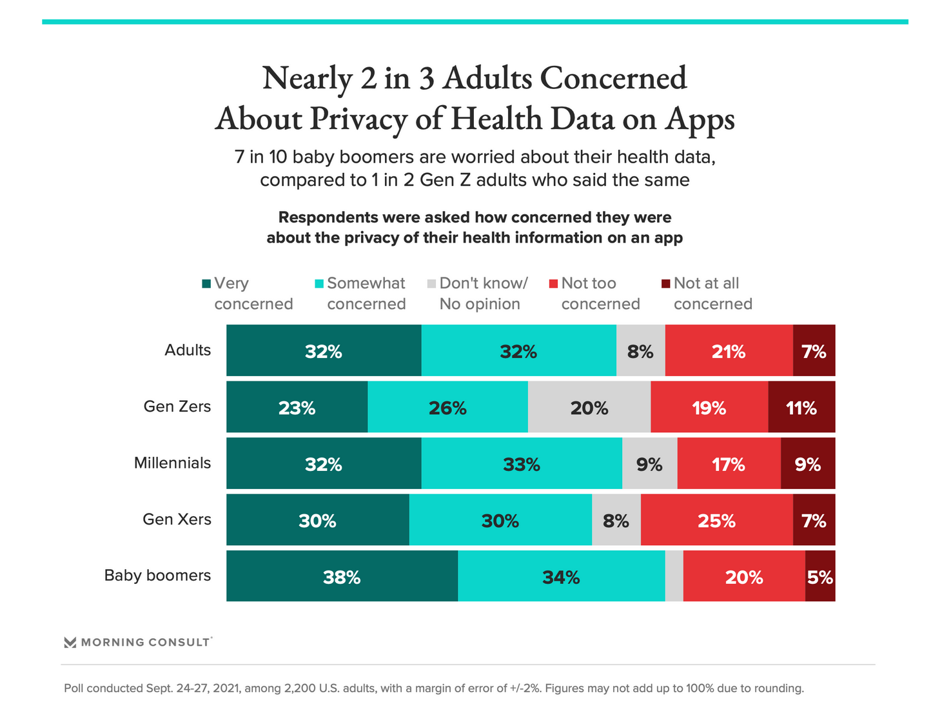
A new look into Americans’ views on health privacy from Morning Consult provides a current snapshot on citizens’ concerned embrace of technology — worried pragmatism, let’s call it. This ambivalence will flavor how health citizens will adopt and adapt to the growing digitization of health care, and challenge the healthcare ecosystem’s assumption that patients and caregivers will universally, uniformly engage with medical tools and apps and technologies. More Boomers are concerned with health data app privacy than Gen Z consumers, as the chart illustrates. 46% of U.S. adults said that health monitoring apps were not an invasion of privacy; 32%
Why CES 2022 Will Be Keynoted by a Health Care Executive
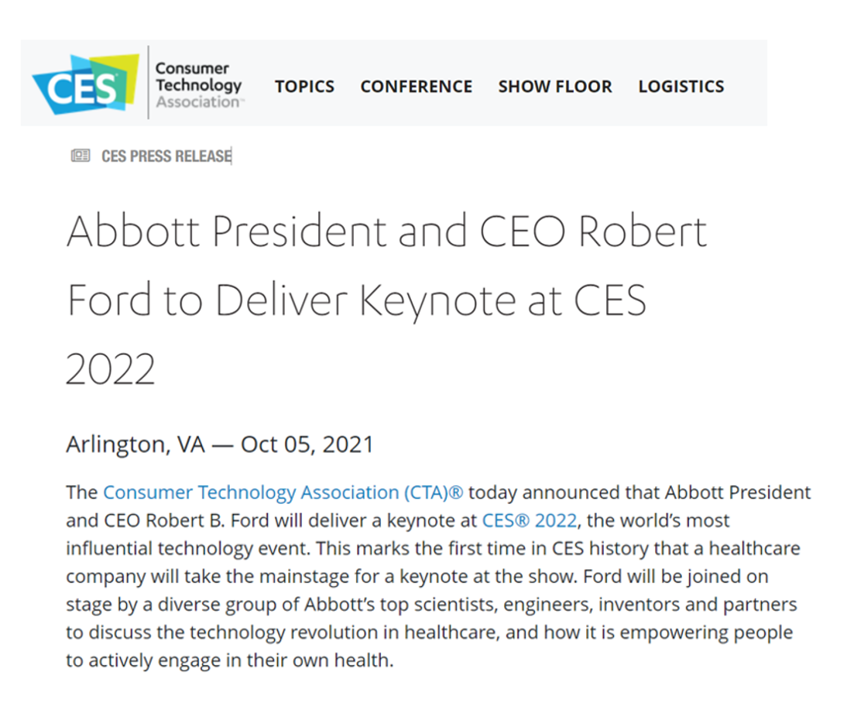
The Consumer Technology Association (CTA) announced that Robert Ford, CEO and President of Abbott, will give a keynote speech at CES 2022, the world’s largest annual convention of the technology industry. This news is a signal that health care and the larger tech-enabled ecosystem that supports health and well-being is embedded in peoples’ everyday lives. Digital health as a category has been a growing feature at CES for over a decade, starting with the early wearable tech era of Fitbit, Nike, Omron and UnderArmour, early exhibitors at CES representing the category. By 2020, the most recent “live, in person” CES,
Crossing the Pond by Plane in the Age of Corona – My View From the Hygienic Skies and on the Ground in Belgium

Years before we knew how to spell “coronavirus,” I gained Italian citizenship while retaining my U.S. citizenship. My family’s plan was to, soon thereafter, split time for work and life between the U.S. and the E.U. Then, COVID-19 emerged as a pandemic the world over, and the move to Brussels in January 2020 was quite short-lived. Now, the plan is in play and I’m writing this post from our home in Brussels, Belgium. Why Brussels? Among many smart reasons, the city is welcoming, our farm-to-table food style is doable, the walkability is brilliant, and the transportation options are accessible to
Clinician Burnout in the Age of COVID
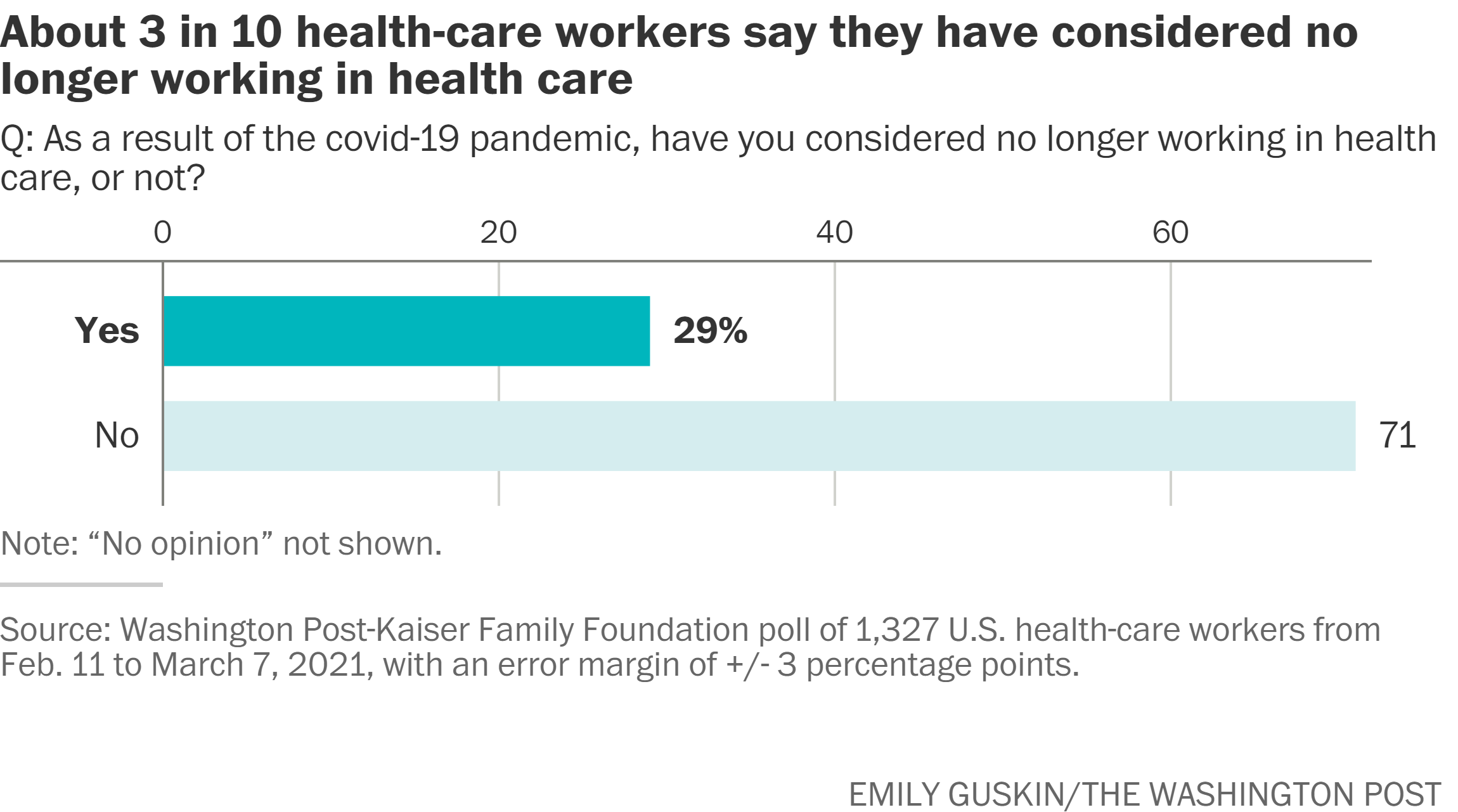
My latest essay for Medecision’s Liberation site digs into the sobering statistics on clinical burnout across the medical professions. From doctors to nurses, physician assistants and other licensed allied health human capital, our health care providers are in a world of hurt. This was initiated with the emergence of the COVID-19 pandemic. But the public health crisis, Delta variant, and lack of universal precautions adopted by U.S. health citizens have exacerbated an already-challenging scenario for individual clinicians and the organizations with whom they work and collaborate. But there’s an even bigger picture, and that’s the risk clinician burnout in its
Genentech’s Look Into the Mirror of Health Inequities
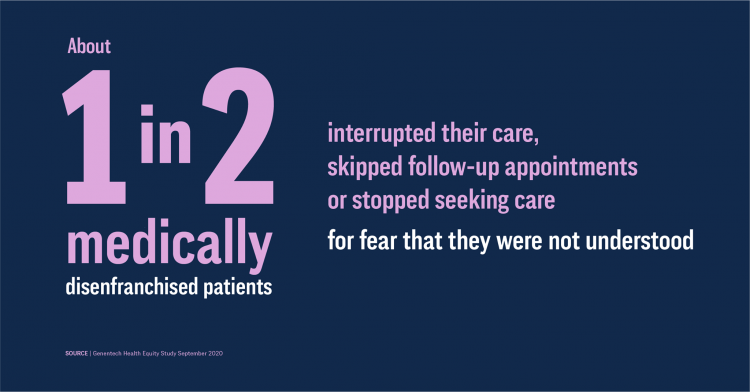
In 2020, Genentech launched its first study into health inequities. The company spelled out their rationale to undertake this research very clearly: “Through our work pursuing groundbreaking science and developing medicines for people with life-threatening diseases, we consistently witness an underrepresentation of non-white patients in clinical research. We have understood inequities and disproportionate enrollment in clinical trials existed, but nowhere could we find if patients of color had been directly asked: ‘why?’ So, we undertook a landmark study to elevate the perspectives of these medically disenfranchised individuals and reveal how this long-standing inequity impacts their relationships with the healthcare system
Chronic Medical Conditions, Mental Health, and Equity On Employers’ Minds for 2022 – Employee Health in the Wake of COVID-19
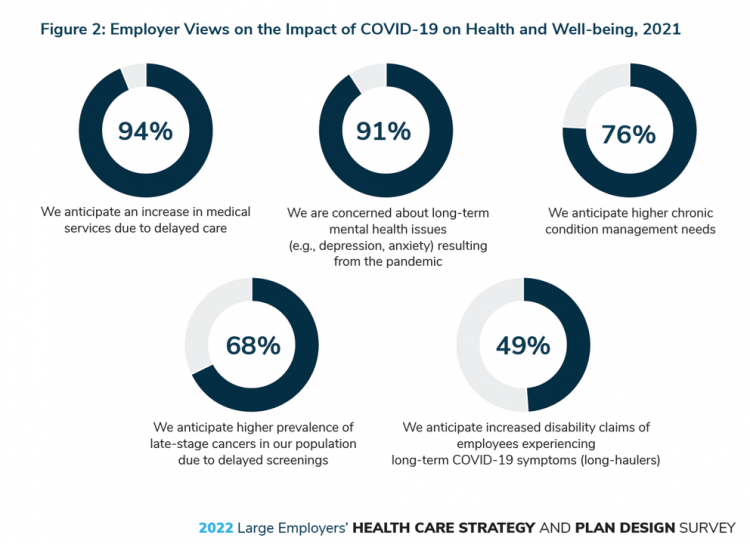
One in two people in the U.S. receive health insurance through employers. As large employers tend to be on the vanguard of benefit plan design, it’s useful to understand how these companies are thinking ahead on behalf of their employees. With that objective, it’s always instructive to explore the annual study from the Business Group on Health, the 2022 Large Employers’ Health Care Strategy and Plan Design Survey. As a result of the COVID-19 pandemic, large employees have many concerns about worker and dependents’ health. The biggest firms in America providing health insurance for workers are expecting an increase in
A Negative Outlook for US Hospital Margins Through 2021
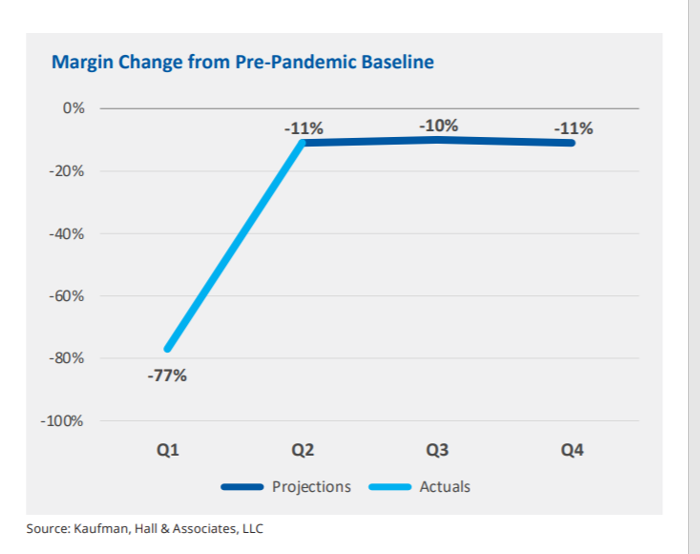
In the fourth quarter of 2021, U.S. hospital margins will still be lower than before the COVID-19 pandemic, Kaufman, Hall & Associates project in their latest read on hospital finances. Kaufman Hall has been monitoring hospitals’ financial health in the coronavirus era since March 2020, month-by-month. This new report looks into the Financial Effects of COVID-19: Hospital Outlook for the Remainder of 2021. This report was conducted on behalf of the American Hospital Association (AHA), who succinctly summarized the forecast saying, “COVID-19 [is] expected to drive continued hospital losses throughout 2021.” That projection is further couched in the concern that
Telehealth is Health: It’s Telehealth Awareness Week
In April 2020, telemedicine morphed into mainstream medical care as hospitals and physicians risk-managed exposure to infection by meeting with patients, virtually, when possible. By March 2020, telehealth channels were replacing visits to doctors and emergency departments as shown in the first chart from the CDC’s report on the early pandemic period. By the spring of 2021, telehealth use stabilized, but health systems had built the processes and policies to deliver on the promise of omni-channel health care — from the patient’s home and hands (via smartphones) into community sites closer-to-home, and returning to brick-and-mortar medical buildings. Welcome to Telehealth
 Jane will be working with EU- and UK-based clients in September and October 2026, collaborating with stakeholders in digital health, public/community health, retail health, and growing opportunities for health-at-home. Stay tuned to her updates here on Health Populi on-the-ground as she lives the digital nomadic work-life in Italy, Belgium, the Netherlands, and in London.
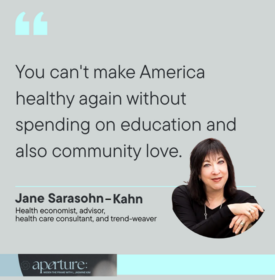 I was grateful to be Jasmine's first conversation-guest on her new podcast, "Aperture - Widen the Frame," where this expert in narrative medicine is bringing together the broad range of voices to sit at the table and address what health care needs: those humans in the health-system-loop who address health equity and empathy along with delivering evidence-based medicine for all.
 Jane joined host Dr. Geeta "Dr. G" Nayyar and colleagues to brainstorm the value of vaccines for public and individual health in this challenging environment for health literacy, health politics, and health citizen grievance. Click onto the Pfizer Value of Vaccines site and you can watch four episodes covering the challenges with adult vaccination, the employer and health plan member's journey to vaccination, reimbursement, and collaborating for proactive prevention.