


Pharma warming up to the cloud to drive efficiencies and support analytics
Over the next few years, large global pharma companies will need to wring out an additional $35 billion worth of efficiencies in order to drive profitability. While the industry has most of the patent cliff challenge behind it, companies face price constraints with respect to health reform, static national economies, and access demands. As the pharmaceutical industry enters the value-based health care era, the industry must catch up with other vertical markets in adopting information technology. In particular, pharma has been slower to migrate to the cloud than other businesses, with concerns about security and health care particular needs. Today, the
The digital health bubble – is it about to burst? #SXSW
That’s a useful and timely question, given the news that Castlight Health will launch its IPO with valuations north of $1 billion. Yes, “billions,” and according to a MarketWatch analysis, “it’s a bargain at $1 billion.” So then – do we anticipate a bubble? asked Marc Monseau of the Mint Collective, the convener of our panel who brought together Robert Stern, a successful health-tech entrepreneur whose latest venture, @PointofCare, focuses on patient engagement; Marco Smit of Next Innovation Health Partners (parting from the Health 2.0 Conference family where he led Health 2.0 Advisors for several years); and me. Some key
Health Axioms – inspiring self-care in patients and people
Most people face constraints in following a healthier lifestyle, according to new research from Bain & Company. Stress, time constraints, difficulty changing habits, getting enough sleep, and financial issues all militate against people project managing their health on a daily basis. Enter The Health Axioms, 32 mantras for simplifying healthcare DIY to empower and engage people in self-health. Conceived by health/tech designer Juhan Sonin, who teaches at MIT and is part of the team at Involution Studios, Health Axioms are 32 messages each designed on a 2×3 inch card and packaged as a deck to inspire and support health outside
Managing cost and utilization are top goals for specialty pharmacy buyers
While the prescription drug bill makes up about 10% of U.S. national health spending, the fastest-growing component of pharmacy spending is specialty medications. These are categorized as “specialty” drugs because they rarely have generic equivalents, and treat serious or life-threatening diseases (such as cancer, MS, and rheumatoid arthritis). They are also “special” because specialty pharmaceuticals average $3,000 per patient per month and can surpass $100,000 a year for certain products. As a result, the top two goals for managing specialty medications among employers are #1, to reduce inappropriate utilization, and #2, to reduce drug acquisition costs, based on a survey
What CVS going tobacco-free means for health and business

Bravo! to CVS/pharmacy who today announced it would pull tobacco products from store shelves by October 2014. “The sale of tobacco products is inconsistent with our purpose,” the company’s press release asserts. The move will cost CVS $1.5 billion in revenue annually, as the company seeks to consolidate its position as a health company. CVS/pharmacy is part of CVS Caremark, which includes the retail pharmacy chain (the second-largest in the U.S.), a pharmacy benefit management company (Caremark), and retail health clinics (Minute Clinics). CVS Caremark also participates in a healthy communities program issuing grants for projects that focus on health
Pharma and the health industry: when will they finally meet us Where We Live?
Millions of health citizens, consumers, patients and caregivers flock to Facebook, Twitter and Wikipedia every day the world over to seek health information, advocate for patients’ access to a cancer therapy on a health blog, engage in peer-to-peer health care in a social network, and bolster each others’ management of chronic medical conditions in a chat community. Yet the pharmaceutical and medical device industries rank well behind other industries vis-à-vis the use of social media, asserts Engaging patients through social media, with the punchline question: is healthcare ready for empowered and digitally demanding patients? from the IMS Institute for Healthcare Informatics, published on
What, We Worry? Thinking About Healthcare (Costs) Is Stressing Us Out
Three-quarters of us are concerned about health care, a fraction fewer than those of us worried about the economy. Underneath stress about healthcare, people are worried about costs and the impact of the Affordable Care Act (ACA). Say hello to the Healthcare Worry Scale, developed by Chase Communications, a firm focused on marketing and media, largely in the health industry. Chase found that: – 93% believe that their health care costs will continue to increase – 49% say the ACA’s impact is a “major” worry – 43% say getting a disease, medical condition, or injury that health insurance doesn’t fully
Health Care Everywhere at the 2014 Consumer Electronics Show
When the head of the Consumer Electronics Association gives a shout-out to the growth of health products in his annual mega-show, attention must be paid. The #2014CES featured over 300 companies devoted to “digital health” as the CEA defines the term. But if you believe that health is where we live, work, play, and pray, then you can see health is almost everywhere at the CES, from connected home tech and smart refrigerators to autos that sense ‘sick’ air and headphones that amplify phone messages for people with hearing aids, along with pet activity tracking devices like the Petbit. If
mHealth will join the health ecosystem – prelude to the 2014 Consumer Electronics Show
The rise of digital health at the 2014 Consumer Electronics Show signals the hockey-stick growth of consumer-facing health devices for fitness and, increasingly, more medical applications in the hands of people, patients, and caregivers. This year at #CES2014, while the 40% growth of the CES digital health footprint will get the headlines, the underlying story will go beyond wristbands and step-tracking generating data from an N of 1 to tools that generate data to bolster shared-decision making between people and the health system, and eventually support population health. For example: – Aetna is partnering with J&J to deploy their Care4Today
3 Things I Know About Health Care in 2014
We who are charged with forecasting the future of health and health care live in a world of scenario planning, placing bets on certainties (what we know we know), uncertainties (what we know we don’t know), and wild cards — those phenomena that, if they happen in the real world, blow our forecasts to smithereens, forcing a tabula rasa for a new-and-improved forecast. There are many more uncertainties than certainties challenging the tea leaves for the new year, including the changing role of health insurance companies and how they will respond to the Affordable Care Act implementation and changing mandates
Supermarkets and hospitals most-trusted industries in the U.S.
See the yellow highlighted rows? That single yellow bar at the top, that’s hospitals; at the bottom, you’ll see pharma, health insurance, and managed care. Hospitals, trusted; pharma, insurance, managed care? Down south on the trust barometer with oil, tobacco, phone companies and social media. The Harris Poll has gauged U.S. consumers’ views on honesty and trustworthiness across industries for the past ten years. Over those ten years, trust in these industries has eroded, from huge falls-from-grace for banks (a 17 point fall), packaged food (falling 12 points), and computer hardware and software substantially falling, as well. Hospitals are
A certain forecast: health consumers will be more cost-squeezed in 2014 for Rx and insurance
Gird your wallets, U.S. consumers: watch the dollars flow out-of-pocket for prescription drugs in 2014, as predicted by the 2013-2014 Prescription Drug Benefit Cost and Plan Design Report published by the Pharmacy Benefit Management Institute (PBMI) this week. Constraints covering most plan members are: Step therapy Prior authorization (to get approvals to fill high-cost drugs, notably growth hormones, injectables, controlled substances, Retin-A, and medications for sleep disorders, and Compulsory 90 day refills at retail (90-day dispensing for chronic meds). This Report, sponsored by Takeda, is the gold standard of drug benefit trends, having been published since 1995. Average 30-day copayments
Color us stressed – how to deal
Coast-to-coast, stress is the modus vivendi for most Americans: 55% of people feel stressed in every day life, according to a study from Televox. A Stressful Nation: Americans Search for a Healthy Balance paints a picture of a nation of physically inactive people working too hard and playing too little. And far more women feel the stress than men do. 64% of people say they’re stressed during a typical workday. 52% of people see stress negatively impacting their lives. And nearly one-half of people believe they could better manage their stress. As a result, physicians say that Americans are experiencing negative
Health costs up, credit down: health consumers face tightening credit markets in the face of rising medical costs
People who received health care in the U.S. between the second quarters of 2012 and 2013 faced 38% higher out-of-pocket costs, growing from $1,862 to $2,568 in just one year. These were payments for common procedures like joint replacements, Caesarean sections, and normal births. At the same time, consumers’ access to revolving credit lines fell by $1,000 over the twelve months. (Credit lines here include bank-issued credit cards, store credit cards, and home equity loans). The TransUnion Healthcare Report from TransUnion, the credit information company, paints a picture of tightening money for all consumers in the face of rising household
Mobile health apps – opportunity for patients and doctors to co-create the evidence
There are thousands of downloadable apps that people can use that touch on health. But among the 40,000+ mobile health apps available in iTunes, which most effectively drive health and efficient care? To answer that question, the IMS Institute for Healthcare Informatics analyzed 43,689 health, fitness and medical apps in the Apple iTunes store as of June 2013. These split into what IMS categorized as 23,682 “genuine” health care apps, and 20,007 falling into miscellaneous categories such as product-specific apps, fashion and beauty, fertility, veterinary, and apps with “gimmicks” (IMS’s word) with no obvious health benefit. Among the 23,682 so-called
Getting to health engagement will require more than a patient portal
Patient and health engagement is the flavor du jour in health circles these days, from the corridors of hospitals to the caffeinated marketing meetings in Big Pharma’s east coast meet-ups. But there’s no standard agreement on what we mean by peoples’ health engagement, whether by patient or well consumer. In Market Insights: The Evolution of Consumer Engagement in Health Care, Porter Research endeavors to deepen our understanding of this important concept. In the introductory section of the paper, “Understanding Engagement,” Porter proffers that industry – providers, payers and employers – consider engagement as “changing consumer behavior through increased participation in consumers’ own health
Innovating and thriving in value-based health – collaboration required
In health care, when money is tight, labor inputs like nurses and doctors stretched, and patients wanting to be treated like beloved Amazon consumers, what do you do? Why, innovate and thrive. This audacious Holy Grail was the topic for a panel II moderated today at the Connected Health Symposium, sponsored by Partners Heathcare, the Boston health system that includes Harvard’s hospitals and other blue chip health providers around the region. My panelists were 3 health ecosystem players who were not your typical discussants at this sort of meeting: none wore bow ties, and all were very entrepreneurial: Jeremy Delinsky
Consumers trust and welcome health and insurance providers to go DTC with communications
Consumers embrace ongoing dialog with the companies they do business with, Varolii Corporation toplines in a survey report, What Do Customers Want? A Growing Appetite for Customer Communications. Across all vertical industries consumers trust for this dialogue, health care organizations – specifically doctors, pharmacists, and insurance companies – are the most trusted. Examples of “welcome-comms” would be reminders about upcoming appointments or vaccinations (among 69% of people), notices to reorder or pick up a prescription (57%), and messages encouraging scheduling an appointment (39%). In banking, notices about fraudulent activity on one’s account is the most welcomed message beating out appointment
The new era of consumer health risk management: employers “migrate” risk
The current role of health insurance at work is that it’s the “benefits” part of “compensation and benefits.” Soon, benefits will simply be integrated into “compensation and compensation.” That is, employers will be transferring risk to employees for health care. This will translate into growing defined contribution and cost-shifting to employees. Health care sponsorship by employers is changing quite quickly, according to the 2013 Aon Hewitt Health Care Survey published in October 2013. Aon found that companies are shifting to individualized consumer-focused approaches that emphasize wellness and “health ownership” by workers to bolster behavior change and, ultimately, outcomes. The most
Economics of obesity and heart disease: We, the People, can bend the curves
The “O” word drives health costs in America ever-upward. Without bending the obesity curve downward toward healthy BMIs, America won’t be able to bend that stubborn cost curve, either. The Economic Impacts of Obesity report from Alere Wellbeing accounts for the costs of chronic diseases and how high obesity rates play out in the forms of absenteeism, presenteeism, and direct health care costs to employers, workers and society-at-large. Among the 10 costliest physical health conditions, the top 3 are angina, hypertension and diabetes — all related to obesity and amenable to lifestyle behavior change. The top-line numbers set the context:
U.S. Health Citizens Needed a Dummies Guide to the ACA
The Affordable Care Act (ACA) was signed in March 2010; that month, 57% of U.S. adults did something to self-ration health care, such as splitting prescription pills, postponing necessary health care, and putting off recommended medical tests, according to the Kaiser Family Foundation (KFF) Health Tracking Poll of March 2010. 57% of U.S. adults are still self-rationing health care in September 2013, according to KFF’s latest Health Tracking Poll, completed among 1,503 U.S. adults just two weeks before the launch of the Health Insurance Marketplaces on October 1, 2013. As of September 2013, only 19% of U.S. adults said they had heard
7 Women and 1 Man Talking About Life, Health and Sex – Health 2.0 keeping it real
Women and binge drinking…job and financial stress…sleeplessness…caregiving challenges…sex…these were the topics covered in Health 2.0 Conference’s session aptly called “The Unmentionables.” The panel on October 1, 2013, was a rich, sobering and authentic conversation among 7 women and 1 man who kept it very real on the main stage of this mega-meeting that convenes health technology developers, marketers, health providers, insurers, investors, patient advocates, and public sector representatives (who, sadly, had to depart for Washington, DC, much earlier than intended due to the government shutdown). The Unmentionables is the brainchild of Alexandra Drane and her brilliant team at the Eliza
Consumers’ out-of-pocket health costs rising faster than wages – and a surprising hit from generic drug prices
U.S. health consumers faced greater out-of-pocket health care costs in 2012, especially for outpatient services (think: doctors’ visits) and generic drugs, as presented in The 2012 Health Care Cost and Utilization Report from the Health Care Cost Institute (HCCI) published in September 2013. At the same time between 2011 and 2012, wages grew about 3%, remaining fairly flat over the past decade as health care costs continued to grow much faster. HCCI found that per capita (per person) out-of-pocket growth for outpatient visits amounted to an average of $118 between 2011 and 2012. But the biggest share of out-of-pocket costs for
The slow economy is driving slower health spending; but what will employers do?
By 2022, $1 in every $5 worth of spending in the U.S. will go to health care in some way, amounting to nearly $15,000 for each and every person in America. From biggest line item on down, health spending will go to payments to: Hospitals, representing about 32% of all spending Physicians and clinical costs, 20% of spending Prescription drugs, 9% of spending Nursing, continuing care, and home health care, together accounting for over 8% of health spending (added together for purposes of this analysis) Among other categories like personal care, durable medical equipment, and the cost of health insurance.
Food and the household health budget: one pocket, shrinking access
Over 1 in 5 people in the U.S. have not had enough money to buy food for themselves or their families in the past year, according to the August 2013 Gallup Healthways Index. This is as many consumers as those who couldn’t afford food during the deepest months of the last recession. Lack of access to food is a challenge for a cadre of Americans who lack access to other basic needs such as shelter and health care. Gallup’s Basic Access Index looks at this market basket, and has found that Americans’ access to basic needs at 81.4 in August
Health information search online, an hour a week. Time with a doctor? An hour a year.
In game-scoring unit terms, 52 is the number of hours an average American spends seeking health information online each year. The 1 (hour) is roughly equivalent to the approximate total time a patient spends with a physician (an average of 3 visits, with an average time per vision of 20 minutes). Thus, 52:1. This means that the average U.S. health consumer spends much more time DIYing her health using digital information resources than speaking face-to-face with their physician in the doctor’s office. Still, the physician continues to be a go-to source for health information, according to Makovsky, a health communications
Consumers don’t get as much satisfaction with high-deductible health plans
Since the advent of the so-called consumer-directed health care era in the mid-2000s, there’s been a love-gap between health plan members of traditional plans, living in Health Plan World 1.0, and people enrolled in newer consumer-driven plans – high-deductible health plans (HDHPs) and consumer-directed health plans (CDHPs). That gap in plan satisfaction continues, according to the Employee Benefits Research Institute (EBRI)’s poll of Americans’ consumer engagement in health care. The survey was conducted with the Commonwealth Fund. As the bar chart illustrates, some 62% of members in traditional plans were satisfied (very or extremely) with their health insurance in 2012.
Chief Health Officers, Women, Are In Pain
Women are the Chief Health Officers of their families and in their communities. But stress is on the rise for women. Taking an inventory on several health risks for American women in 2013 paints a picture of pain: of overdosing, caregiver burnout, health disparities, financial stress, and over-drinking. Overdosing on opioids. Opioids are strong drugs prescribed for pain management such as hydrocodone, morphine, and oxycodone. The number of opioid prescriptions grew in the U.S. by over 300% between 1999 and 2010. Deaths from prescription painkiller overdoses among women have increased more than 400% since 1999, compared to 265% among men.
Losing your eyebrows, finding health and beauty
My friend Rachel leads education at Sephora in the King of Prussia Mall in suburban Philadelphia, PA. I’ve come to consider Rachel as my personal guress on all matters related to skin care. She’s a trusted member of my personal health ecosystem. I met with Rachel last week to consult on what lipsticks contain SPFs that could prevent my lips from burning in the sun for my vacation week on Lakes George and Placid. She informed me that very few cosmetic lip products have sufficient sun protection ingredients to protect my lips-on-the-Lakes. We accomplished our consult for my very small
People are growing their health-consumer muscles in 2013
Most Americans are concerned about their ability to for medical bills, even when they have health insurance. As a result, most are comfortable asking their doctor about how much their medical treatment will cost. People are becoming savvier health care shoppers largely because they have to: 37% of people in the U.S. have an annual health insurance deductible over $2,000, according to the Spring/Summer 2013 Altarum Institute Survey of Consumer Health Care Opinion, published on 11th July 2013. Many of the media stories coming out of the Altarum survey since its publication have been about people and their trust in
10 Reasons Why ObamaCare is Good for US
When Secretary Sebelius calls, I listen. It’s a sort of “Help Wanted” ad from the Secretary of Health and Human Services Kathleen Sebelius that prompted me to write this post. The Secretary called for female bloggers to talk about the benefits of The Affordable Care Act last week when she spoke in Chicago at the BlogHer conference. Secretary Sebelius’s request was discussed in this story from the Associated Press published July 25, 2013. “I bet you more people could tell you the name of the new prince of England than could tell you that the health market opens October 1st,” the
Cost prevents people from seeking preventive health care
3 in 4 Americans say that out-of-pocket costs are the main reason they decide whether or not to seek preventive care, in A Call for Change: How Adopting a Preventive Lifestyle Can Ensure a Healthy Future for More Americans from TeleVox, the communications company, published in June 2013. TeleVox surveyed over 1,015 U.S. adults 18 and over. That’s the snapshot on seeking care externally: but U.S. health consumers aren’t that self-motivated to undertake preventive self-care separate from the health system, either, based on TeleVox’s finding that 49% of people say they routinely exercise, and 52% say they’ve attempted to improve eating habits.
What to expect from health care between now and 2018
Employers who provide health insurance are getting much more aggressive in 2013 and beyond in terms of increasing employees’ responsibilities for staying well and taking our meds, shopping for services based on cost and value, and paying doctors based on their success with patients’ health outcomes and quality of care. Furthermore, nearly one-half expect that technologies like telemedicine, mobile health apps, and health kiosks in the back of grocery stores and pharmacies are expected to change the way people regularly receive health care. What’s behind this? Increasing health care costs, to be sure, explains the 18th annual survey from the National
The emerging economy for consumer health and wellness
The notion of consumers’ greater skin in the game of U.S. health care — and the underlying theory of rational economic men and women that would drive people to greater self-care — permeated the agenda of the 2nd annual Consumer Health & Wellness Innovation Summit, chaired by Lisa Suennen of Psilos Ventures. Lisa kicked off the meeting providing a wellness market landscape, describing the opportunity that is the ‘real’ consumer-driven health care: people getting and staying well, and increasing participation in self-management of chronic conditions. The U.S. health system is transforming, she explained, with payors beginning to look like computer
Consumer-directed health isn’t always so healthy
Giving health consumers more skin in the game doesn’t always lead to them making sound health decisions. Over four years in consumer-directed health plans, enrollees used one-quarter fewer visits to doctors every year and filled one fewer prescription drugs. CDHP members also received fewer recommended cancer screenings, and visited the emergency room more often. These rational health consumer theory-busting findings were published in the June 2013 issue of the Health Affairs article, Consumer-Directed Health Plans Reduce The Long-Term Use of Outpatient Physician Visits And Prescription Drugs by Paul Fronstin of the Employee Benefit Research Institute and colleagues from IBM and RxEconomics,
Most employers will provide health insurance benefits in 2014…with more costs for employees
Nearly 100% of employers are likely to continue to provide health insurance benefits to workers in 2014, moving beyond a “wait and see” approach to the Affordable Care Act (ACA). As firms strategize tactics for a post-ACA world, nearly 40% will increase emphasis on high-deductible health plans with a health savings account, 43% will increase participants’ share of premium costs, and 33% will increase in-network deductibles for plan members. Two-thirds of U.S. companies have analyzed the ACA’s cost impact on their businesses but need to know more, according to the 2013 survey from the International Foundation of Employee Benefit Plans (IFEBP).
The decline and fall of pharmaceutical spending…short- or long-term phenomenon?
The prescription drug cost curve is bending…for the time being. Spending on medicines fell by 3.5% in 2012 and will continue to fall below overall health spending over the next five years to 2017. But different from general health spending, there’s a new game in town called specialty medicines, and they cost a whole lot more than the generics and the aging brands that bent the cost curve in 2012. The declining Rx spending story is only part of a complicated tale told in great detail in a comprehensive report from the IMS Institute for Healthcare Informatics, Declining Medicine Use
Call it DTH, direct to home: Pfizer is shipping Viagra direct to consume
While the blockbuster erectile dysfunction (ED) drug has been shipped directly to consumer’s homes for years via pharmacy benefits management companies and specialty pharmacy retailers catering to the ED segment, Pfizer wants in on the transaction and has decided to get into the Direct-to-Consumer (DTC) distribution business for a prescription drug. Call this market development Direct-to-Home, or DTH. This is a kind of sentinel event signaling a pharmaceutical manufacturer cutting out the middle-man (read: retail pharmacy), and in this case getting up-close-and-personal with users of a drug that represents quality of life. Another motivation for Pfizer is trying to stem
Dietitians provide a health bridge between food and pharmacy
The registered dietitian is an in-demand labor resource for grocery stores around the U.S. Advertising Age covered the phenomenon of the growing clout of dietitians in food chains (April 14, 2013). Let’s dig further into this phenomenon through the Health Populi lens on healthcareDIY and peoples’ ability to bend their personal health care cost curves. Stores such as Giant Eagle, Hy-Vee, Safeway and Wegmans are morphing into wellness destinations, with pharmacies and natural food aisles taking up valuable square footage to meet consumers’ growing demands for healthy choices. Some stores are formalizing their approach to food = health by formulating a
Food = Health for employers, hospitals, health plans and consumers
Food is inextricably bound up with health whether we are well or not. Several key area of the Food=Health ecosystem made the news this week which, together, will impact public and personal health. On the employer health benefits front, more media are covering the story on CVS strongly incentivizing employees to drop body mass index (BMI) through behavioral economics-inspired health plan design of a $50 peer month penalty. Michelin, whose bulky advertising icon Bibendum has more than one “spare tire,” introduced a program to combat health issues, including but not limited to BMI and high blood pressure, according to the
1 in 5 US consumers asks a doctor for a lower-cost Rx
With U.S. health consumers spending $45 billion out-of-pocket for prescription drugs in 2011, pharmaceutical products are morphing into retail health products. As such, as they do with any other consumer good, consumers can vote with their feet by walking away from a product purchase or making the spend based on the price of the product and its attributes, along with whether there are substitutes available in the marketplace. When it comes to prescription drugs, it’s not as clear-cut, according to the Centers for Disease Control‘s analysis of data from the 2011 National Health Interview Survey titled Strategies Used by
The need for a Zagat and TripAdvisor in health care
Patient satisfaction survey scores have begun to directly impact Medicare payment for health providers. Health plan members are morphing into health consumers spending “real money” in high-deductible health plans. Newly-diagnosed patients with chronic conditions look online for information to sort out whether a generic drug is equivalent to a branded Rx that costs five-times the out-of-pocket cost of the cheaper substitute. While health care report cards have been around for many years, consumers’ need to get their arms around relevant and accessible information on quality and value is driving a new market for a Yelp, Travelocity, or Zagat in
Walgreens Steps with Balance program rewards both consumers and the store
Consumers who patronize Walgreens can get rewarded for tracking their physical activity For the Steps with Balance program kickoff, self-tracking consumers can earn 20 points for every mile walked or run and 20 points for tracking weight. Walgreens implemented the Walk with Walgreens program in 2012. The program won an Effie Award for an outstanding marketing program. With the success of Walk with Walgreens, the retail pharmacy company has expanded the program beyond simple steps to include weight tracking and health goals for earning loyalty points. The program enables a few of the most popular self-tracking devices to sync so
Arianna and Lupe and Deepak and Sanjay – will the cool factor drive mobile health adoption?
Digital health is attracting the likes of Bill Clinton, Lupe Fiasco, Deepak Chopra, Dr. Sanjay Gupta, Arianna Huffington, and numerous famous athletes who rep a growing array of activity trackers, wearable sensors, and mobile health apps. Will this diverse cadre of popular celebs drive consumer adoption of mobile health? Can a “cool factor” motivate people to try out mobile health tools that, over time, help people sustain healthy behaviors? Mobile and digital health is a fast-growing, good-news segment in the U.S. macroeconomy. The industry attracted more venture capital in 2012 than other health sectors, based on Rock Health’s analysis of the year-in-review. Digital health
Bill Clinton’s public health, cost-bending message thrills health IT folks at HIMSS
In 2010, the folks who supported health care reform were massacred by the polls, Bill Clinton told a rapt audience of thousands at HIMSS13 yesterday. In 2012, the folks who were against health care reform were similarly rejected. President Clinton gave the keynote speech at the annual HIMSS conference on March 6, 2013, and by the spillover, standing-room-only crowd in the largest hall at the New Orleans Convention Center, Clinton was a rock star. Proof: with still nearly an hour to go before his 1 pm speech, the auditorium was already full with only a few seats left in the
Butter over guns in the minds of Americans when it comes to deficit cutting
Americans have a clear message for the 113th Congress: I want my MTV, but I want my Medicare, Medicaid, Social Security, health insurance subsidies, and public schools. These budget-saving priorities are detailed in The Public’s Health Care Agenda for the 113th Congress, conducted by the Kaiser Family Foundation, Robert Wood Johnson Foundation, and the Harvard School of Public Health, published in January 2013. The poll found that a majority of Americans placed creating health insurance exchanges/marketplaces at top priority, compared with other health priorities at the state level. More people support rather than oppose Medicaid expansion, heavily weighted toward 75%
Health reform, costs and the growing role of consumers: PwC’s tea leaves for 2013
PwC has seen the future of health care for the next year, and the crystal ball expects to see the following: Affordable Care Act implementation, with states playing lead roles The role of dual eligibles Employer’s role in health care benefits Consumers’ role in coverage Consumers’ ratings impact on health care Transforming health delivery Population health management Bring your own device Pharma’s changing value proposition The medical device industry & tax impact. In their report, Top health industry issues of 2013: picking up the pace on health reform, PwC summarizes these expectations as a “future [that] includes full implementation of
The connected home as consumer medical home
Consumers are looking for electronic devices that do many things, don’t care much about what platforms they use, like the convenience that cloud computing enables, and are bringing their own devices to the workplace for productivity, conference calls, and communication. Accenture has studied the wired consumer and developed this infographic, which illustrates these four key findings. Accenture says it’s “an open playing field” when it comes to consumer technology: there are many suppliers who can develop products and sell into this market, where consumers seem pretty agnostic relative to operating systems and even brands — as long as the devices
Retail and work-site clinics – medical homes for younger adults?
The use of retail and work-site health clinics is up, and their consumers skew young. Overall, 27% of all U.S. adults have stepped into a walk-in clinic in the past two years. But only 15% of people 65 and over have used such a clinic. This begs the question: are retail and on-site clinics at the workplace filling the role of medical homes for younger adult Americans? The Harris Interactive/HealthDay poll published in January 2013 discovered that use of retail clinics grew from 7% in 2008 to 27% in 2012. The largest age cohort using walk-in clinics is people between
Health and consumer spending may be flat, but consumers hard hit due to wage stagnation & self-rationing
There’s good news on the macro-health economics front: the growth rate in national health spending in the U.S. fell in 2011, according to an analysis published in Health Affairs January 2013 issue. Furthermore, this study found that consumers’ spending on health has fallen to 27.7% of health spending, down from 32% in 2000, based on three spending categories: 1. Insurance premiums through the workplace or self-paid 2. Out-of-pocket deductibles and co-pays 3. Medicare payroll taxes. A key factor driving down health spending is the growth of generic drug substitution for more expensive Rx brands. Generics now comprise 80% of prescribed
We are all health deputies in the #digitalhealth era: live from the 2013 Consumer Electronic Show
Reed Tuckson of UnitedHealthGroup was the first panelist to speak at the kickoff of the Digital Health Summit, the fastest-growing aspct of the 2013 Consumer Electronics Show (#2013CES). Tuckson implored the spillover audience to all, “self-deputize as national service agents in health,” recognizing that technology developers in the room at this show that’s focused on developers building Shiny New Digital Things have much to bring to health. As Andrew Thompson of Proteus Medical (the “invisible pill” company) said, “we can’t bend the health care cost curve; we have to break it.” This pioneering panel was all about offering new-new technologies
Call them hidden, direct or discretionary, health care costs are a growing burden on U.S. consumers
Estimates on health spending in the U.S. are under-valued, according to The hidden costs of U.S. health care: Consumer discretionary health care spending, an analysis by Deloitte’s Center for Health Solutions. Health spending in the U.S. is aggregated in the National Health Expenditure Accounts (NHEA), assembled by the Department of Health and Human Services (DHHS) Centers for Medicare and Medicaid Services (CMS). In 2010, the NHEA calculated that $2.6 trillion were spent on health care based on the categories they “count” for health spending. These line items include: Hospital care Professional services (doctors, ambulatory care, lab services) Dental services Residential
Nurses, pharmacists and doctors rank top in honesty, says Gallup poll
Nurses, pharmacists and doctors rank tops with Americans when it comes to honesty and ethics. Most people also rate engineers, dentists, police officers, clergy and college teachers as high on honesty metrics. Lawmakers (THINK: Congress) and car salesman fall to the bottom of the honesty-and-trust roster, who only 1 in 10 Americans believe act with honesty and integrity. Other low-ranking professions on this list are HMO managers, stockbrokers, and folks in the advertising business. Welcome to this year’s Gallup Poll on consumers’ perceptions of honesty and ethics in 22 professions in the U.S. Gallup measures six health care professions
Americans #1 health care priority for the President: reduce costs
Reducing health care costs far outranks improving quality and safety, improving the public’s health, and upping the customer experience as Americans’ top priority for President Obama’s health care agenda, according to a post-election poll conducted by PwC’s Health Research Institute. In Warning signs for health industry, PwC’s analysis of the survey results, found that 7 in 10 Americans point to the high costs of health care as their top concern in President Obama’s second term for addressing health care issues. Where would cost savings come from if U.S. voters wielded the accountant’s scalpel? The voters have spoken, saying, Reduce payments
Consumers seek emotional connections with health care
83% of consumers would pay more for a product or service from a company they feel puts them first, finds rbb Public Relations in their 2012 Nationwide Breakout Brand Survey. Emotional connections matter most in health care, say 76% of U.S. consumers, followed by banks (63%), professional services (62% – think: accountant, financial planner, estate lawyer), travel (56%), insurance (55%) and autos (52%). Interestingly, apparel and beauty rank the lowest in the poll – with only 18% and 19% of consumers looking for emotional connections from those industries. The top 10 breakout brands on the emotional front are Apple Amazon
Wired health: living by numbers – a review of the event
Wired magazine, longtime evangelist for all-things-tech, has played a growing role in serving up health-tech content over the past several years, especially through the work of Thomas Goetz. This month, Wired featured an informative section on living by numbers — the theme of a new Wired conference held 15-16 October 2012 in New York City. This feels like the week of digital health on the east coast of the U.S.: several major meetings have convened that highlight the role of technology — especially, the Internet, mobile platforms, and Big Data — on health. Among the meetings were the NYeC Digital Health conference, Digital
What Jerry the Bear means for Health 2.0
A teddy bear in the arms of a child with diabetes can change health care. At least, Jerry the Bear can. Yesterday kicked off the sixth autumn mega-version of the Health 2.0 Conference in San Francisco. Co-founded by Matthew Holt and Indu Subaiya, a long-time health analyst and physician, respectively, this meeting features new-new tools, apps and devices aimed at improving individual and population health, as well as health processes and workflows for physicians, hospitals, pharma, and other stakeholders in the health care ecosystem – even health lawyers, who met on October 7 to discuss up-to-the-minute e-health law issues. Yesterday was
U.S. health insurance updates from Kaiser, EBRI and the Census Bureau; uninsurance related to poor health
The average annual premiums for employer-sponsored health insurance in 2012 are double what they were a decade ago in terms of both total premium and worker contribution increases. The picture shows the story, according to the 2012 Employer Health Benefits Survey from the Kaiser Family Foundation (KFF). This annual survey polls small, mid-size and large employers to assess their updates for providing health insurance and prescription drug coverage to active and retired employees. The percentage growth of health costs in the past year were a “modest” 4%, according to KFF. Modest is a relative term: this single digit increase is indeed much
Not goin’ mobile (yet): health search still mostly done on computers
As the Web Goes Mobile, Healthcare Stands Still, sums up a survey from Makovsky Health and Kelton. Their research finds that, while consumers have beloved relationships with their mobile devices (phones and tablets) and use them regularly for aspects of daily living, healthcare information search is still largely managed via desktop and laptop computers. The infographic organizes some of Makovsky-Kelton’s findings. Of note is that parents are more likely to seek health answers online, Wikipedia has gained in health use since 2011, women are more likely than men to research before filling a prescription, and recommendations from friends and family are
More primary care office hours, lower health care costs
It’s become evident that more health care does not often lead to better health: Shannon Brownlee’s seminal book, Overtreated, uncovered the negative relationship between more health care and worse outcomes. However, when it comes to accessing primary care, more may be a good thing. In Extended Office Hours and Health Care Expenditures: A National Study, published this week in the Annals of Family Medicine, researchers found that offering longer office hours, into evenings and weekends, leads to lower total health care expenditures for patients than practices without extended hours. Extended hours are also associated with lower prescription drug and office visit
Free statins at the grocery: retail health update
I spotted this sign yesterday at my local Wegmans, the family-owned grocery chain founded in upstate NY and growing down the northeast corridor of the U.S. Many months ago, a similar sign promoted “free antibiotics” at the store. What does a grocery chain’s pharmacy doling out “Free” [asterisked] generic Lipitor mean to the larger health ecosystem? On the upside, health is where we live, work, play and pray, as Dr. Regina Benjamin, the Surgeon General, has said. This has become a mantra for us at THINK-Health, and regular Health Populi readers may be tiring of my repeated use of this
Employees will bear more health costs to 2017 – certainty in an uncertain future
Amidst uncertainties and wild cards about health care’s future in the U.S., there’s one certainty forecasters and marketers should incorporate into their scenarios: consumers will bear more costs and more responsibility for decision making. The 2012 Deloitte Survey of U.S. Employers finds them, mostly, planning to subsidize health benefits for workers over the next few years, while placing greater financial and clinical burdens on the insured and moving more quickly toward high-deductible health plans and consumer-directed plans. In addition, wellness, prevention and targeted population health programs will be adopted by most employers staying in the health care game, shown in
Converging for health care: how collaborating is breaking down silos to achieve the Triple Aim
On Tuesday, 9 July 2012, health industry stakeholders are convening in Philadelphia for the first CONVERGE conference, seeking to ignite conversation across siloed organizations to solve seemingly intractable problems in health care, together. Why “converge?” Because suppliers, providers, payers, health plans, and consumers have been fragmented for far too long based on arcane incentives that cause the U.S. health system to be stuck in a Rube Goldbergian knot of inefficiency, ineffectiveness and fragmentation of access….not to mention cost increases leading us to devote nearly one-fifth of national GDP on health care at a cost of nearly $3 trillion…and going up.
The gender gap in U.S. health economics
50% more women than men are worried about health care affordability and access in the U.S., revealed in a new Kaiser Opinion Poll, the Health Security Watch, based on interviews from May 2012. Overall, about the same proportion of men and women had problems paying medical bills in the past year — 26% vs. 27%, respectively. However, when it comes to self-rationing health care — delaying or skipping treatment due to cost — gender gap shows, with 52% of men and 64% of women delaying or skipping health care. Underneath these numbers are even greater gaps between men and women.
Antidepressant Nation – and how computerized CBT can help primary care in America
The antidepressant market is worth $20 billion in the U.S. Antidepressants were the third most common prescription drug taken by Americans of all ages in 2005-2008 and the most frequently used by people age 18-44 (according to the National Center for Health Statistics). About one in 10 Americans age 12 and over takes an antidepressant medication. But there is little evidence that pharmacotherapy should be used as a first line of treatment for mild to moderate depression. Why are anti-depressants the first line of treatment for mild to moderate depression in the U.S.? The answer lies in the fact that
Our social network schizophrenia: how “reluctant individualism” impacts health care
While 2 in 3 U.S. adults are active on social media, we are skeptical about trustworthiness of the content we find there. Welcome to the 13th quarterly Heartland Monitor Poll from Allstate and National Journal, surveying how U.S. adults look at social media, trust, and the political future of the nation. The Poll surveyed, by landline and cell phone, 1,000 U.S. adults over 18 in May 2012. The most common social network used is Facebook, among 51% of U.S. adults, followed by Google+ (28%), Twitter (13%), LinkedIn (12%), Pinterest (6%), and MySpace (5%). While Americans are drawn to using social
Patients in emerging countries value mHealth, but sustaining mHealth behaviors is tough
Half of patients globally expect that mobile health will improve health care. These health citizens expect that mobile health will help them manage their overall health, chronic conditions, how they manage their medications and measure and share their vital health information. Welcome to the new mobile health world, a picture captured in PwC’s report, Emerging mHealth: Paths for growth, published in June 2012 and written by the Economist Intelligence Unit. Patients’ views on mHealth are bullish, and while most doctors and payors share that vision, they also expect mHealth to come into focus more slowly, recognizing the institutional, cultural and
Statins, food and a mobile app: Pfizer and Eating Well partner up as generic Lipitor hits the market
On May 23, 2012, Pfizer announced its teaming with EatingWell magazine to launch a mobile app for patients on Lipitor. Eight days later, on May 31, 2012, generic versions of Lipitor will hit the market. Lipitor is the best-selling drug in pharmaceutical history, to-date. Sales of the product top $125 billion. While generic atorvastatin has been available in the U.S. since November 2011 from two manufacturers, low prices for the generic will drop to $10 or less for a month’s supply at the end of May. This is Pfizer’s first foray into a prescription drug-affiliated app. The free mHealth app,
Sick of health care costs in America
9 in 10 Americans who know the health system — those with a serious illness, medical condition, injury or disability — believe that health care costs are a serious problem for the nation. This problem has gotten worse over the last 5 years, according to 70% of sick Americans. The Sick in America Poll, from National Public Radio, Robert Wood Johnson Foundation, and the Harvard School of Public Health, was released May 2012. The survey presents a picture of the 27% of Americans who use the health system and, as a result of their illness or disability, encounter financial challenges. When
The pharmaceutical landscape for 2012 and beyond: balancing cost with care, and incentives for health behaviors
Transparency, data-based pharmacy decisions, incentivizing patient behavior, and outcomes-based payments will reshape the environment for marketing pharmaceutical drugs in and beyond 2012. Two reports published this week, from Express Scripts–Medco and PwC, explain these forces, which will severely challenge Pharma’s mood of market ennui. Express-Scripts Medco’s report on 9 Leading Trends in Rx Plan Management presents findings from a survey of 318 pharmacy benefit decision makers in public and private sector organizations. About one-half of the respondents represented smaller organizations with fewer than 5,000 employees; about 20% represented jumbo companies with over 25,000 workers. The survey was conducted in the
Americans continue to self-ration health care in the economic recovery
Even though Inside-the-Beltway economists have said The Great Recession of 2007 is officially over, it doesn’t look that way when you ask consumers about health spending in 2012, based on results from a survey conducted on behalf of the American Osteopathic Association (AOA). One in 5 U.S. adults is trying to lower their personal health spending. One in four is seeking free or alternate sources of health care. Overall, 1 in 5 people says their health has been negatively impacted by the economy. The AOA discovered that people in the U.S. whose health has been negatively impacted by the economic downturn were
What the FDA needs to know about Rx health consumers: most Americans see value in pharma-sponsored health social networks
In PwC‘s landmark report, Social Media “Likes” Healthcare, there’s a data point obscured by lots of great information generated by the firm’s survey of 1,060 U.S. adults: that over one-half of people value patient support groups and social networks with other patients that are offered by drug companies. Not surprisingly, U.S. consumers. who are taking on increasing financial responsibility to pay for health care products and services, also highly value discounts and coupons, and access to information that helps them find the “cheapest” medications — both favored by two-thirds of people. The report found, overall, that over one-third of U.S. adults
Wellness Ignited! Edelman panel talks about how to build a health culture in the U.S.
Dr. Andrew Weil, the iconic guru of all-things-health, was joined by a panel of health stakeholders at this morning’s Edelman salon discussing Wellness Ignited – Now and Next. Representatives from the American Heart Association, Columbia University, Walgreens, Google, Harvard Business School, and urban media mavens Quincy Jones III and Shawn Ullman, who lead Feel Rich, a health media organization, were joined by Nancy Turett, Edelman’s Chief Strategist of Health & Society, in the mix. Each participant offered a statement about what they do related to health and wellness, encapsulating a trend identified by Jennifer Pfahler, EVP of Edelman. Trend 1: Integrative
The self-care economy: OTC medicines in the U.S. deliver value to the health system
U.S. health consumers’ purchase and use of over-the-counter medicines (OTCs) generate $102 billion worth of value to the health system every year. Half of this value accrues to employers who sponsor health insurance for their workforce; 25% goes to government payers (e.g., Medicare, Medicaid); and, 25% returns to self-insured and uninsured people. For every $1 spent on OTCs, $6.50 is saved by the U.S. health system, shown by the chart. For millions of health consumers, OTCs substitute for a visit to a doctor’s office: most cost-savings generated by OTC use are in saved costs of not visiting a clinician, as discussed
On the road to retail health: healthcareDIY and primary care, everywhere
At the ConvUrgent Care Symposium in Orlando, attendees from the worlds of clinics, ambulatory care, hospital beds, pharmacies, medical devices, life sciences, health information, health IT, health plans, academic medical centers and professional medical societies came together to share and learn about the morphing landscape of retail health. The topline message: primary care is everywhere, and based on the response to my keynote talk this morning, every stakeholder segment gets it. My mantra, courtesy of the U.S. Surgeon General Regina Benjamin: don’t look at health in isolation, that is, where the doctor and hospital are. Health happens wherever the person
The Trust Deficit – what does it mean for health care?
Technology, autos, food and consumer products — two-thirds of people around the globe trust these four industries the most. The least trusted sectors are media, banks and financial services. Welcome to the twelfth annual poll of the 2012 Edelman Trust Barometer, gauging global citizens’ perspectives on institutions and their trustworthiness. This survey marks the largest decline in trust in government in the 12 years the Barometer has polled peoples’ views. Interestingly, trust in government among US citizens stayed stable. The top-line finds a huge drop in global citizens’ trust in government, with a smaller decline for business. There’s an interplay
What’s baked into the Affordable Care Act? Half of Americans still don’t realize there’s no-cost preventive care
The U.S. public’s views on health reform — the Affordable Care Act (ACT) – remain fairly negative, although the percent of people feeling favorably toward it increased from 34% to 37% between October and November. Still, that represents a low from the 50% who favored the law back in July 2010. It’s quite possible that American health citizens’ views on health reform are largely reflective of their more general feelings about the direction of the country and what’s going on in Washington right now, versus what’s specifically embodied in the health care law, according to the November 2011 Kaiser Health
Prescription drug spend in 2012: moving from “educating” patients to empowering them
The growth in prescription drug costs covered by employers and Rx plan sponsors are driving them to adopt a long list of utilization management and price-tiering strategies looking to 2012, according to the 2011-2012 Prescription Drug Benefit Cost and Plan Design Report, sponsored by Takeda Pharmaceuticals. The average drug trend for 2011 — that is, the average annual percentage increase in drug cost spending — was 5.5%, 1.5 percentage points greater than general price inflation of about 4%. The generic fill rate was 73% of prescription drugs purchased at retail. While drug price inflation is expected to increase in 2012, plan
Health insurance: employers still in the game, but what about patient health engagement?
U.S. employers’ health insurance-response to the nation’s economic downturn has been to shift health costs to employees. This has been especially true in smaller companies that pay lower wages. As employers look to the implementation of health reform in 2014, their responses will be based on local labor market and economic conditions. Thus, it’s important to understand the nuances of the paradigm, “all health care is local,” taking a page from Tip O’Neill’s old saw, “all politics is local.” The Center for Studying Health System Change (HSC) visited 12 communities to learn more about their local health systems and economies, publishing their
Patients feel out of the Rx drug development process: why participatory health in pharma is important
“Value” in prescription drugs is first and foremost about outcomes, in the eyes of physicians and biopharma. For managed care, “value” is first about safety, then patient outcomes. However, although one-third of patients managing a chronic condition cannot define “value” in health care, 9 in 10 say that prescription drugs are “valuable” to their health and wellbeing. In fact, 80% say that the money they spend on prescription medications is “worth it.” Yet patients feel largely out of the prescription drug development process. These findings come from Quintiles research report, The 2011 New Health Report, subtitled: exploring perceptions of value and collaborative relationships among
Don’t assume generics will stop drug cost trends in 2012 and beyond: specialty drugs will drive growing Rx spending
In the 2011 Medco Drug Trend Report, there’s good news and bad news depending on the lens you wear as a health care stakeholder in the U.S. On the positive side of the ledger, for consumers, payers and health plan sponsors, drug trend in 2010 stayed fairly flat at 3.7% growth. That’s due in major part to the increasing roster of generic drugs taking the place of aging branded prescriptions products. More than $100 billion (with a ‘b’) worth of branded drugs will go off-patent between 2010 and 2020, and the generic dispensing rate could reach 85% by 2020, Medco
Botox over preventive health: health consumers have spoken, delaying diagnoses
Americans are opting for Botox and cosmetic procedures more than colonoscopies and cancer tests, according to a story in Reuters. This trend makes companies like Allergan, makers of Botox and the Lap-Band for gastric surgery, very happy indeed. Plastics and gastric bypass surgeries are back up to pre-recession levels as of 2Q11. However, for companies and providers in other segments of the health care and surgery value-chain, prospects for bounceback in 2011 aren’t as promising. Various indices on consumers’ health care sentiment — such as the Thomson-Reuters Consumer Healthcare Sentiment Index and the EBRI Health Confidence Survey, show U.S. consumers’ perceptions of their ability to
ePrescribing continues to challenge physicians – but can be a link for patient engagement
About 1.3 million people in the U.S. experience a medication error each year, which are preventable events that may cause or lead to inappropriate medication use or harm a patient, any preventable event that may cause or lead to inappropriate medication use or patient harm while the medication is in the control of the health care professional, patient, or consumer. Two very common causes of medication errors are illegible handwriting by prescribers and misplaced decimal points on prescription forms. Twenty percent of adverse drug events lead to life-threatening circumstances, according to The Leapfrog Group. The costs of medication errors has been
The intent-behavior gap is what stands between the doctor and optimal health outcomes
The environmental landscape for pharmaceutical manufacturers and retail pharmacies is marked with landmines, yield signs, and cautionary wild cards: health reform, supply chain dynamics, specialty drug pricing, pharmacogenomics, and the high burden of chronic disease among them. But the crux of the challenge for achieving optimal outcomes has less to do with these factors than it does with consumer behavior: specifically, the chasm between what people/health consumers say they want versus what people actually do. Express Scripts calls this “The Intent-Behavior Gap,” and it’s the theme of the company’s 2010 Drug Trend Report, Complex Challenges, New Solutions. The cost of sub-optimal pharmacy behaviors are huge: in 2010, pharmacy-related waste
Visiting branded drug websites can increase medication adherence, comScore finds
Unique visits to online health sites continue to grow as a proportion of total unique visitors to the Internet, based on comScore’s research of web activity from January 2010 to January 2011. comScore published its Fifth Annual Online Marketing Effectiveness Benchmarks for the Pharmaceutical Industry in March 2011 based on a one million person U.S. panel coupled with 77 studies into specific pharmaceutical cases. The growth in people using online health resources is an opportunity for health marketers — in this case, pharmaceutical drug marketers — to reach potential patients and develop more effective education campaigns that are unbranded (to provide information
Independent drugstores — facing tough health and retail economics — are still beloved by consumers
In the pharmacy market battle between Davids and the Goliath, David wins in the latest Consumer Reports survey on best drugstores according to consumers: independent pharmacies come out on top, and Walmart ranks last on the roster. The most highly-rated chains, highly indexed at 90 or more points, Health-Mart, The Medicine Shoppe, Bi-Mart, Publix, Hy-Vee, and Wegmans. Target, which was just ranked the #1 retailer in brand equity by the Harris Poll (where Target also beats Walmart in general retailing brand equity), ranked lower with an 88: much higher than Walmart with a 78 index, but below Walmart’s Sam’s Club and several grocery
Drugs & Deli retail pharmacy in the Caribbean – a harbinger of things-to-come in U.S. health care?
The Family Sarasohn-Kahn is sailing on the Caribbean this week for a long-overdue winter break. Imagine my surprise and ironic delight when at our port this morning we happened onto a storefront called, “Drugs & Deli.” Inside, there’s the usual combination of barcodes that are the hallmark of convenience stores: Pringles, Gatorade, candy, gum, and since we’re on the sea, sunscreen. But there’s another product group sold here in a very retail way: prescription drugs. The décor tells the story: while the name of the store tells the headline, the interior of the shop screams the storyline. Above our heads
Mayo finds heart patients skip meds due to costs; self-rationing in health continues
If you are a person with heart disease and you have received treatment at the Mayo Clinic, you’re certainly a fortunate health citizen. The hospital was just ranked #2 best hospital in the U.S. by US News & World Report. However, if that’s you and the costs of post-op treatment — namely prescription drugs — are out of your financial reach, then you might skip them; thus, undoing your top-notch acute care. This scenario is discussed in the April 2011 issue of Mayo Clinic Proceedings, which describes a study by Mayo researchers among 209 patients with heart failure who were prescribed
Health consumers spend more out-of-pocket than the Federal government counts
Consumers have been shell-shocked with health care costs — an increasing proportion of household spending in the U.S. This is true for the increasing costs consumers bear in the traditional health system. However, consumers are continuing to spend discretionary income on non-traditional health services such as complementary and alternative medicine (CAM) providers and products, along with vitamins/minerals/supplements and weight loss regimes. With increasing health cost burdens on households, those householders have less money to allocate to other aspects of life. In particular, growing medical costs have translated into greater credit problems for American consumers, according to The hidden costs of
Branded prescription drug prices increased between 2006-2010 while generic prices fell
The Federal government covers about $1 in every $3 of spending on prescription drugs in the U.S. That equates to $78 bn of the total $250 bn spent on Rx in 2009. Between 2006 and 2010, the indexed cost of the usual and customary price for commonly used branded prescription drugs grew by 8.3%; in that period the price of commonly used generic drugs fell by 2.6%. The General Accounting Office (GAO), those nonpartisan bean-counters in Washington DC, analyzed pricing trends of prescription drugs over the most recent five years, based on changes from first quarter to first quarter in each subsequent year. The GAO also
Welcome Migraine.com to the health care community
About 1 in 10 people in the U.S. suffer from migraine headaches. The direct cost to business for medical care and wage replacement is over $1 bn, but this underestimates the total economic impact of lost productivity to the economy and personal lives (for more on whole-health costs, read yesterday’s Health Populi, Lost Costs: Lost Productivity Represents One-Half of Health Costs for U.S. Employers). There are actually 14 kinds of headaches, as classified by the International Headache Society (IHS). Among these, there are four primary headache types: migraine, tension-type headaches, cluster headaches and trigeminal autonomic cephalagias, and a fourth
Bending the health cost curve by spending more on Rx: adherence can lower costs
For every $1 spent on health care in the U.S., 10 cents goes to prescription drugs, 31 cents goes to hospital care, and 27 cents goes to professionals (doctors, dentists, and other services), based on 2009 health spending reported to the Centers for Medicare and Medicaid Services (CMS). There’s evidence that by spending a bit more on medication and bolstering prescription drug adherence among patients, total health spending can be lowered for vascular medical conditions. The study and data which leads to this conclusion is published in Medication Adherence Leads to Lower Health Care Use And Costs Despite Increased Drug Spending appears in
From the fiscal to the physical: insured workers try to lower their medical costs
This is open enrollment season for those workers fortunate enough to (1) still be employed and (2) still be offered a health benefit. It’s also the season of economic decline. According to Watson Wyatt, these workers are making different health and benefit decisions in this fiscally-constrained era. Watson Wyatt has released its 2008 version of the report, Employee Perspective on Health Care. Some of the most dramatic health behavior changes this year include: Only 19% of employees are willing to pay higher premiums to keep deductibles and copayments lower. In 2007, 38% were willing to do so. 66% of
Drugstore Dominance, and the Walmart Wild Card
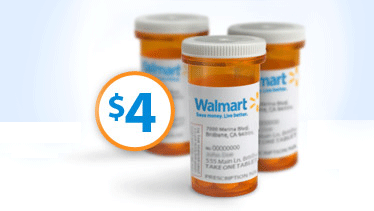
While reading the August 16/17 2008 issue of the Financial Times to keep up with the global political news in Russia and Georgia, and Olympic medal drama in Beijing, I ran across a story that hit much closer-to-home: “Bitter pills in fight for drugstore dominance.” The announcement by CVS Caremark that it would acquire the Longs Drugs store chain for over $2.5 billion is the latest salvo in the battle for the neighborhood pharmacy. This is CVS’s major incursion into California and other western states, where Walgreens enjoys a dominant market share. The most important point in the FT article
 Thank you Aaron Strout for hosting our conversation on the Reaching Higher Podcast, now live on Apple, Spotify, and YouTube. We covered a lot of ground addressing health care and health citizenship, the growing prospects for our homes as our health hubs, and how our humanity is a key ingredient in health-making for all.
 Jane joined host Dr. Geeta "Dr. G" Nayyar and colleagues to brainstorm the value of vaccines for public and individual health in this challenging environment for health literacy, health politics, and health citizen grievance. Click onto the Pfizer Value of Vaccines site and you can watch four episodes covering the challenges with adult vaccination, the employer and health plan member's journey to vaccination, reimbursement, and collaborating for proactive prevention.
 I'm grateful to be part of the Duke Corporate Education faculty, sharing perspectives on the future of health care with health and life science companies. Once again, I'll be brainstorming the future of health care with a cohort of executives working in a global pharmaceutical company.