


Costs of Care and the ACA Top Voters’ Healthcare Issues
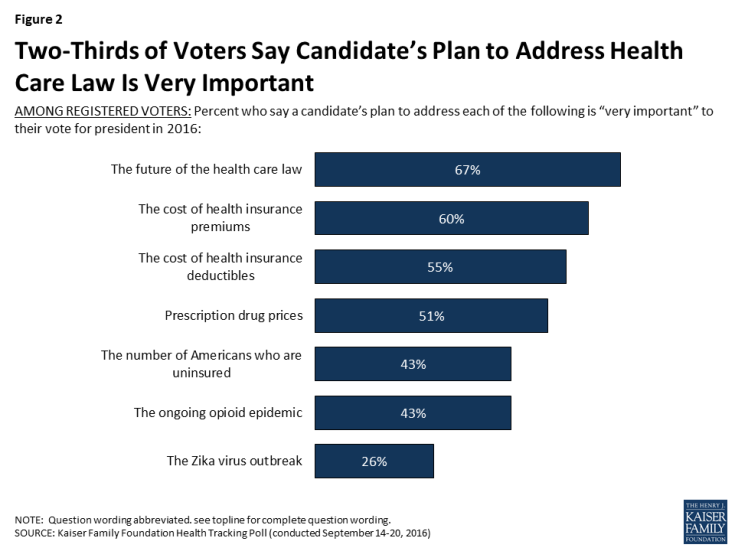
Two in three US voters put the future of the Affordable Care Act as the #1 healthcare issue in the 2016 President election. The ACA is closely followed by healthcare costs — for insurance premiums, deductibles, and prescription drugs, according to the September 2016 Kaiser Health Tracking Poll. The opioid addiction and mortality epidemic is a top healthcare issue for 43% of US voters, and the Zika virus, among 26% of voters. Note that more supporters of Hillary Clinton are healthcare-oriented voters than people who favor Donald Trump. Uninsurance and costs, in addition to the future of the ACA, rank
Let’s Go Healthcare Shopping!
Healthcare is going direct-to-consumer for a lot more than over-the-counter medicines and retail clinic visits to deal with little Johnny’s sore throat on a Sunday afternoon. Entrepreneurs recognize the growing opportunity to support patients, now consumers, in going shopping for health care products and services. Those health consumers are in search of specific offerings, in accessible locations and channels, and — perhaps top-of-mind — at value-based prices as defined by the consumer herself. (Remember: value-based healthcare means valuing what matters to patients, as a recent JAMA article attested). At this week’s tenth annual Health 2.0 Conference, I’m in the zeitgeist
The Reshaping Medical Tourism Market: More US Patients Seek Lower-Priced Care Overseas
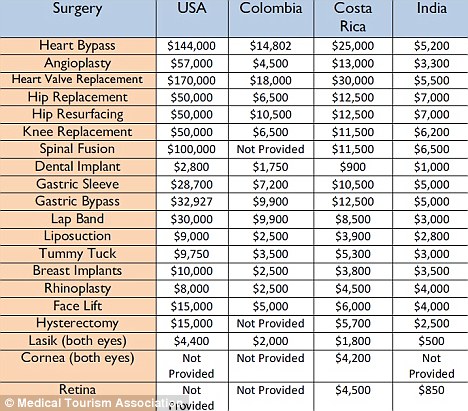
More U.S. patients are faced with spending more out-of-pocket for health care services, to meet high-deductible health plans and rationally spend their health savings account investments. As rational economic men and women, some are seeking care outside of the United States where many find transparently priced, high-value, lower-cost healthcare. Check out the table from the Medical Tourism Association, and you can empathize with cash-paying patients looking for, say, gastric bypass surgery or a heart valve replacement. My latest column in the Huffington Post discussed this trend, which points first to the Cleveland Clinic — a top-tier American healthcare brand that’s
Most Digital Health Consumers Say They Benefit from Connected Health
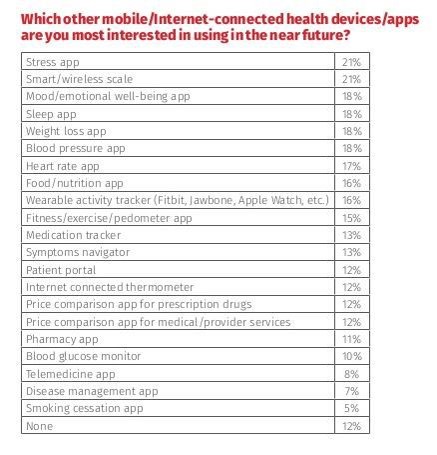
Managing stress, weight, mental health, sleep, and heart function are among the top-most desired reasons already-connected health consumers are interested in further connecting their health, according to The 2016 HealthMine Digital Health Report. The most popular tools people use to digitally manage their health deal with fitness and exercise (among 50% of connected health consumers), food and nutrition (for 46%), and weight loss (for 39%). 3 in 4 people who use digital health tools say they have improved their health by connecting to these tools. 57% of digital health users also say going health-digital has lowered their healthcare costs. The survey
Older Couples Have Lower Out-of-Pocket Healthcare Costs Than Older Singles
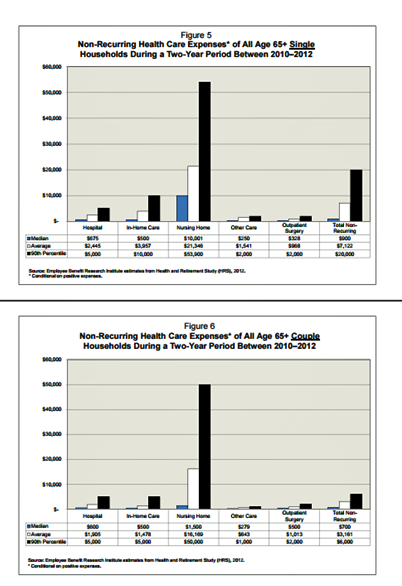
It takes a couple to bend the health care cost curve when you’re senior in America, according to the EBRI‘s latest study into Differences in Out-of-Pocket Health Care Expenses of Older Single and Couple Households. In previous research, The Employee Benefit Research Institute (EBRI) has calculated that health care expenses are the second-largest share of household expenses after home-related costs for older Americans. Health care costs consume about one-third of spending for people 60 years and older according to Credit Suisse. But for singles, health care costs are significantly larger than for couples, EBRI’s analysis found. The average per-person out-of-pocket spending for
Employer Health Insurance Costs $18,142 in 2016, in KFF Study
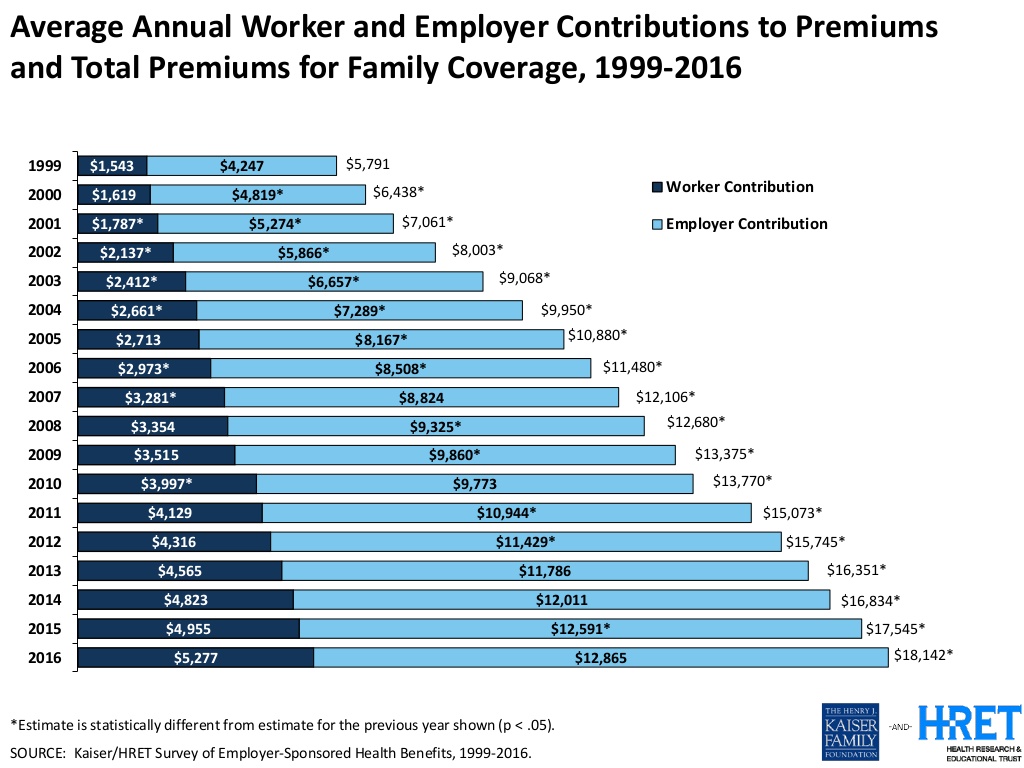
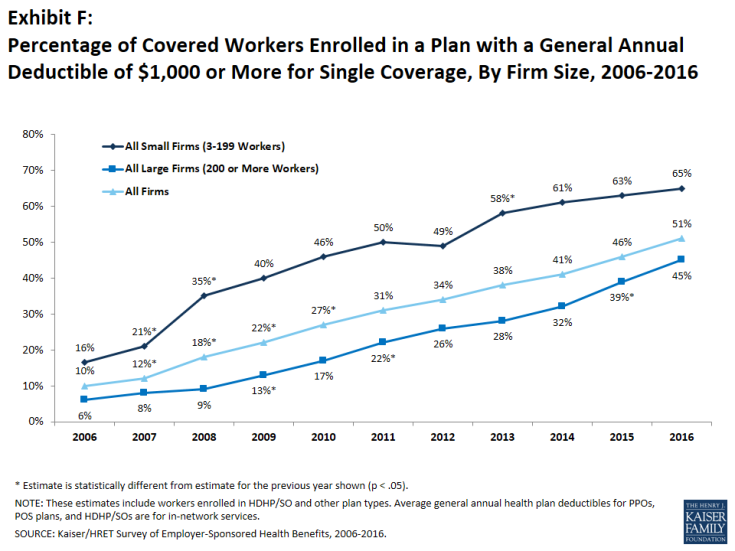
Consumers face increasing health insurance deductibles in 2016, faster-growing than earnings and well above general price inflation, featured in the Kaiser/HRET Survey of Employer-Sponsored Health Benefits, 2016. This report, updated annually, is the go-to source on the availability of, cost for, and trends in U.S. employer-based health plans. The average annual health insurance premium in 2016 reached $18,142, the survey found, about $600 more than in 2015. Over the past ten years since 2006, workers’ contributions to health insurance premiums increased 78%; employers’ contributions grew 58% over the decade. To help stem costs, employers are adopting new services to
The State of Mobile Apps in 2016 and Healthcare Implications
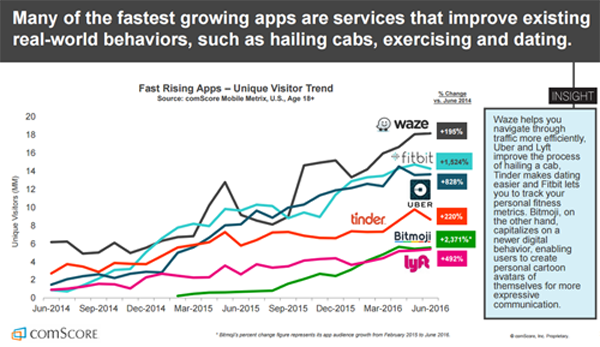
Some of the fastest-growing mobile phone apps help people manage life-tasks every day, like getting real-time directions when driving, finding dates, getting rides, and tracking health, according to The 2016 U.S. Mobile App Report from comScore. The chart from the comScore Mobile Metrix survey illustrates some popular apps well-used by people on smartphones, with one of the fastest growth rates found for the Fitbit app — 1,524% growth over two years, from June 2014 to June 2016. In comparison, the Uber app visits increased 828% in the period, half as fast, and the Tinder app, 220%. Some key topline results of
More Americans See Hillary Clinton As the 2016 Presidential Health Care Candidate
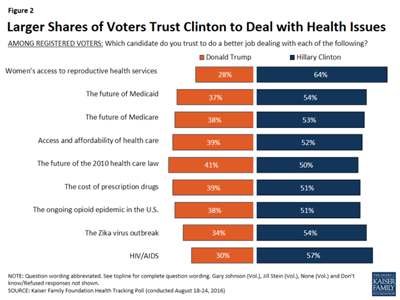
When it comes to health care, more American voters trust Hillary Clinton to deal with health issues than Donald Trump, according to the Kaiser Health Tracking Poll: August 2016 from the Kaiser Family Foundation (KFF). The poll covered the Presidential election, the Zika virus, and consumers’ views on the value of and access to personal health information via electronic health records. Today’s Health Populi post will cover the political dimensions of the August 2016 KFF poll; in tomorrow’s post, I will address the health information issues. First, let’s address the political lens of the poll. More voters trust Hillary Clinton to do
What EpiPen Pricing and Parents Teach Us About Social Media In Health
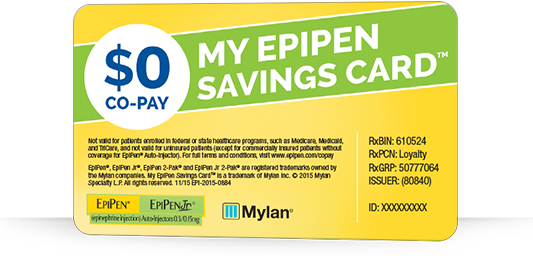
Mylan, the marketer of the EpiPen, dropped the price by 50% this week. This response was due in large part to pressure that outraged parents’ call-outs on social media put on the company. Tara Parker-Pope in the NY Times Well blog pointed this out in her column, How Parents Harnessed the Power of Social Media to Challenge EpiPen Prices. Online petitions, patient and parent social networks, and patient activists’ ability to leverage social media are the new tools of health and patient engagement. EpiPen is a must-have medicine for people who deal with serious allergy and asthma conditions, many of
Aging America Is Driving Growth in Federal Healthcare Spending
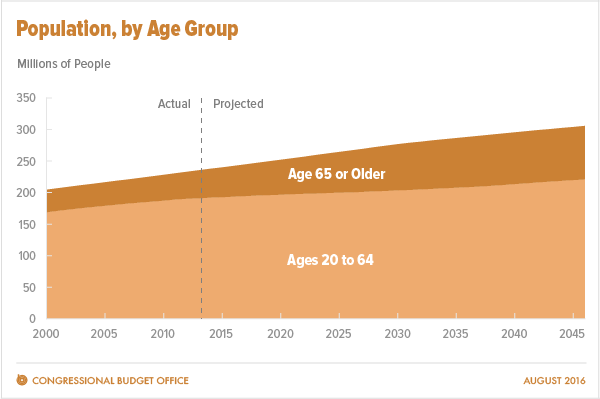
Federal healthcare program costs are the largest component of mandatory spending in the U.S. budget, according to An Update to the Budget and Economic Outlook: 2016 to 2026 from the U.S. Congressional Budget Office (CBO). Federal spending for healthcare will increase $77 billion in 2016, about 8% over 2015, for a total of $1.1 trillion. The CBO believes that number overstates the growth in Medicare and Medicaid because of a one-time payment shift of $22 bn to Medicare (from 2017 back into 2016); adjusting for this, CBO sees Federal healthcare spending growing 6% (about $55 bn) this year. The driver
Health Care Costs in Retirement Will Run $260K If You’re Retiring This Year
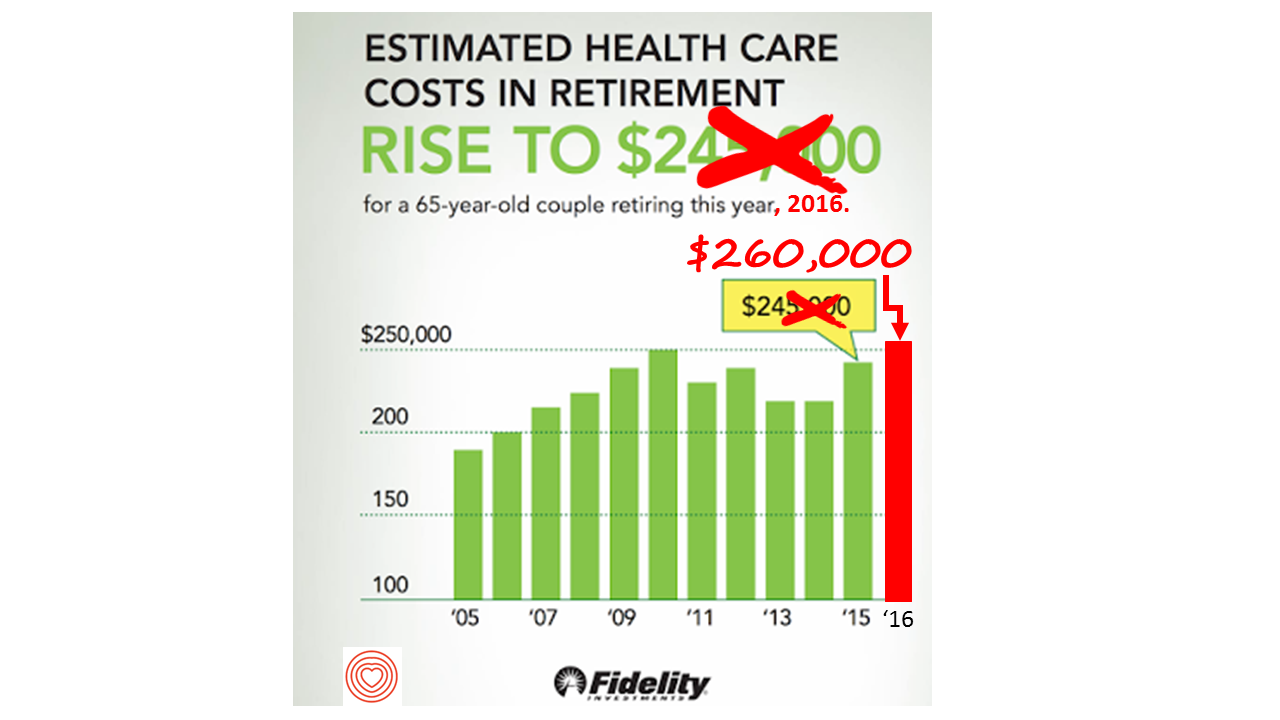
If you’re retiring in 2016, you’ll need $260,000 to cover your health care costs during your retirement years. In 2015, that number was $245,000, so retiree health care costs increased 6% in one year according to Fidelity’s Retirement Health Care Cost Estimator. The 6% annual cost increase is exactly what the National Business Group on Health found in their recently published 2017 Health Plan Design Survey polling large employers covering health care, discussed here in Health Populi. The 6% health care cost increases are driven primary by people using more health services and the higher costs for many medicines — specifically, specialty
Employers Changing Health Care Delivery – Health Reform At Work
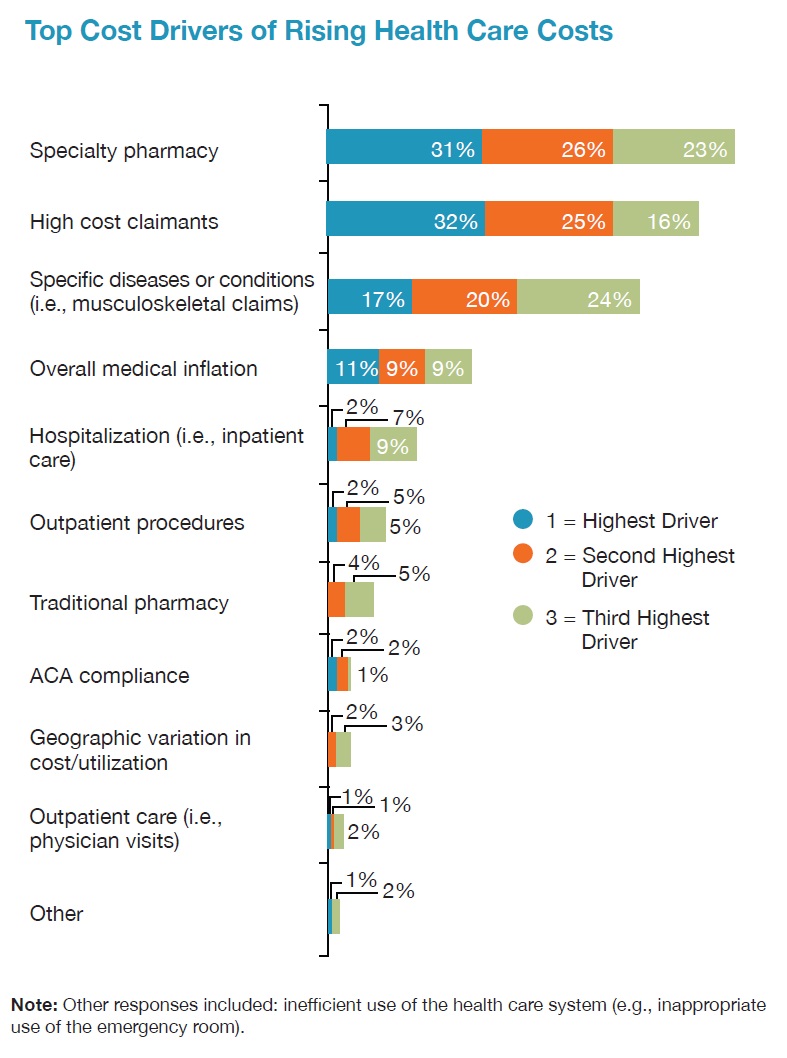
Large employers are taking more control over health care costs and quality by pressuring changes to how care is actually delivered, based on the results from the 2017 Health Plan Design Survey sponsored by the National Business Group on Health (NBGH). Health care cost increases will average 5% in 2017 based on planned design changes, according to the top-line of the study. The major cost drivers, illustrated in the wordle, will be specialty pharmacy (discussed in yesterday’s Health Populi), high cost patient claims, specific conditions (such as musculoskeletal/back pain), medical inflation, and inpatient care. To temper these medical trend increases,
PhRMA vs. Employers: Healthcare Costs In the Eye of the Beholder
In the past week, the Pharmaceutical Research and Manufacturers of America (PhRMA), the advocacy organization for the branded prescription drug industry, published Medicines: Costs in Context,” the group’s lens on the value of prescription drugs in the larger healthcare economy. Their view: that prescription drug costs comprise a relatively low share of health care spending in America, and a high-value one at that. PhRMA contends that 10% of the health care dollar was allocated to prescription drugs in 2015, the same proportion as in 1960. “Even with new treatments for hepatitis C, high cholesterol and cancer, spending on retail prescription
Most US Doctors Say They Ration Patients’ Healthcare
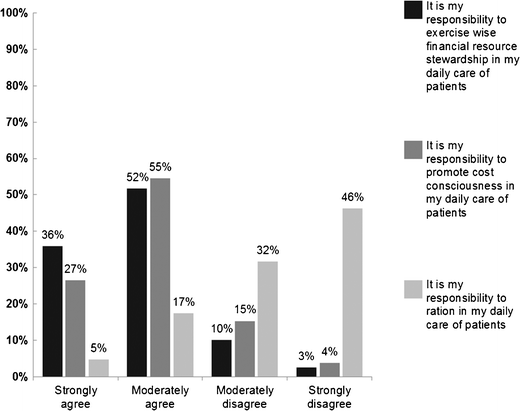
Rationing has long been seen as a common practice in national, single-payer health systems like the UK’s National Health Service and Canada’s national health insurance program (known as “Medicare”). However, over half of U.S. physicians say they ration care to patients. In a peer-reviewed column in the Journal of General Internal Medicine published in July 2016, Dr. Robert Sheeler and colleagues at the Mayo Clinic, University of Iowa, and University of Michigan, found that 53% of physicians surveyed personally “refrained” in the past six months from using specific clinical services that would have provided the “best patient care” due to cost.
The Future of Retail Health in 2027

As consumers gain more financial skin in the game of paying for health care, we look for more retail-like experiences that reflect the Burger King approach to consuming: having it our way. For health are, that means access, convenience, transparency and fair costs, respect for our time, and a clear value proposition for services rendered. That doesn’t happen so much in the legacy health care system — in hospitals and doctors’ offices. It has already begun to happen in retail health settings and, especially, in the changing nature of pharmacies. Retail Health 2027, a special supplement to Drug Store News
US Health Care Prices Would Be Sticker-Shocking For Europeans
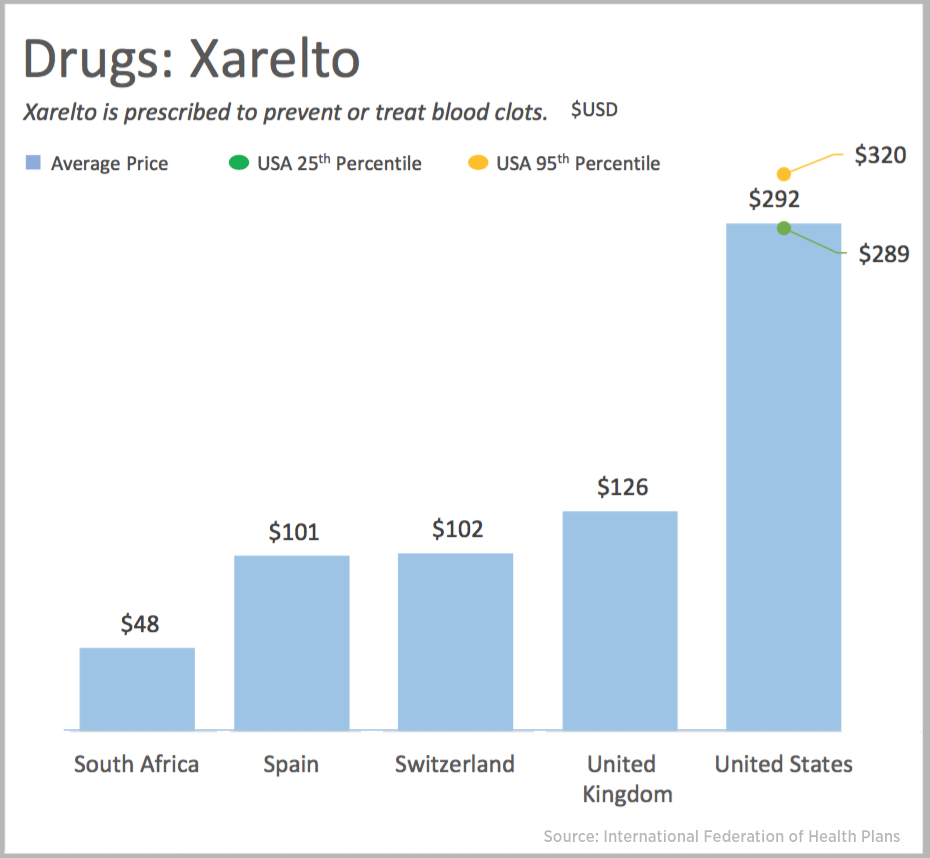
The average hospital cost per day in the U.S. is $5,220. In Switzerland it’s $4,781, and in Spain that inpatient day looks like a bargain at $424. An MRI in the U.S. runs, on average, $1,119. In the UK, that MRI is $788, and in Australia, $215, illustrated in the first chart. Drug prices are strikingly greater in the U.S. versus other developed nations, as shown in the first chart for Xarelto. If you live in the U.S. and have a television tuned in during the six o’clock news, chances are you’ve seen an ad for this drug featuring Arnold
The Average Monthly Health Plan Premium in the U.S. Hit $885 in 2016
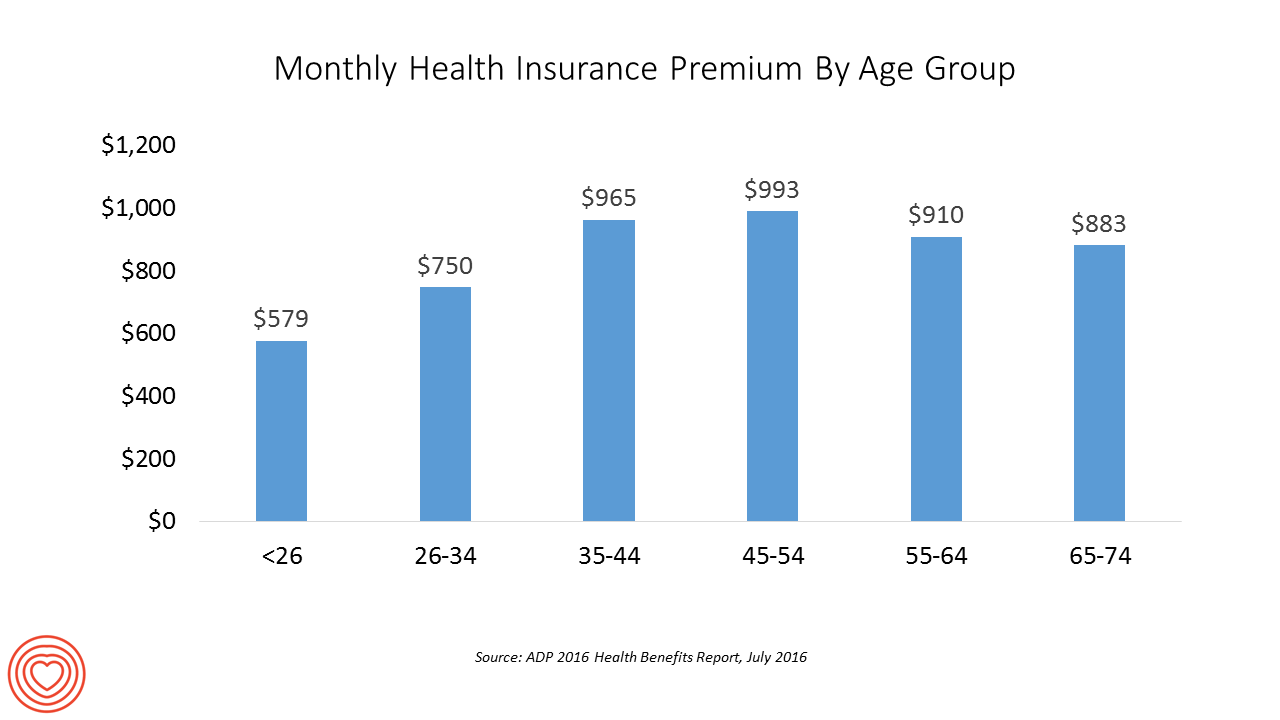
Three years after the launch of the Affordable Care Act (ACA), the big picture of employer-sponsored health benefits in the U.S. show stability, with modest changes in costs being kept in check by a growing younger workforce, according to the 2016 ADP Annual Health Benefits Report. Roughly 9 in 10 employees in large companies are eligible to participate in health insurance plans at the workplace, with two-thirds of people participating, shown in the chart. Younger people, under 26 years of age, have much lower participation rates than those over 26, with many staying on their parents’ plans (taking advantage of
Broadband – A Social Determinant of Health
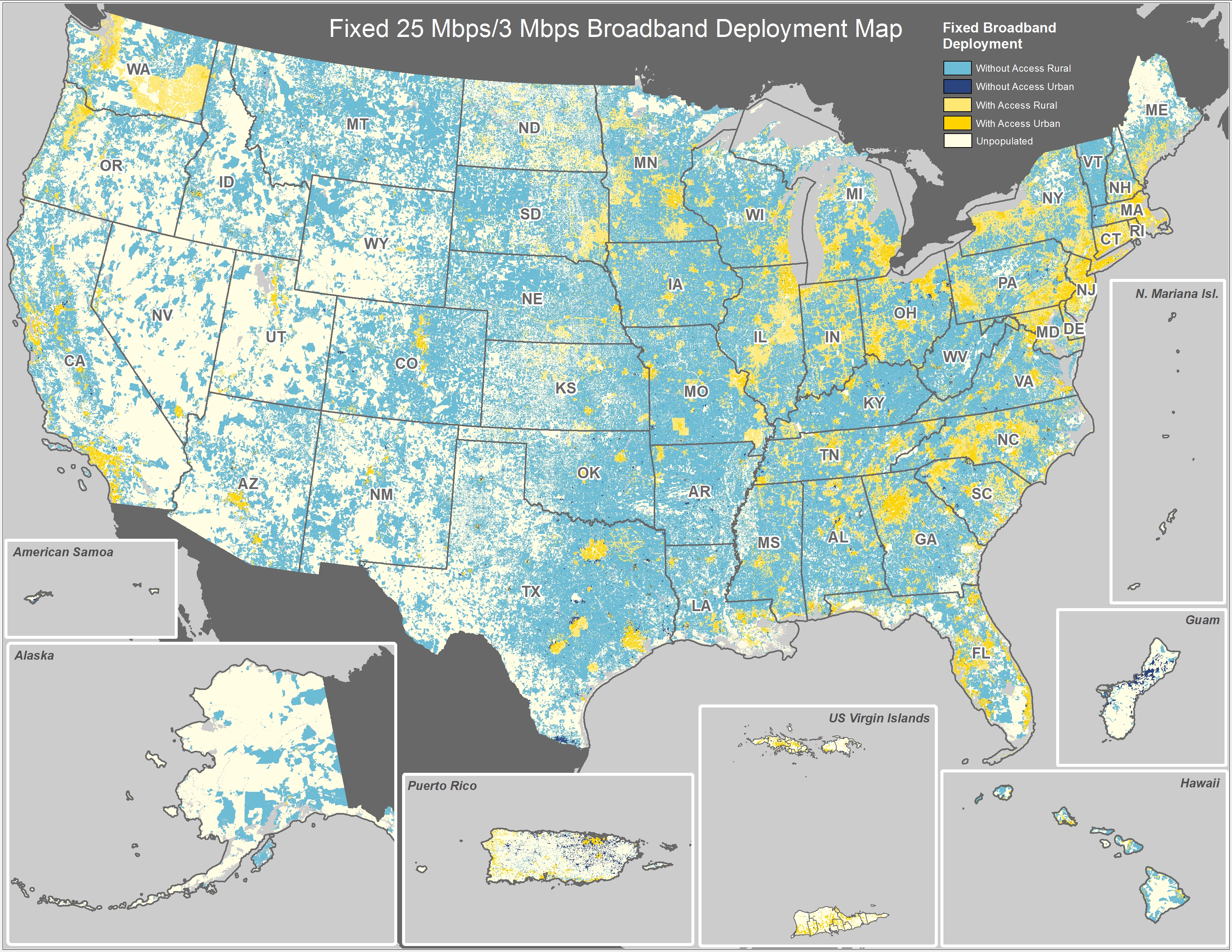
The promise of digital, connected health to engage all health citizens cannot be fully realized until people have access to the new social determinant of health: broadband connectivity. The World Health Organization considers social determinants of health inputs like education, safe drinking water, nutritious food, safe neighborhoods for walking, employment and transportation access. Together, these factors bolster personal/individual and public health. See the map of the U.S., and note whee the concentrations of aqua blue are. These are areas that lack broadband access. Telehealth and other digital health tools can get health care to under-served people in under-served geographic areas….where broadband
Retail Clinics Continue to Shape Local Healthcare Markets
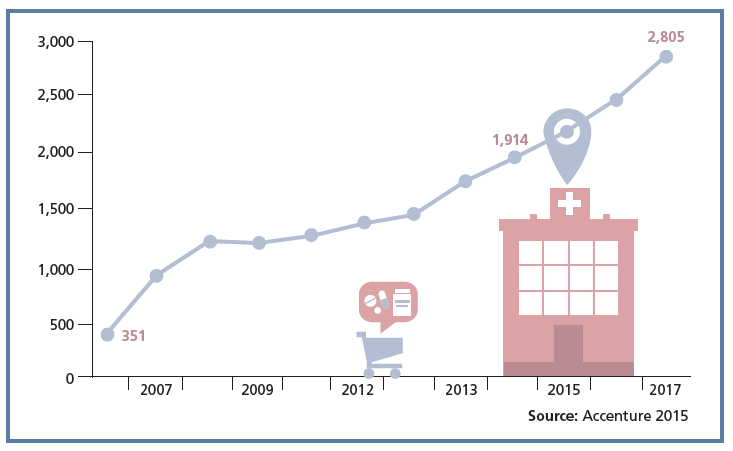
Retail clinics are a growing source of primary care for more U.S. health consumers, discussed in a review of retail clinics published by Drug Store News in July 2016. There will be more than 2,800 retail clinics by 2018, according to Accenture’s tea leaves. Two key drivers will bolster retail clinics’ relevance and quality in local health delivery systems: Retail clinics’ ability to forge relationships with legacy health care providers (physicians, hospitals); and, Clinics’ adoption and effective use of information technology that enables data sharing (e.g., to the healthcare provider’s electronic health records system) and data liquidity (that is, securely moving
Health in America: Improving, But Disparities Need Policy Prescriptions
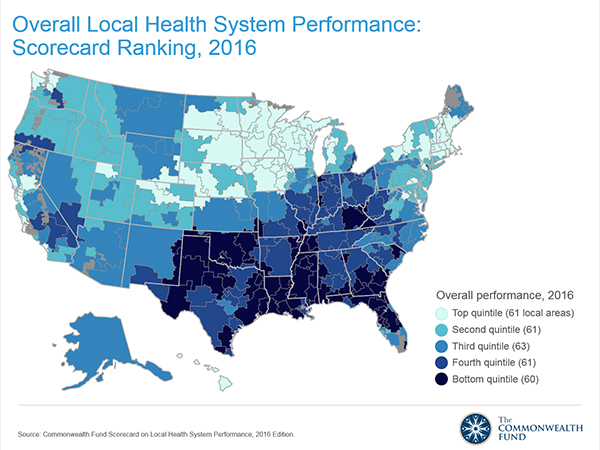
The bad news: mortality rates haven’t improved much and obesity rates rose in one-third of communities. The good news: public health gains can be made in resource-poor communities with the right health policies, based on research from The Commonwealth Fund, Rising to the Challenge, the Fund’s Scorecard on local health system performance for 2016. The top-line of this benchmark report is that health care in the U.S. has, overall, improved more than it’s declined. Among the big levers driving health care improvement in the past year have been the further expansion of health citizens covered with insurance through the Affordable
U.S. Health Spending Will Comprise 20% of GDP in 2025
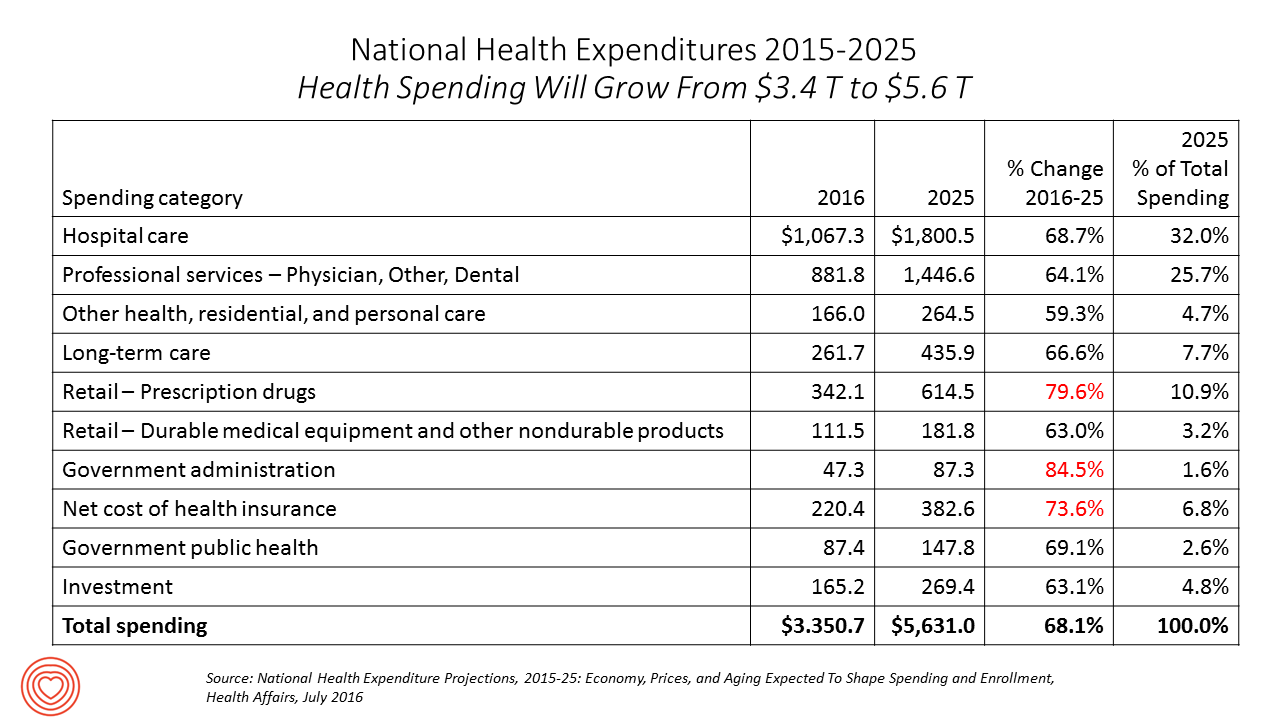
Spending on health care in America will comprise $1 in every $5 of gross domestic product in 2025, according to National Health Expenditure Projections, 2015-25: Economy, Prices, And Aging Expected to Shape Spending and Enrollment, featured in the Health Affairs July 2016 issue. Details on national health spending are shown by line item in the table, excerpted from the article. Health spending will grow by 5.8% per year, on average, between 2015 and 2025, based on the calculations by the actuarial team from the Centers for Medicare and Medicaid Services (CMS), authors of the study. The team noted that the Affordable Care
In Healthcare, Pharmacists and Doctors Most Trusted. Insurance Execs and Congress? Not.
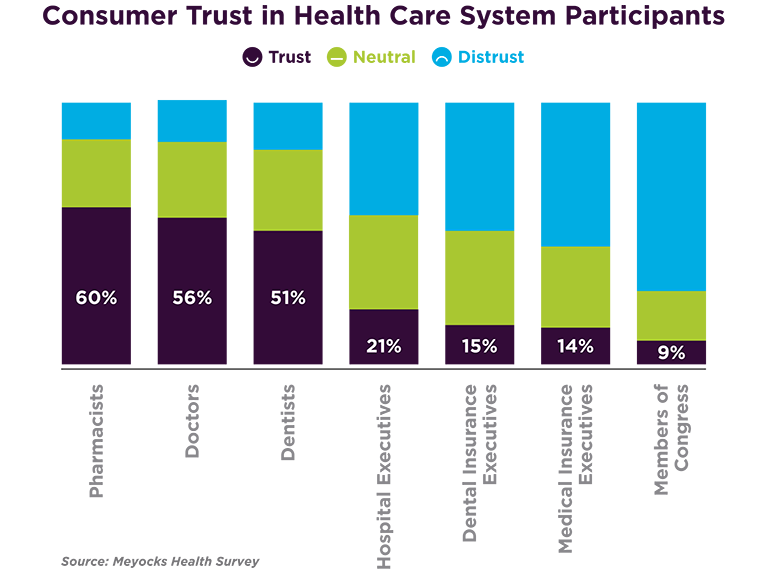
When consumers consider the many stakeholder organizations in healthcare, a majority trust pharmacists first, then doctors and dentists. Hospital and health insurance execs, and members of Congress? Hardly, according to a survey from Meyocks, a marketing consultancy. Meyocks conducted the survey via email among 1,170 US adults, 18 years of age and older. This survey correspondends well with the most recent Gallup Poll on most ethical professions, conducted in December 2015. In that study, pharmacists, nurses and doctors come out on top, with advertisers (“Mad Men”), car salespeople, and members of Congress at the bottom, as shown in the second
Health Care Reform: President Obama Pens Progress in JAMA
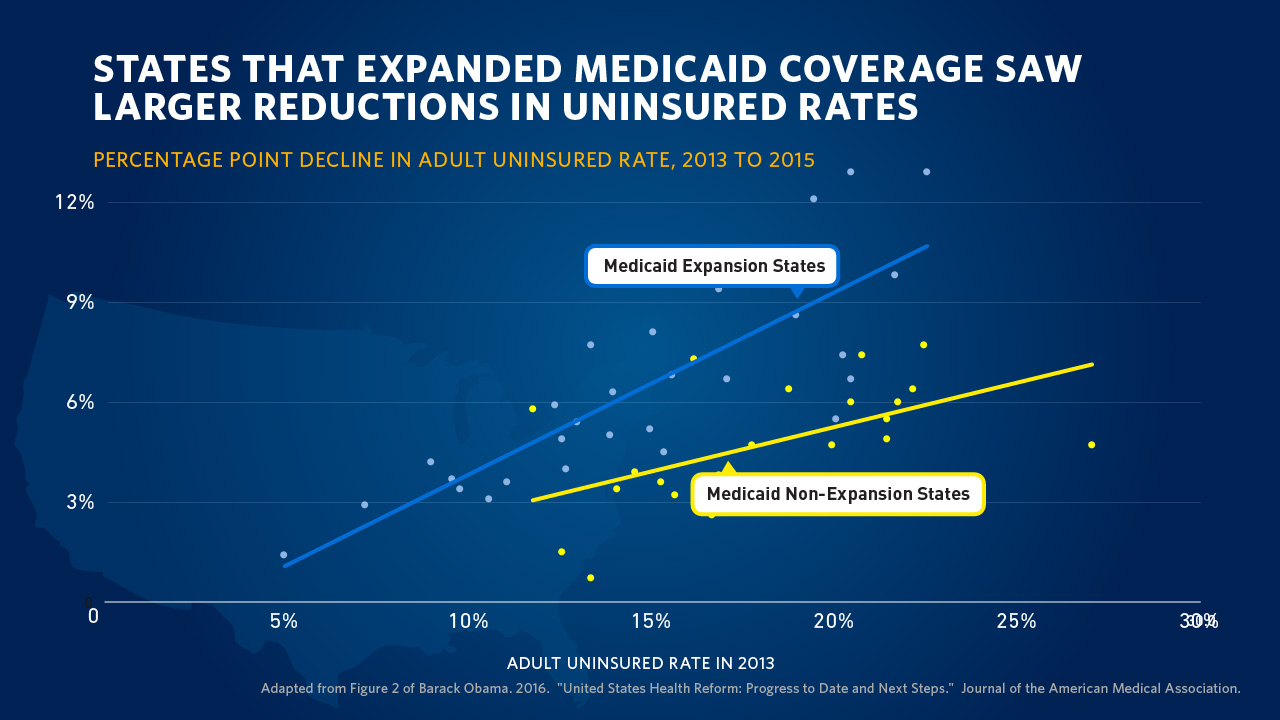
“Take Governor John Kasich’s explanation for expanding Medicaid: ‘For those that live in the shadows of life, those who are the least among us, I will not accept the fact that the most vulnerable in our state should be ignored. We can help them.’” So quotes President Barack Obama in the Journal of the American Medical Association, JAMA, in today’s online issue. #POTUS penned, United States Health Care Reform: Progress to Date and Next Steps. The author is named as “Barack Obama, JD,” a nod to the President’s legal credentials. Governor Kasich, a Republican, was one of 31 Governors who
More Patients Morph Into Financially Burdened Health Consumers
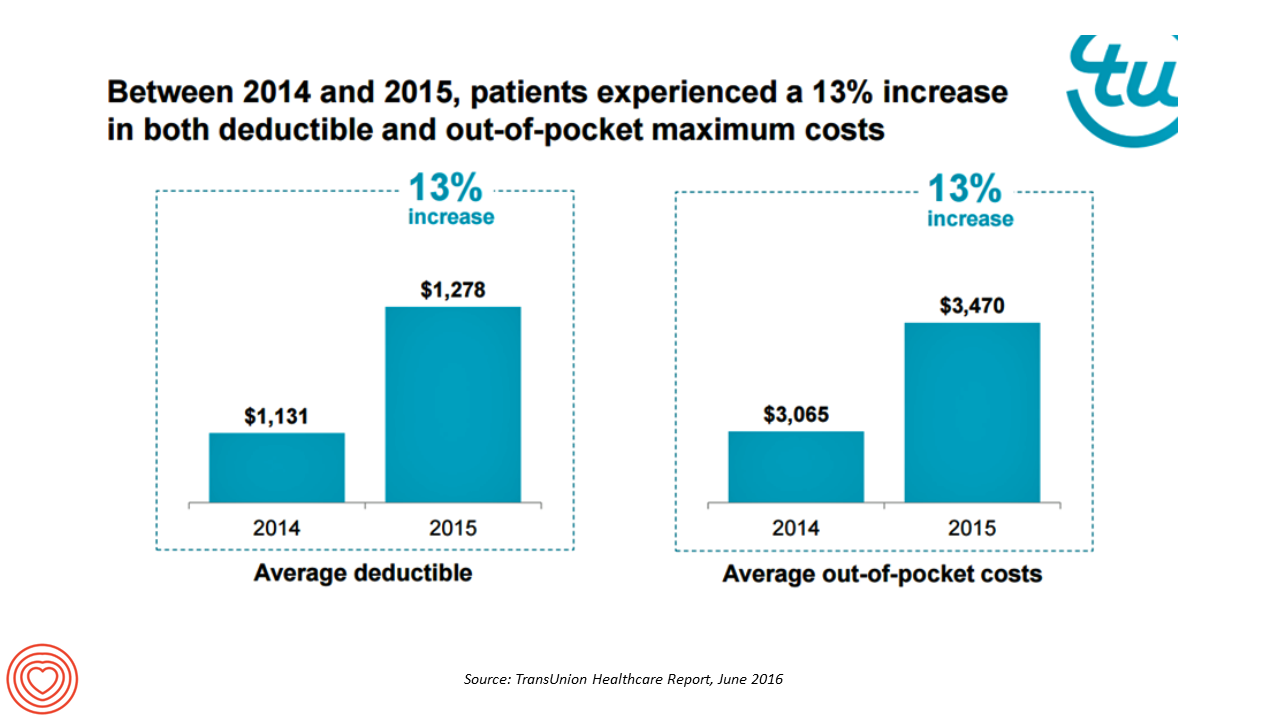
Health care payment responsibility continues to shift from employers to employee-patients, More of those patients are morphing into financially burdened health consumers, according to TransUnion, the credit agency and financial risk information company, in the TransUnion Healthcare Report published in June 2016. Patients saw a 13% increase in their health insurance deductible and out-of-pocket (OOP) maximum costs between 2014 and 2015. At the same time, the average base salary in the U.S. grew 3% in 2015, SHRM estimated. Thus, deductibles and OOP costs grew for consumers more than 4 times faster than the average base salary from 2014 to 2015. In
Healthcare Consumerism? Not So Fast, Alegeus Finds
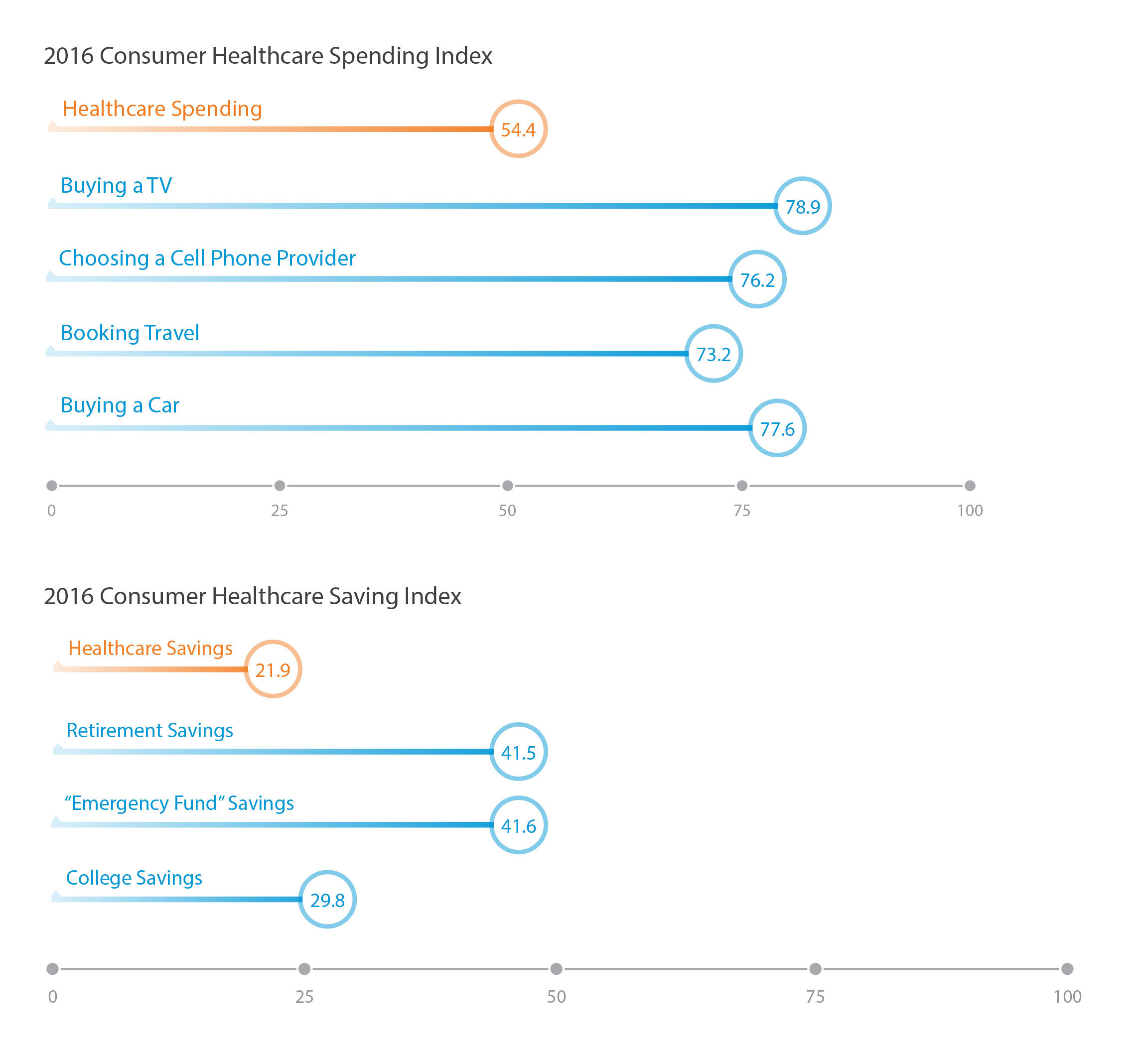
Millions of U.S. patients have more financial skin in the American health care game. But are they behaving like the “consumers” they are assumed to be as members in consumer-directed health plans? Not so much, yet, explained John Park, Chief Strategy Officer at Alegeus, during a discussion of his company’s 2016 Healthcare Consumerism Index. This research is based on an online survey of over 1,000 U.S. healthcare consumers in April 2016. Alegeus looks at healthcare consumerism across two main dimensions: healthcare spending and healthcare saving. As the chart summarizes, consumers show greater engagement and focus on buying a TV or car, choosing
The State of Health Benefits in 2016: Reallocating the Components
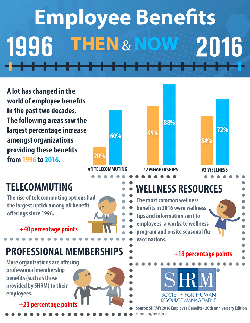
Virtually all employers who offer health coverage to workers extend health benefits to all full-time employees. 94% offer health care coverage to opposite-sex spouses, and 83% to same-sex spouses. One-half off health benefits to both opposite-sex and same-sex domestic partners (unmarried). Dental insurance, prescription drug coverage, vision insurance, mail order prescription programs, and mental health coverage are also offered by a vast majority (85% and over) of employers. Welcome to the detailed profile of workplace benefits for the year, published in 2016 Employee Benefits, Looking Back at 20 Years of Employee Benefits Offerings in the U.S., from the Society for Human
PwC’s “Behind the Numbers” – Where the Patient Stands
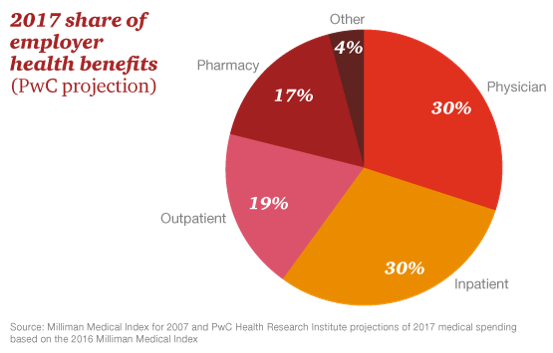
The growth of health care costs in the U.S. is expected to be a relatively moderate 6.5% in 2017, the same percentage increase as between 2015 and 2016, according to Medical Cost Trend: Behind the Numbers 2017, an annual forecast from PwC. As the line chart illustrates, the rate of increase of health care costs has been declining since 2007, when costs were in double-digit growth mode. Since 2014, health care cost growth has hovered around the mid-six percent’s, considered “low growth” in the PwC report. What’s driving overall cost increases is price, not use of services: in fact, health care
Will the Big Box Store Be Your Health Provider?
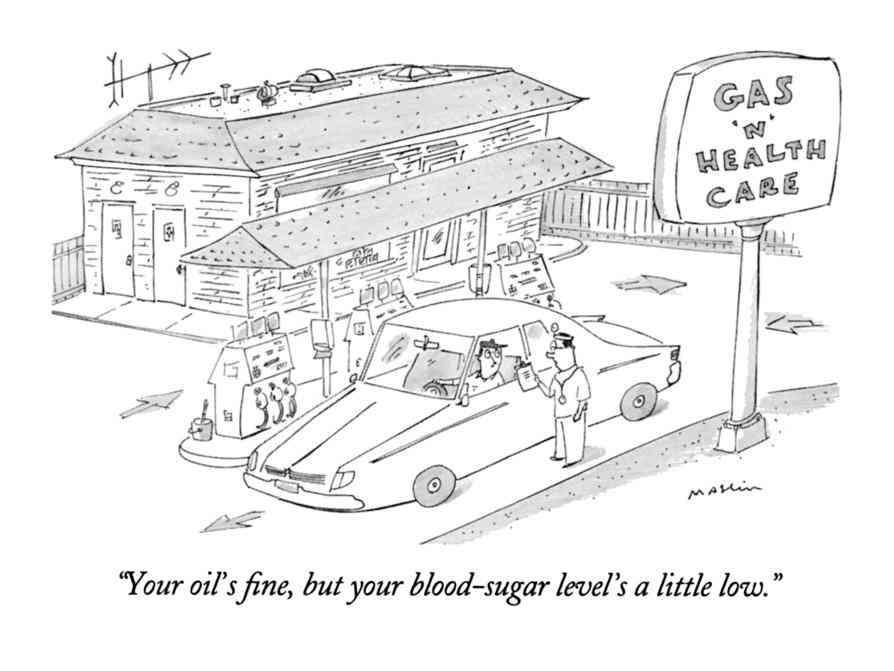
“Gas ‘N’ Health Care” is one of my most-used cartoons these days as I talk with health/care ecosystem stakeholders about the growing and central role of consumers in health care. You may be surprised to learn that the brilliant cartoonist Michael Maslin created this image back in 1994. That’s 22 years ago. When I first started using this image in my meetings with health care folks, they’d all giggle and think, ‘isn’t that funny?’ Legacy health care players — hospitals, doctors, Pharma, and medical device companies — aren’t laughing at this anymore. At a Costco a 20 minutes’ drive from
Are We Health Engaged Yet? Frost & Sullivan Responds “Meh”
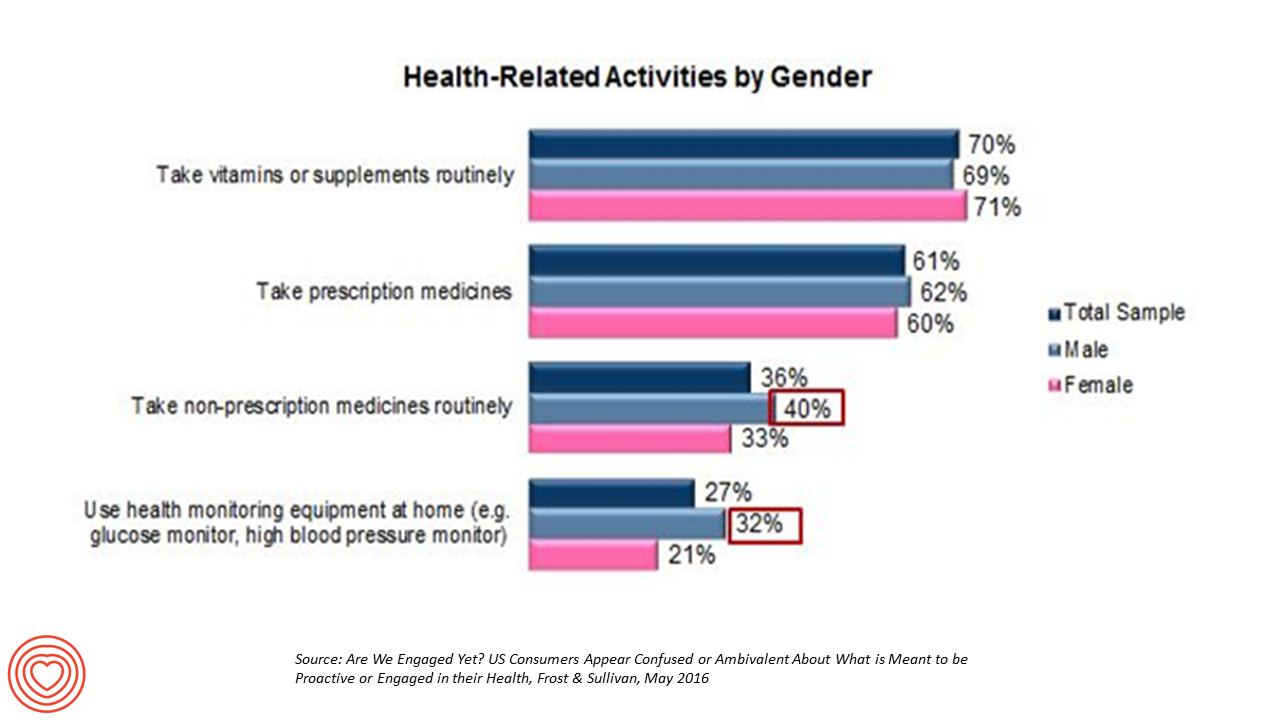
The top health-related activities among U.S. adults include routinely taking vitamins and supplements, and prescription medicines, according to Frost & Sullivan’s report, Are We Engaged Yet? Their response to the titular question lies in in the subtitle: “US consumers appear confused or ambivalent about what it means to be proactive or engaged in their health.” 1 in 2 U.S. adults says they’re “somewhat engaged” in their healthcare, according to Reenita Das’s write-up on the study in Forbes magazine. She notes that: Consumers with higher incomes have more confidence in their access to health care services and quality of care Budget-constrained consumer
Connecting Mental Health Spending to Job Creation in the U.S.
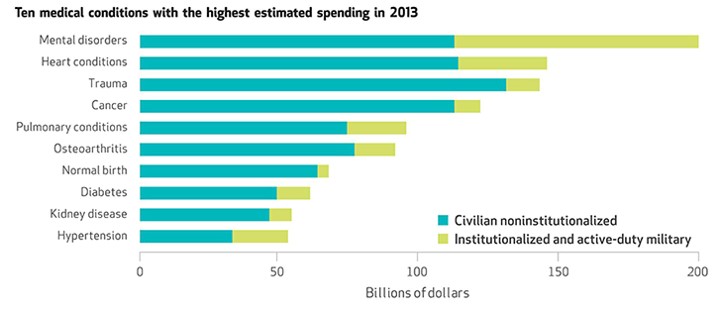
Heart disease and cancer may be the top killers of people who live in the U.S., but the top health spending line item was for mental disorders: $201 billion in 2013. The chart explains a critical aspect of the spending in that top green portion of the bar: the turquoise segment was for spending on “civilian noninstitutionalized” people, and the green was for “institutionalized and active-duty military.” Mental health issues account, by far, for the largest medical spending in a single condition as shown by the top green bar segment in the chart. These insights come from the Commerce Department’s Bureau
Healthcare Costs for a Family of Four Will Be $25,826 in 2016
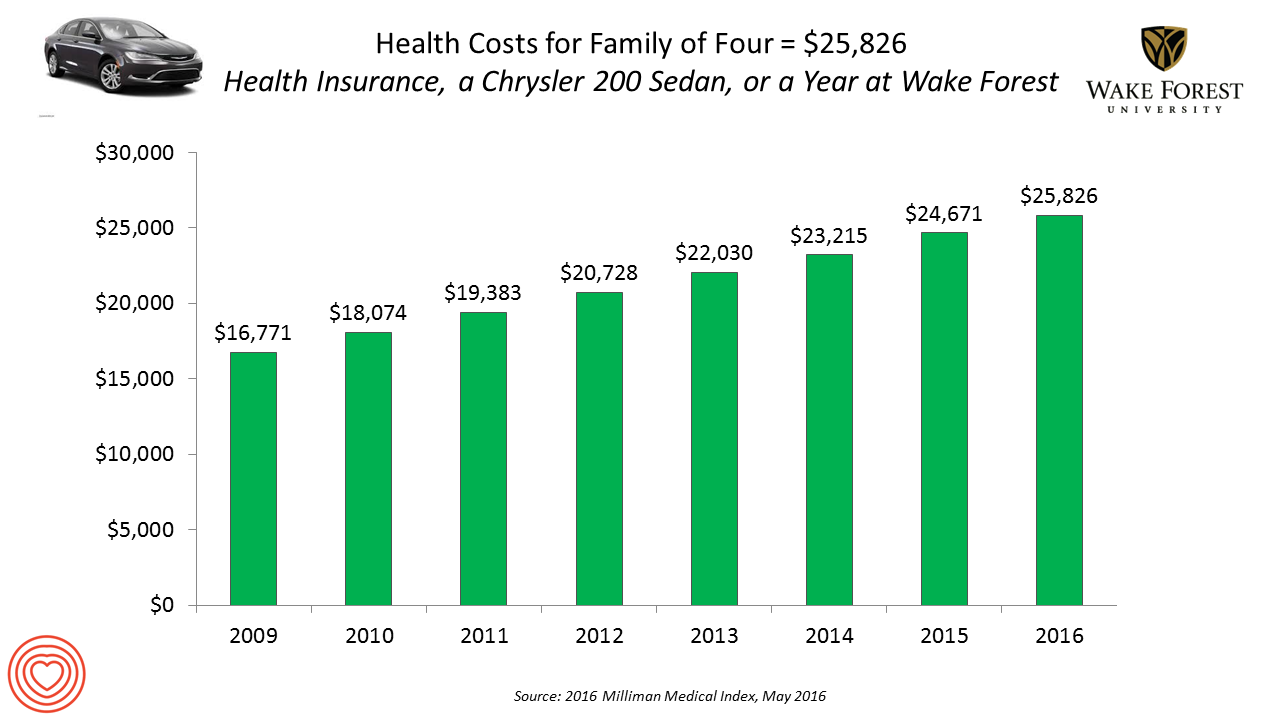
If you had exactly $25,826 in your pocket today, would you rather buy a new Chrysler 200 sedan, send a son or daughter to a year of college at Wake Forest University, or pay for your family’s health care in an employer-sponsored preferred provider organization? Welcome to the annual 2016 Milliman Medical Index (MMI), one of the most important health economic studies I’ve relied on for many years. This year’s underlying question is, “Who cooked up this expensive recipe?” posed in the report’s title. The key statistics in this year’s MMI are that: Healthcare costs for a typical family of four
What Health Care Can Learn from the Blood Clot Community

“Our goal is to create an aware and engaged, irritating set of patients who create a dialogue with health care providers once they’ve had a [blood] clot,” explained Randy Fenninger, CEO of the National Blood Clot Alliance (NBCA). NBCA’s tagline and hashtag is “Stop the Clot.” Welcome to the multi-stakeholder community involved with deep vein thrombosis (DVT) and, clinically speaking, Venous Thromboembolism (VTE). We’re talking blood clots, and the public health burden of this condition is big: it’s a leading cause of death and disability. One in 4 people in the world die of conditions caused by thrombosis. I had
Most Americans Favor A Federally-Funded Health System
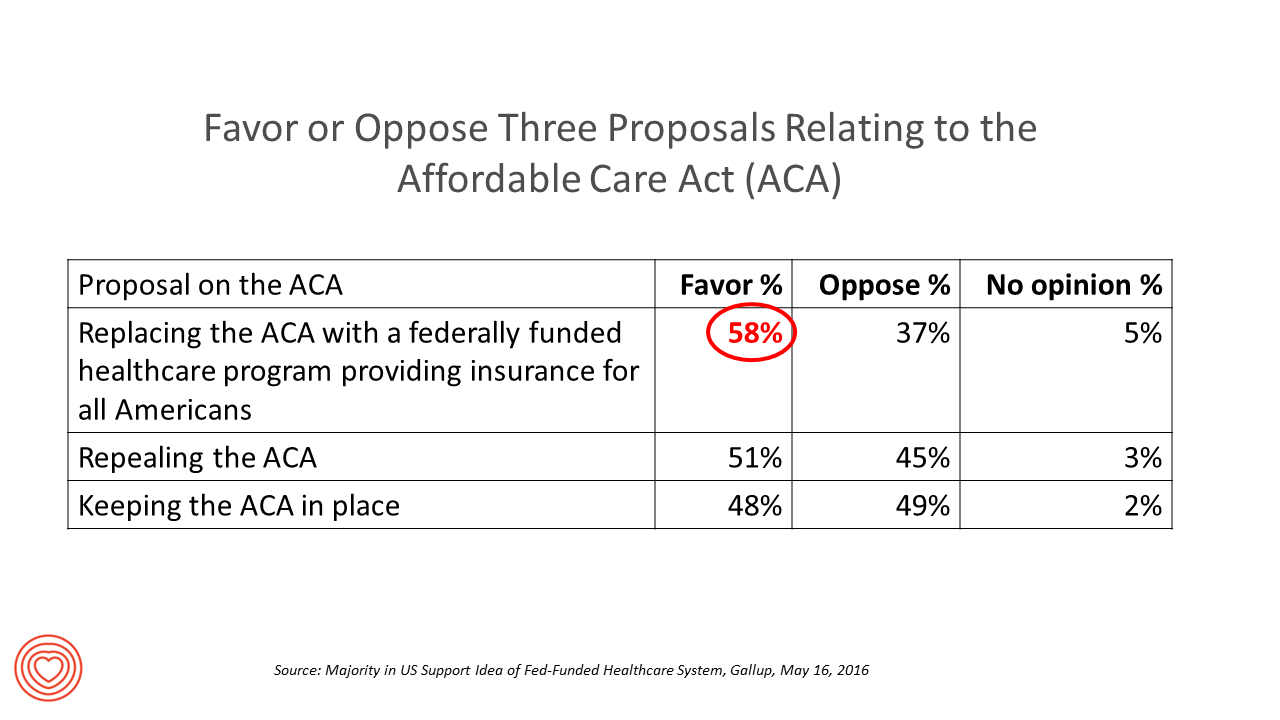
6 in 10 people in the US would like to replace the Affordable Care Act with a national health insurance program for all Americans, according to a Gallup Poll conducted on the phone in May 2016 among 1,549 U.S. adults. By political party, RE: Launch a Federal/national health insurance plan (“healthcare a la Bernie Sanders”): Among Democrats, 73% favor the Federal/national health insurance plan, and only 22% oppose it; 41% of Republicans favor it and 55% oppose it. RE: Repeal the ACA (“healthcare a la Donald Trump”): Among Democrats, 25% say scrap the ACA, and 80% of Republicans say to do
Costs and Connection At the Core of Consumers’ Health-Value Equations
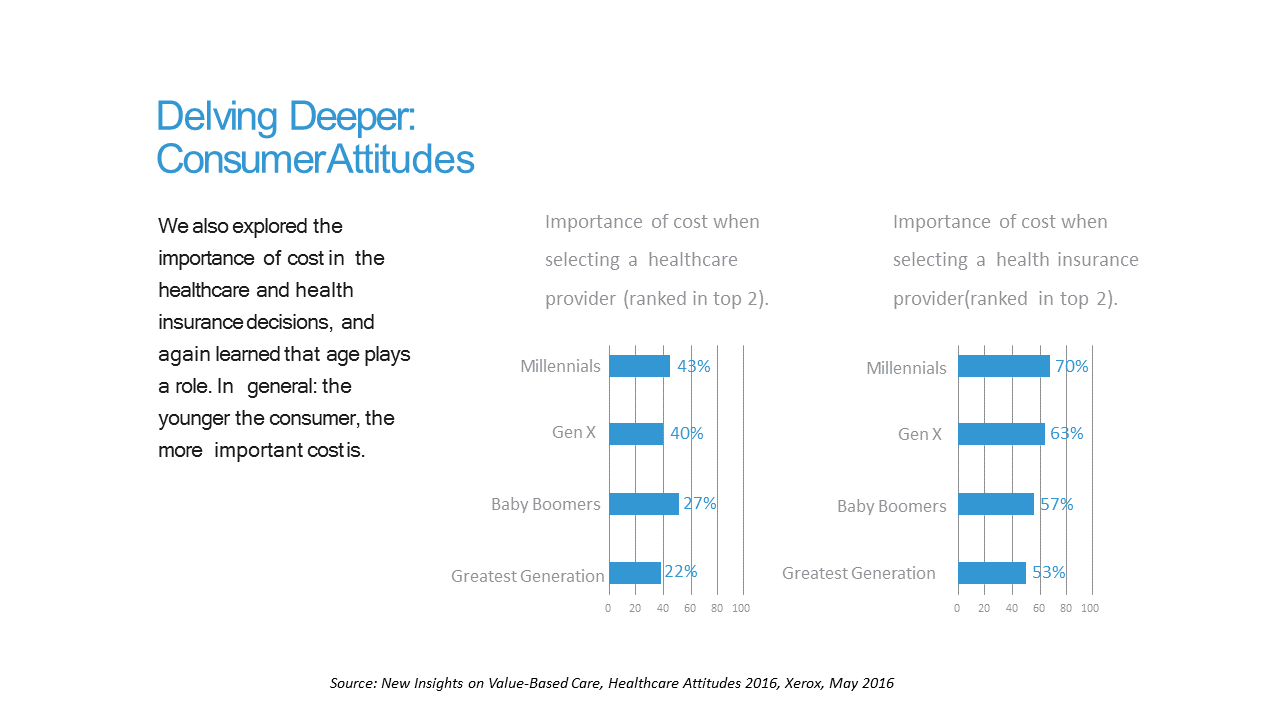
Cost ranks first among the factors of selecting health insurance for most Americans across the generations. As a result, most consumers are likely to shop around for both health providers and health plans, learned through a 2016 Xerox survey detailed in New Insights on Value-Based Care, Healthcare Attitudes 2016. The younger the consumer, the more important costs are, Xerox’s poll found, shown in the first chart. Thus, “shopping around” is more pronounced among younger health consumers — although a majority people who belong to Boomer and Greatest Generation cohorts do shop around for both health providers and health insurance plans —
One in Two People Use Wearable Tech in 2016
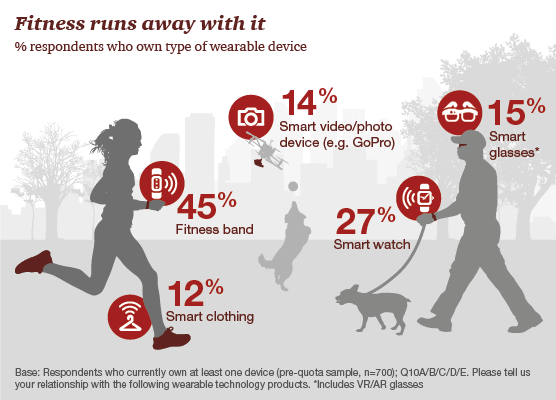
Nearly 1 in 2 people own at least one wearable device, up from 21% in 2014; one-third of people own more than one such device that tracks some aspect of everyday life, according to PwC’s latest research on the topic, The Wearable Life 2.0 – Connected living in a wearable world, from PwC. Wearable technology in this report is defined as accessories and clothing incorporating computer and advanced electronic technologies, such as fitness trackers, smart glasses (e.g., Google Glass), smartwatches, and smart clothing. Specifically, 45% of people own a fitness band, such as a Fitbit, the most popular device in this
GoHealthEvents, An Online Source For Consumer Retail Health Opportunities
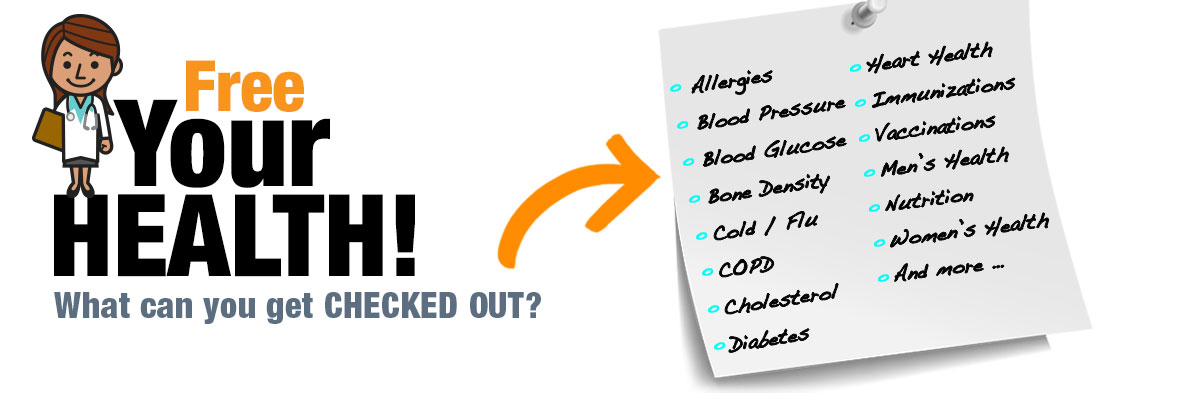
“Health comes to your local store,” explains the recently-launched portal, GoHealthEvents. This site is a one-stop shop for health consumers who are seeking health screenings and consults in local retail channels like big box stores, club stores, drug stores, and grocery stores. Events covered include cholesterol, diabetes, heart health, nutrition, osteoporosis, senior health, vaccinations and immunizations. By simply submitting a zip code, a health consumer seeking these kinds of services can identify where and when a local retailer will provide it. I searched on my own zip code in suburban Philadelphia, and found the following opportunities taking place in the
Finding Affordable Care In a Deductible World: The Growing Role of Alternative Therapies
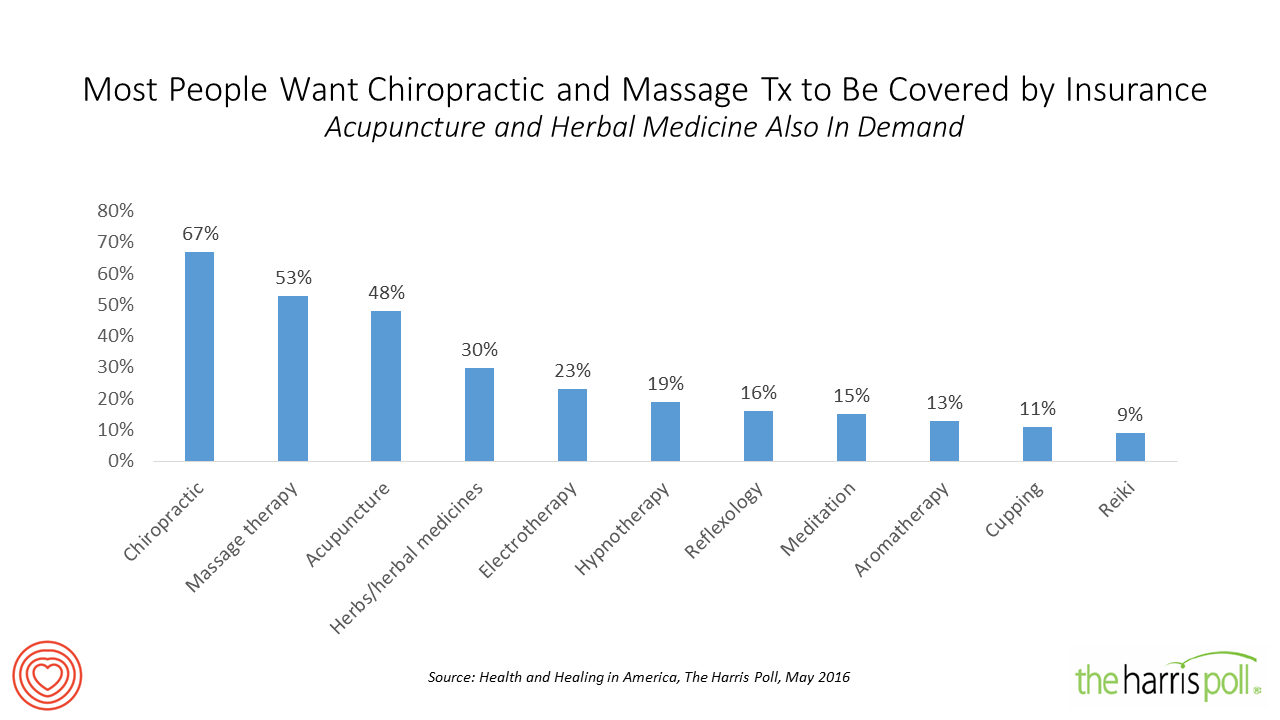
Faced with the increasing financial responsibility for healthcare payments, and a desire to manage pain and disease via “natural” approaches, more U.S. consumers are seeking and paying for non-conventional or naturopathic therapies — complementary and alternative medicine (CAM). Health and Healing in America, The Harris Poll conducted among U.S. adults, learned that two in three Americans see alternative therapies as safe and effective. 1 in 2 people see alternative therapies as reliable. And most people believe that some of these treatments, like chiropractic and massage therapy, should be reimbursed by health insurance companies. Seven in 10 Americans have used alternative
Big and Bigger Pharma – Politics, Pricing and Patients
Pressures on the pharmaceutical industry are coming from every stakeholder touchpoint, driving companies to merge, set prices high for short-term gains, and (finally) put more resources toward providing patients services. Let’s call out just a few of the events from the past couple of weeks which, together, paint the current rocky landscape for pharma and life science companies: Last week on April 28th, termed “healthcare’s $45 billion day,” three big M&A deals hit the financial markets: Abbott sought to acquire St. Jude Medical (worth $30 bn alone), AbbVie looked to buy Stemcentrx for just under $6 bn, and Sanofi tagged
For Healthcare Costs, Geography is Destiny
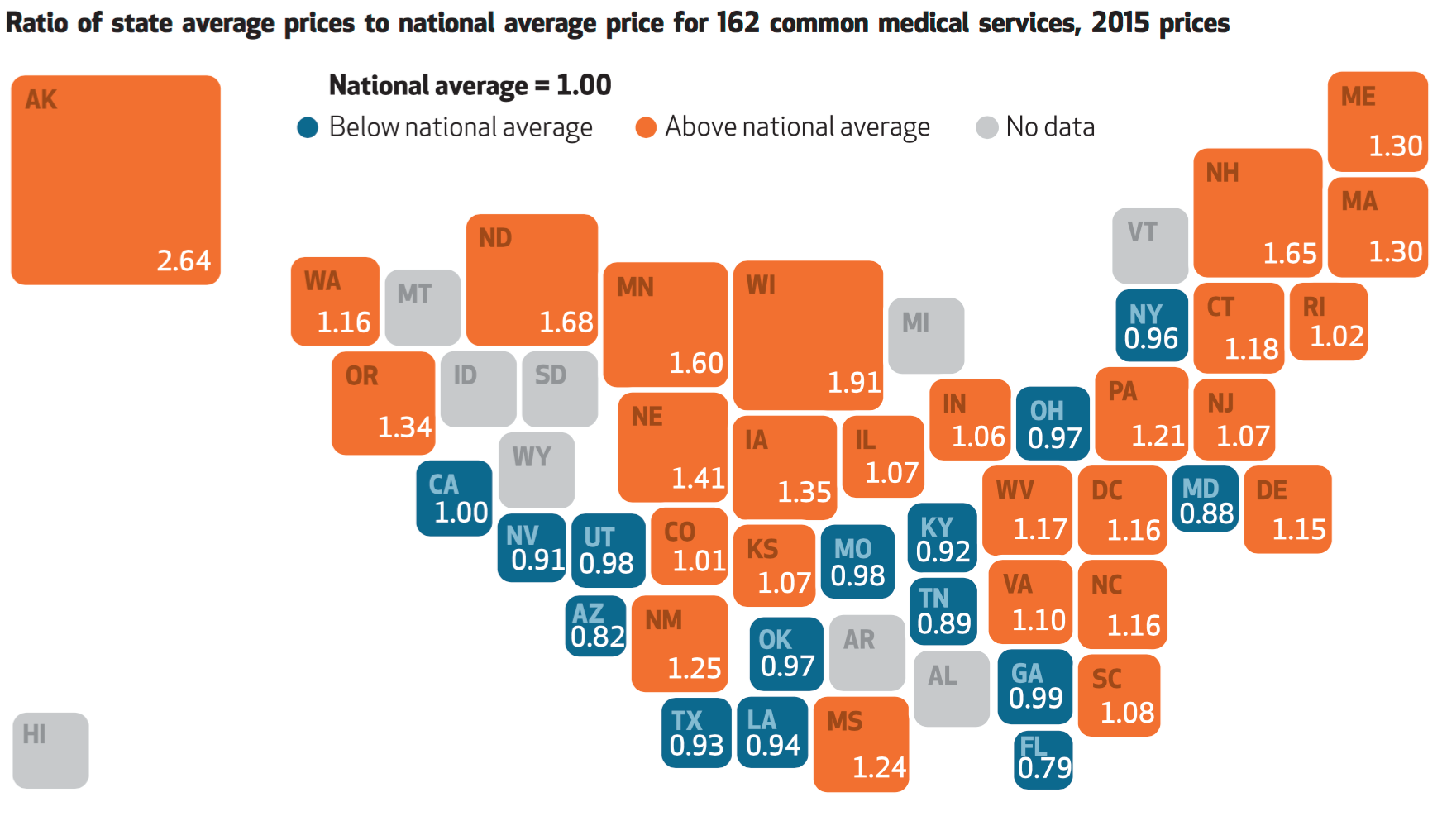
Where you live in America determines what you might pay for healthcare. In this health economic scenario, as Napoleon is rumored to have said, “geography is destiny.” If you’re searching for low-cost health care, Ohio may just be your state of choice. The map illustrates these health care disparities across the U.S. in 2015, when the price of a single service could vary by more than 200% between one state and another: say, Alaska versus Arizona, or Wisconsin compared to Florida. Even within states, like Ohio, the average price of a pregnancy ultrasound in Cleveland ran nearly three times that received in
Control Drug Costs and Regulate Pharma, Most Older Americans Say
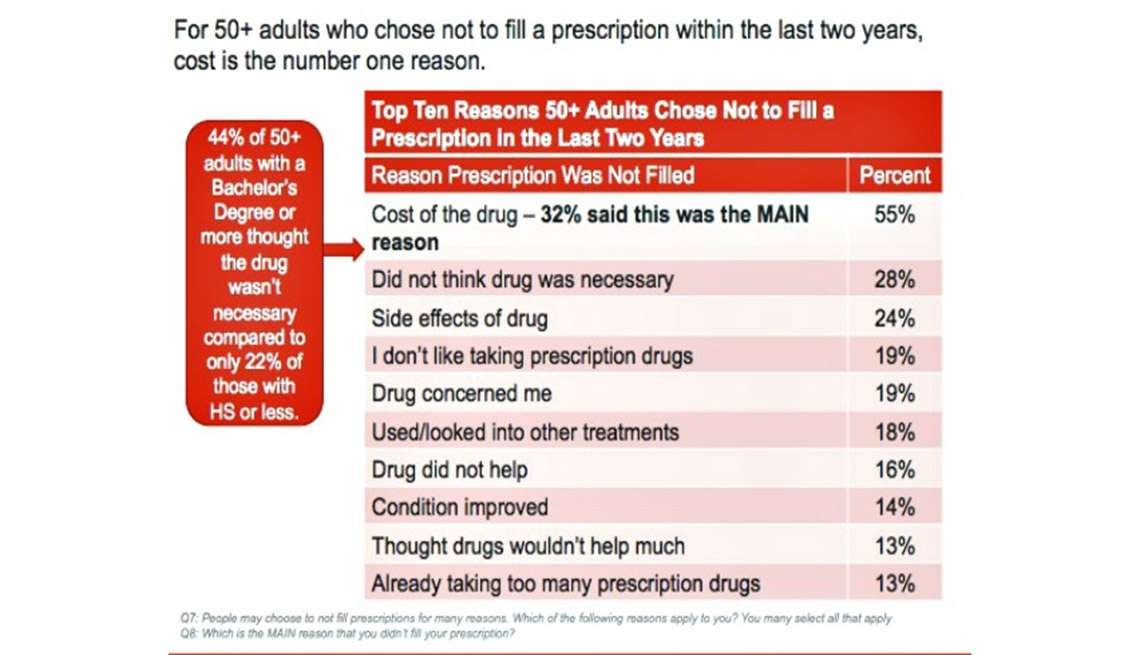
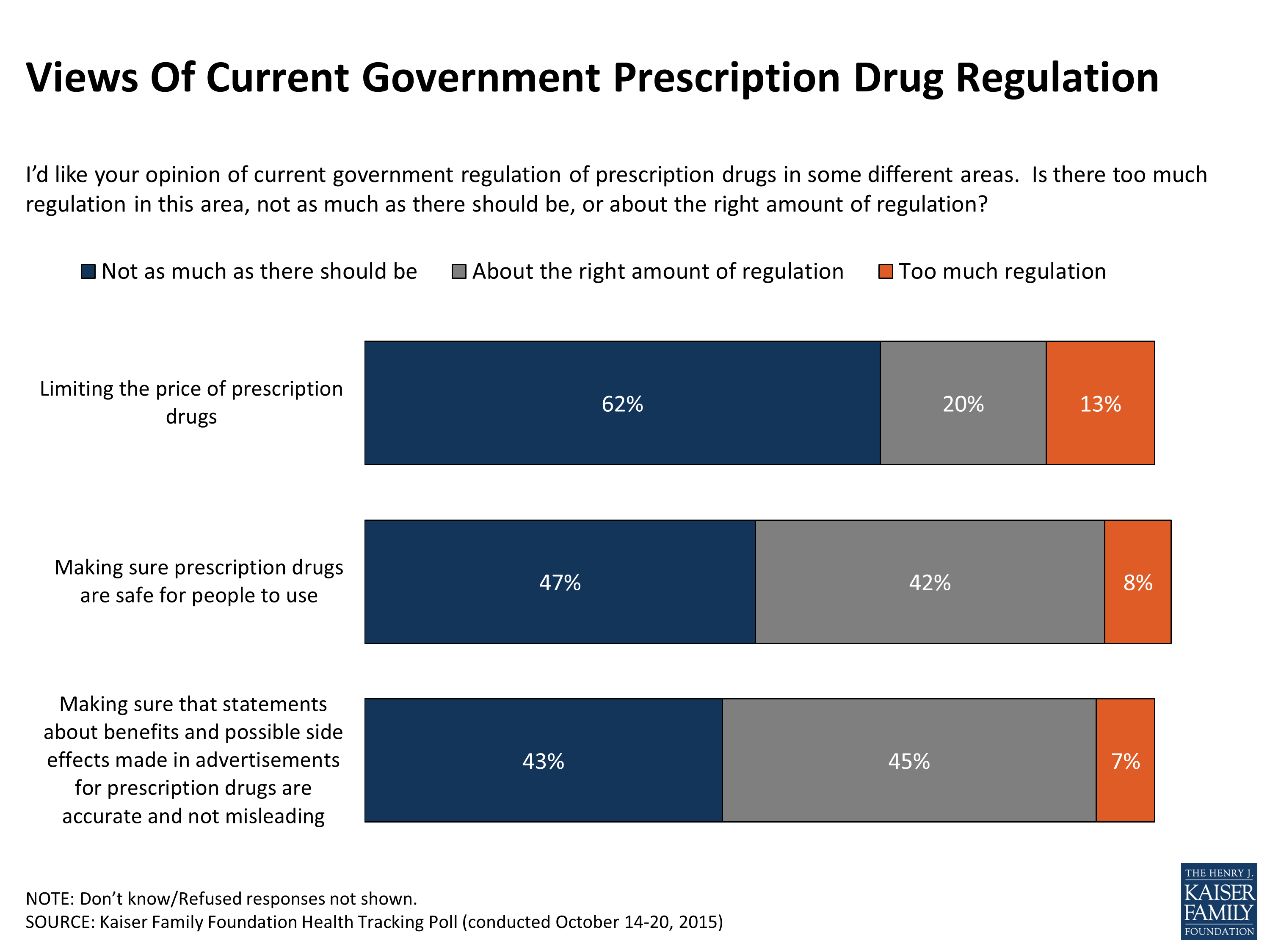
The top reason people in America over 50 don’t fill a prescription is the cost of the drug, according to the AARP 2015 Survey on Prescription Drugs. Eight in 10 people 50+ think the cost of prescription drugs is too high, and 4 in 10 are concerned about their ability to afford their medications. Thus, nearly all people over 50 think it’s important for politicians (especially presidential candidates) to control Rx drug costs. Older consumers are connecting dots between the cost of their medications and direct-to-consumer prescription drug advertising: 88% of the 50+ population who have seen or heard drug
Money, Stress and Health: The American Worker’s Trifecta
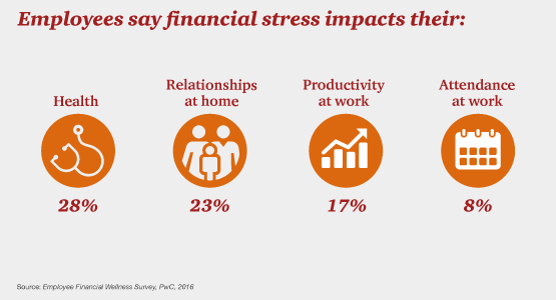
Financial stress impacts health, relationships, and work productivity and attendance for employees in the U.S. It’s the American worker’s trifecta, a way of life for a growing proportion of people in the U.S. PwC’s 2016 Employee Financial Wellness Survey for 2016 illustrates the reality of fiscally-challenged working women and men that’s a national epidemic. Some of the signs of the financial un-wellness malaise are that, in 2016: 40% of employees find it difficult to meet their household expenses on time each month 51% of employees consistently carry balances on their credit cards (with a large increase here among Baby Boomers
Financial Wellness Declines In US, Even As Economy Improves
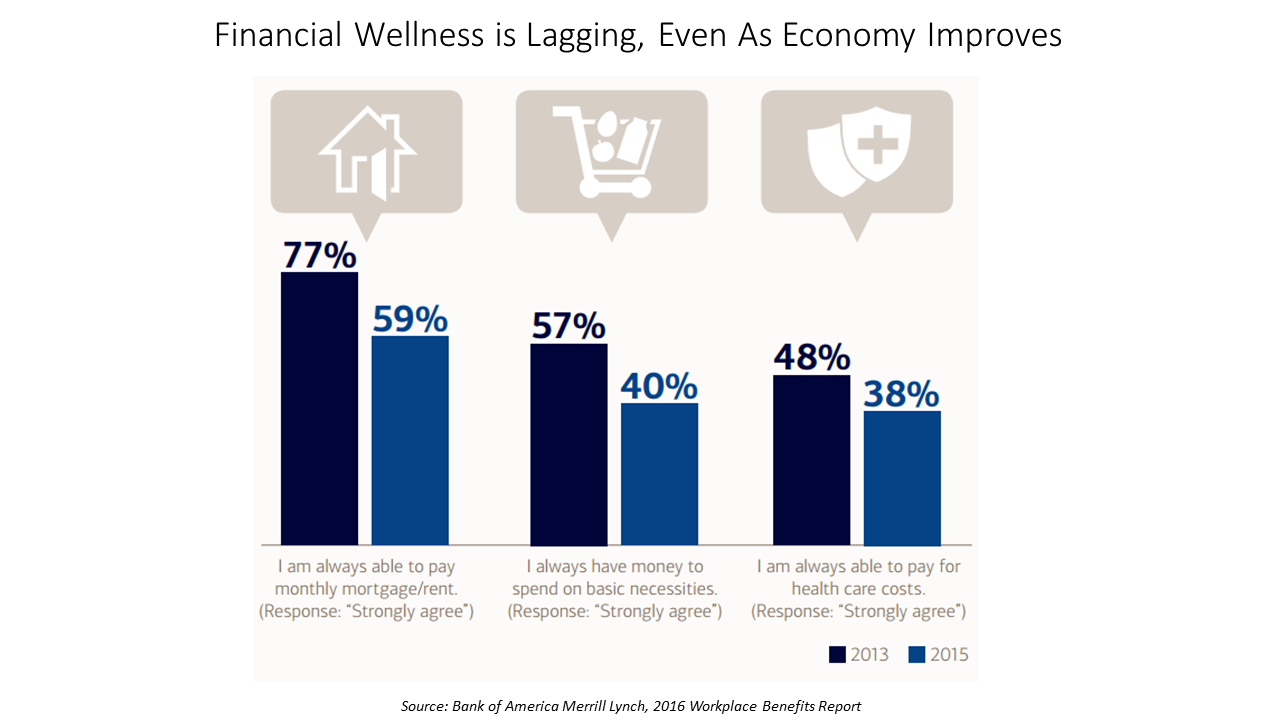
American workers are feeling financial stress and uncertainty, struggling with health care costs, and seeking support for managing finances. 75% of employees feel financially insecure, with 60% feeling stressed about their financial situation, according to the 2016 Workplace Benefits Report, based on consumer research conducted by Bank of America Merrill Lynch. The overall feeling of financial wellness fell between 2013 and 2015. 75% of U.S. workers don’t feel secure (34% “not very secure” and 41% “not at all secure”), with the proportion of workers identifying as “not at all secure” growing from 31% to 41%. Financial wellness was defined for this
Expect Double-Digit Rx Cost Growth to 2020 – Implications for Oncology
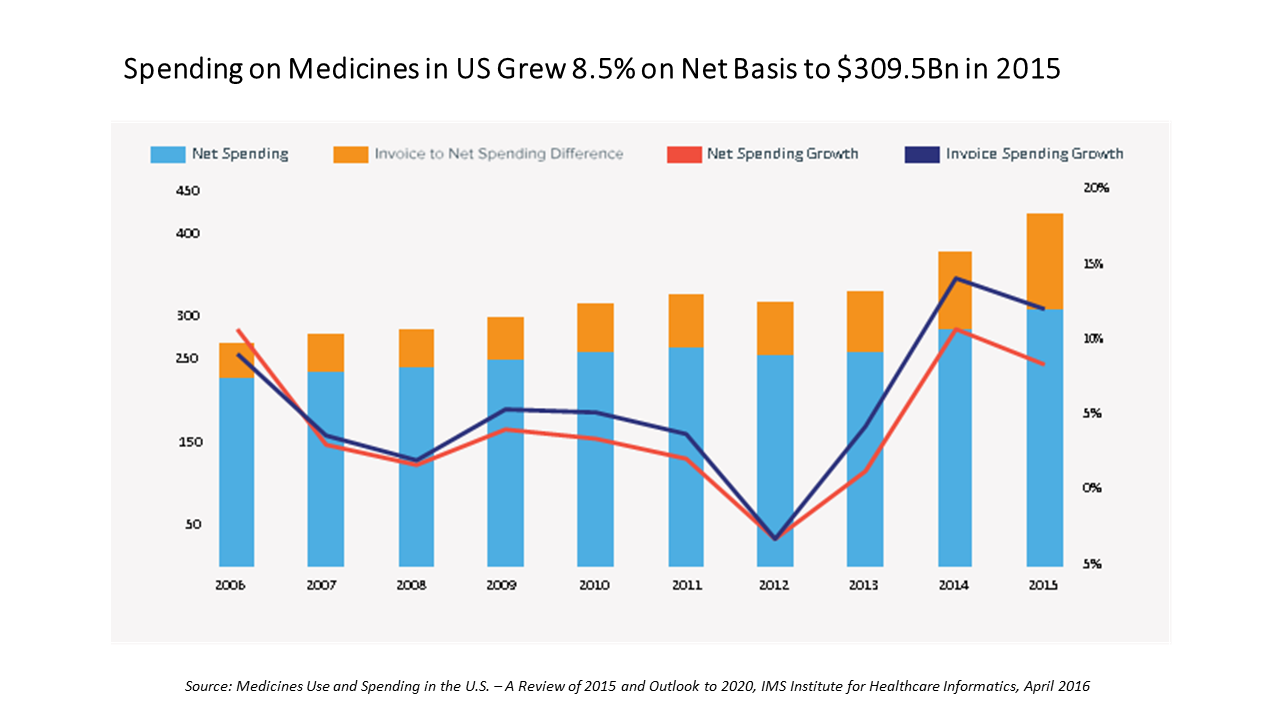
In the U.S., spending on prescription medicines reached $425 bn in 2015, a 12% increase over 2014. For context, that Rx spending comprised about 14% of the American healthcare spend (based on roughly $3 trillion reported in the National Health Expenditure Accounts in 2014). We can expect double-digit prescription drug cost growth over the next five years, according to forecasts in Medicines Use and Spending in the U.S. – A Review of 2015 and Outlook to 2020 from IMS Institute of Healthcare Informatics. The biggest cost growth driver is specialty medicines, which accounted for $151 bn of the total Rx spend
Digitizing Self-Healthcare with Google, Pfizer, Under Armour, Walgreens and WebMD
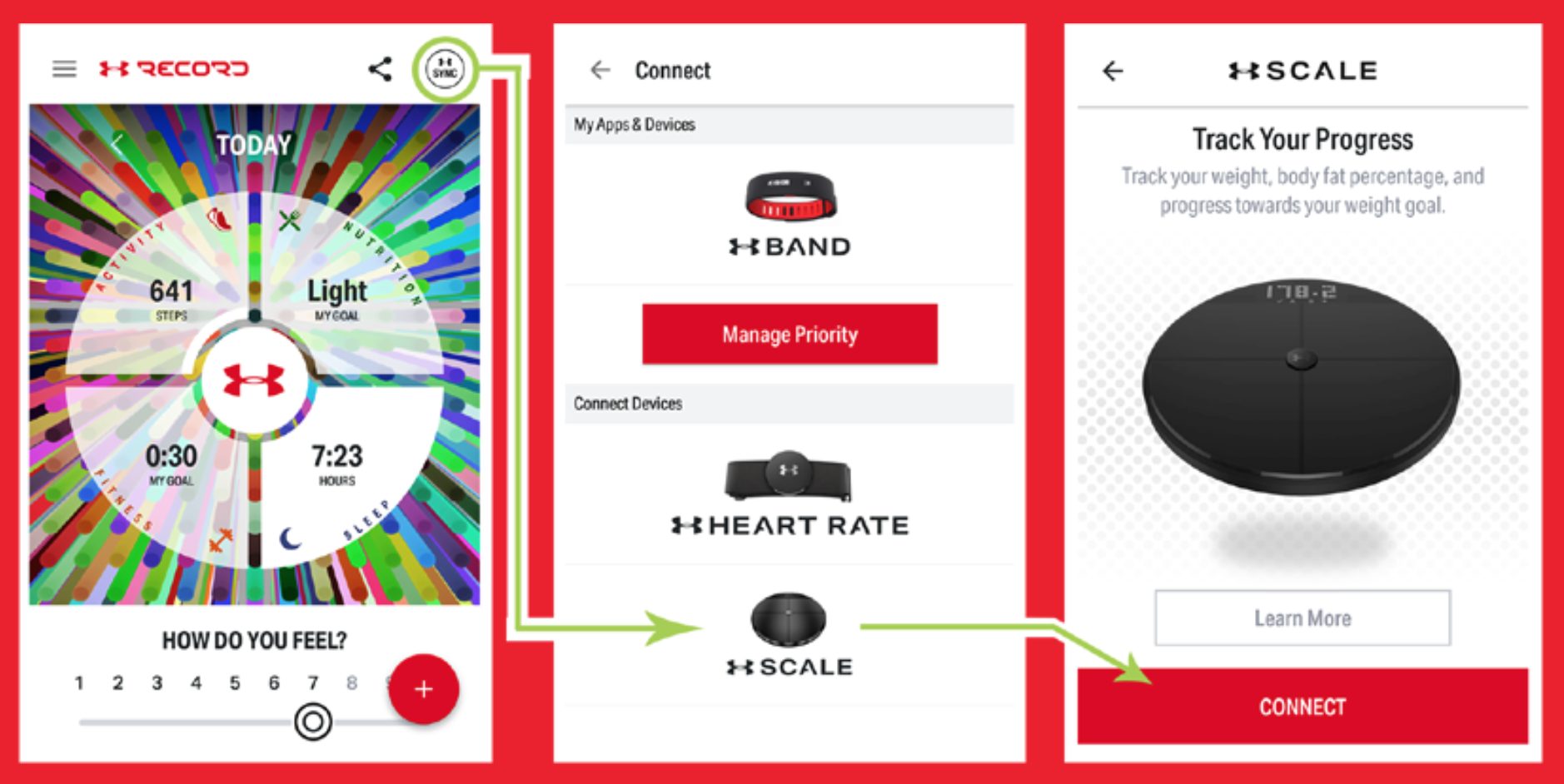
How can digital technologies enable self-healthcare in novel ways? This was the theme of a meeting sponsored by Pfizer Consumer Healthcare and hosted by Google, with the title, “Advancing Consumer Health through New Technology and Next Generation OTC Healthcare” held on 12th April 2016 at Google offices in Manhattan’s Chelsea neighborhood. Pharmaceutical brand drugs switching to over-the-counter packaged goods, the Cellscope Otoscope used by parents checking their young children’s earaches, connected shoes and earbuds for athletic enhancement, and omni-channel retail shopping….these are a few of the signals we see emerging to enable consumers’ to drive healthy behaviors, wellness and self-healthcare. Speakers
Generation Gaps in Health Benefit Engagement
Older workers and retirees in the U.S. are most pleased with their healthcare experiences and have the fewest problems accessing services and benefits. But, “younger workers [are] least comfortable navigating U.S. healthcare system,” which is the title of a press release summarizing results of a survey conducted among 1,536 U.S. adults by the Harris Poll for Accolade in September 2015. Results of this Accolade Consumer Healthcare Experience Index poll were published on April 12, 2016. Accolade, a healthcare concierge company serving employers, insurers and health systems, studied the experiences of people covered by health insurance to learn about the differences across age
Paper and Fax, Not EHRs or Portals, Are Popular for Health Data Sharing
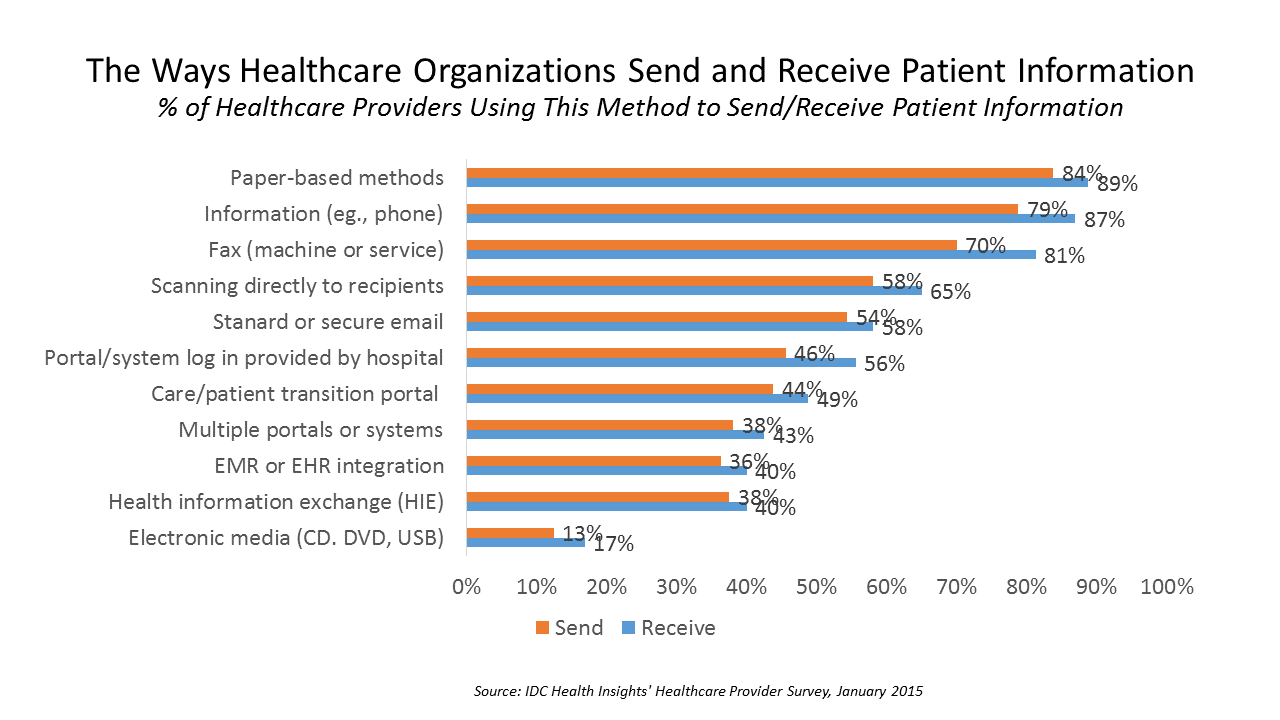
Faxing in health care ranks higher in patient data information sharing than using secure email, online portals, health information exchange (HIE), or leveraging electronic health records. Welcome to the American healthcare system in 2016, as described in a market spotlight published by IDC, The Rocky Road to Information Sharing in the Health System. IDC’s survey research among healthcare providers forecasts the “rocky road” to information sharing. That rocky road is built for medical errors, duplication of services, greater healthcare costs, and continued health il-literacy for many patients. “The holy grail of interoperability — lower-cost, better-quality care with an improved experience for
Patient Engagement – Secret In The Healthcare Sauce
Patient engagement is the new imperative in health care, writes Editor-in-chief Alan Weil in his introduction to the April 2016 issue of Health Affairs. It is appropriate and right that Judith Hibbard of the University of Oregon served as the theme adviser for the issue: she’s the innovator of the Patient Activation Measure and has frequently published her research in Health Affairs. Her own bottom-line: that the higher the patient activation, the less health care costs the health plan. (See a recent post on her research here on Health Populi). This issue of Health Affairs is a comprehensive primer on the
Healthcare Vs New Entrants: A $1.5 T Problem
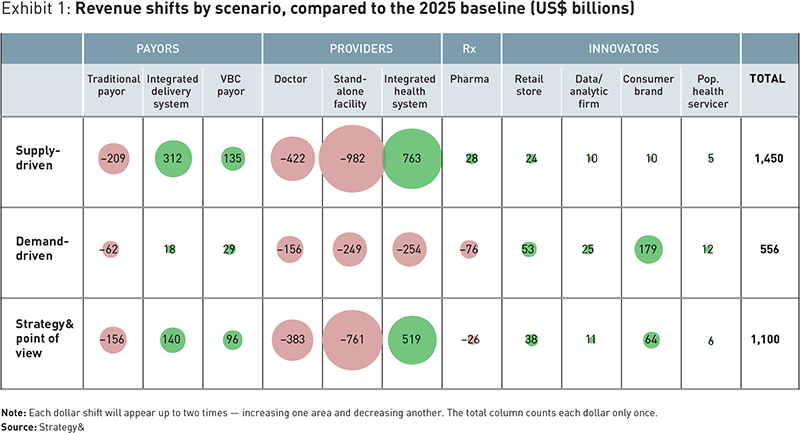
There’s an annual $1.5 trillion in revenues for the legacy healthcare system at stake by 2025, at risk of transferring to new entrants keen to please consumers, streamline physician practices, and provide new-new health insurance plans. A team from PwC has characterized this challenge in their strategy+business article, The Coming $1.5 Trillion Shift in Healthcare. Based on their survey of healthcare industry stakeholders and analyzing their economic model, the PwC team developed three scenarios about the 2025 healthcare market in the U.S. These are supply-driven, demand-driven, and equilibrium. The exhibit details each of these possible futures across various industry stakeholder
Cost Comes Before “My Doctor” In Picking Health Insurance
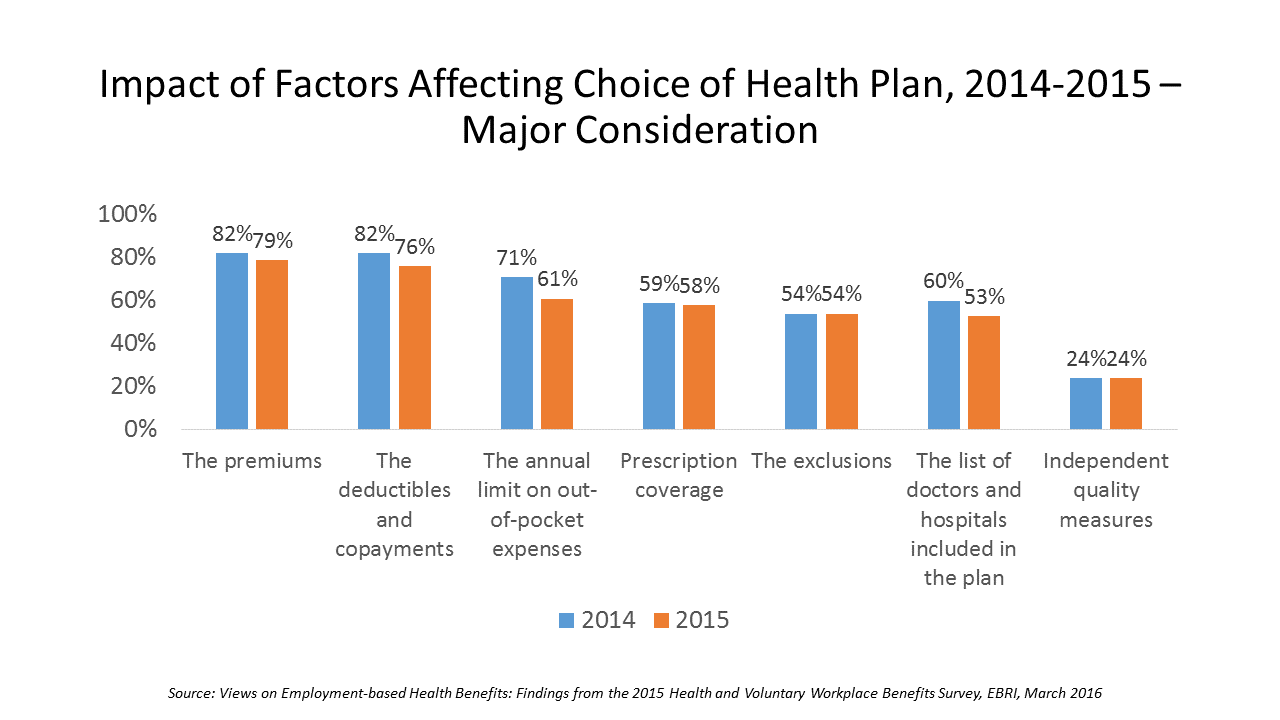
Consumers are extremely price-sensitive when it comes to shopping for health insurance. The cost of health insurance premiums, deductibles and copays, prescription drug coverage and out-of-pocket expenses rank higher in the minds of health insurance shoppers than the list of doctors and hospitals included in a health plan for health consumers in 2015. The Employee Benefit Research Institute (EBRI) surveyed 1,500 workers in the U.S. ages 21-64 for their views on workers’ satisfaction with health care in America. The results of this study are compiled in EBRI’s March 2016 issue of Notes, Views on Employment-based Health Benefits: Findings from the 2015 Health
Being A Doctor Is Highly Prestigious. A Politician? Don’t Ask.
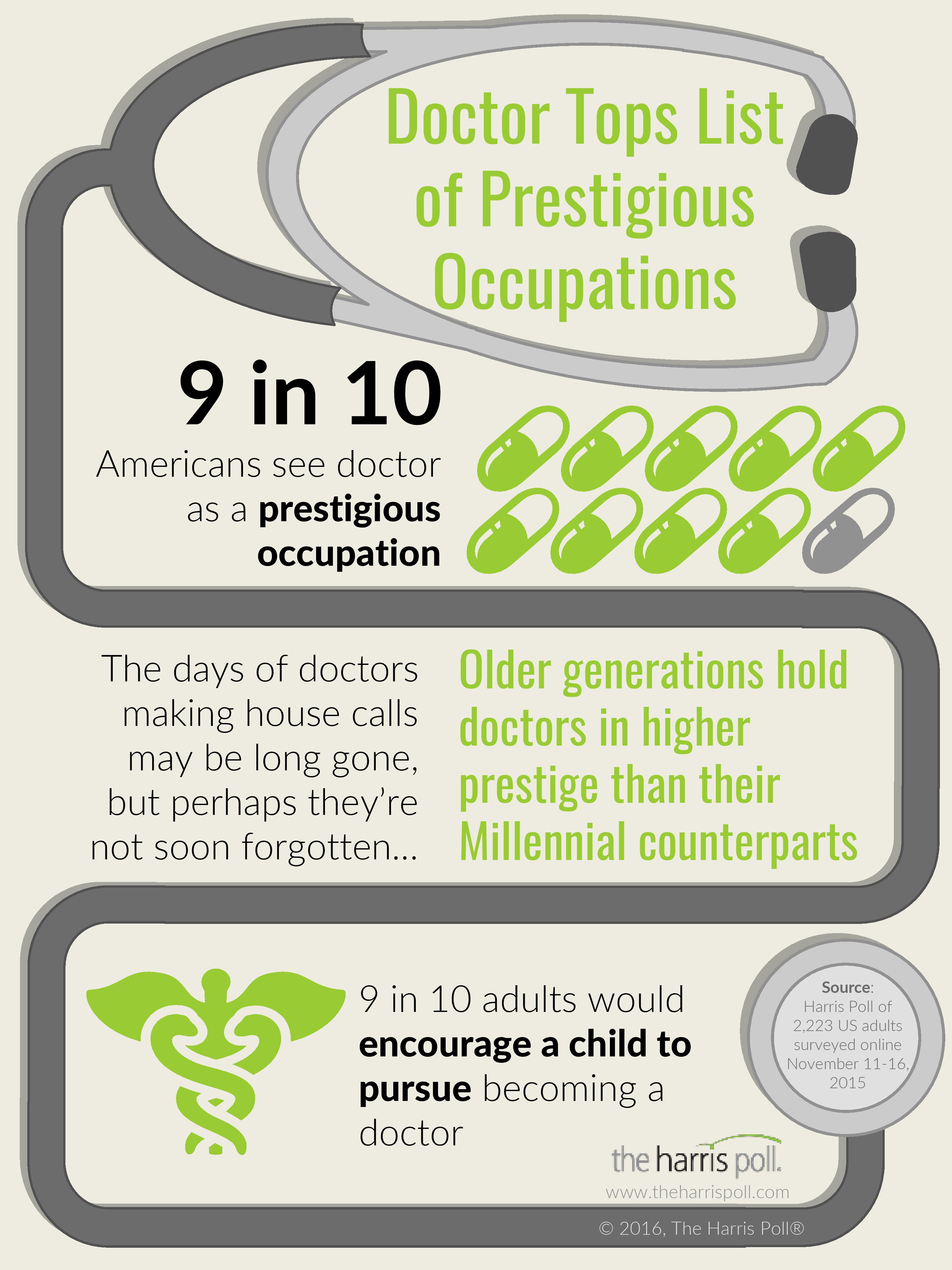
The most prestigious occupation in America is being a doctor, agreed by 90% of U.S. adults. 90% of them would also encourage their child to pursue a career in medicine. Politician? 70% of parents would discourage a child from pursuing that career path, according to The Harris Poll’s survey on occupational prestige. The top-prestige professions are: Doctor, agreed by 90% Scientist, 83% Firefighter, 80% Military officer, 78% Engineer, 76% Nurse, 76% Architect, 72% Emergency medical tech, 72% Veterinarian, 71% Police office, 67%% Teacher, 65% Entrepreneur, 65% Chef, 62% Athlete, 62% Lawyer, 62% Musician, 61%. All other professions fell below 60%
People Want Healthcare Sherpas
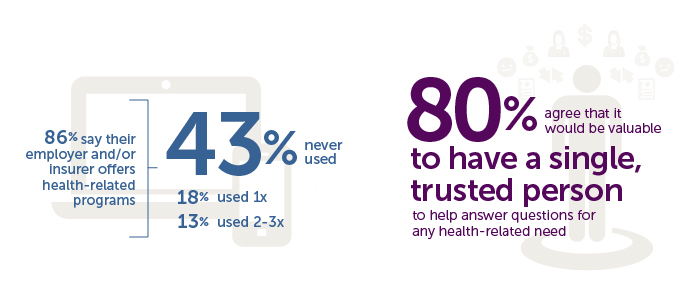
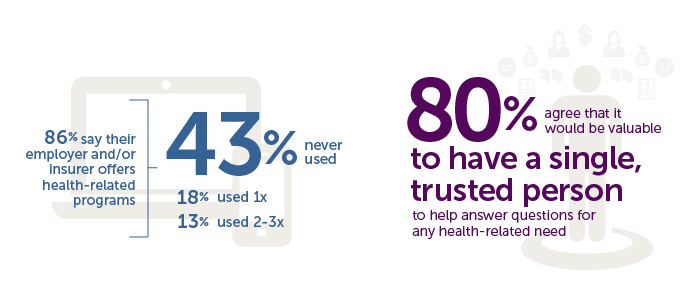
8 in 10 Americans would like one trusted person to help them figure out their health care, according to the Accolade Consumer Healthcare Experience Index Poll, conducted by The Harris Poll. The study gauged how Americans feel about their healthcare, especially focusing on employer-sponsored health insurance. One-third of people (32%) aren’t comfortable with navigating medical benefits and the healthcare system; a roughly percentage of people aren’t comfortable with their personal knowledge to make financial investments, either (35%). Buying a car, a home, technology and electronics? Consumers are much more comfortable shopping for these things. Consumers say that the most onerous
The Patient-Physician Experience Gap
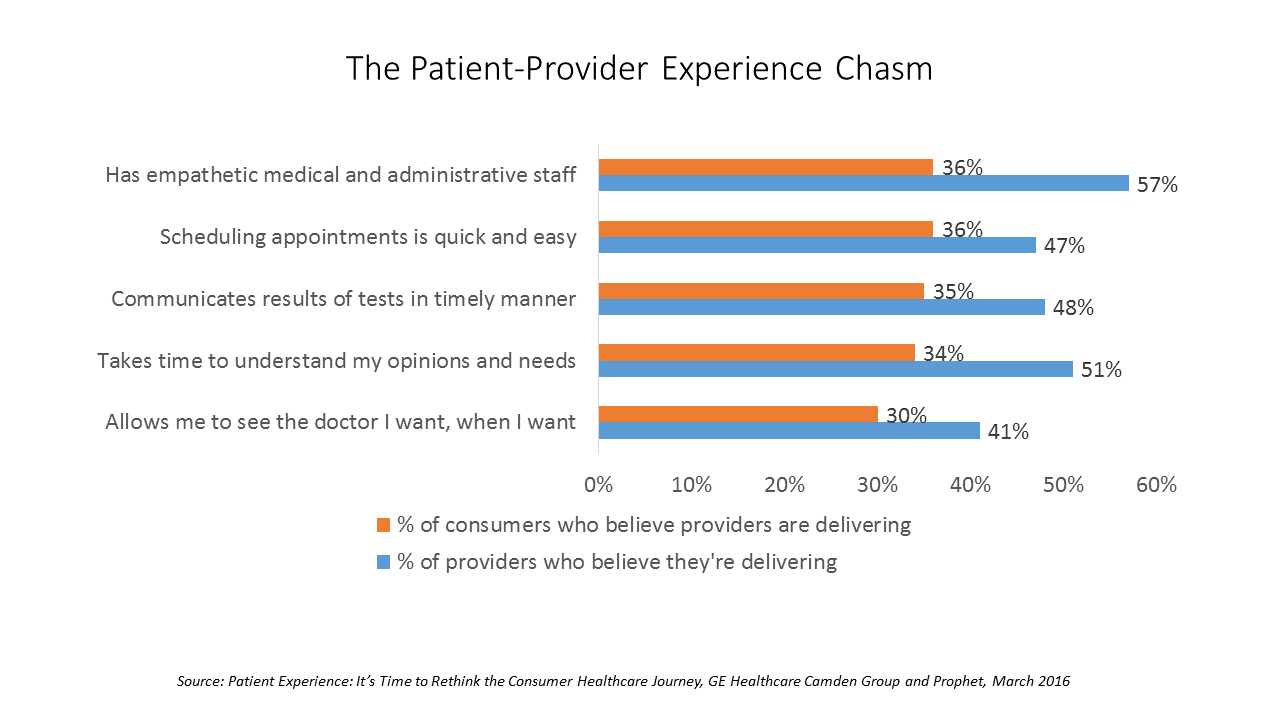
As patients continue to grow health consumer muscles, their ability to vote with their feet for health care services and products grows. That’s why it’s crucial for health care providers to understand how patients perceive their quality and service levels, explained in Patient Experience: It’s Time to Rethink the Consumer Healthcare Journey, a survey report from GE Healthcare Camden Group and Prophet, a brand and marketing consultancy. 3 in 4 frequent healthcare consumers say they are frustrated with their services. One-half of less-frequent patients are frustrated. Patients and physicians are on different pages when it comes to evaluating the health care
Consumers’ Growing Use of New Retail Health “Doors”
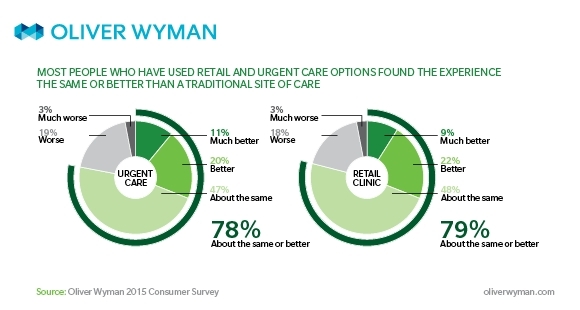
In the growing era of consumer-driven health, a growing list of options for receiving care are available to consumers. And people are liking new-new sites of care that are more convenient, cheaper, price-transparent, and digitally-enabled. Think of these new-new sites as “new front doors,” according to Oliver Wyman in their report, The New Front Door to Healthcare is Here. The traditional “doors” to primary and urgent care have been the doctor’s office, hospital ambulatory clinics, and the emergency room. Today, the growing locations for retail clinics and urgent care centers are giving consumers more visible and convenient choices for seeking
Digital Food
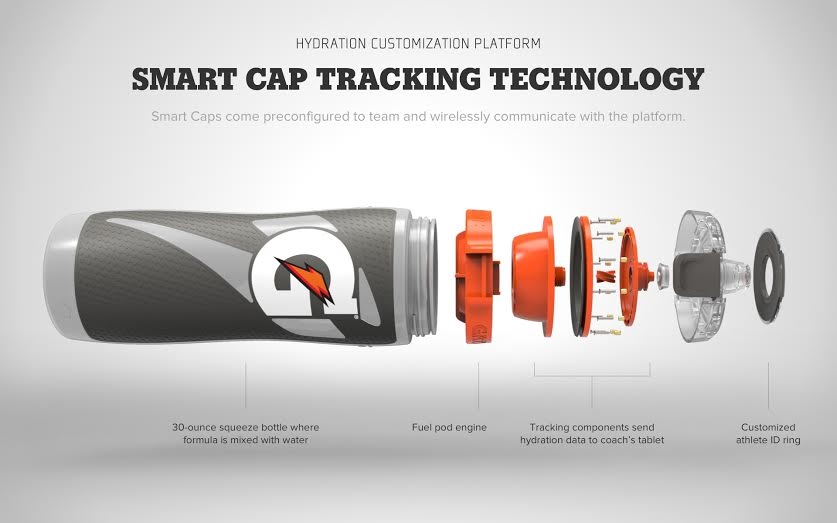
When I say “Fitbit,” you may think, “digital health.” When I mention “Gatorade,” “Nestle,” and “Dannon,” you might think, “drink,” “chocolate,” and “yogurt.” But soon, the phrase “digital health” will come to mind. That’s because a growing list of food manufacturers is looking to digital technologies to bake (or cook, blend, or mix) health into their value propositions. “Gatorade Taps Into Tech-Thirsty Consumers” is an article published in today’s Wall Street Journal, page B1 in the Business & Tech section of the newspaper. Mike Estrel writes that Gatorade is going high tech, working on a “smart cap” bottle with a microchip
Prescription Drugs Will Exceed 17% of US Healthcare Spending in 2016
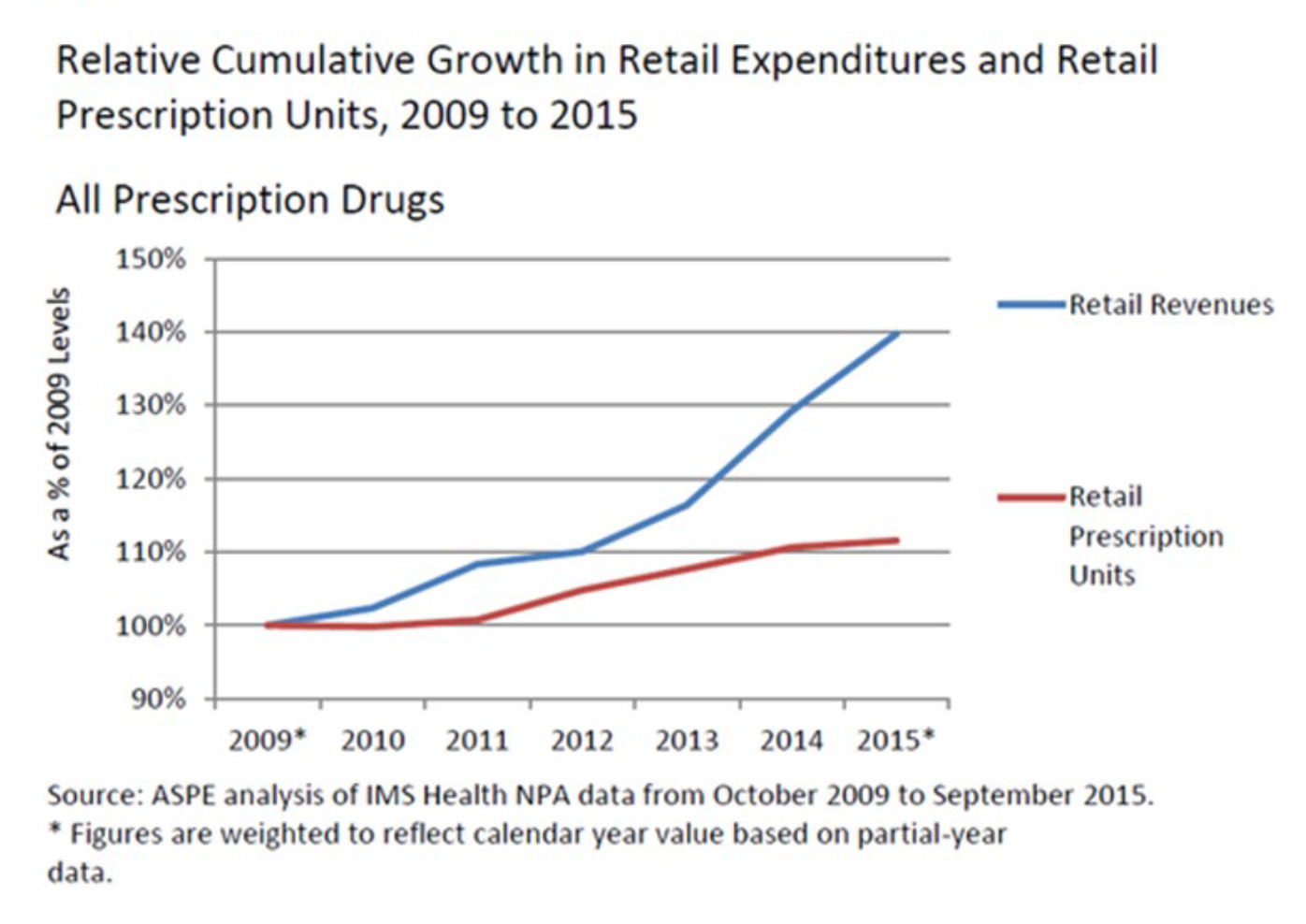
Spending on prescription drugs in America in 2015 hit nearly one-half trillion dollars, some 16.7% of national health spending. The latest report on Observations on Trends in Prescription Drug Spending was published this week by the U.S. Department of Health and Human Services’ Office of the Assistant Secretary for Planning and Evaluation (ASPE). For over a decade in the U.S., the prescription drug component of national health spending was relatively flat, about 10% of overall health costs. In the past couple of years, the proportion of healthcare costs allocated to Rx medications is fast-increasing, as the line chart shows: while
Being a Woman is a Social Determinant of Health – Happyish International Women’s Day

Today is International Women’s Day. Being a woman is a social determinant of health (for the worse). To mark the occasion of the Day, The International Labour Organization (ILO) published a report on women and work yesterday, finding that in the 178 countries studied, inequality between women and men persists across labor markets. And while there’s been progress in women’s education over the past twenty years, this hasn’t resulted in women advancing career paths and wage equality. It struck me this morning, reading both (paper versions of) the Wall Street Journal and the Financial Times that the latter had two FT-sponsored ads marking
Yin and Yang: Doctors and Patients’ Bipolar Views on EHR Access
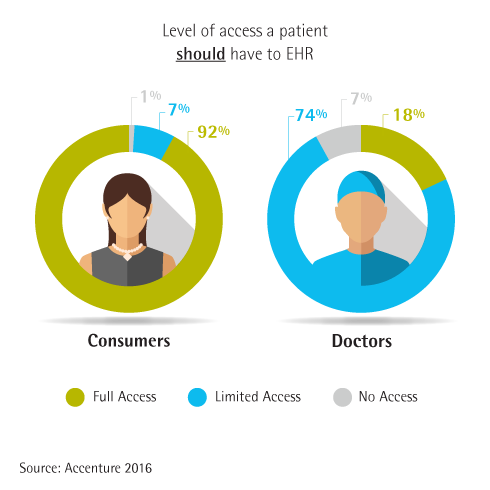
Patients are from Mars and Doctors from Venus when it comes to their views on whether consumers should have full access to their electronic health records (EHRs), according to a survey from Accenture released this week at the 2016 meeting of the HIMSS conference in Las Vegas. The vast majority of consumers are keen to access their full EHR, compared to a majority of doctors who advocate for limited access, as the circle diagram dramatically illustrates. The “old days” of patient information asymmetry — with a paper-based folder that got locked up in a health records cabinet — are gone.
Behavioral Economics in Motion: UnitedHealthcare and Qualcomm

What do you get when one of the largest health insurance companies supports the development of a medical-grade activity tracker, enables data to flow through a HIPAA-compliant cloud, and nudges consumers to use the app by baking behavioral economics into the program? You get Motion from UnitedHealthcare, working with Qualcomm Life’s 2net cloud platform, a program announced today during the 2016 HIMSS conference. What’s most salient about this announcement in the context of HIMSS — a technology convention — is that these partners recognize the critical reality that for consumers and their healthcare, it’s not about the technology. It’s about
Tying Health IT to Consumers’ Financial Health and Wellness
As HIMSS 2016, the annual conference of health information technology community, convenes in Vegas, an underlying market driver is fast-reshaping consumers’ needs that go beyond personal health records: that’s personal health-financial information and tools to help people manage their growing burden of healthcare financial management. There’s a financial risk-shift happening in American health care, from payers and health insurance plan sponsors (namely, employers and government agencies) to patients – pushing them further into their role as health care consumers. The burden of health care costs weighs heavier on younger U.S. health citizens, based on a survey from the Xerox Healthcare
Health Consumers Look For Cost and Convenience
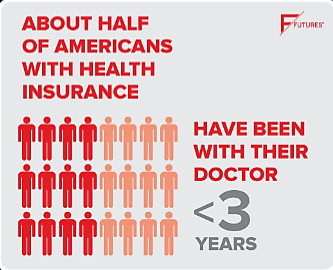
In a growing on-demand society, coupled with a burden of more out-of-pocket health care costs, U.S.health consumers tend to vote with their pocketbooks for healthcare based on cost and convenience, at least when it comes to prescription drug demand, according to the Finn Futures Health Poll conducted by Finn Partners. The survey was conducted in November 2015 among 1,000 U.S. online adults. 51% of consumers have been with their current health plans and primary care physicians for three years or less, which Finn Partners sees as a sign that brand loyalty isn’t a top motivation for health consumers signing on
Rural Hospitals in America – Health Disparities, Hospital Disparities
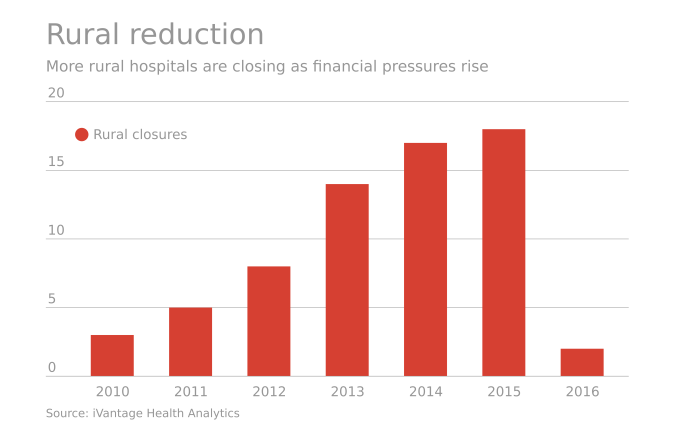
Rural hospitals operating in the U.S. have a higher risk of mortality — closure — than other hospitals in America. The U.S. health care landscape is littered with examples of health disparities among the nation’s health citizens – for example, women’s lower access to heart-health care, Latinos’ higher rates of Type 2 Diabetes, and African-Americans’ greater risks of stroke, many cancers, maternal mortality, and many other causes of mortality and diminished health. A report from iVantage, Rural Relevance – Vulnerability to Value, documents the fiscally challenging environment for rural hospitals in America. There are at least 673 facilities at-risk of closure
Improving the Patient Experience in Legacy Health Systems – My Start-Up Health Interview
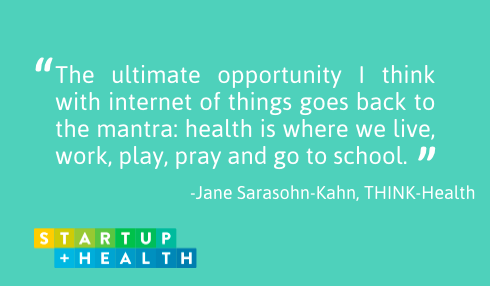
The so-called legacy healthcare system are the incumbents in American health care — hospitals, physician practices, pharma, health plans, and other organizations that have long-served and been reimbursed by traditional volume-based payment. Patients, now morphing in to health consumers, look to these stakeholders to provide new levels of service, accessibility, convenience, transparency and value — the likes of which people find in their daily life in other market sectors. Those consumer demands are pressuring the health system as we know it in many new ways, which I discussed with Unity Stoakes, Co-Founder of Startup Health, at the Health 2.0 Conference in
Welcome to the Era of Personal Health IT – a #HIMSS16 Preview
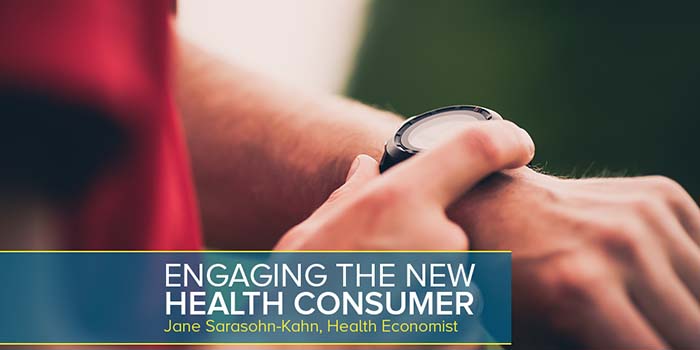
People – patients, caregivers, health consumers all – have begun to use the digital tools they use in daily life for booking taxis, managing money, seeking information — for their health. This is the growing adoption of Personal Health IT (PHIT), and it’s a growing aspect of the annual HIMSS Conference that the planet’s health IT folk will attend from 29th February until 4th March in Las Vegas. I talk about the phenomenon of PHIT and #HIMSS16 in The State of Health IT to Engage the New Health Consumer, a summary of the driving forces of the trend and opportunities
Health Consumers Happy With Doctor Visits, But Want More Technology Options
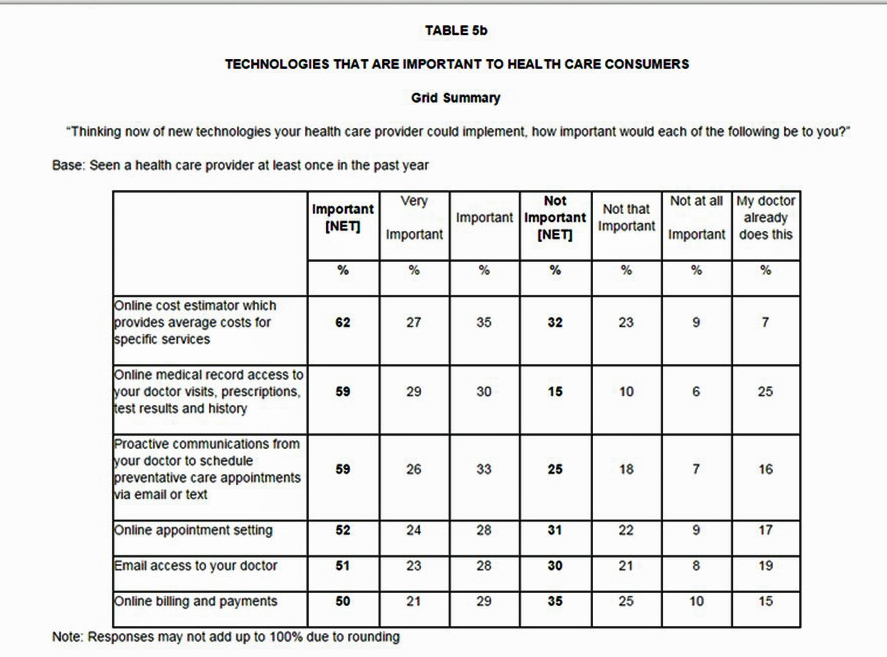
9 in 10 adults in the U.S. have visited a doctor’s office in the past year, and over half of these patients have been very satisfied with the visit; 35% have been “somewhat” satisfied. Being a highly-satisfied patient depends on how old you are: if you’re 70 or older, two-thirds of people are the most satisfied. Millennial or Gen X? Less than half. What underlies patient satisfaction across generations is the fact that younger people tend to compare their health care experience to other retail experiences, like visiting a bank, staying at a hotel, or shopping in a department store.
Getting Beyond Consumer Self-Rationing in High-Deductible Health Plans
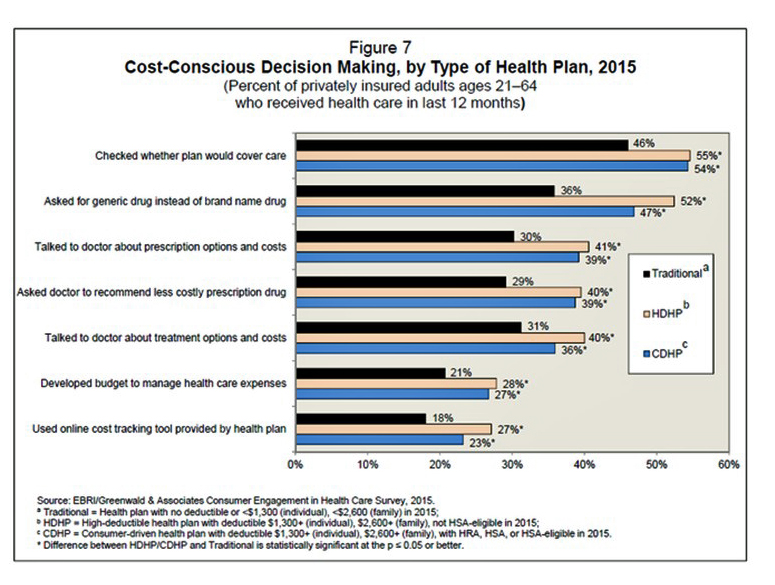
The rising cost of health care for Americans continues to contribute to self-rationing care in the forms of not filling prescriptions, postponing necessary services and tests, and avoiding needed visits to doctors. Furthermore, health care costs are threatening the livelihood of most American families, according to the Pioneer Institute. “What Will U.S. Households Pay for Health Care in the Future?” asks the title of a study by the Institute, noting that health care costs for an American family of average income could increase annually to $13,213 by 2025 — and as high as $18,251. Pioneer calculates that this forecasted spend will
Let’s Make a Deal: Patients Weigh Privacy Paybacks
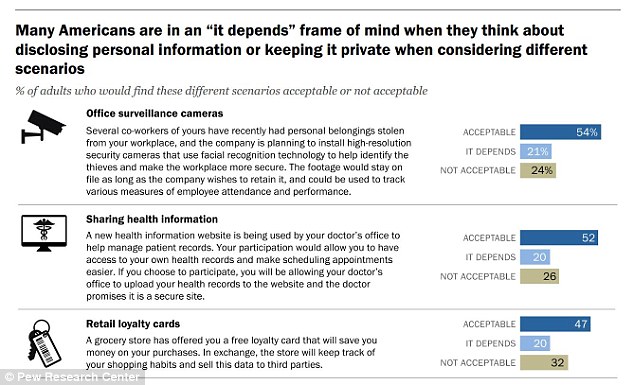
“It depends” is the hedge-phrase that characterizes how Americans see disclosing personal information versus keeping private information private, according to the consumer survey report, Privacy and Information Sharing, published by the Pew Research Center (PRC) in January 2016. U.S. adults see a privacy trade-off, living in the convenience-context of 21st century digital economy in exchange for some form of value. The “it depends” is a factor of what kind of data is geing collected, especially by third parties, how long that data area retained, for what use — vis-à-vis what a person is trading in return which could be a hard dollar
Health Consumers Grow Clinical and Financial Engagement Chops
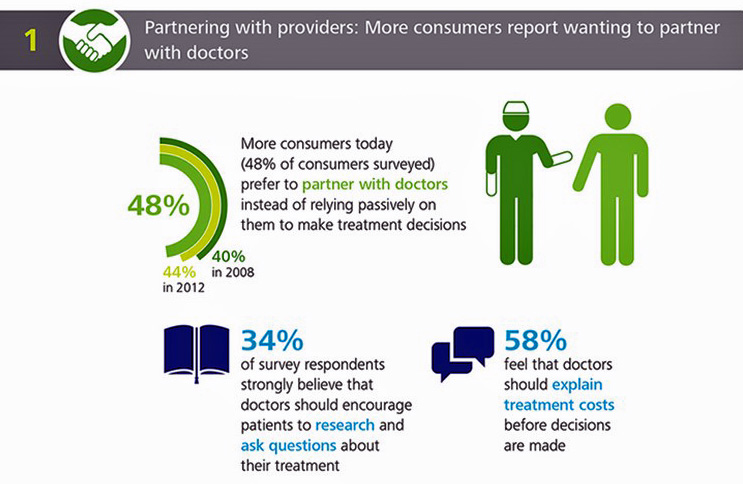
About one-half of consumers want to partner with doctors instead of allowing their physicians to make treatment decisions for them, according to a report from the Deloitte Center for Health Solutions, Health care consumer engagement: No “one-size-fits-all” approach. 1 in 4 people (25%) want to make treatment decisions themselves. Call that clinical health engagement. But even more people, 6 in 10, want to be financially-health engaged: 58% believe doctors should explain treatment costs before decisions are made, shown in the first chart. Most consumers would be comfortable talking about health care costs with doctors, and believe doctors should provide and explain the
Retailers will morph into health destinations in 2016
Retailers in the U.S. are morphing into health destinations in 2016. Members of Target’s management team attended the 2016 Consumer Electronics Show (CES) and shared their perspectives in the company blog. Among the Target teams observations came from the Chief Marketing Officer, Jeff Jones, who observed, “A tidal wave of newness is coming to fitness technology and many companies are on the cusp of changing the game. From nutrition and sleep to how you exercise, it’s all going to be measured, linked and tracked. Wearables are here to stay and getting smarter every year.” The Senior Vice President for Hardlines,
The 2016 THINK-Health Health/Care Forecast
It’s time to get the tea leaves out and mash up trends in my world of health, health care, technology, policy and people for 2016. We’ll start with the central player: people, consumers, patients, caregivers all. Health consumerism on the rise. People – call us patients, consumers, caregivers – will take on even more financial and clinical decision making risk in 2016. Growing penetration of high-deductible and consumer-driven health plans will push (not just nudge) people into the role of health care consumers, and the emerging businesses and programs serving the transparency market for price and quality will gain traction
Prescription Drug Costs Will Be In Health Benefits Bullseye in 2016
Prescription drug costs have become a front-and-center health benefits cost issue for U.S. employers in 2015, and in 2016 the challenge will be directly addressed through more aggressive utilization management (such as step therapy and prior authorization), tools to enable prescription intentions like DUR, and targeting fraud, waste and abuse. Consumers, too, will be more financially responsible for cost-sharing prescription drugs, in terms of deductibles and annual out-of-pocket limits, as described in the PBMI 2015-206 Prescription Drug Benefit Cost and Plan Design Report, sponsored by Takeda. The Pharmacy Benefit Management Institute has published this report for 15 years, which provides neutral, detailed survey
Yes, Virginia, There Really Are Healthcare Consumers: McKinsey
“There’s no such thing as a healthcare consumer. No one really wants to consume healthcare,” naysayers tell me, critical of my all health-consmer-all-the-time bully pulpit. But, touché to my health consumer-critics! I’ve more evidence refuting the healthcare consumer detractors from McKinsey in their research report, Debunking common myths about healthcare consumerism, from the team working in McKinsey’s Healthcare Systems and Services Practice. Their survey research among over 11,000 U.S. adults uncovered 8 myths about the emerging American health consumer, including: Healthcare is different from other industries Consumers know what they want from healthcare and what drives their decisions Most consumers
U.S. National Health Spending Up Due to More People Covered and Higher Drug Costs
National health spending in American grew by 5.3% in 2014, hitting the $3 trillion mark. This represented an up-tick nearly twice the growth rate of 2.9% in 2013, the slowest rate of growth in 55 years, according to the latest analysis of the U.S. health economy published by Health Affairs. The first chart illustrates the factors that contribute to that 5.3% growth in health spending. The two largest factors were medical prices and so-called “residual use and intensity.” The medical price increase portion was 1.8% in 2014, up from 1.3% in 2013. The use and intensity component was attributable to
Americans Like Generic Drugs Over Brands
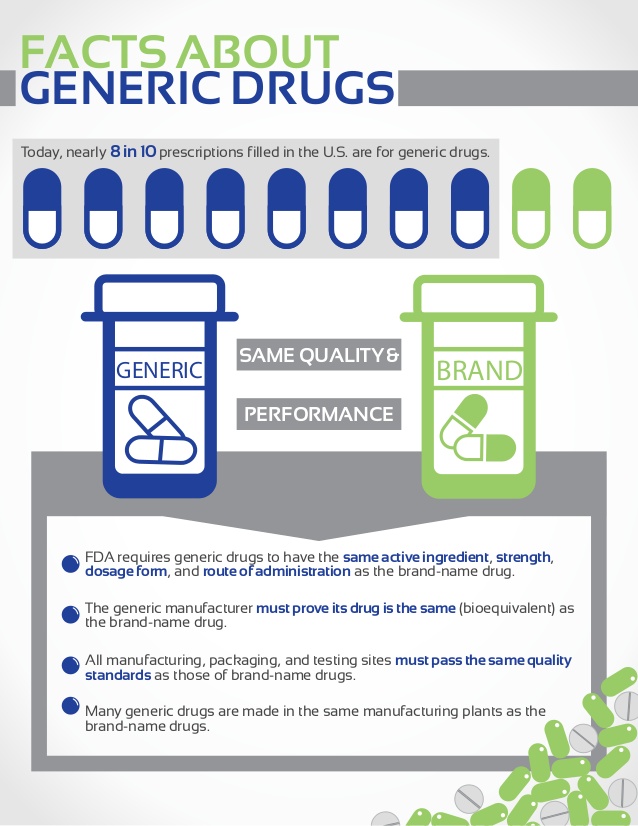
“What’s in a name?” Juliet asked in Shakespeare’s play. For medicines consumers in the U.S., not much. Most Americans prefer generics products, according to The Harris Poll’s survey. 7 in 10 U.S. adults choose generics over brands when given a choice. 3 in 10 people say they would “always” choose generics, whether a prescription drug or an over-the-counter product (store brand, private label). While most people across all age groups would choose generics over brand ames for meds, parents with children in the households would more likely choose a brand name (36% with vs. 28% without kids). Still, 66% of
The U.S. Will Cover the Bulk of Medicines Spending in 2020
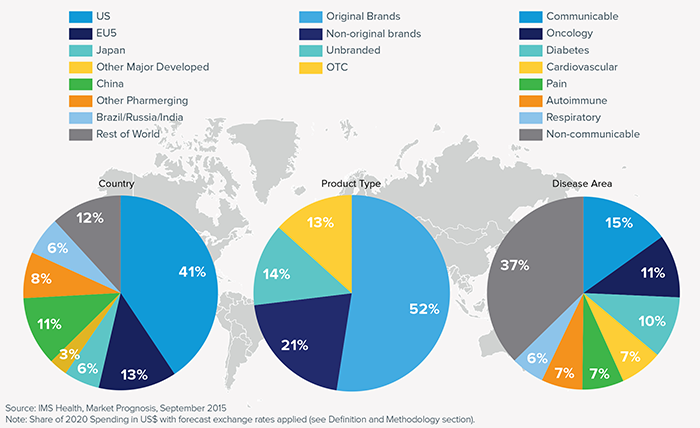
U.S. spending on medicines will approach $590 billion in 2020, increasing 34% over 2015, IMS Institute for Healthcare Informatics projects in its forecast, Global Medicines Use in 2020. Growth in spending will be attributable to innovation (new products), price increases and some patent losses of exclusivity (e.g., branded drugs going generic). The U.S. will cover the bulk of drugs spending in 2020 at 41% of the world medicines market, shown in the first pie in the first chart. U.S. medicines spending dwarfs any other country or region in the world, including China which is expected to account for 11% of
51% of Americans Say It’s Government’s Responsibility To Provide Health Insurance
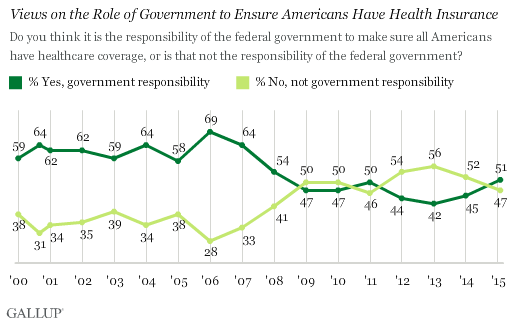
For the first time since 2008, a majority of Americans say government is responsible for ensuring that people have health insurance. The first chart shows the crossing lines between those who see government-assured health insurance in the rising dark green line in 2015, and people who see it as a private sector responsibility. The demographics and sentiments underneath the 51% are important to parse out: people who approve of the Affordable Care Act are over 3x more likely to believe in government sponsoring health insurance versus those who disapprove, 80% compared with 26%. The demographic differences are also striking, detailed
The Average Price of a New Specialty Drug Exceeds Median U.S. Annual Income; and a Tweet from Pam Anderson
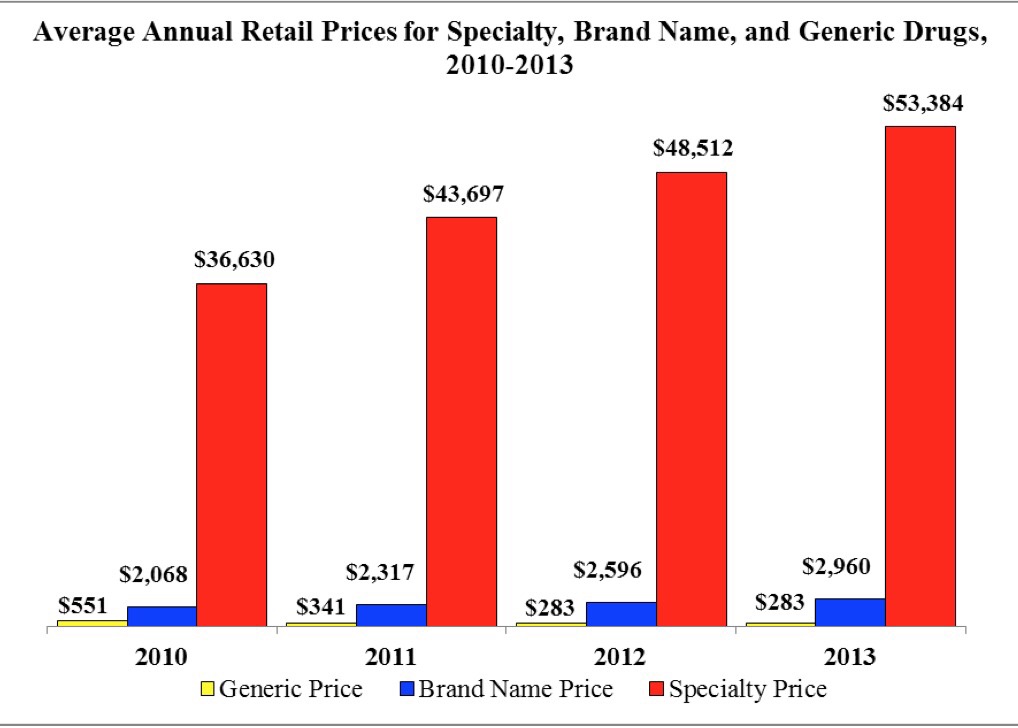
The average price for a specialty drug was $53,384 in 2013; the average household income was $52,250. Thus, even allocating 100% of a family’s annual earnings to pay for a drug wouldn’t stretch far enough to cover it in 2013, nor would it do so today in 2015. This sober health economic artifact comes from the latest Rx Price Watch Report from the AARP, detailing cost trends for prescription drugs across all segments — generics, brands and specialty drugs. Contrast, as well, the $53K for the average specialty drug with the median 2013 Social Security benefit payout of $15,526 and median Medicare
American health citizens hungry for cost controls
Most Americans support price controls on drug and medical device manufacturers, hospitals, and payments to doctors, along with allowing Medicare to negotiate drug prices. U.S. health citizens, now consumers, have been experiencing sticker-shock when it comes to prices on medical bills upon hospital discharge, leaving the doctor’s office, filling a prescription at a pharmacy or receiving a specialty drug recommended for a serious medical condition. The HealthDay/Harris Poll of 5 November 2015 quantifies their observation that Americans Want Bold Steps to Keep Health Care Costs in Check. The topline of the Poll shows that: 73 percent support price controls on
Retail Health Landscape Expanding Through Clinic Growth, Accenture Forecasts
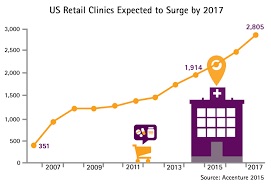
The Old School retail clinic is going beyond checking your child’s ear infection and sore throat, giving immunizations and filling out back-to-school forms just-in-time over LaborDay weekend. The new-new retail clinic is supporting patients’ chronic disease management, partnering with academic medical centers, and bolstering medication management. Accenture’s bullish forecast is titled “US Retail Health Clinics Expected to Surge by 2017,” making the case that these brick-and-mortar providers are shifting from a relatively limited retail scope to a broader and deeper clinical focus. The so-called surge in the number of retail clinics is projected to be nearly 50% growth between 2014 and 2017,
My Breakfast With Alain – On Health Consumers and the New Retail Health
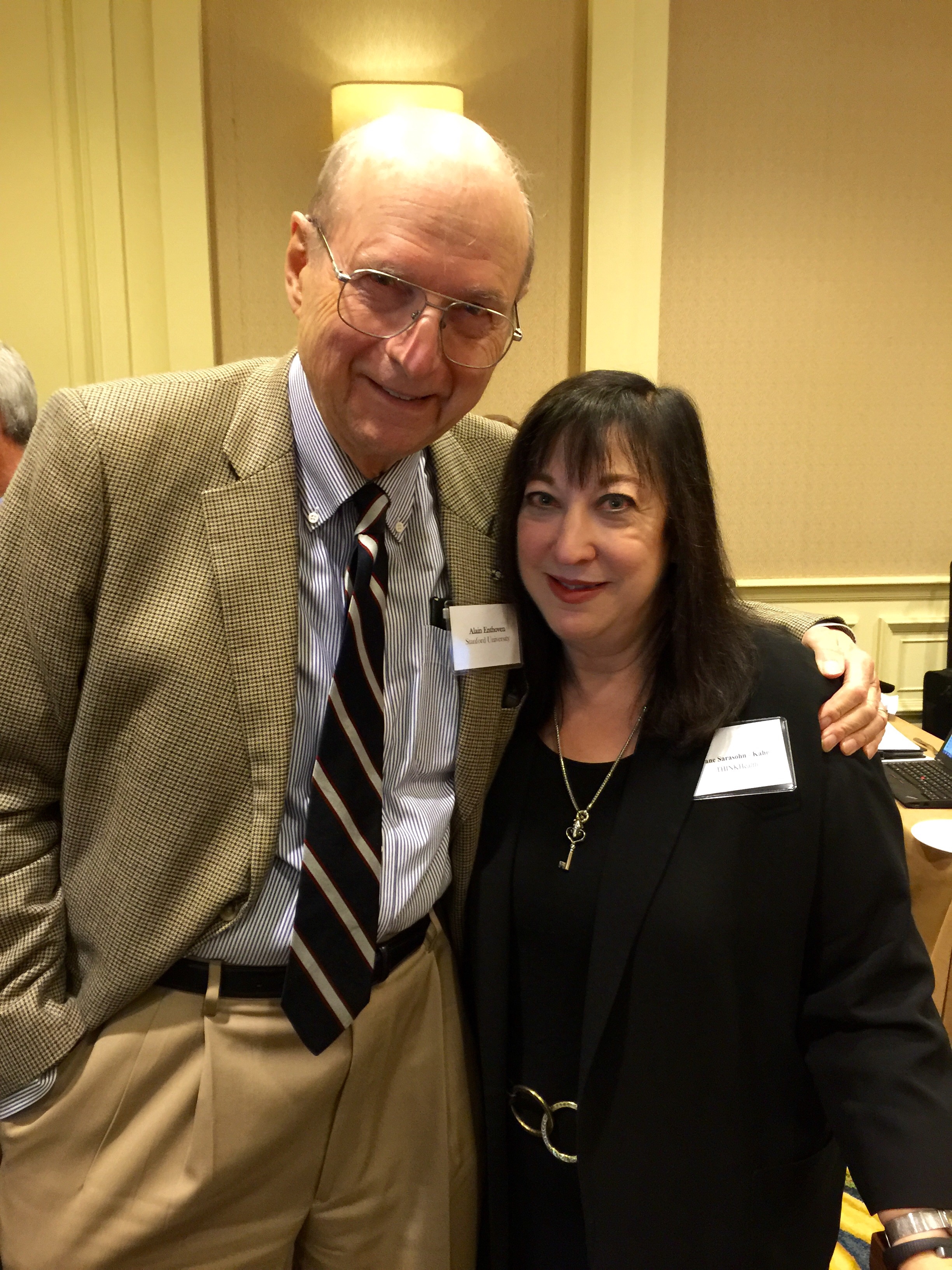
My National Health Care Consumer Week, I’ll coin this, looking back on flying some 12,000 airmiles over six days, criss-crossing America from the City of Brotherly Love to Sacramento, back to Philly and then to Los Angeles. Finally, today, heading home to Philadelphia and my beloved, most necessary Tempur-Pedic bed, a loving husband and some therapeutic TV binge-watching. It’s Friday and I’m at LAX, reflecting on a week of meeting with three groups of healthcare executives and stakeholders who all wanted to hear my take on the evolution of patients, people, caregivers, all, morphing into health care consumers. The lens
Walgreens Extends Telehealth On Your Smartphone
In the U.S., if you walk 3 miles in any direction, there’s a 3 in 4 chance you’ll find yourself in front of a Walgreens pharmacy. The company often says that 75% of people in the America live within 3 miles of a Walgreens storefront. What’s a pharmacy storefront anymore? Both Walgreens and CVS are re-defining that with a dizzying pace of new announcements. The latest for Walgreens: people in 25 states will be able to use the Walgreens app on their smartphones to access physicians virtually. Consumers living in Alabama, Arizona, California, Colorado, Connecticut, Florida, Indiana, Illinois, Iowa, Maryland,
U.S. Health At A Glance – Not So Healthy
People in the U.S. have lower life expectancy, a growing alcohol drinking problem, and relatively high hospital inpatient rates for chronic conditions compared with other OECD countries. And, the U.S. spends more on health care as a percent of GDP than any other country in the world. This isn’t new-news, but it confirms that U.S. health citizens aren’t getting a decent ROI on health spending compared with health citizens around the developed world. In the OECD’s latest global look at member countries’ health care performance, Health at a Glance 2015, released today, the U.S. comes out not-so-healthy in the context
Health Care Costs Are #1 Pocketbook Issue, and Drug Prices Top the Line Items
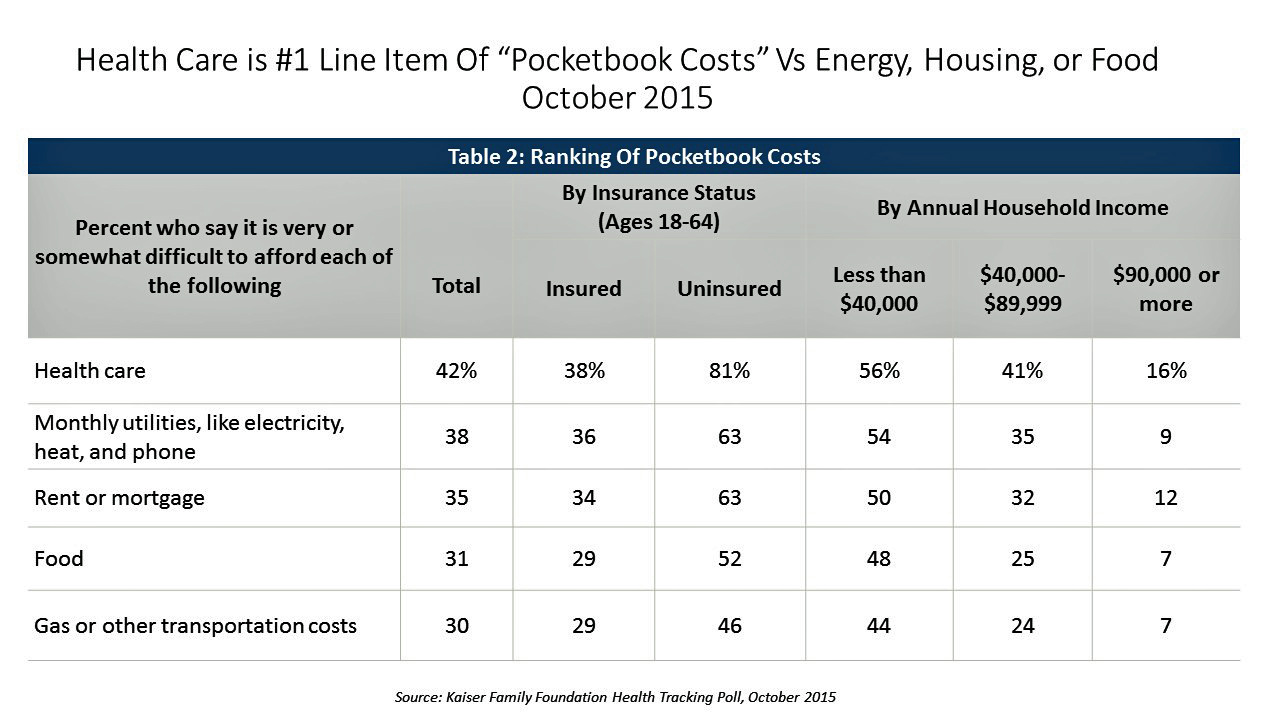
Consumers are most concerned about health care costs among their kitchen table issues, above their ability to afford the utility bill, housing, food, or gas and transportation costs. The October 2015 Kaiser Family Foundation Health Tracking Poll finds 4 in 10 Americans finding it difficult to afford health care, including 16% of people earning $90,000 a year or more. Underneath that worrying healthcare cost umbrella are the price of prescription drugs, which the majority of Democrats, Independents, and Republicans all agree need to be “limited” by government regulation. Ensuring that the public have affordable access to high-cost drugs for chronic conditions
Virtual Visits Would Conserve Primary Care Resources in US Healthcare
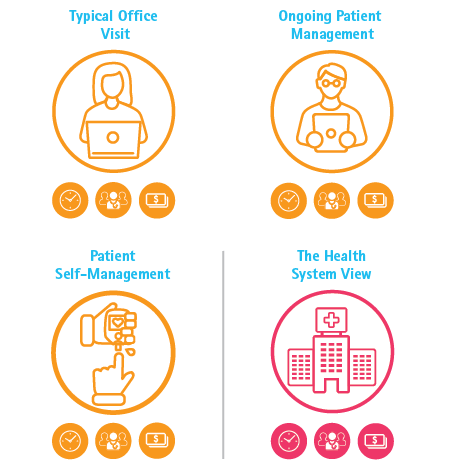
By shifting primary care visits by 5 minutes, moving some administrative tasks and self-care duties to patients, the U.S. could conserve billions of dollars which could extend primary care to underserved people and regions, hire more PCPs, and drive quality and patient satisfaction. Accenture’s report, Virtual Health: The Untapped Opportunity to Get the Most out of Healthcare, highlights the $10 bn opportunity which translates into conserving thousands of primary care providers. PCPs are in short supply, so virtual care represents a way to conserve precious primary care resources and re-deploy them to their highest-and-best-use. The analysis looks at three scenarios
Growing Signs Of Consumer Health Engagement, Via Deloitte
A growing desire for shared decision making with doctors. Increasing trust and consumption of health care information online, in social media, and report cards. Reliance on technology for monitoring health adn wellness, and medical conditions. Together, these three signals converge, illustrating a growing sense of consumer engagement among U.S. patients, found in the 2015 Deloitte Center for Health Solutions Survey of US Health Care Consumers. In Deloitte’s research summary, the title states that “No ‘one-size-fits-all’ approach” will work, given diversity among American health consumers. The sickest health consumers, Deloitte notes, have higher levels of health engagement and index higher on
In 2016 Prescription Drugs Will Be The Fastest-Growing Component of Healthcare Costs
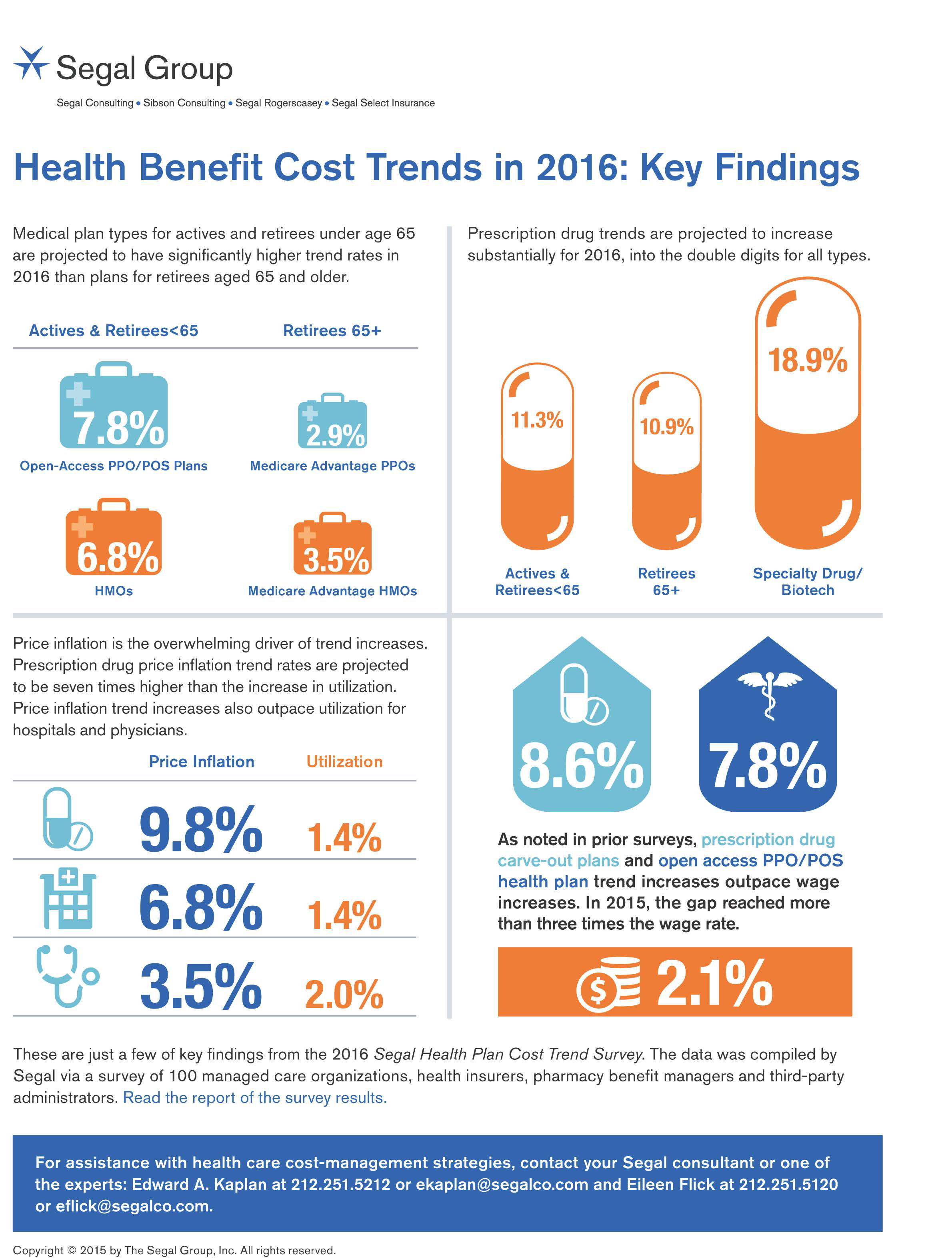
In 2016, prescription drug trend will rise over 11%. In contrast, medical trend growth for high-deductible health plans is expected to be 8%, hospital services 8.2%, and physician services 5.5%, according to the 2016 Segal Health Plan Cost Trend Survey released in September 2015. By definition, “trend” is the forecast of per capita health insurance claims cost increases that incorporate many factors include price inflation, utilization, government-mandated benefits, and new therapies and technologies. Consider the upper right portion of the infographic which illustrates Segal’s data: the 3 “capsule” diagrams show that specialty drug trend is anticipated to be 18.9% in
Wellness Is In Target’s Bullseye
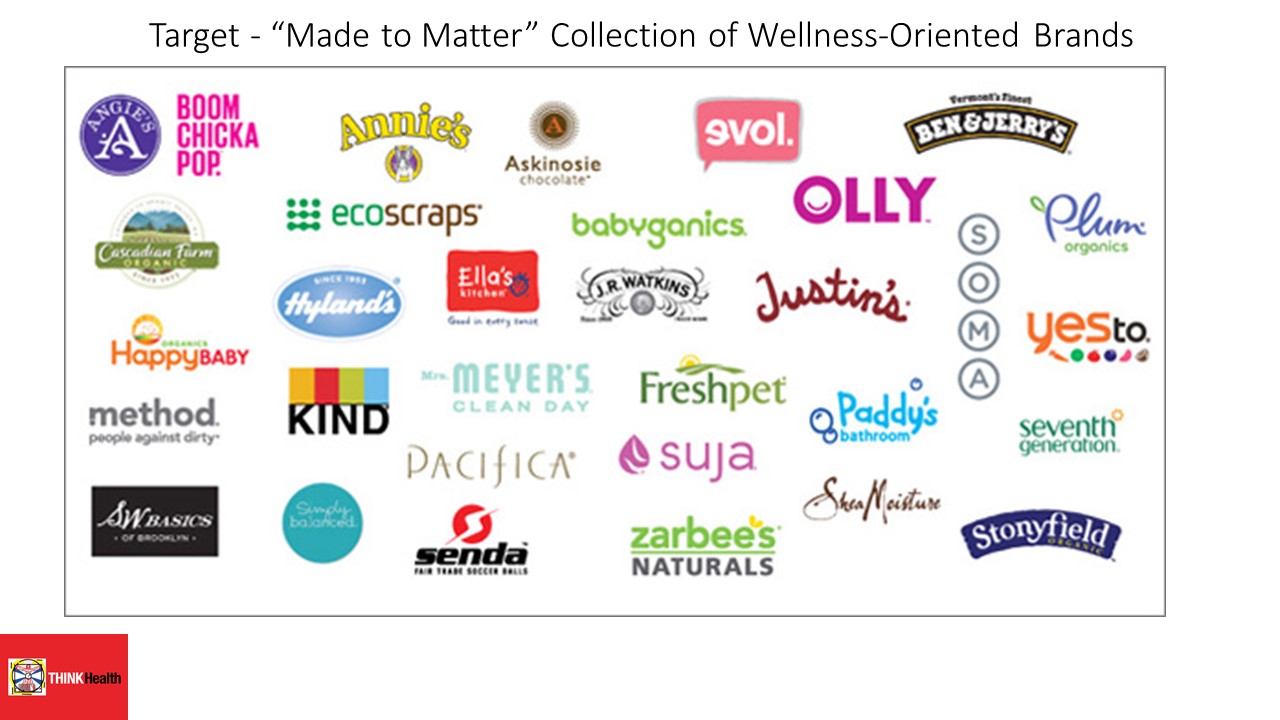
Health is where we live, work, play, pray, learn, and increasingly, shop. The new Retail Health goes well beyond the pure-play pharmacy. Part of Target’s re-imagined market positioning is in this expanding sweet-spot as healthcare morphs from institutional providers like hospitals and doctors’ offices to the community. Don’t think pharmacy’s not important: it will remain a core business and revenue center in retail health. But that business is fast-changing, as the role of pharmacy benefits management companies change, more (expensive) specialty drug benefits come out of pipeline and into the market, and health insurance continues to shift financial risk to
What Retail Telemedicine Means For Healthcare Providers
Direct-to-consumer retail health options are fast-growing in the U.S. health ecosystem. CVS Health brought three telemedicine vendors to its pharmacy brick-and-mortar stores. CVS also acquired Target’s pharmacies, expanding its retail health footprint. Rite Aid has added HealthSpot kiosks to its pharmacies, while Walgreens expanded its relationship with MDLive. And, Cox Cable acquired Trapollo to bring remote health monitoring into subscribers’ homes, along with the cable company’s venture with Cleveland Clinic, Vivre Health. Coupled with the growing supply side of telemedicine vendors, the latest National Business Group on Health survey found that most large employers plan to expand the telemedicine services they
Health consumers’ cost increases far outpace wage growth
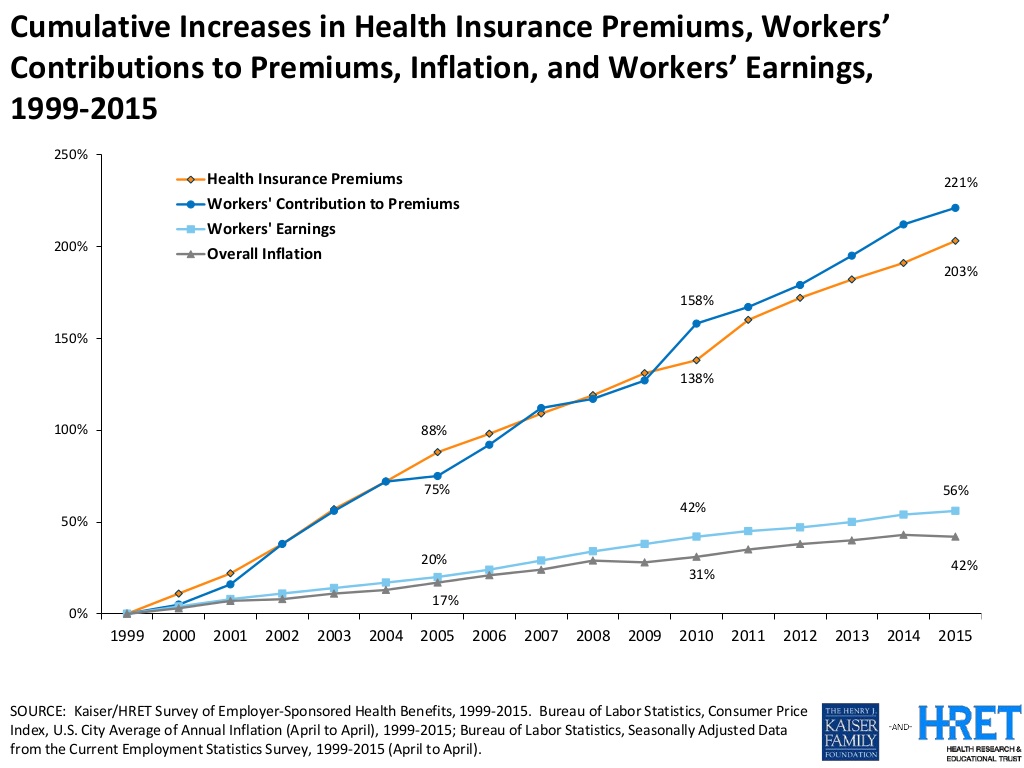
American workers are working to pay for health care costs, having traded off wage increases for health premiums, out-of-pocket costs and growing high deductibles. Welcome to the 2015 Employer Health Benefits survey conducted annually by the Kaiser Family Foundation (KFF) and Health Research & Educational Trust (HRET). Premiums are growing seven times faster than wages. The report calculates that high-deductibles for health insurance have grown 67% from 2010 to 2015. In the same period, wages grew a paltry 10%, while the Consumer Price Index rose 9%. The first chart illustrates that growing gap between relatively flat wages and spirally health
From Pedometers to Premiums in Swiss Health Insurance
A Switzerland-based health insurance company is piloting how members’ activity tracking could play a role in setting premiums. The insurer, CSS, is one of the largest health insurance companies in the country and received a “most trusted general health insurance” brand award in 2015 from Reader’s Digest in Switzerland. The company is conducting the pilot, called the MyStep project, with volunteers from the Federal Institute of Technology in Zurich and the Unviersity of St. Gallen. According to an article on the program published in the Swiss newspaper The Local, “the pilot aims to discover to what extend insured people are
Fitbit Means Business When It Comes To Privacy
Fitbit, the company that makes and markets the most popular activity tracker, is getting serious about its users’ personal data. The company announced that it will enter into HIPAA business associate agreements with employers, health plans, and companies that offer workers the devices and the apps that organize and analyze consumers’ personal data. The Health Insurance Portability and Accountability Act (HIPAA) protects patients’ personal health information generated in a doctor’s office, a hospital, lab, and other healthcare entities covered under the law (as such, “covered entities”). However, data generated through activity tracking devices such as Fitbit’s many wearable technologies have
U.S. Consumers’ View of Pharma Goes Negative in 2015
Americans’ views of the pharmaceutical industry have fallen in the past year, with negative perceptions outweighing positive ones, shown in the line graph from the Gallup Poll. Pharma’s low-lying reputation among consumers sits among others including the legal field, healthcare, oil and gas, and the Federal government which ranked lowest across all 25 sectors Gallup analyzed. Gallup surveyed 1,011 U.S. adults in in the first week of August 2015 via telephone. Since 2003, Gallup notes, the pharma industry has consistently ranked in the bottom third of industries operating in the U.S. Pharma respect is in the eye of the consumer-beholder
A Company’s Healthy Bottom Line Requires Healthy Employees
“What is the meaning of health to our businesses?” asked Dr. Thomas Parry of the Integrated Benefits Institute (IBI) at a dinner last night, convened by the Pittsburgh Business Group on Health on the eve of the organization’s annual meeting being held today in Steel City. I was fortunate to attend the dinner and hear Dr. Parry speak; I will be addressing the meeting today on the topic, “Building a Better Health Consumer.” The IBI is researching the direct link between the top line of a healthy employee base and healthy workers’ impacts on the bottom line. A report will be
Employers pushing consumerism for health benefits in 2016
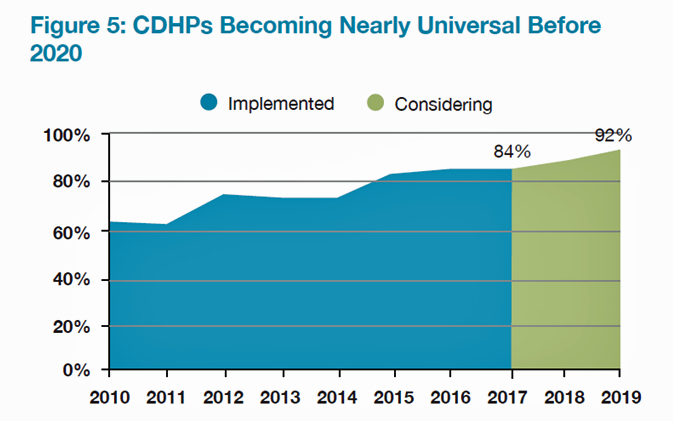
This is the dawning of the Age of Consumer-Driven Health, the tipping point of which has been passed. The data point for this assertion comes from the National Business Group on Health‘s annual 2016 Large Employers’ Health Plan Design Survey. The tagline, “reducing costs while looking to the future,” suggests some of the underlying tactics employers will use to manage their financial burden of providing health insurance to workers. That burden will continue to shift to employees and their dependents in the form of greater cost-sharing: for premiums, co-pays and co-insurance, and the hallmark of consumer-driven health plans (CDHPs): high(er) deductibles.
Coverage and price before brand for health plan shoppers
When Americans shop for health insurance (and they do – more, later in the post), they look most for covering major medical expenses, prescription drugs, preventive care, and price. Less important is the brand of the plan, or its high ratings. Valence Health surveyed 524 U.S. consumers in June 2015 to learn how healthcare shoppers feel about health insurance and health reform. The results are published in the report, U.S. Attitudes Toward Health Insurance and Healthcare Reform in August 2015. Key findings in the study were that: Price and coverage come before all other factors in evaluating health plans 73%
How value will impact the business of pharma
The top 25 life science companies grew a paltry 1% in 2014, and 70% of recent brand launches underperformed analysts’ expectations. The introductory page of a new report from KPMG describes, in a single sentence, the very challenging market environment for bio/life sciences: “The pharmaceutical industry is caught between a blockbuster-driven past and a future comprising precision medicine, curative therapies, and payment for outcomes. The years of consistent double-digit growth and unconstrained pricing power are fading into memory.” The assertively titled, “Change in pharma? Not optional,” offers 10 “integrated imperatives” for the pharma industry to follow to best respond to
Pocketbook Health Economics In One Chart
Covering the uninsured changes pocketbook problems, this chart demonstrates. The Kaiser Family Foundation (KFF) surveyed Californians between February and May 2015, and found that people newly enrolling in health insurance had less financial stress, and more health needs met. KFF asked previously uninsured Californians to rank five household “pocketbook” spending categories which they said were difficult to afford: health care, housing (rent/mortgage), gasoline, utilities, and food. Among the five, people gaining insurance worried much less about health care costs (49%, slipping to fourth place), and more about paying for shelter (58%), utility bills (54%), and gas (53%), shown in the
Health Politics – Learning From History in Art from the Reagan/AIDS Era

The high cost of specialty drugs, opaque information on risks of many existing prescription drugs, and lack of cures for diseases impacting millions of people are forces driving patients into activism, the likes of which we haven’t seen since the emergence of AIDS. I was reminded this yesterday, not inside the Beltway at an FDA or Congressional hearing, or in an online social network of patient activists. I was visiting the newly re-opened and re-built Whitney Museum, an architectural gem now re-energizing the Meatpacking District in Lower Manhattan. It wasn’t the building design (which is getting rave reviews from architecture
Sports and the Internet of Things: the Scoop & Score podcast

From elite soccer and football fields to youth athletes in public school gyms, wearable technology has come to sports bringing two big benefits of gathering data at the point of exercise: to gauge performance and coach back to the athlete in real time, and to prevent injury. I discussed the advent of the Internet of Things in sports on the Scoop and Score podcast with Andrew Kahn, sports journalist and writer, and Stephen Kahn, sports enthusiast and business analyst. [In full disclosure these two Kahn’s are also my brilliant nephews.] We recorded the podcast on July 14, 2015, the day
IoT in Healthcare, Take 2: Goldman Sachs weighs in
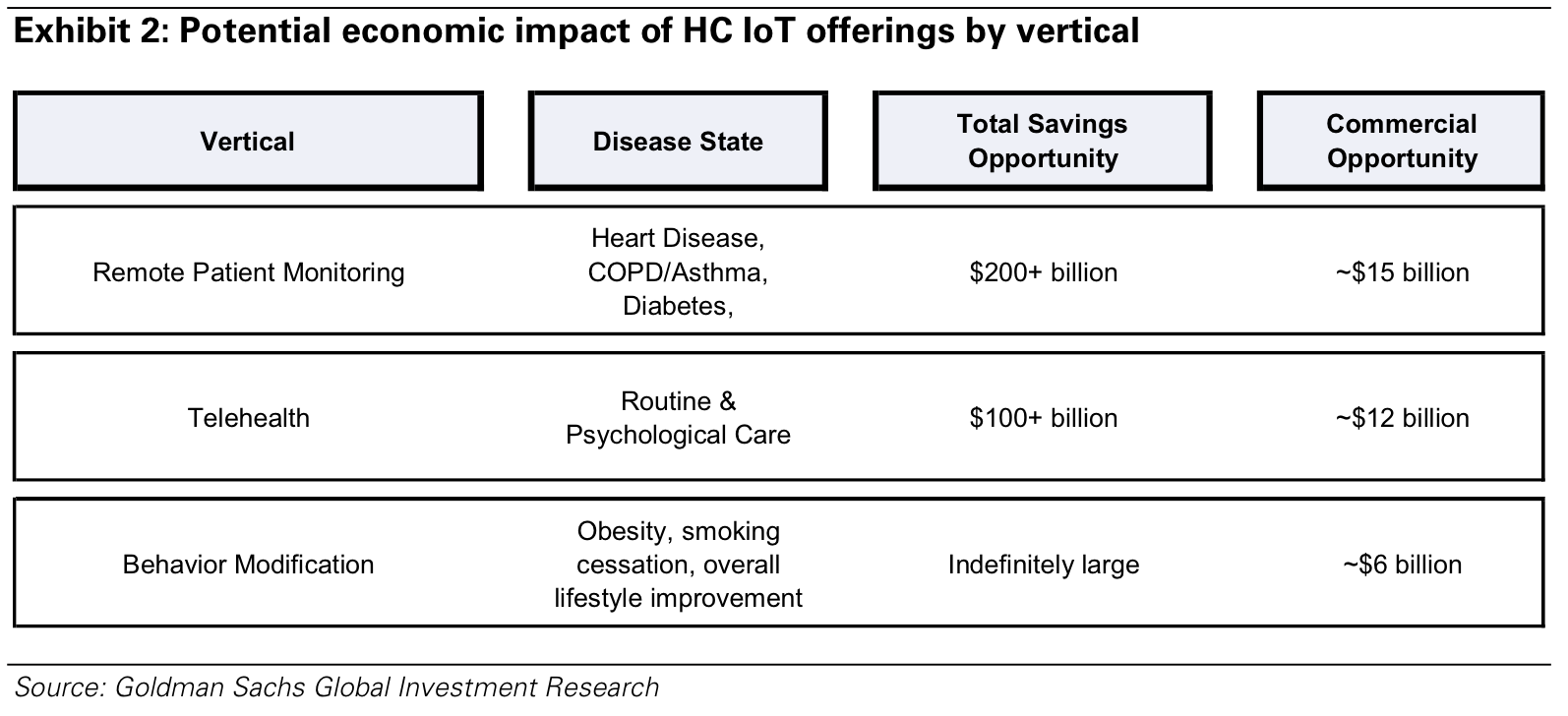
In this week’s posts on Health Populi, we’re diving into three big reports focused on digital health and the Internet of Things (IoT) in healthcare: from the McKinsey Global Institute, Goldman Sachs, and Accenture. In this post, we dig into Goldman Sachs’ analysis, The Digital Revolution comes to US Healthcare, the investment firm’s fifth volume in their Internet of Things report series. Goldman Sachs’ definition of the Healthcare IoT is, “a device that is connected via the Internet and informs clinical decision making,” which bridges digital and physical worlds “to change physician and patient behavior.” The firm identifies three IoT
The Internet of Things in Health: McKinsey Sees $1.6 T Value
‘Tis the summer of big, smart reports covering the Internet of Things (IoT) impact on health and fitness. Just this month, three of these missives have come to my inbox, and they all contribute sound thinking about the topic. Today, tomorrow and Friday, I’ll cover each of these here in Health Populi. We begin with McKinsey Global Institute’s The Internet of Things: Mapping the Value Beyond the Hype. [In full disclosure, I was an outside adviser to the MGI team members who focused on the human/health and fitness aspects of this report, and thank MGI for the opportunity to provide
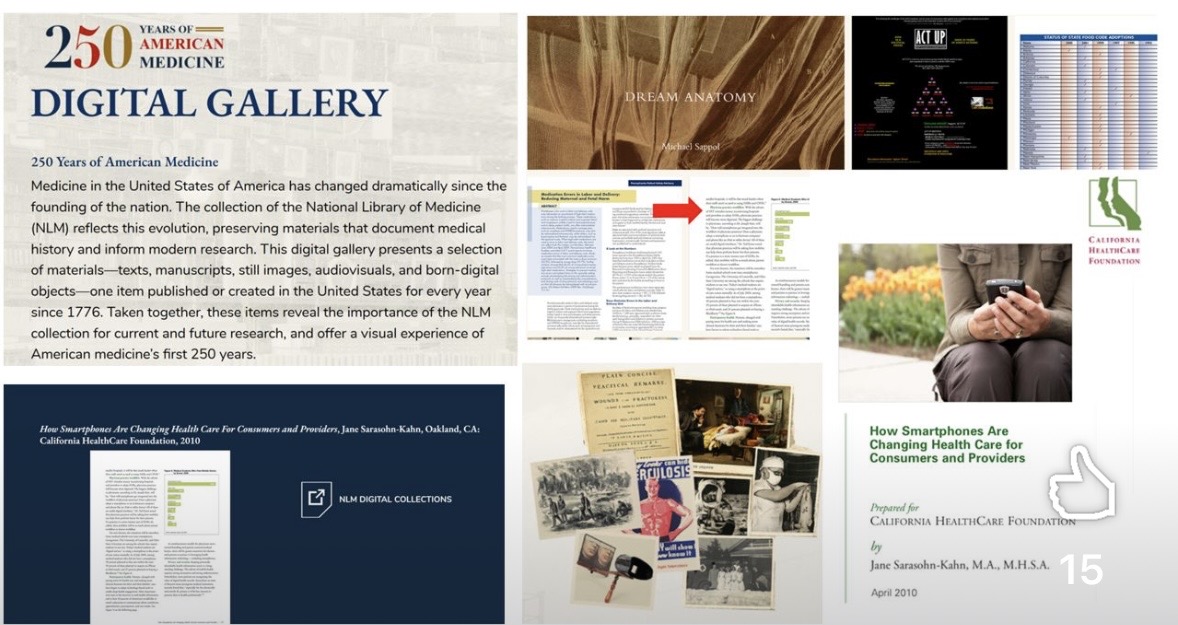 I’m celebrating America’s 250th birthday both patriotically and professionally, honored that the NLM included my 2010 paper, “How Smartphones Are Changing Healthcare for Consumers and Patients” as one of 250 items curated for the digital archive of 250 Years of American Medicine.
 I'm grateful to be part of the Duke Corporate Education faculty, sharing perspectives on the future of health care with health and life science companies. Once again, I'll be brainstorming the future of health care with a cohort of executives working in a global health care enterprise.
 Jane joined host Dr. Geeta "Dr. G" Nayyar and colleagues to brainstorm the value of vaccines for public and individual health in this challenging environment for health literacy, health politics, and health citizen grievance. Click onto the Pfizer Value of Vaccines site and you can watch four episodes covering the challenges with adult vaccination, the employer and health plan member's journey to vaccination, reimbursement, and collaborating for proactive prevention.